
Flooring Showroom Cleaning
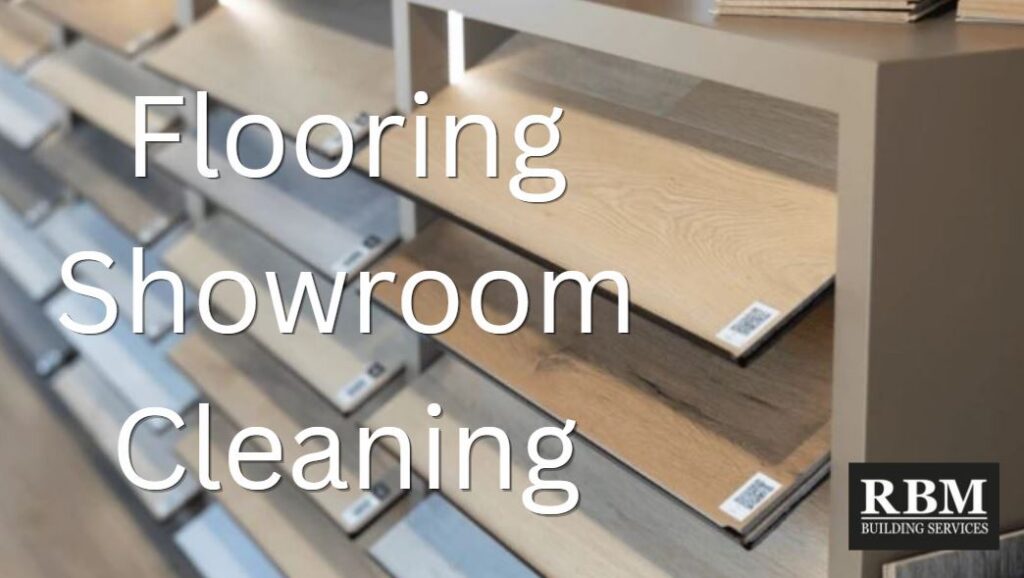
Flooring showroom cleaning is the specialized process of maintaining a retail space where the floors, samples, and installations are central to the customer’s buying decision. Unlike ordinary retail cleaning, it must protect a wide range of surfaces—carpet, hardwood, laminate, luxury vinyl, tile, stone, and display boards—while keeping the store safe, dust-free, and visually convincing.
The key point is simple: a flooring showroom’s cleanliness is part of its sales presentation. Customers may judge a product’s durability, maintenance needs, color, texture, and finish by what they see underfoot in the showroom. Hazy tile, scratched vinyl, dusty carpet samples, sticky hardwood, or dirty grout can undermine confidence in products that may otherwise be excellent.
This guide covers the practical side of flooring showroom cleaning: how to protect different surfaces, manage dust and weather-related soil, prevent slips, care for displays, choose a service approach, and correct recurring cleaning problems. A knowledgeable commercial cleaning provider can help translate product-care requirements into a reliable daily, periodic, and seasonal maintenance plan.
What Is Flooring Showroom Cleaning?
Flooring showroom cleaning is a commercial janitorial and surface-care program designed for stores that sell or display flooring products. This includes carpet retailers, hardwood flooring showrooms, tile and stone stores, luxury vinyl plank retailers, laminate stores, home-improvement showrooms, flooring distributors, and design centers.
The primary audience includes:
- Flooring showroom owners and store managers.
- Facilities and operations managers.
- Commercial property managers.
- Retail sales leaders.
- Purchasing teams evaluating janitorial providers.
- New showroom operators creating opening and maintenance plans.
- Decision-makers trying to prevent floor damage, safety issues, or customer complaints.
A complete flooring showroom cleaning service generally includes:
- Entrance and walk-off mat cleaning.
- Vacuuming, sweeping, dust mopping, and damp mopping.
- Routine care for approved showroom floors.
- Restroom and breakroom cleaning.
- Trash and recycling removal.
- Cleaning counters, desks, consultation areas, and customer touchpoints.
- Dusting accessible shelves, sample racks, display bases, and fixtures.
- Spot cleaning glass, mirrors, door handles, and approved surfaces.
- Backroom, warehouse-adjacent, and receiving-area cleaning.
- Periodic carpet extraction, machine scrubbing, high dusting, and detailed floor care.
It does not automatically include flooring installation, refinishing, grout restoration, stone polishing, repair of damaged displays, product-warranty work, mold remediation, water-damage restoration, or construction cleanup. Those services should be explicitly defined and separately approved.
A typical process begins with a site assessment. The provider identifies every surface, its care requirements, how customers move through the showroom, where grit enters, which areas see delivery traffic, and which displays are sensitive to chemicals or moisture. The team then creates a written cleaning scope that divides work into daily, periodic, seasonal, and as-needed tasks.
For example, a flooring store may need daily vacuuming of carpet sample areas, neutral cleaning of luxury vinyl displays, regular entrance-mat service during winter, and periodic machine scrubbing in the receiving area. A showroom with active cutting or installation demonstrations may need separate dust-control procedures.
Eight Flooring Showroom Cleaning Priorities
1. Treating the Floor as a Sales Tool
In a typical store, floors support operations. In a flooring showroom, they are often the product demonstration itself. Customers use showroom floors to assess color, sheen, texture, comfort, durability, grout appearance, and how a material may look in a home or commercial setting.
That makes cleaning quality highly visible. A dirty carpet display may make customers believe the fiber holds soil. A streaky luxury vinyl plank floor can look poorly manufactured when the real issue is cleaner residue. Scuffed hardwood may appear fragile. Dust in tile grout lines can make a light grout sample seem permanently stained.
The solution is to treat every installed display floor as a product surface, not just a walking surface. Cleaning procedures should match the flooring material and follow manufacturer care instructions. The store should identify what is installed in each showroom zone and provide cleaning crews with a surface map.
Important principles include:
- Remove grit and dry debris before any wet cleaning.
- Use only approved cleaners and dilution ratios.
- Avoid harsh chemicals, abrasive pads, waxes, oils, and excessive water unless specifically allowed.
- Use clean microfiber pads, mop heads, and vacuum attachments.
- Inspect floors under the showroom’s normal lighting.
- Clean display edges, transitions, and corners where soil accumulates.
A clean showroom floor allows customers to judge the product accurately. It also makes sales conversations easier because staff are not explaining away haze, scratches, stains, or residue created by avoidable cleaning errors.
2. Managing Grit, Weather, and Entrance Soil
Entrance soil is one of the biggest threats to flooring showroom appearance. Customers and delivery personnel can track in sand, gravel, dirt, snow, rainwater, de-icing salt, leaves, and dust. Those materials spread quickly from the entrance to sample zones, consultation spaces, and showroom displays.
Fine grit acts like sandpaper under shoes, carts, and dollies. It can scratch hard surfaces, dull finishes, work into carpet fibers, and collect in tile grout lines. Water creates immediate slip risk, while de-icing salt can leave a white film or sticky residue if it is not removed correctly.
A practical entrance-control plan should include:
- Exterior and interior walk-off matting.
- Daily vacuuming of mats and more frequent service during bad weather.
- Prompt removal of tracked-in dirt and standing water.
- Wet-floor signs during active cleanup.
- Frequent inspection during snow, rain, and high-traffic periods.
- Clean, dry floor transitions near doors and vestibules.
- A designated response plan for storms and seasonal conditions.
OSHA requires workplaces and walking-working surfaces to be kept clean, orderly, and sanitary. It also requires floors to be kept clean and dry as feasible, or to have appropriate surfaces where wet processes are used.
Cleaning teams should not wait for an overnight shift to address a storm-related entryway. High-traffic flooring stores may need daytime inspections or porter support during severe weather. Prevention at the entrance reduces labor, protects showroom surfaces, and lowers the risk of customer slips.
3. Using Surface-Specific Cleaning Methods
A flooring showroom may contain several materials within a few hundred square feet: carpet, engineered wood, solid hardwood, laminate, luxury vinyl tile, vinyl plank, ceramic tile, porcelain, natural stone, concrete, rubber, and area rugs. These materials may look similar but can require very different cleaning methods.
The greatest risk is using a general-purpose product or “universal” floor cleaner everywhere. Too much water can affect certain wood or laminate products. Harsh chemicals can dull resilient flooring or strip coatings. Acidic products can etch acid-sensitive natural stone, such as marble, limestone, and travertine. Abrasive pads can scratch glossy tile, polished stone, or coated surfaces.
The safest approach is to identify the floor before cleaning it. A surface map should state:
- Material type.
- Whether it is sealed, finished, coated, or unsealed.
- Approved products and tools.
- Moisture limitations.
- Areas requiring dry methods only.
- Any warranty or manufacturer restrictions.
- Who to contact when the material is unknown.
In daily operations, use the least aggressive effective method. Vacuum or dust mop dry soil, spot-clean spills promptly, and use low-moisture cleaning when appropriate. Avoid flooding floors, especially around seams, transitions, product samples, and display edges.
The rule is not that one surface is “better” or “harder” to clean. The rule is that every surface needs compatible care. When cleaners follow this approach, they reduce product damage, prevent customer confusion, and preserve the showroom’s intended finish.
4. Keeping Carpet, Rugs, and Textile Displays Fresh
Carpet sample racks, rug displays, upholstered consultation seating, and textile flooring sections collect dust, fibers, pet hair, dirt, and odors. Because customers often touch, kneel on, or closely inspect carpet samples, visible soil can immediately affect how they perceive the product.
Routine vacuuming is the foundation of carpet showroom cleaning. However, the equipment and technique matter. Aggressive beater bars can damage fringes, pull fibers, or affect certain delicate rugs. Dirty vacuum filters can redistribute fine dust rather than remove it. Inadequate edge cleaning leaves visible soil around bases, displays, and sample racks.
A strong flooring retail cleaning plan should include:
- Frequent vacuuming of customer-accessible carpet and rugs.
- Edge vacuuming around display bases and walls.
- Prompt pickup of tags, fibers, packaging, and debris.
- Spot treatment only with approved products.
- Protection of textiles during nearby wet floor cleaning.
- Periodic carpet extraction or low-moisture maintenance when needed.
- Documentation and reporting of stains, tears, moisture, or odors.
Do not assume all carpet samples can be treated the same way. Wool, looped carpet, specialty fibers, handwoven rugs, and display textiles may react differently to moisture and cleaning products. Unknown materials should be reported rather than treated experimentally.
Odor complaints should be investigated, not covered up. Wet carpet, spills, pet hair, food waste, damp entry mats, dirty mop water, plumbing leaks, or inadequate ventilation can all create persistent odors. Removing the source and drying the area fully is more effective than adding fragrance.
5. Protecting Hardwood, Laminate, and Resilient Displays
Hardwood, laminate, luxury vinyl, and similar resilient materials can be especially vulnerable to cleaning mistakes because customers expect them to look polished and durable. The most common problems are oversaturation, residue, improper products, scratched finishes, dull areas, and damage at seams or edges.
Wood and wood-look floors should never be treated as if they are all waterproof. Even when a product is marketed as water-resistant, excessive water or prolonged moisture at seams can cause trouble. Wet mopping, steam use, or leaving standing water may create swelling, edge lift, dullness, or finish damage depending on the material and installation.
Luxury vinyl and laminate also need care. Heavy soil may require periodic machine cleaning, but the pad, chemical, pressure, and recovery method must be suited to the surface. A product that leaves detergent residue can make floors feel tacky, attract dirt, and create a dull appearance.
Use these practical controls:
- Sweep or vacuum before damp mopping.
- Use minimal moisture and a clean microfiber pad.
- Use only floor-approved neutral or manufacturer-recommended products.
- Avoid abrasive scrub pads unless approved.
- Avoid wax, oil soap, polish, or floor finish unless the manufacturer specifically permits it.
- Wipe spills quickly, especially near seams and transitions.
- Keep carts, ladders, and heavy displays from dragging across finished surfaces.
The goal is to present the product at its best without creating a maintenance issue that customers may incorrectly attribute to the floor itself.
6. Maintaining Tile, Stone, Grout, and Hard-Surface Displays
Tile, stone, grout, and concrete displays can be forgiving in some ways, but they are not maintenance-free. Textured tile holds dirt in surface variation. Grout lines trap fine dust and spill residue. Natural stone may be sensitive to acids and strong alkalines. Polished surfaces show streaks, haze, and scratches under retail lighting.
Routine care should begin with dry soil removal. Grit and sand can scratch polished materials, dull finishes, and get embedded in grout. After vacuuming or dust mopping, use a compatible cleaner at the correct dilution and avoid leaving puddles or residue.
Natural stone requires special caution. Marble, limestone, travertine, and other acid-sensitive stone may be damaged by acidic cleaners. Tile-and-grout products that work on ceramic or porcelain can be unsuitable for stone. If the material cannot be identified, cleaners should use a conservative method and ask for direction.
Grout care also needs restraint. Harsh acid washing, aggressive brushes, and unapproved high-pressure methods can damage grout, affect nearby surfaces, or create uneven appearance. Periodic deep cleaning may be appropriate, but it should be planned around the specific product and display construction.
The showroom should identify:
- Ceramic and porcelain displays.
- Natural-stone samples.
- Grout lines and mosaic panels.
- Polished versus textured finishes.
- Sealed or unsealed areas.
- Restricted or dry-dust-only displays.
The right objective is not maximum shine. It is an accurate, clean, residue-free appearance that helps the customer see the true color and texture of the flooring.
7. Controlling Dust, Delivery Debris, and Backroom Disorder
Flooring showrooms frequently combine retail, warehouse, and design functions. Deliveries can bring cardboard, shrink wrap, pallets, sample fragments, sawdust, grit, and packaging materials into back rooms and receiving areas. Without a plan, debris migrates into sales areas and settles on displays.
Dust control is especially important around sample racks, product boards, display bases, counters, and customer consultation spaces. Fine dust makes displays look dull, can settle into carpet fibers and grout lines, and creates an impression of poor maintenance.
The cleaning plan should clearly separate ordinary retail cleaning from construction or installation dust. If cutting, grinding, sanding, or renovation work occurs on site, the work area may need a dedicated cleanup plan and appropriate controls. Do not assume standard sweeping is adequate for every type of dust.
For normal retail and receiving conditions, effective controls include:
- Prompt removal of cardboard, wrap, tags, and general debris.
- Vacuuming rather than spreading dust with dry, dirty brooms.
- Regular cleaning around sample racks and display bases.
- Clear routes for carts, pallet jacks, and deliveries.
- Designated storage for cleaning equipment.
- Regular high dusting of ledges, shelves, and vents.
- Reporting of broken samples, sharp edges, or damaged racks.
Backroom cleanliness affects the showroom more than many managers realize. A disorganized receiving space creates more debris, more employee frustration, slower inventory movement, and a higher likelihood that dirt will be carried into customer-facing areas.
8. Cleaning Restrooms, Sales Areas, and Customer Touchpoints
Customers may visit a flooring showroom for extended consultations, measurements, design discussions, and product comparisons. During that time, they will notice restroom conditions, counters, desks, glass doors, waiting areas, and customer touchpoints.
Restrooms need consistent cleaning, supply replenishment, odor control, and inspection. A once-per-night service may not be enough for a busy showroom or a location with contractors, installers, and customer traffic throughout the day.
Routine restroom work should include:
- Toilets, sinks, partitions, mirrors, floors, and dispensers.
- Soap, towels, tissue, and waste-bin checks.
- Door handles, faucet handles, flush controls, and other touchpoints.
- Prompt response to spills or leaks.
- Color-coded tools where used to reduce cross-contamination.
- Wet-floor signage during active service.
Disinfecting is not the same as cleaning. Cleaning removes soil, while disinfectants are used according to their product labels for specific antimicrobial claims. EPA guidance states that a surface must remain visibly wet for the full label-specified contact time for a disinfectant to work as intended.
Sales areas also need attention. Dusty desks, fingerprints on glass, cluttered sample counters, and sticky coffee areas can affect the professionalism of a consultation. A thoughtful cleaning plan supports the sales process by keeping the visible customer environment orderly without disturbing active design work or product selections.
The Real Cost of Getting Flooring Showroom Cleaning Wrong
Poor flooring showroom cleaning creates costs that extend far beyond the cleaning budget. Direct financial losses may include damaged floor displays, scratched finishes, etched stone, stained carpet, replacement samples, premature floor restoration, and emergency cleanup after spills or moisture incidents.
There are also productivity costs. Sales staff may spend time cleaning customer areas, fixing display problems, responding to restroom complaints, removing debris, or trying to explain why a floor looks hazy or worn. Managers may lose time managing vendor disputes, scheduling emergency service, or addressing avoidable customer complaints.
The customer impact is especially important. Flooring is a long-term purchase. When shoppers see dirty, dull, scratched, or poorly maintained display floors, they may question whether the products will be difficult to maintain or whether the retailer has adequate quality standards.
Long-term consequences can include damaged brand reputation, reduced employee morale, increased maintenance costs, customer hesitation, and potential slip-and-fall exposure. Most of these problems can be prevented with a material-specific cleaning plan, proper entrance control, consistent inspections, reliable scheduling, and an experienced cleaning partner.
How an Experienced Cleaning Professional Helps
An experienced commercial cleaning professional approaches flooring showroom cleaning as a product-protection and customer-experience responsibility. They understand that the store’s floor finishes, samples, rugs, displays, and consultation areas need different methods—not a generic cleaning routine.
RBM Services can help develop a practical flooring showroom cleaning program that addresses routine cleaning, periodic maintenance, safety concerns, and long-term appearance goals. A professional process starts with understanding the facility, documenting expectations, and building a service plan around the actual surfaces and traffic patterns.
An experienced provider helps by:
- Identifying floor types and cleaning restrictions.
- Creating a written cleaning map and task schedule.
- Using appropriate methods for carpet, wood, laminate, resilient flooring, tile, stone, and concrete.
- Protecting displays, sample racks, rugs, and showroom fixtures.
- Managing entrances, restrooms, breakrooms, and receiving areas.
- Reporting leaks, damaged product, loose mats, sharp fragments, odors, and recurring soil issues.
- Providing routine service, daytime support, and periodic deep cleaning.
- Helping improve inspection, communication, and quality-control processes.
Flooring Showroom Cleaning Options
In-House Store Cleaning
Store employees handle light cleaning, spill response, basic dusting, and showroom touch-ups.
This approach works for immediate response and very small locations. Its drawback is inconsistency and the fact that sales employees are pulled away from customers and design consultations.
After-Hours Janitorial Cleaning
A commercial cleaning team services the showroom before opening or after closing. Typical tasks include floors, restrooms, trash, breakrooms, counters, and accessible dusting.
This is appropriate for maintaining a dependable daily baseline without disrupting customers. It does not replace daytime response for spills, weather-related entry issues, or busy restroom periods.
Day Porter Service
A day porter works during business hours to address entrances, restrooms, spills, trash, customer pathways, and visible touch-ups.
This works well for larger showrooms, heavy traffic, severe weather, weekend peaks, or locations with frequent deliveries. The limitation is the additional cost of dedicated daytime coverage.
Periodic Deep Cleaning
Periodic service may include machine scrubbing, carpet extraction, high dusting, detailed edge cleaning, grout and hard-surface restoration, and post-reset cleanup.
This is appropriate before major promotions, after heavy traffic periods, or when daily maintenance no longer restores appearance. It requires surface-specific planning and clear protection for samples and displays.
What to Do If You Are Currently Dealing With Flooring Showroom Cleaning Problems
- Walk the showroom as a customer would, starting outside the entrance.
- Identify and secure immediate hazards, including wet floors, loose mats, sharp fragments, blocked aisles, spills, or unstable displays.
- Place warning signs and limit access until unsafe areas are corrected.
- Photograph recurring problems such as haze, scratches, dust buildup, stains, water intrusion, or residue.
- Identify every floor material before applying new chemicals or aggressive cleaning methods.
- Stop using products that leave residue, cause dullness, or conflict with manufacturer care requirements.
- Check mats, vacuums, mop heads, cleaning tools, chemical labels, and Safety Data Sheets.
- Compare the current cleaning scope with actual traffic, weather, display, restroom, and receiving needs.
- Schedule periodic restoration or deep cleaning where daily cleaning cannot correct the problem.
- Contact RBM Services for a tailored flooring showroom cleaning assessment and service plan.
How to Choose the Right Flooring Showroom Cleaning Provider
Choose a provider using the following checklist:
- Experience in commercial retail, flooring, showroom, or design-center environments.
- Knowledge of carpet, hardwood, laminate, luxury vinyl, tile, grout, stone, and concrete care.
- A clear written scope with tasks, frequencies, exclusions, and quality standards.
- Surface-specific cleaning procedures and approved product controls.
- Safe chemical use, accurate dilution, labeling, and Safety Data Sheet access.
- Reliable communication and a process for reporting damage or hazards.
- Ability to work around sales activity, deliveries, resets, and seasonal traffic.
- Capability for routine cleaning plus periodic floor-care projects.
- A plan for entrance matting, wet-floor response, and customer safety.
- Willingness to address immediate cleaning issues and long-term maintenance prevention.
For professional guidance, choose RBM Services for flooring showroom cleaning support and commercial janitorial planning.
Common Mistakes to Avoid
- Using one cleaner on all floors: Different materials require different products, moisture levels, and tools.
- Mopping before removing dry grit: This turns soil into residue and can scratch hard surfaces.
- Using too much water on wood, laminate, or seams: Moisture can cause visible damage and product-performance concerns.
- Ignoring entrance mats during poor weather: Water, salt, and grit quickly spread through a showroom.
- Using harsh cleaners on stone or coated floors: Acid, abrasives, and incompatible chemicals can etch, dull, or strip surfaces.
- Leaving carpet and rug displays untreated: Dust, hair, fibers, and odors can undermine customer confidence.
- Treating delivery areas as outside the cleaning plan: Cardboard and debris migrate into the retail floor.
- Keeping the scope vague: Unclear tasks and frequencies lead to missed work, disagreements, and inconsistent results.
Frequently Asked Questions
What is flooring showroom cleaning?
It is commercial cleaning tailored to stores that sell or display flooring products, including carpet, wood, laminate, vinyl, tile, stone, and related materials.
Why does flooring showroom cleaning need to be specialized?
The floor is often the main product display. Incorrect cleaning can damage surfaces or make customers believe the flooring itself looks poor.
How often should a flooring showroom be cleaned?
Most showrooms need daily cleaning, while entrances, restrooms, and high-traffic areas may need several inspections or touch-ups each day.
What should be cleaned daily?
Entrances, floors, restrooms, trash areas, counters, consultation spaces, customer touchpoints, and visibly dusty sample zones should be addressed daily.
Why do showroom floors look hazy after mopping?
Common causes include excess chemical, incorrect dilution, dirty water, soiled mop pads, residue buildup, or skipping dry soil removal.
Can the same floor cleaner be used on every showroom surface?
No. Carpet, wood, laminate, vinyl, tile, grout, stone, and concrete may have different care requirements.
How can a store protect hardwood displays?
Remove grit first, use minimal moisture, use approved products, clean spills promptly, and avoid abrasive pads or unapproved finishes.
Is steam cleaning safe for showroom floors?
Not universally. Some products can be harmed by heat or moisture. Follow the flooring manufacturer’s written care instructions.
How should luxury vinyl be cleaned?
Vacuum or sweep first, then use a clean microfiber pad with an approved cleaner at the proper dilution. Avoid excess moisture and harsh abrasives.
What is the safest way to clean laminate flooring?
Use dry soil removal, minimal moisture, a compatible product, and prompt spill cleanup. Avoid flooding seams or leaving standing water.
Can acidic cleaners be used on tile and stone?
Acidic products may be suitable for certain tile applications but can damage acid-sensitive stone, including marble, travertine, and limestone. Identify the surface first.
How do we keep carpet samples looking fresh?
Vacuum frequently, remove debris promptly, use approved spot treatment only, protect samples from moisture, and schedule periodic deep cleaning as needed.
Why do entry mats matter?
They trap water and grit before it reaches display floors, helping reduce scratches, soil tracking, and slip hazards.
How often should entrance mats be cleaned?
They should be vacuumed regularly and inspected more often during rain, snow, or high-traffic periods. Replace mats that curl, stay saturated, or no longer capture soil effectively.
What should we do after a customer spill?
Secure the area, use warning signs, clean the spill with the proper method, dry the surface, and document the event if it created damage or a safety concern.
Are wet floors a safety concern?
Yes. OSHA requires employers to keep walking-working surfaces clean, orderly, and sanitary, and to keep floors dry as feasible.
What is a day porter?
A day porter is a cleaning professional who works during business hours to handle tasks such as restroom checks, entrance care, spill response, trash removal, and touch-up cleaning.
Is after-hours cleaning enough?
It can be sufficient for low-traffic showrooms, but busy stores often need a daytime process for spills, entry conditions, restrooms, and customer-facing touch-ups.
How often should restrooms be checked?
The frequency should match customer and employee traffic. Restrooms should be inspected throughout the day rather than only cleaned overnight.
What is disinfectant contact time?
It is the amount of time a disinfectant-treated surface must remain visibly wet for the product to work according to its label.
Do showroom floors need disinfecting?
Usually not as a general daily requirement. Routine cleaning is appropriate for many floors; disinfecting should be based on the area, risk, surface compatibility, and product instructions.
What are Safety Data Sheets?
Safety Data Sheets explain a chemical’s properties, hazards, protective measures, safe handling, and emergency information.
How can we prevent dust around flooring sample racks?
Use scheduled microfiber dusting, vacuum debris around displays, clean high ledges periodically, and remove packaging materials promptly.
What should be in a showroom cleaning contract?
It should list tasks, areas, frequencies, service hours, exclusions, supply responsibilities, reporting steps, quality standards, and periodic services.
How do we measure cleaning quality?
Use written checklists, store-manager inspections, photo documentation, service logs, restroom inspections, customer feedback, and recurring-issue tracking.
Can poor cleaning damage flooring warranties?
Potentially. Using prohibited chemicals, excessive water, abrasive equipment, or unapproved products may conflict with manufacturer care guidance. Check the relevant product instructions.
What should be done before a major sales event or showroom reset?
Schedule deep dusting, detailed floor cleaning, edge work, restroom servicing, receiving-area cleanup, display-base cleaning, and a customer-eye-level inspection.
Key Rules, Laws, and Standards
Flooring showroom cleaning should account for these important frameworks:
- OSHA Walking-Working Surfaces Standard: Employers must keep places of employment, passageways, service rooms, storerooms, and walking-working surfaces clean, orderly, and sanitary.
- OSHA floor-safety expectations: Floors should be kept clean and dry as feasible, and aisles and passageways should remain clear of hazardous obstructions.
- OSHA Hazard Communication Standard: Covered hazardous workplace chemicals require proper labels, employee training, and Safety Data Sheets.
- EPA disinfectant label requirements: EPA-registered disinfectants must be used according to their product labels, including dilution directions, surface compatibility, protective measures, and required contact time.
- Manufacturer care instructions: Follow flooring, rug, carpet, stone, grout, finish, and display manufacturer recommendations. These instructions may limit chemical selection, moisture, cleaning tools, or maintenance methods.
This article provides general operational education, not legal, safety, insurance, restoration, manufacturer-warranty, or product-specific technical advice. For a particular floor problem, warranty question, safety issue, chemical exposure, or damage claim, consult the relevant manufacturer and qualified professional.
Conclusion
Flooring showroom cleaning is an essential part of protecting product displays, building customer confidence, and maintaining a safe retail environment. The right program recognizes that every surface—from carpet and hardwood to luxury vinyl, tile, stone, and grout—needs compatible care.
Most problems are preventable. Control grit at the entrance, remove dry soil before mopping, use surface-specific products, protect samples and display floors, schedule periodic deep cleaning, and maintain a clear plan for spills, restrooms, deliveries, and seasonal traffic.
For practical support with a tailored flooring showroom cleaning service, contact RBM Services at 801 373-2424 for commercial cleaning guidance designed around your showroom’s needs.