
Resort Cleaning
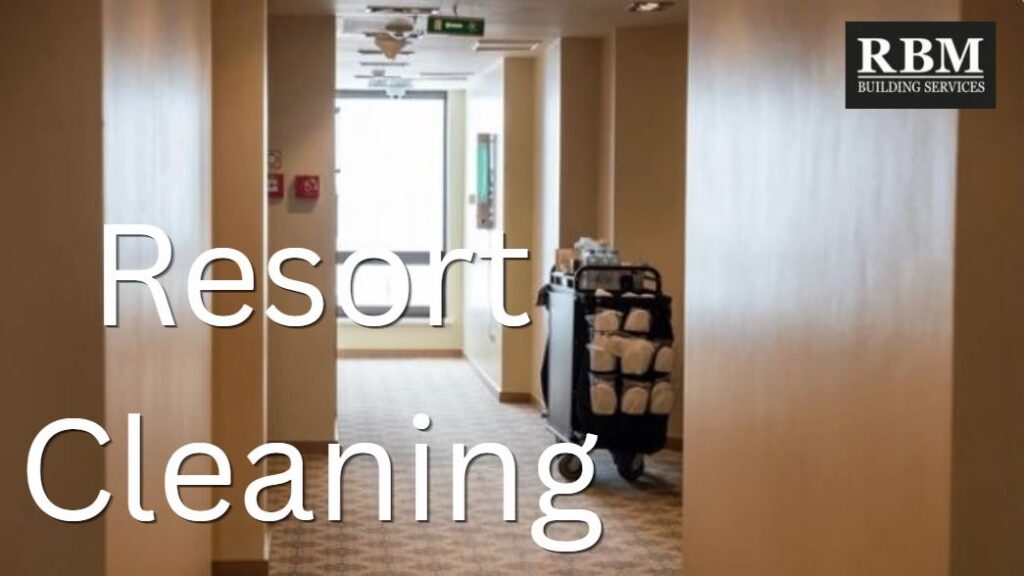
Resort cleaning is the planned cleaning, sanitation, inspection, and upkeep of guest rooms, villas, public spaces, restaurants, pools, spas, fitness areas, event venues, grounds, and support spaces. It matters because a resort experience depends on more than a clean room. Guests notice every detail: lobby floors, pool decks, restrooms, towels, outdoor furniture, elevators, dining areas, walkways, and the condition of their accommodations.
The most important takeaway is that resort cleaning must be coordinated across many different environments. A resort can have clean guest rooms but still disappoint guests if the pool deck is slippery, the lobby is dusty, restrooms are understocked, or outdoor areas are neglected. This guide explains how resort cleaning works, the most important cleaning priorities, common problems, the cost of poor cleaning, practical service strategies, and how to select professional support. With a written plan, trained teams, inspections, and experienced guidance, resorts can protect guest comfort, employee safety, brand reputation, and the long-term value of the property.
What Is Resort Cleaning?
Resort cleaning is the organized cleaning and maintenance of the full guest and operational environment at a resort property. It can include hotel-style guest rooms, suites, cabins, villas, vacation rentals, restaurants, meeting spaces, retail areas, pools, spas, fitness centers, recreation spaces, landscaping-adjacent areas, laundry rooms, offices, and employee facilities.
Primary readers include resort owners, general managers, housekeeping directors, facilities managers, hospitality operators, property-management teams, event managers, spa and pool managers, and decision-makers seeking commercial cleaning support.
A resort cleaning program commonly includes:
- Guest rooms, suites, villas, cabins, bathrooms, balconies, and patios.
- Lobbies, front desks, corridors, elevators, lounges, and retail spaces.
- Restaurants, bars, breakfast areas, kitchens, and banquet spaces.
- Pools, hot tubs, locker rooms, showers, fitness centers, and spas.
- Conference rooms, wedding venues, event areas, and outdoor gathering spaces.
- Laundry rooms, housekeeping closets, maintenance rooms, trash areas, and loading spaces.
- Exterior walkways, parking areas, stairways, railings, seating, and entrance zones.
A successful cleaning operation usually follows three levels of service:
- Continuous cleaning during guest use, including spills, restrooms, high-touch points, and common areas.
- Daily turnover cleaning for rooms, restaurants, public spaces, and recreation areas.
- Scheduled deep cleaning for carpets, upholstery, grout, high surfaces, pool decks, storage rooms, equipment exteriors, and difficult-access zones.
CDC hotel guidance identifies common high-touch hospitality surfaces, including check-in counters, public areas, restrooms, tables, elevator buttons, water fountains, payment stations, vending machines, room keys, remotes, phones, handles, and bathroom fixtures. CDC hotel and lodging guidance also recommends handwashing after cleaning guest rooms and handling dirty laundry or trash.
Seven Resort Cleaning Priorities
1. Use a Detailed Guest Room and Villa Turnover Process
Guest accommodations are the core of the resort experience. Whether the property offers standard rooms, suites, villas, cabins, condos, or luxury rentals, guests expect a clean, comfortable, well-stocked, odor-free space that appears fully prepared for their arrival.
A reliable turnover process should begin with inspection. Before cleaning, staff should check for damage, forgotten items, leaks, pests, odors, broken fixtures, unsafe electrical conditions, missing supplies, or maintenance concerns. Housekeepers should report these conditions through a defined process rather than attempting repairs outside their scope.
After removing trash and used linens, clean from high to low and from cleaner areas to dirtier areas. Start with dusting and surfaces, then clean furniture, high-touch points, bathrooms, kitchenettes, patios, and floors. This helps prevent dust or debris from landing on surfaces that were already cleaned.
CDC lodging guidance recommends cleaning frequently touched guest-room surfaces such as tables, light switches, countertops, handles, desks, remote controls, phones, toilets, flush handles, faucets, door handles, pens, and irons.
A complete room turnover should include:
- Bed and linen inspection, replacement, and proper bed making.
- Bathroom cleaning, restocking, and fixture inspection.
- Cleaning of high-touch surfaces and appliances.
- Dusting furniture, ledges, lamps, headboards, and storage areas.
- Checking carpets, hard floors, patios, balconies, and windows.
- Removing visible stains, hair, dust, odors, and debris.
- Reporting damage, pests, leaks, or unsafe conditions.
- A final inspection before releasing the room.
The final inspection is essential. A room may be technically cleaned but still have a missing towel, a burned-out light, a musty odor, or a damaged chair that affects the guest experience.
2. Keep Public Areas Clean Throughout the Day
Resorts have high-visibility public spaces that guests use repeatedly: lobbies, entrances, front desks, lounges, corridors, elevators, stairways, restrooms, retail areas, breakfast rooms, and outdoor seating. These areas can become dirty faster than guest rooms because they are shared by many people throughout the day.
Public-area cleaning must be continuous. Staff should monitor floors, trash points, seating, door glass, entry mats, restrooms, water stations, payment devices, elevators, and high-touch surfaces. A lobby cleaned at 8:00 a.m. may need attention again by 10:00 a.m. after luggage carts, wet shoes, children, conferences, and arrivals move through it.
High-touch cleaning should be built into normal operations. CDC guidance notes that more frequent cleaning may be appropriate for high-touch surfaces and areas with high use. CDC environmental-cleaning guidance explains that frequency, methods, and products should be based on the setting and expected level of contamination.
Pay attention to guest-facing details:
- Fingerprints on glass doors and elevator panels.
- Dust on artwork, ledges, plants, and décor.
- Stained upholstery or cushions.
- Overflowing trash or recycling.
- Wet floors, uneven mats, or cluttered walkways.
- Empty restroom supplies.
- Smudged payment terminals and front-desk counters.
Public spaces create a guest’s first and lasting impression. Cleaning teams should work discreetly, use safe warning signs during floor cleaning, and keep carts or equipment from blocking exits, elevators, or guest paths.
3. Maintain Food, Beverage, and Event-Service Areas
Many resorts operate restaurants, pool bars, breakfast rooms, banquet kitchens, coffee stations, room-service preparation areas, or event catering spaces. These areas need cleaning systems that support food safety, service speed, guest comfort, and staff efficiency.
Food-service cleaning includes tables, chairs, bar tops, kitchen prep areas, dishwashing spaces, floors, counters, food-contact equipment, restrooms, waste areas, and beverage stations. Cleaning and sanitizing are separate processes. Cleaning removes food residue, grease, dirt, and visible soil. Sanitizing is a follow-up step used on cleaned food-contact surfaces according to the product label and local requirements.
The FDA Food Code is a model for safe retail food operations, including cleaning, sanitizing, warewashing, food-contact surfaces, employee hygiene, and food handling. FDA Food Code information provides a framework used by many state and local food-control authorities.
Resort food and event spaces need particular attention during weddings, conferences, holiday brunches, poolside dining, and large group functions. Cleaning tasks should be scheduled before events, throughout service, and after guest departure.
Common priorities include:
- Cleaning and sanitizing food-contact surfaces.
- Managing spills and broken glass promptly.
- Maintaining clear, dry service paths.
- Separating food-service tools from restroom and floor-cleaning tools.
- Emptying waste before it overflows.
- Cleaning banquet chairs, tables, linens, and event-room surfaces.
- Checking restrooms more frequently during events.
- Inspecting floors for tracked food, drink residue, and slip risks.
A clean event space supports guest confidence and reduces the pressure on service teams during peak demand.
4. Protect Pool, Spa, and Fitness Areas
Pools, hot tubs, spas, locker rooms, showers, fitness centers, and pool decks require specialized cleaning and operational oversight. These spaces are high-use, moisture-heavy, and prone to slip hazards, body oils, sunscreen residue, hair, standing water, towels, and changing-room waste.
Pool and spa cleaning involves more than sweeping the deck or wiping chairs. Operators must manage water quality, circulation, filtration, chemical handling, restrooms, showers, deck surfaces, furniture, and guest safety. Cleaning staff should understand the limits of their role and report chemical, equipment, or water-quality concerns to trained pool operators.
CDC recommends that public aquatic facilities have trained operating staff, maintain disinfectant and pH levels, test water regularly, maintain filtration and recirculation systems, scrub pool surfaces to remove slime layers, keep showers and restrooms clean, and maintain records of water measurements and maintenance. CDC’s public-pool and hot-tub operations guidance also recommends written procedures for fecal accidents and body-fluid spills.
Resort cleaning teams should focus on:
- Removing towels, trash, cups, and debris from pool decks.
- Cleaning restrooms, showers, locker rooms, and changing areas.
- Keeping walking surfaces dry and clear.
- Cleaning chairs, tables, railings, gates, and touchpoints.
- Reporting broken tiles, loose railings, damaged drains, algae-like buildup, or standing water.
- Using tools and products appropriate for wet areas and pool-adjacent surfaces.
Pool and spa cleaning should be coordinated with trained aquatic staff. General cleaners should not make water chemistry decisions unless they are trained and authorized to do so.
5. Control Floors, Carpets, and Outdoor Walkways
Resorts often have mixed flooring: tile, stone, hardwood, carpet, vinyl, concrete, pavers, pool decking, exterior stairs, boardwalks, patios, and entry mats. Each surface has different cleaning and maintenance needs. A single cleaning method may not work across the property.
Floor safety is critical because resorts have guests carrying luggage, walking in wet footwear, moving between pools and rooms, attending events, or traveling with children and mobility devices. Wet floors, uneven mats, spills, tracked-in sand, food, snow, rain, leaves, and pool water can create hazardous conditions.
OSHA requires walking-working surfaces to be kept clean, orderly, sanitary, and as dry as feasible. OSHA’s walking-working surfaces standard applies broadly to workplaces and supports basic housekeeping and floor-safety expectations.
A strong resort floor-care plan includes:
- Immediate spill response.
- Drying and warning signs after cleaning.
- Routine vacuuming, sweeping, and hard-floor care.
- Entry mat inspection and replacement when worn or unstable.
- Carpet spot treatment and periodic extraction.
- Cleaning pool decks, patios, stairs, and exterior paths.
- Weather-response procedures for rain, snow, salt, mud, or windblown debris.
- Inspection of lighting, railings, drainage, and surface damage.
Floor cleaning should not block emergency exits, elevators, stairs, or guest access. When high-traffic areas need deep cleaning, schedule work during lower-occupancy periods whenever possible.
6. Manage Linen, Laundry, Waste, and Housekeeping Storage
Resorts generate a large volume of linens, towels, robes, bedding, pool towels, spa towels, uniforms, and food-service textiles. Laundry and linen systems need to protect clean items from dirty items, moisture, chemicals, dust, and pests.
Dirty linens should be handled carefully and placed into designated bags or carts. CDC hotel guidance advises workers not to shake dirty laundry, to use the warmest appropriate water setting according to manufacturer instructions, and to allow items to dry completely. Clean linens should be stored in protected areas away from waste, chemicals, wet floors, and dirty laundry.
Housekeeping closets and carts should be organized. Each cart should carry the correct supplies, tools, bags, linens, labels, and personal protective equipment for its assigned tasks. Overstocked, disorganized carts slow staff down and increase the chance of using the wrong product or tool in the wrong area.
Waste management also matters. Trash rooms, exterior dumpsters, recycling areas, and housekeeping waste points should be cleaned and monitored. Overflowing bins, food residue, wet cardboard, damaged bags, and unsecured waste can create odor, pest, and safety problems.
Keep cleaning chemicals labeled and stored securely. Staff should understand product dilution, contact time, ventilation, personal protective equipment, and the importance of not mixing chemicals unless directed by the manufacturer.
7. Use Inspection Systems and Deep-Cleaning Plans
Resort cleaning is too large and complex to manage by memory. Written schedules, room checklists, public-area inspections, maintenance reporting, and deep-cleaning plans help ensure that visible and hidden areas receive appropriate attention.
Separate cleaning tasks by frequency:
- Continuous: spills, restrooms, trash, high-touch points, public floors, guest requests.
- Daily: rooms, suites, common areas, dining spaces, laundry, pool decks, fitness areas, and entrances.
- Weekly: storage rooms, furniture bases, glass, cooler exteriors, detailed floor edges, stair rails, and back-of-house spaces.
- Periodic: carpet extraction, upholstery cleaning, grout, high dusting, walls, vents, outdoor furniture, pool furniture, and difficult-access zones.
Every checklist should specify the area, task, method, approved product, tool, frequency, responsible role, verification step, and reporting procedure. “Clean pool area” is too vague. “Remove towels and debris, clean and inspect deck surfaces, wipe seating and railings, restock supplies, and report standing water, damaged tile, or unsafe conditions” creates accountability.
Quality inspections should assess actual conditions rather than just completed checkboxes. Look for dust, hair, odor, stains, water damage, worn linens, missing supplies, damaged furniture, visible residue, pests, safety hazards, and maintenance concerns.
Track repeat findings. If a particular building develops odor issues, a pool deck remains slippery, room inspections repeatedly find dust, or an event space has frequent floor stains, the resort may need to change staffing, supplies, scheduling, equipment, or maintenance practices.
The Real Cost of Poor Resort Cleaning
Poor resort cleaning can create direct costs through refunds, discounts, negative reviews, lost bookings, linen replacement, furniture damage, carpet replacement, pest-control costs, equipment issues, maintenance repairs, and possible injury claims. In a resort environment, guest expectations are often high, so small visible problems can have an outsized effect on perceived value.
Time costs also add up. Staff may need to re-clean rooms, respond to guest complaints, move guests, close amenities, address spills, manage restrooms, or fix damage that should have been reported sooner. Poor cleaning can slow check-in, create event-service stress, and reduce room availability.
There are emotional and relational costs too. Guests may feel disappointed or unsafe. Employees can become frustrated when workload, supplies, staffing, or cleaning expectations are unrealistic. Event planners, groups, and repeat guests may choose another venue if the property appears inconsistent.
Most of these costs are avoidable. A written cleaning program, trained staff, strong inspections, preventive maintenance reporting, event planning, and professional cleaning support can protect the resort’s guest experience and physical assets.
How RBM Services Can Help
An experienced cleaning provider can help resorts maintain consistent standards in guest areas, public spaces, restrooms, floors, offices, event rooms, entryways, and scheduled deep-cleaning projects. The right support should fit the resort’s accommodations, amenities, occupancy patterns, events, seasonal demand, and operating hours.
RBM Services can be consulted for resort cleaning support, including routine commercial cleaning, floor care, restroom service, common-area cleaning, guest-area housekeeping support, and planned deep-cleaning work.
A practical service plan should include:
- Defined cleaning zones for guest areas, public spaces, dining rooms, event venues, restrooms, offices, and outdoor common areas.
- Scheduling around check-in, checkout, events, occupancy changes, pool hours, and maintenance windows.
- Appropriate cleaning methods for floors, carpets, upholstery, guest surfaces, common areas, and high-touch points.
- Clear reporting procedures for spills, leaks, odors, stains, damaged furniture, pests, broken fixtures, and unsafe conditions.
- Quality checks that verify resort areas are ready for guests.
- A proactive strategy for seasonal traffic, weather, special events, weddings, and deep-cleaning needs.
Disclaimer: This article provides general operational information and is not legal, lodging-regulatory, pool-operation, food-safety, health, insurance, environmental, labor, or building-code advice. Resorts must follow applicable local and state lodging rules, pool and spa regulations, fire and building codes, food-service rules, workplace requirements, accessibility obligations, manufacturer instructions, and product-label directions.
Resort Cleaning Strategies
In-House Housekeeping Teams
In-house housekeeping teams typically manage room turnover, stayover service, linen changes, guest requests, public-area checks, and daily room inspections. This approach gives the resort direct control over guest-room scheduling and brand standards.
Its limitation is staffing. High occupancy, late checkouts, staff absences, and large events can strain internal teams without clear procedures and realistic staffing plans.
After-Hours Commercial Cleaning
After-hours cleaning is useful for lobbies, offices, conference rooms, corridors, restrooms, restaurants, fitness areas, and public spaces. It allows deeper work when guest traffic is lower.
Its limitation is that the provider needs secure access, a written scope, and a clear process for reporting issues found after regular operating hours.
Scheduled Deep Cleaning
Deep cleaning targets carpets, upholstery, grout, floor edges, walls, storage rooms, high surfaces, outdoor furniture, event spaces, and difficult-access areas. It is appropriate monthly, quarterly, seasonally, or after large events.
Its limitation is that certain rooms or amenities may need to be temporarily removed from guest use.
Amenity-Specific Cleaning
Amenity-specific cleaning focuses on pools, spas, fitness centers, restaurants, retail areas, event venues, patios, and recreation spaces. It is appropriate when one area has unique soils, risks, equipment, or regulatory requirements.
Its limitation is that specialized systems—such as pool-water chemistry, commercial kitchen equipment, or spa systems—may require trained, authorized personnel in addition to general cleaners.
What To Do If You Have a Cleaning Problem
If your resort is dealing with an immediate cleaning or sanitation issue, take these steps:
- Secure the area if there is a wet floor, broken glass, leak, pest evidence, unsafe pool area, blocked walkway, or other immediate hazard.
- Remove the room, amenity, or space from guest use when necessary.
- Notify the appropriate manager, maintenance lead, housekeeping supervisor, pool operator, or food-service manager.
- Identify the condition: spill, odor, water damage, damaged linen, pest evidence, broken fixture, or heavy soil.
- Use the approved cleaning tools and products for the affected surface and area.
- Protect clean linens, guest supplies, food, beverages, and unaffected spaces from contamination.
- Inspect nearby floors, furniture, fixtures, storage, and equipment for spread or related damage.
- Document the issue, corrective action, and maintenance or pest-control follow-up needed.
- Reopen the area only after cleaning, inspection, and any necessary repair or approval are complete.
Choosing the Right Provider
Use this checklist when selecting resort cleaning support:
- Relevant experience in hospitality, lodging, resorts, multi-room facilities, event venues, or high-traffic commercial properties.
- Understanding of guest rooms, public spaces, restrooms, floors, event areas, laundry spaces, and quality inspections.
- Clear, plain-English communication about scope, schedules, access, products, and exclusions.
- Availability around check-in, checkout, weekends, holidays, events, and seasonal occupancy peaks.
- Written task lists, inspection standards, quality checks, and issue-reporting procedures.
- A comprehensive approach that addresses immediate cleaning needs and long-term facility condition.
- Respect for guest privacy, security, lost-property procedures, food-service operations, and resort policies.
- Responsive communication about leaks, odors, stains, pests, damaged fixtures, and urgent cleaning needs.
For resort cleaning guidance, consult RBM Services about a plan designed around your accommodations, amenities, guest traffic, and event schedule.
Common Resort Cleaning Mistakes
- Focusing only on guest rooms while neglecting lobbies, restrooms, pool decks, patios, fitness areas, and event spaces.
- Treating room turnover as bed making and trash removal instead of a complete cleaning and inspection process.
- Using the same cloths and tools in bathrooms, bedrooms, public spaces, food areas, and floors.
- Ignoring moisture, leaks, odors, stains, or damaged fixtures until guests complain.
- Failing to adjust staffing, supplies, restroom checks, and floor cleaning for weddings, conferences, holidays, or peak occupancy.
- Leaving cleaning carts, cords, buckets, or supplies in guest paths or emergency access areas.
- Attempting pool, spa, kitchen-equipment, electrical, or maintenance work without appropriate training and authorization.
- Using checklists without actual inspections or follow-up on recurring problems.
Frequently Asked Questions
What is resort cleaning?
It is the organized cleaning, sanitation, inspection, and upkeep of resort accommodations, public areas, amenities, event spaces, food-service areas, and support facilities.
How is resort cleaning different from hotel cleaning?
Resort cleaning often covers a wider range of spaces, such as pools, spas, outdoor areas, recreation facilities, event venues, restaurants, villas, and guest amenities.
How often should resort rooms be cleaned?
Checkout rooms should be fully turned over before new guests arrive. Stayover service and housekeeping frequency depend on property policy and guest needs.
What should be cleaned in a resort room turnover?
Beds, linens, bathrooms, furniture, floors, high-touch surfaces, appliances, guest supplies, patios or balconies, and visible maintenance concerns.
What are high-touch surfaces in a resort?
Door handles, remotes, light switches, faucets, thermostats, elevator buttons, payment devices, room keys, railings, and restroom fixtures.
Are cleaning and disinfecting the same?
No. Cleaning removes soil and residue. Disinfecting uses an appropriate product to kill germs on cleaned surfaces when used according to label directions.
How often should resort public areas be cleaned?
Public areas need continuous monitoring, especially entrances, lobbies, elevators, restrooms, dining areas, and high-touch surfaces.
Why are pool decks a cleaning priority?
Pool decks can become wet and slippery and may collect sunscreen residue, towels, trash, and debris that affect guest safety.
Who should manage pool-water chemistry?
Trained and authorized pool operators should manage water chemistry and related systems. General cleaning staff should report concerns but not make unauthorized adjustments.
How often should public-pool water be tested?
CDC recommends testing disinfectant and pH levels at least twice daily and more often during heavy use, while following local requirements.
What should be cleaned around a resort pool?
Decks, seating, tables, railings, gates, restrooms, showers, locker rooms, trash points, and high-touch surfaces should be maintained regularly.
How should dirty linens be handled?
Do not shake dirty linens. Place them in designated bags or carts, keep them separate from clean linens, and wash according to manufacturer instructions.
Why do resort rooms develop musty odors?
Possible causes include moisture, leaks, damp carpet, HVAC issues, wet linens, bathroom drainage, poor ventilation, or water damage.
Can air freshener solve a room odor?
No. Fragrance may cover an odor briefly, but the underlying source must be identified and corrected.
What should I do if I find pest evidence?
Protect the area, report it immediately, document the condition, and follow the resort’s pest-management and room-out-of-service procedures.
How do I keep resort floors safer?
Respond to spills, manage weather-related moisture, use warning signs, inspect mats, maintain clear paths, and clean high-traffic areas frequently.
How should resort event spaces be cleaned?
Clean before, during, and after events, with attention to floors, tables, chairs, restrooms, food-service areas, trash, high-touch points, and damage reporting.
Do resorts need written cleaning checklists?
Yes. Checklists help standardize work across rooms, public spaces, amenities, events, and changing staff schedules.
What should be included in a resort room inspection?
Cleanliness, odor, linens, supplies, bathroom condition, furniture, floors, appliances, damage, pests, leaks, and maintenance issues.
How do I prevent guest complaints about cleanliness?
Use consistent turnover procedures, inspections, fast response to requests, public-area monitoring, regular deep cleaning, and maintenance reporting.
Can a commercial cleaning provider repair resort equipment?
Only if repair work is expressly within the provider’s authorized scope and qualifications. Cleaning and technical maintenance are separate services.
What should I ask a resort cleaning provider?
Ask about hospitality experience, event support, room and public-area procedures, floor care, inspections, scheduling, reporting, security, and deep cleaning.
How do I measure resort cleaning quality?
Use room inspections, public-area checks, guest feedback, complaint trends, maintenance reports, cleanliness scores, and recurring-issue tracking.
What rules apply to resort cleaning?
Requirements vary by location and resort amenities. Resorts may need to comply with lodging, pool, food-service, health, fire, building, labor, accessibility, and local regulatory requirements.
Key Rules and Standards
Resort operators should understand these key frameworks:
- CDC hotel and lodging guidance identifies high-touch surfaces in guest rooms and public spaces and offers handling guidance for linens and dirty trash.
- OSHA’s walking-working surfaces standard requires workplaces and walking-working surfaces to be clean, orderly, sanitary, and as dry as feasible.
- CDC public-aquatic-facility guidance addresses trained pool operation, water testing, maintenance, sanitation, recordkeeping, and spill-response planning.
- The FDA Food Code provides a model framework for restaurant and food-service sanitation, food-contact surfaces, warewashing, cleaning, and employee hygiene.
- Local lodging, pool, spa, food-service, fire, building, accessibility, labor, and environmental rules may add specific requirements.
Conclusion
Resort cleaning protects guest satisfaction, employee safety, event quality, amenity condition, and the long-term value of the property. The strongest programs coordinate guest-room turnover, public-area cleaning, food-service sanitation, pool and spa support, floor care, laundry handling, inspections, and scheduled deep cleaning.
Most resort cleaning problems are preventable with clear procedures, adequate staffing, routine inspections, fast maintenance reporting, and professional support. For resort cleaning guidance, contact RBM Services at (801) 373-2424 to discuss a cleaning plan tailored to your resort’s rooms, amenities, events, and operating schedule.