
Commercial Janitorial Service 95765
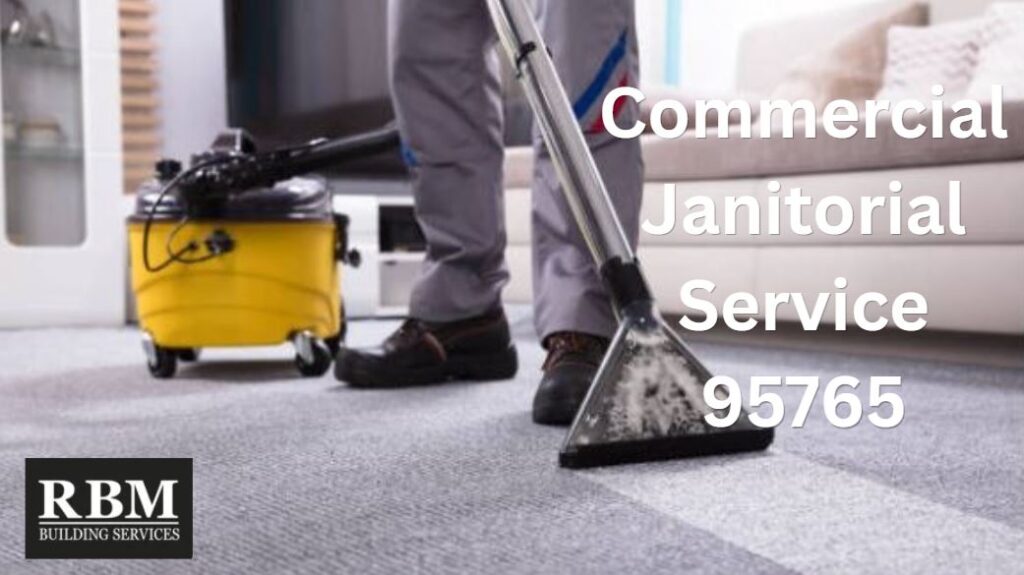
Commercial janitorial service in 95765 is more than a basic cleaning arrangement. It is an ongoing facility-care system that helps businesses maintain a professional appearance, protect health and safety, preserve building assets, and create a better experience for employees, customers, tenants, and visitors. In a growing area like 95765, where offices, retail spaces, medical practices, professional buildings, and service businesses all compete for attention, clean facilities play a surprisingly large role in how a company is perceived.
What commercial janitorial service means
Commercial janitorial service refers to recurring cleaning and maintenance work performed in business or institutional settings. Unlike a one-time deep cleaning, this service is usually scheduled daily, several times per week, weekly, or on another repeating basis depending on the property. The goal is to keep the building in a consistently clean, sanitary, and usable condition.
In 95765, this can include small professional offices, medical suites, retail stores, shared buildings, warehouses, schools, and other commercial properties. Each type of facility has different traffic patterns, hygiene requirements, and presentation standards. A good janitorial program accounts for those differences rather than applying the same checklist everywhere.
Commercial janitorial service is also broader than many people realize. It may involve trash removal, restroom cleaning, lobby upkeep, floor care, dusting, disinfecting, breakroom cleaning, supply restocking, and support for special events or seasonal cleaning needs. In some cases, it also includes supervision, reporting, and coordination with property managers.
Why businesses in 95765 need it
Businesses in 95765 use janitorial service for practical and strategic reasons. On the practical side, regular cleaning keeps workspaces safe, organized, and functional. On the strategic side, it helps shape how people feel about the business the moment they walk in.
Clean floors, fresh restrooms, clear reception areas, and well-maintained common spaces create confidence. Customers often notice cleanliness before they notice anything else. Employees notice it too, especially in spaces they use every day. A clean building can support morale, improve comfort, and reduce distractions.
Janitorial service also helps protect physical assets. Dirt, grit, moisture, and repeated foot traffic can wear down flooring, carpets, furniture, and fixtures. Regular maintenance can extend the life of these materials and reduce avoidable repair costs over time. That matters in a commercial setting where every expense affects the bottom line.
There is also a health component. Proper cleaning helps reduce the buildup of dust, germs, spills, and odors. While cleaning is not a substitute for other safety or health measures, it is an important part of creating a cleaner and more comfortable indoor environment.
Common spaces covered
Commercial janitorial service usually focuses on the spaces people see and use most often. In many 95765 facilities, that means reception areas, hallways, offices, conference rooms, breakrooms, restrooms, kitchens, lobbies, and entryways. These are the areas where dirt accumulates quickly and where cleanliness has the most visible impact.
Restrooms often receive special attention because they are one of the clearest signs of whether a building is being maintained properly. Tasks may include sanitizing fixtures, cleaning mirrors, wiping counters, mopping floors, restocking paper products, and removing trash. In busy buildings, restroom service may need to happen more than once a day.
Breakrooms and kitchens are also important. These areas can accumulate food residue, spills, fingerprints, and odors very quickly. A janitorial team may clean counters, sinks, appliances, tabletops, cabinet fronts, and floors while also checking for spills or messes that could attract pests or create safety issues.
Entryways and lobbies matter because they form first impressions. They also collect the most debris from outdoors, especially dirt, leaves, rainwater, and dust. Regular care in these areas helps the entire property feel more polished and inviting.
Typical services included
A standard commercial janitorial plan in 95765 usually includes a core group of recurring tasks. These often form the backbone of the contract and are performed on a set schedule.
Common services include:
- Trash and recycling removal.
- Vacuuming carpets and rugs.
- Sweeping and mopping hard floors.
- Dusting furniture, ledges, and visible surfaces.
- Cleaning and sanitizing restrooms.
- Restocking soap, tissue, and paper towels.
- Wiping high-touch surfaces.
- Cleaning breakroom and kitchen areas.
- Spot cleaning glass and entry doors.
- Maintaining reception and common areas.
These services may sound basic, but consistency is what gives them value. A one-time cleaning can make a space look good temporarily, but a recurring janitorial program keeps the property functioning well over time.
Many providers also offer optional services outside the standard weekly routine. Those may include carpet extraction, floor stripping and waxing, window cleaning, pressure washing, and post-event cleanup. Some businesses use the same provider for both routine maintenance and deeper seasonal or project-based work.
Industry-specific needs
Not every commercial building needs the same kind of janitorial program. The needs of a medical office, for example, differ from those of a retail storefront or a professional services office. In 95765, businesses often benefit most from providers that understand those differences.
Office environments
Office spaces usually need regular trash removal, vacuuming, dusting, restroom cleaning, and kitchen upkeep. Conference rooms, desks, and shared workstations may also need attention depending on usage. Since offices often contain computers, printers, and confidential materials, janitorial crews need to clean carefully and respectfully.
A good office cleaning plan balances thoroughness with discretion. Many offices prefer after-hours service so the cleaning team can work without interrupting staff or visitors. Some larger office buildings may also use daytime porter services to maintain common areas during business hours.
Medical and dental spaces
Medical and dental offices often have higher sanitation expectations. Waiting rooms, exam areas, restrooms, front desks, and staff areas all need consistent attention. These environments may require more careful disinfecting practices and stricter attention to touchpoints, waste handling, and scheduling.
In a medical setting, cleanliness is part of patient trust. A spotless environment can make a patient feel more confident before any care is even delivered. That is why these facilities often need janitorial providers with experience in healthcare-adjacent settings.
Retail properties
Retail stores need a strong focus on presentation. Dust, fingerprints, smudges, restrooms, floors, and entry glass can quickly affect the customer experience. Retail cleaning often needs to happen around opening hours, peak traffic periods, and special promotions.
These spaces may also need quicker response times for spills or unexpected messes. In some cases, a day porter can help maintain the store during business hours so the property stays presentable throughout the day.
Shared and multi-tenant buildings
Shared commercial buildings introduce another layer of complexity. Different tenants may have different cleanliness expectations, and common areas must remain consistently maintained. Lobbies, elevators, stairwells, hallways, shared restrooms, and mail areas all need regular attention.
In these properties, communication matters a great deal. The janitorial provider has to work alongside property management and sometimes tenant representatives. Clear scope and documented responsibilities help avoid confusion.
Frequency and scheduling
One of the biggest decisions in any janitorial contract is how often the building should be cleaned. Frequency depends on occupancy, traffic, building type, and budget. A small office with limited foot traffic may only need service a few times a week, while a busy retail, medical, or shared building may require daily or even multiple daily visits.
Nightly cleaning is common for offices because it allows cleaners to work after staff leave. That minimizes disruption and ensures the building is ready in the morning. Daytime cleaning is often better for public-facing properties where issues arise during business hours and need immediate attention.
Some properties use a hybrid model. Night crews handle deep routine work, while day porters manage spills, restrooms, and customer-facing touchups. This approach can be especially effective in places that stay active throughout the day.
Seasonal changes also affect scheduling. In wetter or dirtier months, entryways and floors may need more frequent attention. During busy seasons, restrooms and common areas may need increased service to keep up with usage.
Floor care and surface maintenance
Floor care is one of the most important parts of commercial janitorial service because floors take constant abuse. Dirt, sand, moisture, carts, shoes, and spills all create wear. Over time, neglected floors can make a whole building look tired even if everything else is clean.
Different floor types require different methods. Carpet may need regular vacuuming and occasional extraction. Tile floors may need scrubbing or grout attention. Vinyl composition tile can benefit from stripping, waxing, and buffing. Stone or polished surfaces may need specialized products that preserve the finish.
Surface care also extends to desks, counters, tables, and shared furniture. Janitorial teams often dust and wipe these areas using methods that do not damage finishes or electronics. This is especially important in offices and healthcare settings, where careless cleaning can lead to damage or disruption.
Good floor and surface care is both preventive and cosmetic. It helps the property look better while also protecting long-term asset value.
Restroom and hygiene management
Restrooms deserve a section of their own because they are often the most sensitive area in a commercial building. People judge cleanliness quickly in restrooms, and even a small issue can affect their opinion of the entire facility. That makes restroom maintenance one of the highest priorities in any janitorial plan.
A complete restroom service may include disinfecting sinks, toilets, urinals, counters, handles, stalls, mirrors, and floors. It also includes checking supplies, removing trash, addressing odors, and identifying maintenance issues such as leaks or broken dispensers. In high-use properties, these tasks may need to happen several times a day.
Hygiene management can extend beyond the restroom itself. Many modern facilities want attention on touchpoints throughout the property, including elevator buttons, door handles, switches, shared appliances, and reception counters. High-touch cleaning has become a standard expectation in many businesses.
Proper hygiene management is not just about appearance. It affects how comfortable people feel in the space, and it can help reduce the spread of visible dirt and contamination on surfaces that many hands touch throughout the day.
Supplies and equipment
Commercial janitorial service usually requires more than labor. It also depends on the right supplies and equipment. That may include vacuum cleaners, microfiber systems, mops, buckets, floor machines, carpet extractors, cleaning chemicals, sanitizer, paper products, and trash liners. The quality and suitability of these items can make a noticeable difference in the final result.
In 95765, the right equipment often depends on the size and layout of the property. Smaller offices may need compact, quiet tools that fit into tight spaces. Larger properties may require heavier-duty equipment that improves efficiency and allows the cleaning team to cover more ground in less time.
Chemicals matter too. Different surfaces need different products, and not every cleaner is safe for every material. Responsible providers should choose products that are appropriate for the surface and the setting while following safe dilution and usage procedures.
Many businesses prefer a janitorial company that supplies everything needed. Others choose to provide some consumables themselves, such as paper towels or toilet tissue. Either approach can work as long as the responsibilities are clearly defined in the agreement.
Staffing and supervision
A janitorial program is only as good as the people who carry it out. Staffing quality, training, and supervision all affect consistency. In a commercial setting, one missed task or one poorly trained employee can quickly create visible problems.
Good staffing means more than simply putting people on a job. Workers need to understand building access, cleaning priorities, safety procedures, and customer expectations. They also need to know how to handle disruptions, unusual messes, and equipment issues.
Supervision is equally important. A well-run janitorial company checks work regularly, follows up on complaints, and keeps communication open with the client. This may involve walkthroughs, inspection logs, photos, or digital reporting systems. The more complex the facility, the more important structured supervision becomes.
Many businesses in 95765 should pay close attention to backup staffing as well. If a cleaner is sick or unavailable, the provider should have a plan to keep service from falling apart. Reliability is a major factor in long-term satisfaction.
Health and safety
Commercial cleaning has a direct relationship to health and safety. Wet floors, cluttered walkways, poorly handled chemicals, and neglected restrooms can all create risks. A competent janitorial service helps reduce those risks by keeping the environment orderly and by following safe work practices.
Staff should know how to place warning signs, avoid cross-contamination, handle chemicals safely, and protect themselves and building occupants. They should also understand the difference between routine cleaning and tasks that require more caution, such as dealing with bodily fluids, broken glass, or potentially hazardous waste.
For businesses in 95765, this matters because a clean building should also be a safe building. Good janitorial service supports both goals at the same time.
Sustainability and product choices
Many businesses now want cleaning programs that are more environmentally conscious. That may mean low-odor products, microfiber cleaning systems, reduced chemical use, or refillable dispensers. Sustainability can be an important factor for offices, schools, healthcare settings, and customer-facing properties.
Green cleaning does not mean lower quality. In many cases, it means using smarter tools and better product selection. The goal is to clean effectively while reducing unnecessary waste, harsh odors, and excessive chemical use.
Some companies also value sustainability because it supports employee comfort. Fewer strong chemical smells and more efficient product use can make the environment more pleasant for everyone in the building.
Pricing factors
The cost of commercial janitorial service in 95765 depends on many variables. Square footage is important, but it is only one part of the picture. Other factors include the building type, how often service is needed, how many restrooms or common areas there are, whether daytime coverage is required, and whether special services are included.
A high-traffic building with multiple floors and public restrooms will generally cost more to clean than a small office with minimal foot traffic. Specialty work such as carpet extraction, window cleaning, floor stripping, or construction cleanup usually adds to the total cost.
Pricing also reflects labor and logistics. If a building has complicated access, strict security procedures, or unusual scheduling requirements, the service may require more time and coordination. That can increase labor costs even if the building itself is not especially large.
The most useful pricing comparison is not just “which bid is cheapest?” but “which bid includes the most appropriate scope, schedule, and quality control for this property?”
Contract structure
A good janitorial contract should clearly state what the provider will do, how often, and under what conditions. The more specific the contract, the fewer misunderstandings later. This is especially important for properties with changing needs or multiple decision-makers.
A solid agreement often includes:
- A detailed list of tasks.
- Cleaning frequency for each area.
- Supply responsibilities.
- Equipment responsibilities.
- Inspection and reporting procedures.
- Emergency response expectations.
- Holiday and schedule adjustments.
- Terms for special projects or add-on services.
Without this kind of clarity, a business may assume something is included when it is not. Or a provider may perform only the minimum required while the client expects more. Clear contracts prevent those problems.
Choosing a provider in 95765
Choosing the right commercial janitorial provider is about fit, not just price. Businesses should look for experience in similar facility types, a stable workforce, clear communication, and a willingness to customize service. A company that does a great job in one environment may not be the right choice for another.
It is smart to ask about supervision, training, equipment, supplies, and response times before signing anything. References are also valuable. A provider with satisfied long-term clients is usually a safer bet than one that simply offers the lowest quote.
Businesses should also think about communication style. A good provider should be easy to reach, responsive to feedback, and transparent when issues arise. In a service business, the relationship matters as much as the checklist.
Common mistakes to avoid
One common mistake is underestimating how much cleaning a commercial facility actually needs. A service plan that looks adequate on paper may fall short once the building is fully occupied. Another mistake is choosing a provider based only on cost and ignoring reliability, staffing, and supervision.
Businesses also sometimes fail to define expectations clearly. If the contract is vague, the cleaning company may not know which tasks are priorities. That can lead to frustration even if the provider is working hard.
Another mistake is not reviewing performance regularly. Cleaning needs change over time as occupancy, weather, and business activity shift. A good janitorial plan should be reviewed and adjusted rather than left untouched for years.
Business benefits
When janitorial service is done well, the benefits extend beyond appearance. It can improve employee comfort, reduce complaints, support customer confidence, and help a business project professionalism. It can also save time by allowing staff to focus on their actual work instead of handling cleaning tasks themselves.
There is also a long-term asset benefit. Better floor care, better restroom maintenance, and better surface care can reduce wear and limit expensive repairs or replacements. Over time, that can make a janitorial contract a practical investment rather than a pure expense.
For businesses in 95765, where competition and customer experience matter, cleanliness can be part of the brand. A well-maintained property tells people the business is organized, attentive, and trustworthy.
Seasonal considerations
Seasonal changes affect commercial cleaning more than many owners expect. In wet weather, entryways collect more dirt and moisture. In hotter months, dust and odors may become more noticeable. During busy periods, restrooms and common areas may need extra attention.
A strong janitorial plan accounts for these changes. That may mean increasing floor care during the rainy season, refreshing entry mats, or scheduling deeper cleaning after heavy use. Seasonal adjustments help keep the building from sliding into a worn or neglected state.
In practice, the best programs are flexible. They respond to conditions instead of relying on the same service level all year.
The role of communication
Communication is a major part of successful janitorial service. Cleaning is visible, but it is also easy to misunderstand if the provider and client are not aligned. Issues like missed tasks, schedule changes, extra cleaning requests, or building access problems should be addressed quickly.
A strong provider will have a clear way to receive feedback and respond to it. That may involve a supervisor, a site manager, a shared checklist, or periodic walkthroughs. Regular communication makes service better and helps identify problems before they become recurring complaints.
For businesses in 95765, good communication also makes it easier to adapt service as the business grows or changes. A building that adds tenants, changes hours, or increases traffic may need a different cleaning approach, and communication is what makes that adjustment possible.
Final perspective
Commercial janitorial service in 95765 is best understood as an essential part of facility management. It keeps spaces clean, supports health and safety, preserves assets, and helps businesses make a strong impression every day. The best providers do not just clean; they help maintain the overall quality and reliability of the property.
For any business evaluating service, the key questions are simple: Does the provider understand the building? Is the service plan specific enough? Are the people dependable? And does the company respond well when conditions change?
When those answers are yes, janitorial service becomes a real operational advantage. It helps the business run more smoothly, look more professional, and serve people better.