
Professional Commercial Janitorial Services
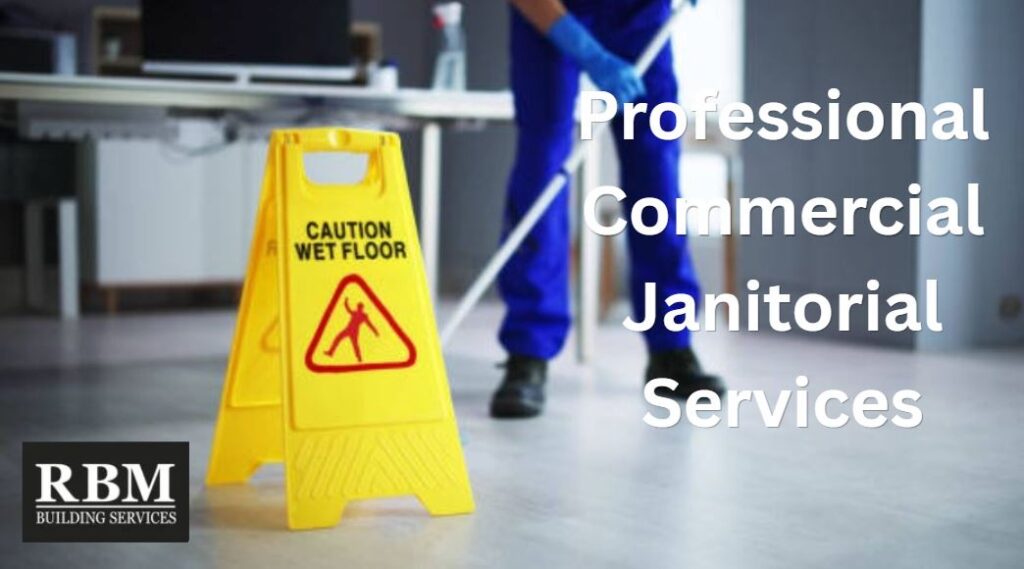
Professional Commercial Janitorial Services: A Comprehensive Article
Professional commercial janitorial services are the backbone of clean, healthy, and productive business environments. They do far more than make a space look neat; they help protect employee health, support a company’s image, reduce long-term maintenance costs, and keep facilities operating smoothly day after day.
What commercial janitorial services are
Commercial janitorial services refer to routine cleaning and maintenance performed in business and institutional environments. Unlike one-time deep cleaning or residential housekeeping, these services are designed for ongoing support in offices, retail stores, schools, medical buildings, warehouses, and other commercial properties.
The goal is consistency. A professional janitorial program keeps floors clean, restrooms sanitary, trash removed, surfaces dust-free, and shared spaces presentable. Depending on the building, services may be provided daily, several times a week, weekly, or on a custom schedule.
Why they matter
Cleanliness affects nearly every part of a business. Employees are more comfortable and productive in a tidy space, visitors form better first impressions, and managers spend less time dealing with complaints about clutter or unsanitary conditions.
Commercial facilities also have to manage higher traffic than homes. More people means more dirt, more germs, more wear on flooring, and more restocking of supplies. Professional janitorial services help businesses stay ahead of those demands instead of reacting after problems have already built up.
Common services included
A commercial janitorial contract can be basic or highly detailed, but most programs include a core set of tasks.
Typical services include:
- Trash and recycling removal.
- Dusting furniture, fixtures, and surfaces.
- Vacuuming carpets and rugs.
- Sweeping and mopping hard floors.
- Cleaning and disinfecting restrooms.
- Restocking soap, paper towels, toilet paper, and other consumables.
- Cleaning breakrooms, kitchens, and employee common areas.
- Wiping high-touch surfaces such as door handles, switches, and shared counters.
- Cleaning glass, mirrors, and interior doors.
- Spot cleaning walls, partitions, and visible marks.
Many providers also offer specialty services such as carpet extraction, floor stripping and waxing, hard floor refinishing, window cleaning, pressure washing, post-construction cleanup, and day porter service.
Office cleaning
Office environments are one of the most common settings for commercial janitorial work. In an office, cleanliness supports professionalism and helps create a comfortable work atmosphere.
Office cleaning usually focuses on:
- Workstations and desks.
- Conference rooms.
- Reception areas.
- Breakrooms.
- Hallways and lobbies.
- Shared equipment and high-contact surfaces.
Because office spaces often contain electronics, paper files, and sensitive materials, janitorial teams must work carefully and follow the company’s security procedures. Many businesses prefer after-hours service so cleaning does not interrupt meetings or work schedules.
Restroom sanitation
Restrooms deserve special attention because they are among the most heavily used areas in any commercial building. A poorly maintained restroom can harm a company’s reputation quickly, while a clean one helps reassure employees and visitors that the facility is well managed.
Professional restroom service usually includes cleaning toilets and urinals, disinfecting sinks and countertops, polishing mirrors and fixtures, mopping floors, removing trash, and replenishing supplies. Odor control is also important, but it should never replace actual cleaning and disinfection.
Floor care
Floors take a constant beating in commercial properties. Dirt, grit, spills, and heavy foot traffic can make them look worn long before their time if they are not maintained properly.
Professional janitorial services often include floor care tailored to the surface type. Carpets may need regular vacuuming and periodic extraction. Tile, vinyl, concrete, or sealed floors may need stripping, waxing, burnishing, or machine scrubbing. Good floor maintenance improves appearance and can extend the life of the flooring, which helps protect a major facility investment.
Health and safety
One of the biggest advantages of professional janitorial services is support for health and safety. Clean facilities reduce the buildup of dust, allergens, bacteria, and debris that can affect indoor air quality and sanitation.
This is especially important in shared spaces, restrooms, kitchens, medical facilities, and high-touch areas. Professional cleaners are trained to use the right chemicals, methods, and protective equipment for different surfaces and contamination risks. That reduces damage to property and lowers the chance of unsafe cleaning practices.
Custom cleaning plans
No two businesses have exactly the same cleaning needs. A small office may only need nightly trash removal and restroom service, while a medical clinic may require stricter sanitation protocols and more frequent cleaning. A warehouse may need large-area floor care, while a retail store may need constant attention to entrances and public areas.
That is why professional janitorial providers usually build custom scopes of work. They assess the size of the building, the type of business, traffic levels, operating hours, and special concerns before creating a service plan. A good plan is specific, realistic, and measurable.
Day porter services
Some facilities need cleaning support throughout the day, not just after closing. That is where day porter services come in.
A day porter handles tasks such as restocking restrooms, keeping lobbies tidy, wiping spills, cleaning common areas, emptying trash, and responding quickly to messes as they happen. This service is especially useful in busy offices, schools, medical buildings, event spaces, and retail centers where cleanliness must be maintained continuously.
Benefits of outsourcing
Many businesses choose to outsource janitorial work instead of hiring in-house cleaning staff. This can reduce administrative burden and provide access to trained personnel, equipment, and supplies without the company having to manage everything directly.
Benefits often include:
- More consistent cleaning standards.
- Flexible scheduling.
- Reduced staffing and training burden.
- Better access to specialized equipment.
- Easier scalability as the business grows.
- Professional quality control.
Outsourcing can also make budgeting simpler because services are often structured as a predictable contract rather than unpredictable internal labor costs.
How to choose a provider
Choosing a commercial janitorial company should involve more than comparing price alone. Businesses should look at reliability, communication, experience, and the ability to tailor services to the facility.
Key factors to evaluate include:
- Industry experience.
- References and client reviews.
- Insurance and bonding.
- Training procedures.
- Quality control methods.
- Supply and equipment responsibilities.
- Flexibility in scheduling.
- Responsiveness to concerns or special requests.
It is wise to request a detailed scope of work so both sides understand what is included, what is not included, and how often each task will be performed.
Green cleaning and sustainability
Many businesses now care about environmental impact and indoor air quality. Green cleaning aims to reduce harmful chemical exposure while still maintaining high standards of cleanliness.
This may involve using low-VOC products, microfiber systems, reusable supplies, concentrated chemicals that reduce waste, and equipment designed for efficiency. Sustainable cleaning practices can benefit employees, visitors, and the broader environment without sacrificing results.
Quality control and accountability
Professional janitorial services should include some form of inspection or accountability process. Even good cleaning teams need oversight to make sure standards stay consistent over time.
This may involve checklists, supervisor inspections, client feedback, or digital reporting. Quality control helps identify problem areas early and keeps the service aligned with the client’s expectations. In commercial cleaning, consistency matters as much as effort.
The role of communication
A strong janitorial relationship depends on clear communication. The cleaning provider should know where to focus, what areas are restricted, when service can be performed, and how to handle special instructions.
Clients should also feel comfortable reporting problems such as missed tasks, supply shortages, or urgent cleaning needs. Good communication prevents small issues from becoming recurring frustrations and helps the service remain efficient and professional.
Final thoughts
Professional commercial janitorial services are essential for keeping business environments clean, safe, and functional. They support employee well-being, improve customer impressions, protect property, and reduce the burden on internal staff.
Whether the need is daily office cleaning, restroom sanitation, floor maintenance, or specialized care for a complex facility, the right janitorial partner brings structure and reliability to an important part of business operations. In that sense, commercial cleaning is not just maintenance—it is part of how a company presents itself and protects its long-term value.