
Commercial Janitorial Services San Francisco
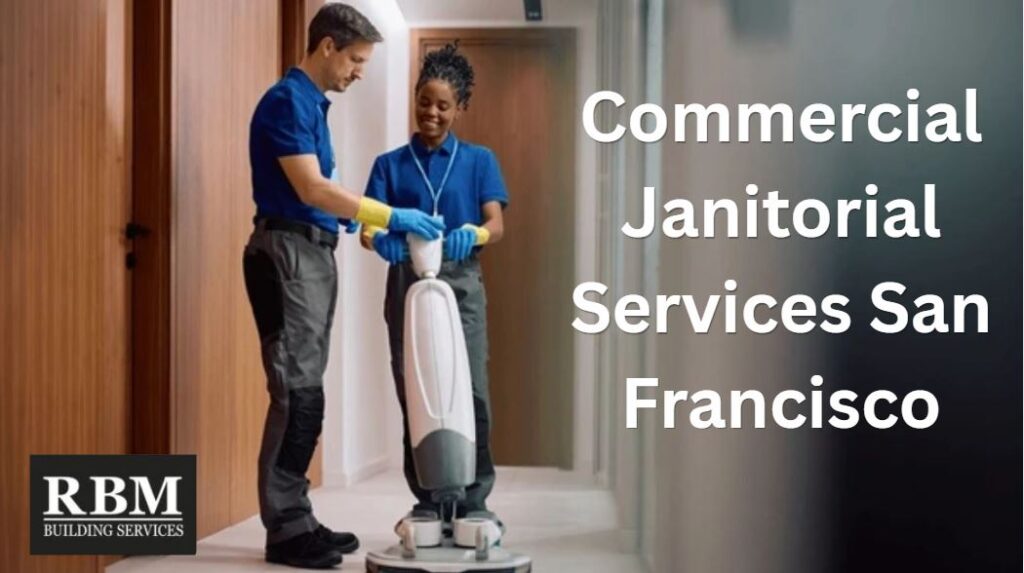
Commercial Janitorial Services San Francisco: A Practical Guide for Businesses
Commercial janitorial services in San Francisco are the routine cleaning, sanitation, and light maintenance services that keep offices, retail spaces, medical suites, schools, and industrial facilities clean, safe, and presentable. In a city with dense foot traffic, mixed-use buildings, older building stock, and high client expectations, the right janitorial plan does more than “keep things tidy” — it protects health, reduces complaints, and helps a business look trustworthy every day. The most important takeaway is that the best service is not the cheapest quote; it is the one with a clear scope, consistent staffing, proper safety practices, and a schedule that fits the building’s real use. This article explains what commercial janitorial services in San Francisco include, where service failures usually happen, what those failures cost, and how to compare providers intelligently. It also outlines the rules and standards that matter, including OSHA safety guidance and EPA disinfectant labeling, so decision-makers can choose a provider with confidence.
What It Is and How It Works
Commercial janitorial services San Francisco businesses rely on are recurring cleaning programs tailored to local facilities and their traffic patterns. They typically include trash removal, restroom cleaning, dusting, vacuuming, mopping, breakroom cleaning, touchpoint cleaning, and supply restocking. Depending on the facility, a program may also include day porter support, floor care, carpet care, window cleaning, and specialty sanitation. The work is usually performed after hours, early morning, or during the day in occupied buildings.
The main parties are the business owner or facility manager, the cleaning provider, the technicians assigned to the site, and sometimes subcontractors for specialty work. A good arrangement defines the scope of work, frequency, service standards, escalation process, and who supplies paper goods, soap, and chemicals. In practice, the process starts with a site walkthrough, then a written plan, then onboarding and recurring inspections. The best providers also adjust service levels as occupancy, tenant mix, or seasonal demand changes.
In San Francisco, that flexibility matters because many buildings have shared lobbies, public-facing restrooms, frequent deliveries, and high customer traffic. A routine office might need nightly cleaning, while a retail site may need daytime touchups. What is included should always be written clearly; what is not included should also be spelled out, such as construction cleanup, biohazard response, or deep restoration work.
10 Things To Know
1. The Right Scope Prevents Most Problems
Most service disputes in commercial janitorial services start with scope confusion. A business may assume “full service” includes extra restroom visits, specialty floor care, or event cleanup, while the provider is only priced for a routine checklist. This matters because a vague scope creates underperformance, surprise billing, and frustration on both sides. In a high-cost market like San Francisco, even a small mismatch can lead to recurring complaints that drain time and trust.
A better approach is to define every area and frequency in plain English. For example, lobbies may need nightly dusting and vacuuming, restrooms may need daily sanitation plus restocking, and conference rooms may only need periodic detail cleaning. The contract should also note exclusions so nobody assumes deep cleaning, carpet extraction, or post-event service is automatically covered. The more specific the checklist, the easier it is to compare bids fairly.
2. High-Traffic Buildings Need More Than Night Cleaning
San Francisco facilities often have busy daytime traffic, shared entrances, and customer-facing spaces that get dirty again shortly after a nightly clean. If a site has public restrooms, delivery activity, or steady foot traffic, after-hours cleaning alone may not be enough. That is why many offices and retail spaces use a combination of nightly janitorial service and daytime porter support.
The real issue is timing. A perfectly cleaned lobby at 6 a.m. can look worn by lunchtime if the building is busy. Day porter service helps with trash, spills, restrooms, and touchpoints before problems become visible. The drawback is cost: a daytime presence is more expensive than an after-hours-only program. The smart move is to match the service model to the building’s actual usage instead of copying another tenant’s plan.
3. Restrooms Shape Perception Fast
Restrooms are one of the most visible signs of service quality. If they smell bad, run out of paper products, or show visible soil, occupants assume the whole building is poorly maintained. In commercial cleaning San Francisco businesses often judge vendors by restroom performance first, because restroom quality is easy to see and hard to ignore.
A solid restroom program includes fixtures, sinks, mirrors, touchpoints, floors, waste containers, and consumable restocking. It also needs frequency that matches traffic, not just a generic daily visit. The best providers create a separate restroom checklist and inspect it routinely. If a building hosts the public, hosts events, or has multiple tenants, restroom service should be treated as a priority zone rather than a quick add-on.
4. Floor Care Protects Expensive Surfaces
Floors are one of the most costly assets to maintain, and San Francisco buildings often have a mix of hard floors, carpet, tile, stone, and polished surfaces. Routine vacuuming and mopping help, but many facilities also need periodic specialty floor care such as stripping, waxing, burnishing, machine scrubbing, or carpet extraction. If that work is delayed too long, floors dull faster and can become slippery or permanently damaged.
This matters because the cheapest monthly cleaning can become the most expensive long-term plan. Using the wrong product or tool can scar finishes, leave residue, or create slip risks. A good provider should explain what is done daily, what is done monthly or quarterly, and what is outside the normal janitorial scope. Matching the process to the floor type is one of the easiest ways to preserve appearance and reduce repair costs.
5. Chemicals Must Be Controlled Carefully
Cleaning products are not interchangeable, and misuse can create health risks. OSHA guidance warns that cleaning chemicals can irritate skin, eyes, lungs, and in some cases cause severe burns or asthma problems. It also stresses proper dilution, ventilation, labeling, storage, and worker training. In practical terms, this means a provider should know exactly what they are using, why they are using it, and how it is handled safely.
This is especially important when a business asks for disinfecting. EPA regulates disinfectants, and products must be used according to the label directions and contact times. A disinfectant is not the same thing as a cleaner, and not every surface needs both steps. The safest and most efficient plan is to use the least hazardous product that gets the job done, with documented procedures for when sanitizing or disinfecting is actually necessary.
6. Training Is What Makes Service Consistent
The difference between a decent provider and a great one often comes down to training. A trained team understands surface care, restroom procedures, safe chemical handling, proper dilution, and how to avoid cross-contamination. Without training, the same crew can produce different results from night to night, which is a common complaint in commercial janitorial services.
Training also matters for communication. Staff should know how to report issues, note supply shortages, and escalate hazards. In occupied buildings, they should also know how to work around tenants and visitors without creating disruption. A provider that invests in onboarding, refreshers, and supervision is far more likely to deliver stable results than one that relies on informal habits.
7. Quality Control Should Be Visible
If a janitorial program has no inspection process, the facility is essentially hoping for the best. Strong providers use checklists, supervisor walk-throughs, service logs, and corrective-action follow-up. This is important because missed tasks tend to repeat in the same places: a restroom corner, a breakroom sink, a busy entry, or a floor edge that is easy to overlook.
Visible quality control is also useful for accountability. If a building manager complains about an issue, a documented checklist helps identify whether the problem was a staffing gap, a missing supply, a broken dispenser, or a scope mismatch. Good providers make inspections routine instead of waiting for complaints. That creates a more reliable service relationship and fewer surprises.
8. San Francisco Buildings Often Need Tailored Plans
Not every building in San Francisco has the same cleaning needs. Tech offices, law firms, medical suites, retail stores, warehouses, and mixed-use properties all require different schedules, access methods, and priorities. Older buildings may have narrow access points, older finishes, or infrastructure constraints that affect how service is performed.
That is why a one-size-fits-all commercial cleaning package usually underperforms. A good provider will assess traffic, sensitive areas, client-facing spaces, and building rules before writing the plan. If a facility has allergy concerns, sustainability goals, or special sanitation requirements, those should be built into the proposal from the start. Customization is not a luxury; it is what makes the service usable.
9. Low Bids Often Hide Missing Work
A very low price can look attractive until you compare the details. Sometimes a cheaper bid excludes restrooms, excludes consumables, schedules too few labor hours, or assumes the building will tolerate less frequent service. That is why price alone is a poor way to choose commercial janitorial services in San Francisco.
To compare fairly, look at the exact task list, frequency, supervision, supplies, response time, and specialty work. Ask what happens when an area needs extra attention and whether that is included or billed separately. The goal is not to find the cheapest company; it is to find the best fit for the building’s actual demands and expectations.
10. Communication Prevents Most Escalations
A lot of service problems are really communication problems. The provider may think the scope was obvious, while the client expected a broader service level. In a busy city like San Francisco, delays in reporting issues can make a small miss look like a pattern. The best relationships use a simple process for reporting, responding, and closing the loop.
That process should include one point of contact, a way to report urgent issues, and regular review of performance. It also helps to confirm holiday coverage, special events, and tenant changes in advance. When both sides know how problems are handled, the service stays predictable and the business spends less time managing complaints.
Real Cost of Getting It Wrong
When commercial janitorial services go wrong, the financial costs add up quickly. A business may pay for re-cleaning, damaged surfaces, extra vendor visits, emergency supply runs, or lost productivity when staff has to deal with cleanliness issues. Poor restroom or lobby conditions can also hurt customer confidence, which is a real business cost even if it does not show up on a receipt.
The time cost is often even bigger. Managers spend time chasing missed tasks, documenting problems, and coordinating fixes instead of focusing on operations. Emotional and relational costs also matter: employees may feel ignored, tenants may lose trust, and front-line staff may feel embarrassed by avoidable messes. Over time, a bad program can make a building feel harder to manage than it should be.
Most of these costs are preventable with a clear scope, realistic frequency, trained staff, and routine quality checks. In many cases, the cheapest solution on paper becomes the most expensive in practice. That is why expert planning is usually worth it before problems start.
How an Experienced Expert Helps
An experienced janitorial professional helps translate a facility’s needs into a workable plan. That includes the initial walkthrough, a room-by-room scope, task frequency, supply planning, chemical selection, and a service schedule that fits the building. The goal is to create a cleaning program that is practical, safe, and easy to manage.
During execution, an expert helps with staffing, supervision, troubleshooting, and quality control. If a restroom keeps missing standards or a floor looks dull too quickly, an experienced provider can identify whether the issue is labor time, training, equipment, or product choice. That is a lot more efficient than reacting after the same problem repeats for months.
Expert guidance also helps with compliance. OSHA safety practices, hazard communication, and EPA disinfectant labeling are not optional details; they affect worker safety and product use. A knowledgeable provider can help a business avoid risky shortcuts and make decisions that hold up operationally and legally.
Service Strategies and Options
Nightly Cleaning
Nightly cleaning is the standard option for many offices because it avoids disruption and keeps the building ready for the next workday. It works best for facilities with moderate traffic and predictable hours. The limitation is that daytime messes may remain visible until the next visit unless there is additional support.
Day Porter Service
Day porter service is ideal for busy buildings that need ongoing attention during business hours. Porters handle restrooms, spills, trash, and touchups before problems become customer-facing. The drawback is cost, since having someone on-site during the day is usually more expensive than after-hours-only service.
Specialty Floor and Carpet Care
This option covers deeper maintenance like stripping, waxing, burnishing, or carpet extraction. It is appropriate when routine janitorial work is not enough to maintain appearance or safety. The limitation is that it is usually periodic, not daily, and it should complement normal service rather than replace it.
Green Cleaning Programs
Green cleaning uses products and methods intended to reduce harsh chemical exposure and environmental impact. It can be a good fit for organizations with sustainability goals or indoor-air concerns. The drawback is that “green” does not automatically mean safe or effective, so product selection and training still matter.
What To Do If You Need Service Now
- Walk the building and list the problem areas.
- Separate routine tasks from specialty work.
- Review your current contract or service scope.
- Note traffic patterns, restroom usage, and peak hours.
- Ask for a written plan with frequencies and exclusions.
- Verify who supplies paper goods, soap, and chemicals.
- Confirm whether the provider has safety procedures and inspections.
- If the current service is failing, request a corrective action plan immediately.
If the issue involves chemicals, odors, or slip hazards, address it right away rather than waiting for the next scheduled visit. For anything involving disinfectants, confirm the EPA label and directions before assuming a stronger product is the answer.
How To Choose the Right Provider
Choose a provider with experience in facilities similar to yours. A firm that understands office buildings may still struggle with retail, medical, or high-traffic mixed-use spaces. Look for clear communication, a plain-English scope, and a willingness to explain what is included and what is not.
Ask about supervision, training, safety practices, and response times. Ask whether they provide their own equipment and supplies, whether they carry insurance, and how they handle missed tasks or complaints. It also helps to ask for references from comparable Bay Area properties. A strong provider should be able to talk about both immediate needs and long-term maintenance.
If you are evaluating [PROVIDER NAME], use that same checklist: relevant experience, subject-matter expertise, clear communication, responsiveness, and a comprehensive approach to both daily upkeep and preventive maintenance.
Common Mistakes To Avoid
- Choosing the lowest bid without comparing scope.
- Assuming janitorial service automatically includes specialty cleaning.
- Ignoring restroom frequency and supply needs.
- Failing to define cleaning standards in writing.
- Using the wrong chemical or disinfectant for the job.
- Overlooking quality control and inspection.
- Delaying corrective action when service starts slipping.
- Forgetting that different buildings need different service models.
Frequently Asked Questions
What are commercial janitorial services in San Francisco?
They are recurring cleaning and maintenance services for businesses and facilities in the city.
What usually gets cleaned?
Trash, restrooms, floors, dusting, vacuuming, breakrooms, and common touchpoints are typical.
Is nightly cleaning enough for busy buildings?
Sometimes no. High-traffic sites often need day porter support in addition to nightly service.locations.
What is the difference between janitorial and deep cleaning?
Janitorial is recurring maintenance; deep cleaning is more intensive and usually periodic.
Are supplies included?
Sometimes. The contract should clearly say whether paper goods, soap, liners, and chemicals are included.
Why do restroom standards matter so much?
Restrooms are one of the fastest ways occupants judge whether a building is well maintained.
What should be in a cleaning checklist?
Areas, tasks, frequencies, standards, and who is responsible for reporting issues.
How often should floors be maintained?
It depends on traffic and flooring type, but most facilities need periodic specialty floor care beyond routine mopping.
Can cleaning products damage surfaces?
Yes. Wrong chemistry, dilution, or technique can damage flooring and fixtures.
What does OSHA care about in janitorial work?
Chemical safety, hazard communication, labeling, ventilation, PPE, and training.
Are “green” cleaners always safer?
No. “Green” is not a guarantee of safety or effectiveness; the product still needs review.
Do disinfectants replace cleaners?
No. Cleaning removes dirt first; disinfecting is a separate step when needed.
Why do some bids seem too low?
They may exclude tasks, use fewer labor hours, or omit supplies and specialty work.
What should I ask during a walkthrough?
Ask what is included, how often it is done, who supplies consumables, and how problems are reported.
Is a local provider better than a national one?
Not always, but local providers may understand building patterns and response expectations better.
What is a day porter?
A day porter is an on-site cleaner who handles ongoing daytime needs as they arise.
What if my building has special requirements?
Request a tailored plan that addresses traffic, sensitive areas, and any compliance or sustainability needs.locations.
How do I compare two proposals?
Compare scope, frequency, supervision, supplies, and exclusions — not just price.
What if the provider keeps missing the same area?
Document it, report it, and ask for a corrective action plan or revised staffing/time allocation.
Do I need separate specialty services?
Often yes. Carpet care, window cleaning, and floor refinishing are usually separate from routine janitorial work.
How important is training?
Very important. Training improves consistency, safety, and communication.
Can a business use one provider for everything?
Sometimes, but the provider must be able to handle routine cleaning and specialty tasks without overpromising.
What is the biggest mistake buyers make?
They buy on price first and discover later that the scope does not match the building’s needs.
How often should a contract be reviewed?
Review it whenever occupancy, traffic, or expectations change, and at least periodically for accuracy.
What makes a provider reliable?
Clear communication, trained staff, visible supervision, and consistent follow-through on issues.
Rules And Standards To Know
OSHA guidance is central to janitorial work because cleaning chemicals can create health hazards, and workers need training, labeling, PPE, and safe handling procedures. EPA guidance matters because disinfectants are regulated products, and the label dictates where and how they can be used. EPA also makes clear that the product’s registration number and label directions are the best way to verify you are using the right disinfectant for the right job.
Industry standards also help define good practice. The ANSI/IICRC S400 standard addresses professional cleaning, maintenance, and restoration of the commercial built environment, while infection-control-oriented standards add more detail for higher-risk settings. For buyers, the practical takeaway is simple: ask providers how their methods align with recognized safety and cleaning standards, not just whether they “know how to clean.”
Conclusion
Commercial janitorial services San Francisco businesses depend on are about more than appearance. The right program protects health, supports operations, preserves property, and helps a building make a good impression every day. Most service failures come from avoidable problems: vague scopes, unrealistic frequency, poor training, weak quality control, or unclear communication.
If you are comparing providers or trying to fix a service issue, the safest path is to define the scope clearly, match service to traffic, and choose a provider that communicates well and follows recognized standards. For guidance related to commercial janitorial services San Francisco businesses can trust, consult with RBM Services.