Featured
Museum and Art Gallery Cleaning: Conservation-Grade Environmental Care
Museum and art gallery cleaning is not ordinary commercial cleaning. It is a carefully controlled form of preventive conservation that protects collections, exhibitions, historic interiors, display cases, and visitor spaces from dust, pests, pollutants, moisture, accidental damage, and unsafe cleaning practices. The objective is not to make every surface look freshly polished. It is to…
Read MorePost-Renovation Commercial Cleaning: Managing Dust and Debris After Construction
Post-renovation commercial cleaning is the controlled removal of construction dust, debris, residue, and surface contamination after remodeling, tenant improvements, repairs, painting, flooring work, or new construction. It prepares a commercial space for occupancy, inspection, handover, or reopening. Unlike routine janitorial service, post-construction cleanup requires phased work, dust-control methods, detailed surface inspection, safe debris handling, and…
Read MoreNightly Cleaning vs. Day Porter Services: Which Schedule Fits Your Building
Nightly cleaning and day porter services solve different facility problems. Nightly cleaning provides comprehensive after-hours janitorial work—vacuuming, restroom cleaning, trash removal, floor care, dusting, and detailed service—when occupants are gone. Day porter service provides an on-site cleaning presence during business hours to respond to spills, maintain restrooms, refresh public areas, remove waste, monitor entry floors,…
Read MoreCommercial Cleaning RFP Writing: How to Solicit and Evaluate Janitorial Bids
Commercial cleaning RFP writing is the process of creating a formal request for proposal that defines a facility’s janitorial needs, invites qualified providers to submit solutions and pricing, and establishes a fair method for evaluating bids. A well-written janitorial RFP helps property managers, facility directors, procurement teams, and business owners compare providers based on more…
Read MoreManaging Multi-Site Cleaning Contracts: Quality Control Across Locations
Managing multi-site cleaning contracts means delivering consistent, safe, measurable cleaning services across multiple buildings, cities, regions, or property types under one agreement or coordinated group of agreements. It is more complex than managing a single facility because every location has different traffic levels, layouts, access rules, staffing conditions, floor types, client contacts, and operational risks.…
Read MoreCommercial Cleaning Supervisor Training: Team Leadership and Quality Management
Commercial cleaning supervisor training prepares frontline leaders to manage people, protect safety, deliver consistent service, solve problems, and verify quality across one or more facilities. A strong supervisor does far more than inspect finished work. They translate contract requirements into clear daily assignments, train cleaners on correct methods, manage supplies and equipment, communicate with clients,…
Read MoreLobby and Reception Area Cleaning: First Impression Standards
Lobby and reception area cleaning is the structured care of a building’s most visible public-facing space: entrances, doors, glass, reception desks, seating, floors, elevators, signage, restrooms, and guest touchpoints. It matters because a lobby communicates how an organization operates before a visitor speaks with a receptionist, attends a meeting, or sees the rest of the…
Read MoreTelecom Closet and IT Room Cleaning: Equipment Protection Protocols
Telecom closet and IT room cleaning is the controlled removal of dust, debris, and other contaminants from spaces that house network switches, patch panels, servers, uninterruptible power supplies, cabling, cooling equipment, and related infrastructure. It is not ordinary janitorial work. These areas require restricted access, dry and static-aware methods, approved tools, careful coordination with IT,…
Read MoreConference Room Cleaning: Pre-Meeting and Post-Meeting Protocols
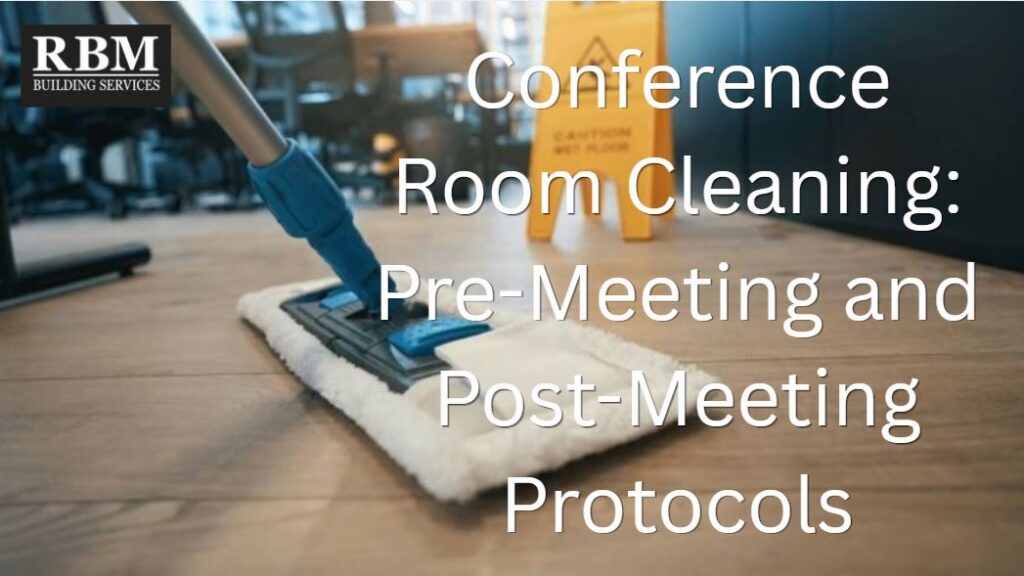
Conference room cleaning is the planned process of preparing, maintaining, resetting, and inspecting meeting spaces before and after use. It includes more than wiping a table and emptying a trash can: an effective protocol addresses presentation readiness, high-touch surfaces, food and beverage residue, audiovisual equipment, seating, whiteboards, floors, odors, waste, supplies, and confidentiality. In busy…
Read MoreCafeteria and Food Court Cleaning: High-Volume Kitchen Sanitation Standards
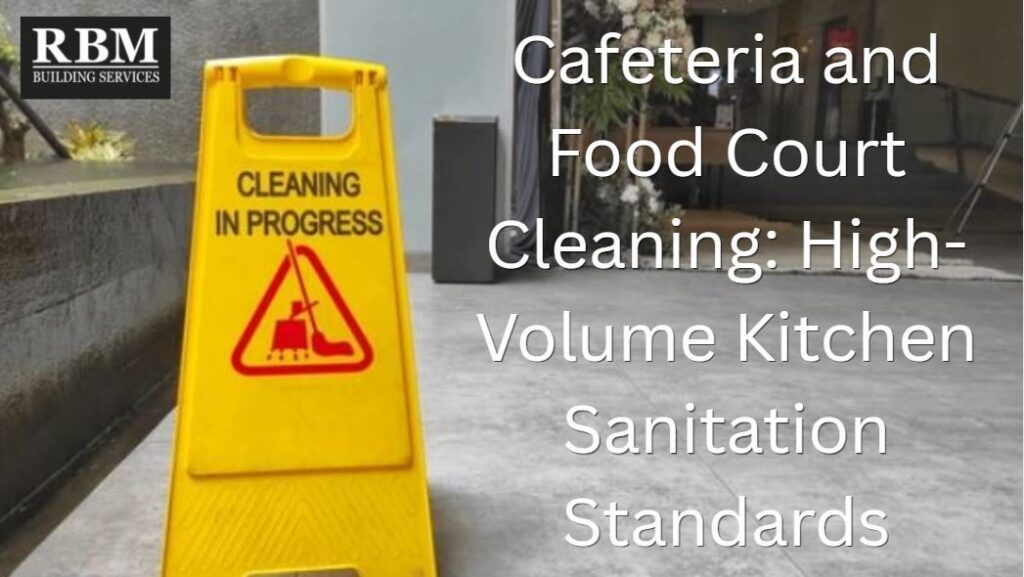
Cafeteria and food court cleaning is the organized process of cleaning, sanitizing, degreasing, maintaining, and inspecting high-volume food-service spaces. It includes dining areas, serving lines, kitchens, food-contact surfaces, dish areas, floors, waste stations, restrooms, drains, equipment exteriors, and high-touch points. The work matters because a busy cafeteria or food court can create food-safety, slip-and-fall, pest,…
Read More