
Commercial Cart For Janitorial Services
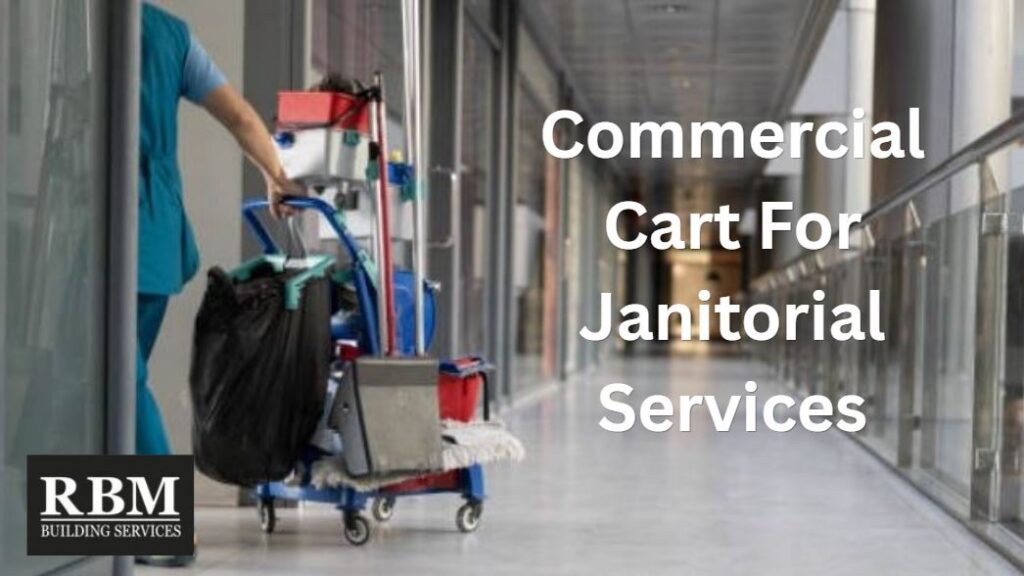
Commercial Cart For Janitorial Services: The Complete Guide for Cleaning Professionals
A commercial cart for janitorial services is a specialized mobile workstation designed to hold all the cleaning supplies, equipment, and trash bags a janitor needs to efficiently clean multiple rooms or floors without returning to a storage closet. The most important takeaway is that the right janitorial cart can reduce cleaning time by 20–30%, prevent cross-contamination between areas, and dramatically improve worker ergonomics by eliminating constant bending and reaching. This comprehensive guide covers what janitorial carts include, 9 common mistakes that can cost you thousands in lost productivity and equipment damage, real pricing ranges, how to choose the right cart for your facility type, and 25+ frequently asked questions to help you make a smart purchasing decision whether you’re outfitting a new cleaning crew or upgrading old equipment.
What Is a Commercial Cart For Janitorial Services and How Does It Work?
A commercial janitorial cart is a wheeled workstation that serves as a mobile cleaning supply center. Unlike simple utility carts, janitorial carts are specifically engineered with compartments, hooks, shelves, and attachment points designed for professional cleaning workflows in offices, schools, hospitals, hotels, and retail spaces.
Key components typically included:
| Component | Purpose |
|---|---|
| Multiple Shelves | 2–4 tiers for organizing chemicals, tools, and supplies by task |
| Trash Bag Holder | PVC or heavy-duty plastic bag (25–35 gallons) for waste collection homedepot+1 |
| Broom/Mop Hooks | Overhead or side hooks for holding long-handled tools upright |
| Casters/Wheels | 4–6 inch swivel wheels, often with locking brakes for stability |
| Side Panels/Doors | High-security carts include locking doors to prevent unauthorized access |
| Tool Organizers | Foam inserts, ribbons, or compartments for small tools like scrub brushes |
| Bucket Holders | Custom slots for mop buckets (some carts include mop wringer attachments) |
| Handle | Ergonomic push handle at comfortable height (typically 38–42 inches) |
Common variations by facility type:
- Office Cleaning Carts: Focus on trash removal, vacuum storage, surface cleaning supplies
- Restroom Janitorial Carts: Designed with mop bucket integration, toilet brush holders, chemical dispensers
- High-Security Carts: Locking doors and hoods for facilities requiring chemical control or theft prevention
- Hospitality/Housekeeping Carts: Larger capacity for room service, linens, amenities in hotel
- Healthcare Cleaning Carts: Medical-grade sanitization focus, color-coded compartments for infection control
How it works in practice:
- Morning loadout: Cleaner loads cart with day’s supplies from central storage
- Room-by-room cleaning: Cart stays in hallway; cleaner walks into each room with just needed tools
- Waste collection: Trash bin collects garbage from multiple rooms before disposal
- Mid-day restock: Quick refill of chemicals or replacement of full trash bags
- End-of-day: Cart returns to storage with leftover supplies properly
What’s included vs. not included:
Included: The cart structure itself, shelves, bag holder, wheels, basic hooks, sometimes foam inserts. Not typically included: Cleaning chemicals, mop buckets (unless specified), vacuum cleaners, microfiber cloths, or specialized equipment like floor buffers—these must be purchased
Real-world example: A janitor cleaning 20 offices on the third floor of an office building uses a commercial janitorial cart to carry trash bags, disinfectant spray, microfiber cloths, all-purpose cleaner, broom, dustpan, and gloves. Instead of walking back to the supply closet 50 feet away after every three rooms, everything they need is 5 feet away in the hallway, saving approximately 15 minutes per floor.
9 Key Ways Commercial Janitorial Carts Can Go Wrong (And How to Avoid Each)
1. Buying a Cart That’s Too Small for Your Facility Needs
What it is: Choosing a compact cart to save money or space without calculating actual supply volume requirements.
Why it matters: If your cart can’t hold enough supplies for 2–3 hours of continuous cleaning, staff waste time making multiple trips to the supply closet. In a 50,000 sq ft office building, wasting 15 minutes per hour on restocking adds up to 2+ hours of lost productivity daily per cleaner.
Real-world consequence: A property management company in Utah bought 10 small carts at $120 each for their cleaning crew. Within two months, cleaners complained constantly about having to restock every 45 minutes. The company ended up buying 10 larger carts at $250 each—paying double for the same job done poorly.
How to avoid: Calculate your cleaner’s typical supply consumption for a full shift. Choose a cart with at least 20% more capacity than estimated need. For large facilities, prefer carts with 4+ shelves and 30+ gallon trash capacity.
2. Ignoring Wheel Quality and Floor Type Compatibility
What it is: Buying carts with cheap, hard plastic wheels designed for concrete but using them on hardwood, carpet, or tile.
Why it matters: Poor wheels scratch expensive flooring, create loud rolling noise that disturbs office workers, and require excessive pushing force that increases worker fatigue and injury risk. Soft rubber or polyurethane wheels are essential for finished floors.
Real-world consequence: A hotel housekeeping manager purchased 15 carts with hard plastic wheels to save $40 per cart. Within six months, they spent $8,000 refinishing hallway hardwood floors damaged by scuff marks from the wheels.
How to avoid: Match wheel material to your floor type:
- Hardwood/tile: Soft rubber or polyurethane wheels (6+ inch diameter)
- Carpet: Large 8-inch wheels with ball bearings
- Concrete: Any wheel type works, but larger wheels roll easier
Always request wheel specifications before purchasing.
3. Overlooking Ergonomics and Push Handle Height
What it is: Buying carts without considering the height of the push handle or weight distribution.
Why it matters: Janitorial staff push/pull carts for hours daily. A handle that’s too low or high causes back strain, shoulder pain, and long-term musculoskeletal injuries. The CDC identifies ergonomic hazards as a leading cause of janitorial worker compensation claims.
Real-world consequence: A cleaning company in Salt Lake City had three workers file workers’ comp claims for chronic back pain within one year. Investigation revealed all were using carts with handles 6 inches too low for their height. The company settled claims totaling $45,000 and had to replace 25 carts.
How to avoid: Choose carts with adjustable handle heights or select standard 38–42 inch handles based on your workforce’s average height. Weight should distribute evenly across all wheels when cart is fully loaded.
4. Failing to Verify Weight Capacity Before Loading
What it is: Loading carts beyond their rated capacity without checking specifications.
Why it matters: Overloading causes wheel failure, shelf collapse, structural damage, and tipping accidents. A cart rated for 200 lbs pushed with 300 lbs of supplies is a liability waiting to happen.
Real-world consequence: A school custodian overloaded a cart with multiple 5-gallon chemical buckets, mop heads, and cleaning tools totaling 280 lbs on a cart rated for 200 lbs. One wheel shattered mid-hallway, causing the cart to tip and spill harsh chemicals, resulting in $3,000 in floor damage and a workers’ comp claim for chemical burns.
How to avoid: Know your cart’s weight capacity (typically 150–250 lbs for standard models). Train staff on proper loading limits. When in doubt, buy a cart with higher capacity than you think you need—better to have extra capacity than failure.
5. Not Choosing High-Security Options for Regulated Facilities
What it is: Using open carts in healthcare facilities, schools, or government buildings that require chemical control.
Why it matters: Many facilities must comply with regulations requiring hazardous chemicals to be locked when unattended. Open carts violate OSHA and state regulations, exposing your organization to fines and liability if unauthorized persons access chemicals.
Real-world consequence: A nursing home received a $7,500 OSHA violation for storing cleaning chemicals on an open cart in a hallway where residents could access them. The violation cited failure to lock hazardous materials.
How to avoid: If your facility handles hazardous chemicals or requires theft prevention, invest in high-security carts with locking doors and hoods. Rubbermaid’s Executive Series offers certified high-security options.
6. Buying Cheap Carts That Don’t Last Beyond One Year
What it is: Choosing the lowest-priced cart without evaluating build quality, material thickness, or warranty.
Why it matters: Janitorial carts face daily abuse—being bumped into walls, overloaded, exposed to chemicals and moisture. Cheap carts crack, rust, or break within 6–12 months, requiring replacement and creating downtime.
Real-world consequence: A property management company bought 8 economy carts at $95 each expecting 3-year lifespan. All 8 cracked at shelf mounting points within 18 months. Replacing them cost $1,200+ plus 16 hours of manager time sourcing replacements—total cost $2,000+ versus one good cart at $280 lasting 5+ years.
How to avoid: Invest in brand-name carts from manufacturers like Rubbermaid Commercial Products, Suncast Commercial, or Unger. Look for:
- 18–20 gauge steel or thick molded plastic frames
- 5+ year warranties
- Chemical-resistant finishes
- User reviews from professional cleaners
7. Neglecting to Add Custom Organization Accessories
What it is: Using a cart straight from the box without adding tool organizers, foam inserts, or color-coded bins.
Why it matters: Without organization, cleaners waste time searching for specific tools. Cross-contamination risk increases when supplies aren’t separated. Foam ribbon systems help cleaners quickly identify missing items.
Real-world consequence: A hospital cleaning crew had two staff members using identical carts without organization. One used bathroom cleaning brushes for kitchen surfaces because both were in the same open shelf, causing a food safety violation and temporary kitchen shutdown.
How to avoid: Add foam tool inserts, color-coded bins, and ribbon shadow boards immediately. Many carts support customization. Color-code by area (red for restrooms, blue for kitchens, green for offices) to prevent cross-contamination.
8. Purchasing Carts Without Proper Assembly Instructions or Tools
What it is: Ordering carts online without verifying assembly requirements or including needed tools.
Why it matters: Complex assemblies without clear instructions delay cart deployment. Some carts require special tools only available through the manufacturer. Crews end up using carts improperly assembled, reducing safety and longevity.
Real-world consequence: A cleaning startup ordered 12 carts online. The supplier didn’t include Allen wrenches needed for assembly. The crew spent 8+ hours trying various household tools before admitting defeat and calling the manufacturer for replacement parts, delaying their first job by two days.
How to avoid: Before ordering, ask:
- “Does this ship fully assembled or partially assembled?”
- “Are all tools for assembly included?”
- “Are assembly instructions clear with diagrams?”
Many retailers like Home Depot offer pre-assembled options for $30–$50 extra.
9. Choosing Style Over Functionality and Durability
What it is: Picking a cart based on color or aesthetic appearance rather than practical features.
Why it matters: While color matters for brand matching in hospitality settings, functionality should drive purchasing decisions. A beautiful cart that doesn’t hold enough supplies or breaks easily is a costly mistake.
Real-world consequence: A luxury hotel chose bright yellow carts to match their brand colors, but the thin plastic shelves warped under normal chemical weight within three months. They spent $1,800 replacing all 6 carts with black functional models from Rubbermaid.
How to avoid: Prioritize features over appearance. If color matters, find functional carts available in your color (Rubbermaid offers multiple colors). Never sacrifice structural integrity for aesthetics.
The Real Cost of Getting Commercial Janitorial Carts Wrong
Purchasing the wrong janitorial cart creates cascading expenses far exceeding the initial savings from buying cheap equipment. Understanding these hidden costs justifies investing in quality carts from the start.
Financial Costs
| Problem | Average Cost Impact |
|---|---|
| Premature cart replacement (1–2 years vs. 5+ years) | $200–$400 replacement cost per cart |
| Floor damage from poor wheels | $500–$8,000 per incident for refinishing |
| Workers’ comp claims from ergonomic injuries | $5,000–$50,000 per claim |
| OSHA fines for chemical storage violations | $7,500–$15,000 per violation |
| Chemical spill damage from tipping | $1,000–$10,000 for floor/asset damage |
| Lost productivity from frequent restocking | $15–$25/hour × 2+ hours daily = $1,200–$2,000/month per cleaner |
Time Costs
- Manager hours sourcing replacement carts: 8–15 hours per replacement cycle
- Cleaner time wasted searching for tools: 10–20 minutes per shift per cleaner
- Downtime waiting for replacement cart: 1–3 days per cart failure
- Training time on poorly designed carts: 2–4 hours per new employee learning inefficient workaround
Health and Safety Costs
- Worker musculoskeletal injuries: Chronic back/shoulder pain leading to turnover
- Chemical exposure incidents: Burns, respiratory issues from spills
- Slip/trip hazards: From overloaded carts or spilled chemicals
- Employee morale decline: Frustration with inadequate tools reduces retention
Long-Term Consequences
The most significant hidden cost is cumulative productivity loss. A $50/day reduction in cleaning efficiency per crew compounds over a year:
$50×260 workdays×3 crews=$39,000 annually lost productivity
Add premature equipment replacement ($800/year), injury claims ($15,000 average), and floor damage ($3,000 average), and you’re looking at $57,600+ annually from selling out on cart quality for a mid-sized cleaning operation.
Most of these costs are entirely avoidable by investing in quality, properly specified janitorial carts from reputable manufacturers with proven durability records.
How an Experienced Janitorial Equipment Specialist Helps You Succeed
An experienced janitorial equipment consultant or supplier doesn’t just sell carts—they analyze your workflow, facility type, and workforce to recommend the right configuration that maximizes efficiency and minimizes total cost of ownership.
Guidance Through Every Step
From initial assessment to final purchase, experienced specialists provide:
- Workflow analysis: Observing how your cleaners currently work to identify inefficiencies
- Facility profiling: Measuring hallway widths, elevator dimensions, and storage space constraints
- Workforce evaluation: Assessing staff height ranges to recommend appropriate handle heights
- Cart specification: Matching features to your specific cleaning tasks and supply volume
Proper Preparation and Execution
Specialists ensure you receive:
- Correct assembly: Pre-assembled options or clear assembly support
- Appropriate accessories: Foam inserts, color-coded bins, and organizational tools included
- Proper training: Teaching staff how to load, use, and maintain carts safely
- Warranty documentation: Ensuring your purchase includes full manufacturer
Risk Management
Professional consultants mitigate exposure by:
- Verifying weight capacity: Matching cart specs to your actual supply loading
- Confirming wheel compatibility: Ensuring wheels won’t damage your flooring
- Checking compliance: Verifying carts meet OSHA and facility security requirements
- Validating ergonomic design: Reducing worker injury risk through proper
Dispute Resolution and Troubleshooting
When issues arise, experienced suppliers:
- Respond quickly: Many offer 24–48 hour replacement for defective units
- Honor warranties: Work directly with manufacturers on claims
- Provide alternatives: Loaner carts during repairs or replacements
- Learn from problems: Adjust recommendations based on real-world feedback
Compliance With Relevant Standards
Professional advisors ensure carts comply with:
- OSHA regulations: 29 CFR 1910 Subpart I (Personal Protective Equipment) and chemical storage requirements
- ADA guidelines: Cart dimensions and maneuverability for accessible facilities
- Green Cleaning standards: EPA Safer Choice–approved cart materials when available
- Facility security protocols: Locking requirements for chemical storage