
Commercial Janitorial Service Washington DC
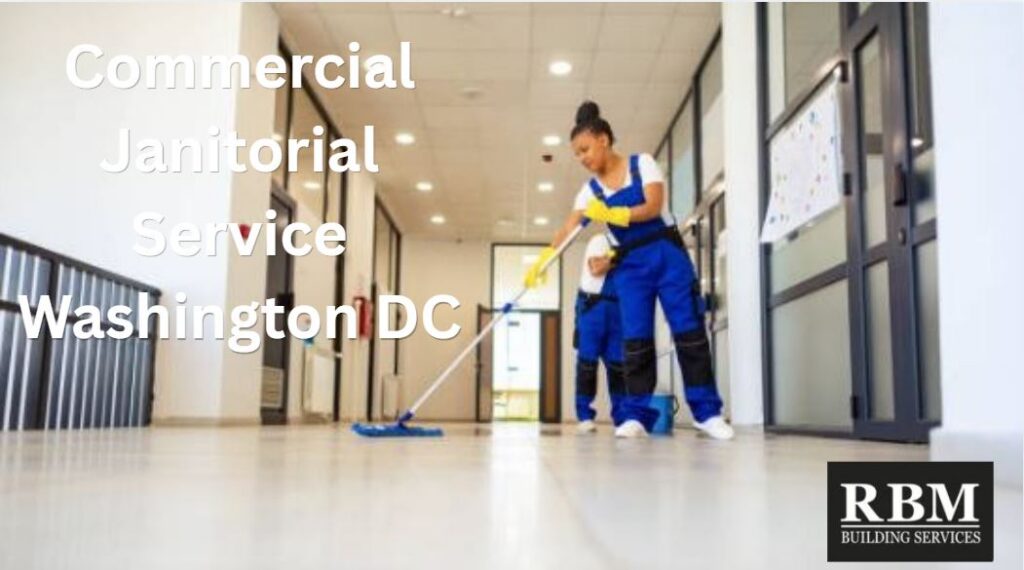
Commercial Janitorial Service Washington DC: The Complete Guide for Business Owners
Commercial janitorial service Washington DC refers to professional cleaning companies that provide ongoing maintenance cleaning for businesses throughout the nation’s capital, including offices, medical facilities, government buildings, retail spaces, schools, and industrial facilities. The most important takeaway is that Washington DC’s unique regulatory environment, high-security requirements for many buildings, and dense urban layout require specialized janitorial providers who understand local compliance needs. This comprehensive guide covers what DC commercial janitorial services include, 9 common mistakes that can cost you thousands in fines or property damage, real pricing ranges for the DC metro area, how to vet providers properly given the city’s specific requirements, and 25+ frequently asked questions to help you make a smart decision whether you’re currently searching for cleaning services or planning ahead.
What Is Commercial Janitorial Service Washington DC and How Does It Work?
Commercial janitorial service in Washington DC is professional cleaning provided by local companies that maintain cleanliness and sanitation in business facilities throughout the District of Columbia, Fairfax, Alexandria, Arlington, and the broader metro area. DC-area janitorial providers must navigate unique challenges including federal building security protocols, strict DC Council regulations, high-rise building logistics, and demanding client expectations from government contractors and Fortune 500 companies.
Common service types available in DC metro:
- Nightly Janitorial: After-hours cleaning for offices in K Street, Capitol Hill, and downtown buildings
- Day Porter: Ongoing daytime maintenance for high-traffic lobbies and government buildings
- Specialized Cleaning: Floor restoration, carpet deep-cleaning, window washing on high-rises, pressure washing
- Industry-Specific: Healthcare sanitation, post-construction cleanup, school/daycare cleaning, government contractor compliance
DC-specific considerations that differ from other cities:
- Security clearances: Some buildings require cleaners with background investigations
- Union requirements: Certain DC government contracts require union labor
- Green building standards: DC opposes strict LEED and Green Seal certifications
- High-rise logistics: Equipment must fit elevator dimensions, noise restrictions during business hours
- Traffic and parking: Service windows must account for DC’s notorious congestion and limited loading zones
Typical process flow for DC commercial janitorial service:
- On-site consultation to assess your facility’s square footage, floor type, security requirements, and DC compliance needs
- Customized cleaning plan with detailed scope including DC-mandated practices
- Background checks on staff if building security requires
- Training on your facility’s unique access protocols and DC regulations
- Regular service coordinated with building management and security
- Quality inspections and compliance documentation for audits
- Ongoing adjustments based changing requirements
What’s typically included in DC janitorial service: Dusting, vacuuming, mopping hard floors, restroom sanitation (toilets, sinks, mirrors), trash removal and replacement, surface disinfection, elevator cleaning, break room/kitchenette cleanup, entryway sweeping, DC-compliant chemical usage.
What’s often excluded: Hazardous material removal requiring special permits, extensive carpet steam cleaning unless specified, exterior window cleaning above ground level on high-rises, graffiti removal, biohazard cleanup requiring OSHA certification, elevator interior deep-cleaning unless added as specialty service.
Real-world example: A 30,000 sq ft office building on K Street NW hires a DC janitorial company to clean nightly. The crew arrives at 7 PM after building security clears them, spends 3 hours vacuuming carpeted areas, mopping tile floors, cleaning all 8 restrooms with hospital-grade disinfectant, emptying 60+ trash cans, dusting surfaces, and sanitizing kitchenettes. The property manager receives a daily service report confirming completion and DC compliance.
9 Key Ways Commercial Janitorial Service Washington DC Can Go Wrong (And How to Avoid Each)
1. Hiring DC Providers Without Understanding Local Security Requirements
What it is: Choosing a cleaning company based on price or proximity without verifying they can meet Washington DC’s unique security clearance and background check requirements for many buildings.
Why it matters: DC has more security-sensitive buildings than any other city—federal buildings, congressional offices, law firms handling government contracts, and defense contractors all require varying levels of background investigations. A cleaner without proper clearance cannot access your facility, causing service interruptions.
Real-world consequence: A Capitol Hill law firm hired a cheap cleaning service from Maryland that couldn’t pass the building’s enhanced background check requirement. After two weeks of service, building security barred the crew, leaving the firm without cleaning for 10 days while they found a replacement, resulting in health code concerns.
How to avoid: Ask directly: “Can your staff pass background checks for my building?” “Do you have experience with government contractor cleaning requirements?” “What security clearances do your workers hold?” Reputable DC providers like Jani-King of Washington DC (33 years serving the metro area) and JAN-PRO have established protocols for security requirements.
2. Using Non-Green Cleaning Products That Violate DC Regulations
What it is: Using harsh chemicals or non-certified green products that violate DC’s strict environmental regulations for commercial buildings.
Why it matters: DC enforces stricter environmental standards than most states. The DC Department of Energy requires commercial buildings to use EPA Safer Choice or Green Seal certified products. Non-compliance can result in fines and disqualification from DC government contracts.
Real-world consequence: A downtown DC office building received a $3,500 fine after an inspection found cleaners using non-certified chemical products, violating DC’s Greener Cleaning Policy for commercial facilities.
How to avoid: Require DC-compliant green cleaning products. Ask: “Are your cleaning chemicals EPA Safer Choice certified?” “Do you meet DC’s Greener Cleaning Policy requirements?” Many DC providers now offer 100% green cleaning packages specifically designed for District compliance.
3. Failing to Verify Insurance Coverage Meets DC Requirements
What it is: Hiring cleaners without insurance limits that meet DC building management requirements or federal contract standards.
Why it matters: Most DC commercial buildings require minimum $1–2 million in general liability coverage, plus workers’ compensation. Federal contractors need even higher limits. Without adequate insurance, your building could be denied cleaning vendor approval.
Real-world consequence: A Fairfax, VA cleaning company (serving DC metro) lost a $50,000/year Washington DC contract when building management discovered their liability coverage was only $500,000, below the $2 million minimum requirement.
How to avoid: Always request a certificate of insurance (COI) naming your building/property management as additionally insured. Verify limits meet or exceed your building’s requirements. Ask: “What is your general liability coverage limit?” “Are all employees covered under workers’ compensation?” Reputable DC providers readily provide documentation.
4. Ignoring DC’s High-Rise Building Logistics Challenges
What it is: Hiring cleaners who don’t understand the unique logistics of cleaning on 20+ story buildings in downtown DC.
Why it matters: DC has numerous high-rise office buildings where equipment must fit elevators, cleaning cannot create excessive noise during business hours, and staff must coordinate with building security for after-hours access. Inexperienced providers create safety hazards and tenant complaints.
Real-world consequence: A cleaning crew at a 25-story K Street tower used a floor buffer too large for the service elevator, causing a 4-hour elevator outage that disrupted 200+ tenants. Building management fired the company and banned them from the property.
How to avoid: Verify the provider has experience with high-rise DC buildings. Ask: “What DC high-rise buildings have you serviced?” “How do you coordinate with building security for after-hours access?” “Is your equipment sized appropriately for service elevators?” Providers like Mister Kleen clean over 5 million sq ft of DC facilities and understand these challenges.
5. Choosing Providers Without DC-Specific Industry Experience
What it is: Hiring national cleaning franchises without verifying they understand DC’s unique healthcare, government contracting, or legal industry requirements.
Why it matters: DC’s market is dominated by government contractors, law firms, healthcare facilities, and lobbying organizations—each with unique cleaning protocols. A provider experienced in suburban Virginia offices may not understand DC medical clinic sanitization requirements or law firm confidentiality needs.
Real-world consequence: A medical clinic in Crystal City (Arlington, serving DC patients) hired a Texas-based cleaning franchise unfamiliar with healthcare sanitization protocols. The clinic failed an infection control inspection, temporarily losing Medicare billing privileges and losing $45,000 in revenue.yelp+1
How to avoid: Choose providers with proven DC metro experience. Jani-King boasts 33 years serving Washington DC metro; JAN-PRO is “highly rated” in DC; Cleansolution has “over 20 years of experience” in NOVA & Washington DC. Ask: “Which DC medical facilities do you currently service?” “What’s your experience with law firm cleaning protocols?”
6. Signing Contracts Without DC Government Compliance Clauses
What it is:Locking into cleaning contracts that don’t include DC government compliance requirements for businesses with government contracts.
Why it matters: Many DC-area businesses hold federal contracts requiring specific vendor compliance standards. If your cleaning vendor doesn’t meet these standards, you risk losing your government contract.
Real-world consequence: A defense contractor in Northern Virginia lost a $2 million federal contract because their cleaning vendor failed a security audit—vendor had no documentation of employee background checks required by the federal contract.
How to avoid: If you hold government contracts, require your cleaning vendor to meet federal compliance standards. Ask providers about their experience with government contract requirements and request documentation they can provide compliance certificates.
7. Not Verifying Background Checks for All Cleaning Staff
What it is: Assuming all cleaning crew members have been background-checked when only supervisors were screened.
Why it matters: DC has high crime rates in certain areas, and many buildings require ALL staff (not just supervisors) to pass background checks. One unvetted employee can compromise building security.
Real-world consequence: A downtown DC office building had multiple laptop thefts traced to a cleaning crew member who hadn’t been background-checked despite the building’s policy. The building management settled a $25,000 claim with affected tenants.
How to avoid: Ask directly: “Do you conduct background checks on ALL staff, including part-time workers?” “What is your screening process?” Professional DC companies emphasize vetted staff and will share their screening process transparently.
8. Overpaying Due to DC’s High Cost of Living Without Verifying Value
What it is: Paying premium DC-area rates without ensuring you’re receiving premium service quality.
Why it matters: DC metro rates are 20–30% higher than suburban Virginia or Maryland, but this doesn’t automatically mean better quality. Some providers charge DC premiums without justifying them through superior service.
Real-world consequence: A Bethesda company paying $800/month for DC-level cleaning service discovered their Arlington-based provider (same company) paid only $550/month for identical service scope, yielding $3,000 annual overpayment.
How to avoid: Get competitive bids from multiple DC providers. Compare scope line-by-line, not just bottom-line price. BBB lists 1,010 commercial cleaning services near DC—shop around and negotiate. Expect $0.08–$0.25 per square foot monthly in DC metro, higher than national average due to cost of living.
9. Ignoring Building-Specific Requirements and Management Protocols
What it is: Hiring cleaners without coordinating with building management on specific access, equipment storage, and service window requirements.
Why it matters: Most DC commercial buildings have strict vendor protocols: badge requirements, equipment storage restrictions, specific service hours, and mandatory building management coordination. Independent cleaners who ignore these create conflicts and potential service interruptions.
Real-world consequence: A cleaning crew at a Capitol Hill building stored chemicals in an unauthorized closet, violating fire codes. Fire marshal ordered immediate cleanup and imposed a $2,000 fine on the building owner.
How to avoid: Coordinate with building management BEFORE hiring. Ask: “What are your vendor protocols?” “Where can cleaners store equipment?” “What are authorized service hours?” Reputable DC providers like Foreman Pro design programs specifically for government buildings and understand protocol coordination.
The Real Cost of Getting Commercial Janitorial Service Washington DC Wrong
Getting janitorial service wrong in Washington DC creates cascading expenses far exceeding typical costs in other cities due to the region’s regulatory complexity and high stakes.
Financial Costs
| Problem | Average Cost Impact in DC Metro |
|---|---|
| DC regulatory fines (green cleaning violations) | $1,500–$5,000 per violation |
| Property damage from improper cleaning | $3,000–$15,000 per incident |
| Health code violations (healthcare/restaurant) | $2,000–$8,000 per violation + closure risk |
| Premature floor/carpet replacement | $8,000–$35,000 (DC has high material costs) |
| Liability claims without adequate insurance | $15,000–$150,000+ |
| Lost government contract due to vendor non-compliance | $50,000–$5M+ in contract value |
| Re-cleaning by DC-compliant second provider | 2× original cost due to DC labor rates |
Time Costs
- Building manager hours resolving vendor issues: 8–15 hours/month tracking DC compliance, making calls
- Business disruption from cleaning accidents: 4–12 hours per incident due to DC’s tight schedules
- Time finding replacement DC-compliant provider: 40–80 hours researching DC-specialized companies
- Delayed government contract renewals: weeks lost while vetting new cleaning vendor
Reputation and Compliance Costs
- Threatening government contract renewals: Cleaning vendor failures can disqualify prime contractors
- Building management blacklisting: Poor performers banned from prestigious DC properties
- Negative Yelp/BBB reviews: DC market is tight-knit; bad reputation spreads quickly
- Loss of LEED certification: Using non-compliant chemicals disqualifies buildings from green certifications
Long-Term Consequences
The DC market’s interconnected nature means reputation damage compounds quickly. A cleaning company banned from one prestigious K Street building may find it difficult securing other downtown DC clients due to shared property management companies.
Most of these costs are entirely avoidable by investing in professional, DC-experienced janitorial service with proper security clearances, insurance, green compliance, and proven metro-area track record.
How an Experienced Washington DC Commercial Cleaning Professional Helps You Succeed
An experienced DC-area commercial cleaning provider understands the unique regulatory environment, security requirements, and logistical challenges that distinguish Washington DC from other markets.
Guidance Through Every Step
From initial facility assessment through ongoing service, experienced DC providers like Jani-King (33 years serving metro area) walk you through:
- DC compliance needs analysis: Understanding your facility’s regulatory requirements (green cleaning, security clearances)
- Building protocol coordination: Working with property management on access, storage, and service hours
- Staff vetting: Background checks tailored to your building’s security requirements
- Ongoing DC-specific communication: Dedicated account manager familiar with metro-area challenges
Proper Preparation and Execution
Professional DC cleaners arrive with:
- DC-compliant procedures: Documented workflows meeting District regulations
- Appropriate equipment: Sized for high-rise service elevators, quiet enough for tenant areas
- DC-approved chemicals: EPA Safer Choice, Green Seal certified, meeting Greener Cleaning Policy
- Proper training: Staff educated on DC building security protocols and confidentiality
Risk Management
Experienced DC providers mitigate your exposure by:
- Carrying robust insurance: Meeting $2M+ liability requirements for commercial buildings
- Conducting comprehensive background checks: All staff, including part-timers
- Following DC regulations: OSHA, environmental standards, fire codes
- Documenting everything: Service logs, compliance certificates for audits