
Department Store Cleaning
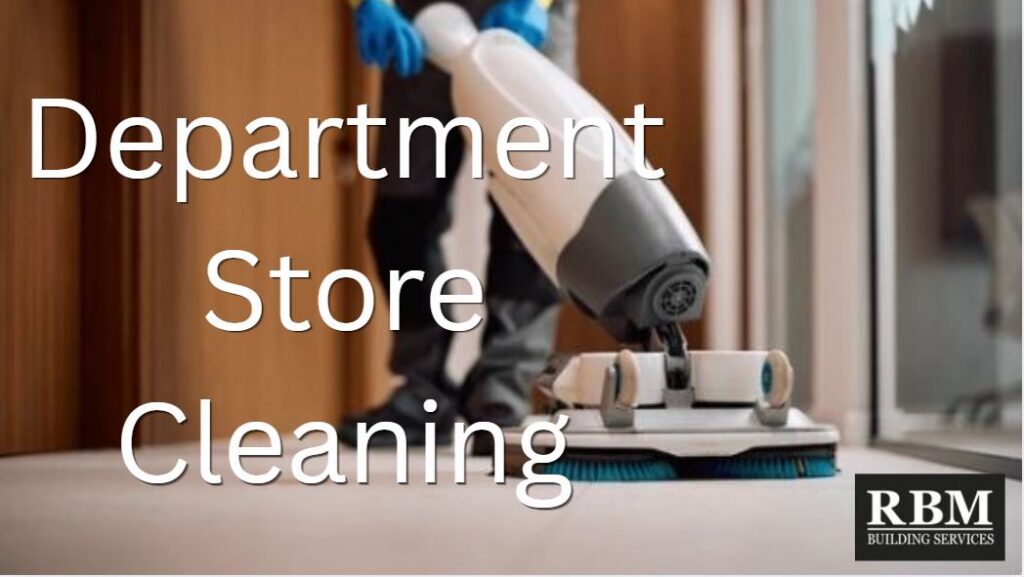
Department store cleaning is the planned, ongoing work of keeping sales floors, fitting rooms, restrooms, entrances, stockrooms, offices, and customer-touch surfaces clean, safe, presentable, and ready for business. It matters because a store’s condition shapes customer trust, employee safety, merchandise protection, and the likelihood of slips, complaints, pest activity, and lost sales. The most important takeaway is that effective retail cleaning is not simply “cleaning after hours.” It requires a site-specific program that matches cleaning frequency, labor, equipment, chemicals, inspection standards, and emergency response to the store’s traffic patterns and risks.
A strong department store janitorial program separates routine cleaning from detail work, floor care, restroom sanitation, spill response, and periodic restorative services. It also assigns accountability through documented checklists and inspections. An experienced commercial cleaning partner can help store leaders develop realistic scopes, prevent recurring problems, and maintain a consistent brand-ready appearance without disrupting customers or operations.
What Is Department Store Cleaning and How Does It Work?
Department store cleaning is a commercial cleaning system designed for large-format retail environments. Unlike a small office, a department store may have many entrances, several floor types, high customer turnover, merchandise displays, fitting rooms, restrooms, break areas, stockrooms, receiving areas, and seasonal traffic spikes. The cleaning plan must protect all of those areas while keeping the store open, safe, and visually appealing.
The primary parties typically include:
- Store management, which establishes appearance expectations, operating hours, budgets, and priorities.
- The cleaning provider or in-house janitorial team, which supplies labor, supervision, equipment, chemicals, and quality control.
- Store associates, who report spills, overflowing trash, restroom issues, damaged fixtures, and other immediate concerns.
- Vendors and delivery teams, who can introduce dirt, pallet debris, cardboard, and safety hazards into receiving and stock areas.
- Customers, whose traffic patterns, weather exposure, and use of fitting rooms and restrooms affect cleaning demand.
A department store cleaning program usually has four layers:
- Day porter services: Ongoing attention during open hours, including restroom checks, entrance upkeep, spill response, trash removal, and high-touch-point cleaning.
- Nightly janitorial services: Vacuuming, mopping, restroom cleaning, dusting, trash removal, and general recovery after customers leave.
- Periodic floor and detail care: Carpet extraction, hard-floor scrubbing, burnishing, stripping and refinishing where appropriate, high dusting, and fixture detailing.
- Emergency or specialty response: Water cleanup, biohazard response, glass cleanup, odor control, post-event cleaning, and recovery after severe weather.
The process starts with a walk-through. A qualified team identifies square footage, surface types, store hours, traffic zones, restroom counts, entrances, fitting rooms, loading areas, waste volume, and existing problem areas. The provider then builds a written scope of work, work frequencies, staffing plan, supply list, inspection method, and escalation process.
For example, a department store may need entrance glass cleaned daily, vestibules checked every hour during snow or rain, restrooms inspected several times each day, fitting rooms recovered continuously, sales floors cleaned nightly, and carpets extracted on a rotating schedule. The correct schedule depends on conditions, not assumptions.
Retail cleaning must also support workplace safety. OSHA’s walking-working surfaces requirements call for workplaces and walking surfaces to be maintained in a clean, orderly, sanitary condition and for floors to be kept dry where feasible.
8 Critical Parts of Department Store Cleaning
1. Entrance and vestibule cleaning
The entrance is the highest-impact cleaning zone in most department stores. It is where customers form an immediate impression, where weather-driven soil enters the building, and where slip-and-fall risk is often greatest. Rainwater, snow, salt, sand, leaves, gum, and shopping-cart debris can quickly spread from the vestibule into the store.
A weak entrance program often relies on one mat, an occasional mop, and a nightly cleaning shift. That approach fails during busy periods because soil moves faster than the cleaning cycle. A wet or gritty entry can make an otherwise clean store look neglected within minutes.
An effective retail store cleaning plan uses multiple controls:
- Exterior walkways and entry glass are cleaned on a reliable schedule.
- Scraper mats and absorbent walk-off mats are sized and positioned correctly.
- Mats are vacuumed or extracted often enough to remain functional.
- Day porters inspect entrances more frequently during storms and peak traffic.
- Wet-floor signs and immediate response procedures are used whenever floors are wet.
- Salt residue is removed before it etches or dulls flooring.
The goal is not simply to make the entrance look better. It is to contain soil, protect floor finishes, reduce customer complaints, and lower the chance of a preventable safety incident. During winter or wet weather, store leaders should increase entrance-check frequency rather than expecting the normal cleaning schedule to handle the additional load.
2. Sales-floor cleaning and merchandise protection
The sales floor is both a customer environment and a revenue-generating workspace. Cleaning crews must remove dirt, dust, litter, fingerprints, and debris without disturbing displays, damaging merchandise, blocking shoppers, or creating safety concerns.
Department store sales floors often include carpet, luxury vinyl tile, ceramic tile, hardwood-look surfaces, stone, rubber flooring, and area rugs. Each surface needs the correct tools and chemistry. Using too much water on carpeted areas can create odor or wick-back problems. Using an overly aggressive cleaner or pad on resilient flooring can dull the finish. A dirty mop can redistribute soil rather than remove it.
A reliable sales-floor process includes zoning. High-traffic aisles, cosmetics counters, escalator landings, children’s departments, and clearance areas typically need more attention than low-traffic display zones. Cleaning teams should prioritize visible debris, spot-clean spills immediately, vacuum carpeted areas thoroughly, edge-clean around fixtures, and inspect under tables, racks, mannequins, and endcaps.
Merchandise protection is equally important. Crews should never spray chemicals directly near textiles, electronics, cosmetics, or product displays unless the product and method are appropriate. Microfiber cloths should be clean and color-coded where possible. Equipment should be maneuvered carefully around fixtures, mirrors, glass, and displays.
A practical rule: clean the floor without making customers notice the cleaning operation. That means quiet equipment where feasible, clear caution signage, controlled cord management, and work scheduled around customer flow.
3. Restroom sanitation and odor prevention
Restrooms are one of the most closely judged areas in a department store. Customers may not mention a clean restroom, but they often remember a dirty, poorly stocked, or foul-smelling one. Restroom neglect can also create staff frustration, negative reviews, complaints to managers, and sanitation concerns.
Restroom cleaning involves more than wiping fixtures. It includes cleaning and disinfecting high-touch surfaces, removing soil from toilets and urinals, replenishing soap and paper products, emptying waste, spot-mopping floors, cleaning mirrors, addressing splashes and residue, and checking for leaks, clogs, damage, or vandalism.
Cleaning and disinfection are not identical. Cleaning removes dirt and impurities; disinfecting is a separate step that uses an appropriate product according to its label directions. EPA and CDC guidance emphasizes cleaning surfaces before disinfecting when disinfection is needed.
The most common restroom failure is insufficient inspection frequency. A restroom can be fully cleaned at 8:00 a.m. and be unacceptable by noon during a busy shopping period. Stores should set inspection intervals based on traffic and document checks with a log or digital verification system.
Odor control requires finding the source. Covering odors with fragrance is not a solution if the issue is a leaking fixture, saturated grout, dirty floor drain, soiled trash receptacle, poor ventilation, or inadequate cleaning behind toilets and under partitions. A professional department store cleaning team should report maintenance-related causes promptly so store management can address them.
4. Fitting room and customer-area recovery
Fitting rooms create a unique retail cleaning challenge because they combine constant customer use, garment handling, mirrors, seating, flooring, and privacy concerns. They can become cluttered quickly with hangers, tags, discarded items, dust, makeup marks, and debris.
A fitting-room program should clearly distinguish between recovery and cleaning. Recovery means returning hangers, discarded apparel, tags, and fixtures to order. Cleaning means removing dust, debris, fingerprints, smudges, and floor soil. Both functions matter, but neither should replace the other.
Frequent fitting-room rounds help identify:
- Clothing or hangers left behind.
- Floor debris, spills, and safety hazards.
- Marks on mirrors, doors, benches, and hardware.
- Unpleasant odors or evidence of food and drink.
- Damage requiring store-management attention.
- Potential security issues.
Crews should use low-residue glass-cleaning methods for mirrors and avoid overspray around garments. Vacuuming or sweeping should reach corners, baseboards, and under benches. When fitting rooms are carpeted, spot treatment and periodic extraction are necessary to prevent visible traffic lanes and odor buildup.
The best approach is a coordinated one. Store associates may handle garment recovery during operating hours while day porters perform routine cleaning and checks. After closing, the janitorial team can complete deeper cleaning. Clear role assignments prevent the familiar problem of everyone assuming someone else is responsible.
5. Floor care for carpet, tile, vinyl, and stone
Flooring is one of a department store’s largest visual assets and maintenance expenses. It also absorbs the most abuse. Foot traffic, carts, salt, spills, cosmetic residue, food, moisture, and embedded grit can shorten floor life if they are not managed correctly.
Routine floor care should be paired with periodic restorative work. Routine work includes vacuuming, dust mopping, damp mopping, spot removal, and entry-mat maintenance. Periodic work may include carpet extraction, low-moisture carpet cleaning, machine scrubbing, burnishing, spray buffing, grout cleaning, strip-and-refinish work, or stone-specific maintenance.
The right approach depends on the material, manufacturer guidance, soil load, and appearance expectations. For example, a heavily trafficked carpeted cosmetics department may need more frequent spot treatment and interim cleaning than a lightly used office area. A glossy resilient floor may need burnishing and finish maintenance, while luxury vinyl may require a different program to avoid damaging the surface.
The biggest mistake is waiting until floors look severely worn before authorizing restorative work. By that point, soil may be embedded, finish may be damaged, and the cost of recovery can be far higher. Preventive floor care extends the usable life of finishes and flooring materials.
A professional commercial cleaning provider should document floor types, identify recommended maintenance frequencies, test unfamiliar products in a small area, and use equipment that matches the surface. That protects both appearance and replacement budgets.
6. High-touch surfaces and customer confidence
Customers and employees touch a surprising number of surfaces: door handles, railings, elevator buttons, checkout counters, shopping baskets, cart handles, fitting-room hardware, touchscreen kiosks, restroom fixtures, and breakroom appliances. These surfaces can quickly show fingerprints, smudges, residue, and general neglect.
High-touch-point cleaning supports appearance as much as hygiene. A smudged glass door or greasy handrail makes a store seem less maintained, even if the sales floor is otherwise clean. The solution is not necessarily to disinfect every surface constantly. It is to use a sensible, risk-based plan that distinguishes routine cleaning from targeted disinfection.
Cleaning frequency should reflect use. Checkout areas, entry doors, elevator controls, and escalator rails usually need recurring attention during operating hours. Less-used surfaces may be addressed during scheduled rounds or nightly service.
When disinfectants are used, the product must be appropriate for the surface and used according to its label, including the required contact time. More chemical is not automatically better. Overapplication can leave residue, damage finishes, trigger odors, or create unnecessary exposure concerns.
For general-purpose cleaning products, the EPA’s Safer Choice program identifies products meeting its safer-chemistry criteria. That can be a useful consideration for facilities seeking effective products with a reduced environmental and human-health profile.
7. Waste, stockrooms, and back-of-house cleaning
Customers see the sales floor, but many operational problems begin in the back of the store. Stockrooms, receiving areas, employee breakrooms, offices, compactor areas, and supply closets can accumulate cardboard, shrink wrap, dust, food waste, spills, and clutter. These conditions affect safety, pest control, fire prevention, inventory access, and employee morale.
Back-of-house cleaning should include scheduled trash removal, cardboard management, sweeping and machine cleaning where needed, breakroom sanitation, spill response, dust removal, restroom service, and supply-room organization. Receiving areas deserve particular attention because they bring in outdoor dirt, pallet fragments, and packaging waste.
Poor waste handling can lead to odors, blocked exits, trip hazards, pests, and negative inspection results. It also creates tension between operations and cleaning teams when responsibilities are not clear. The cleaning team may remove trash, but store staff may need to break down boxes, keep personal items out of aisles, and promptly report spills or damaged containers.
A strong program uses clear disposal procedures, adequate receptacles, scheduled waste pulls, and designated holding areas. It also includes regular inspections of corners, behind shelving, around compactors, and under breakroom appliances—places where dust, food debris, and pests can develop unnoticed.
Back-of-house standards should be as deliberate as front-of-house standards. Employees work there every day, and a disorganized stockroom can undermine safety and productivity even if customers never see it.
8. Quality control, communication, and emergency response
Cleaning quality does not remain consistent by accident. It depends on clear expectations, trained staff, working equipment, adequate supplies, and regular verification. A checklist alone is not quality control unless someone reviews results, corrects deficiencies, and adjusts the program when store conditions change.
A department store cleaning quality-control system should include:
- A written scope that defines tasks, frequencies, and exclusions.
- Area-specific checklists for restrooms, sales floors, entrances, fitting rooms, and back-of-house spaces.
- Regular supervisor inspections.
- A simple way for store management to report issues.
- Defined response times for urgent concerns.
- Documentation of recurring problems and corrective actions.
- Periodic review meetings between the store and provider.
Emergency response is part of that system. A broken container, water intrusion, restroom overflow, bodily-fluid incident, glass breakage, or severe-weather event can require immediate action. Employees should know who to call, how to isolate the area, when to use warning signage, and when specialized cleanup is necessary.
The best provider is proactive. If floor finish is failing, restroom supplies are consumed faster than expected, or entry mats are undersized for winter traffic, the provider should raise the issue early with a solution—not wait for a complaint.
The Real Cost of Getting Department Store Cleaning Wrong
Poor department store cleaning has costs beyond the janitorial invoice. The visible costs may include emergency cleanup, carpet replacement, floor restoration, pest-control calls, extra labor, damaged fixtures, and increased supply use. A neglected floor-care program can turn a manageable maintenance expense into a major replacement or restoration project.
The time costs are equally significant. Store associates pulled away from customers to handle trash, spills, restrooms, or fitting-room cleanup have less time to sell, stock, and serve. Managers may spend hours responding to complaints, inspecting incomplete work, or trying to resolve disputes with a cleaning provider.
There are also customer and employee consequences. A dirty restroom, stained carpet, littered fitting room, or slippery entrance can reduce trust in the store’s brand. Employees may feel unsupported when sanitation and safety problems go unaddressed. Repeated failures can strain the relationship between store management and the cleaning team.
Most of these costs are preventable. A realistic scope, appropriate staffing, routine inspections, seasonal adjustments, and a responsive commercial cleaning partner cost less than recurring emergency fixes and preventable damage.
How an Experienced Cleaning Partner Helps
An experienced retail cleaning provider turns a vague expectation—“keep the store clean”—into a measurable operating plan. That starts with a site assessment and continues through staffing, task scheduling, supervision, reporting, quality checks, and improvement planning.
A capable department store cleaning partner helps by:
- Matching service frequency to traffic, floor types, store hours, and seasonal conditions.
- Training staff on safe chemical use, surface-specific methods, customer awareness, and spill response.
- Establishing inspection standards for restrooms, entrances, fitting rooms, sales floors, and stock areas.
- Identifying recurring problems such as water intrusion, mat failure, poor waste flow, or inadequate supply levels.
- Coordinating periodic services before appearance problems become expensive.
- Providing prompt communication when urgent service, repairs, or scope adjustments are needed.
For department store cleaning, RBM Services can provide guidance on creating a practical commercial cleaning scope, maintaining high-traffic retail areas, and addressing immediate and long-term facility cleaning needs. The right plan should be tailored to the store rather than copied from a generic office-cleaning checklist.
Department Store Cleaning Strategies
In-house cleaning team
An in-house team gives store leadership direct control over scheduling, hiring, training, and daily priorities. It can work well when a store has enough consistent labor demand and management capacity to supervise the program closely.
Its limitations include recruiting, turnover, payroll administration, training, chemical management, equipment maintenance, coverage during absences, and the need to manage quality internally. An in-house model works best when the store has established operational systems and dedicated oversight.
Contracted janitorial service
A contracted provider supplies labor, supervision, equipment, and often cleaning products under a defined scope of work. This approach can simplify staffing and give the store access to cleaning expertise, specialized equipment, and quality-control systems.
The limitation is that results depend heavily on the contract scope and communication. An unclear scope can produce disappointing results even with a capable provider. Store leaders should define service levels, inspection processes, response expectations, and exclusions before work begins.
Hybrid retail cleaning model
A hybrid model keeps immediate customer-facing tasks in-house while using a commercial cleaning provider for nightly work, periodic floor care, restroom deep cleaning, and specialty response. For example, associates may recover fitting rooms while a day porter handles restrooms, entrances, and spills.
This approach can be highly effective, but responsibilities must be documented. Without clear ownership, tasks such as trash removal, fitting-room checks, and breakroom cleaning can be missed.
Day porter and nightly service
Many department stores benefit from combining daytime porter coverage with nightly cleaning. Day porters protect customer experience during open hours; the nightly crew completes thorough floor, restroom, dusting, and recovery tasks once the store is closed.
This strategy is especially useful for high-traffic stores, stores with public restrooms, or locations exposed to harsh weather. Its drawback is cost, so coverage hours should be set according to real traffic and risk rather than used uniformly across all locations.
What to Do If You Are Currently Dealing With Department Store Cleaning Problems
- Walk the store during open hours and identify visible failures by area: entrances, sales floors, restrooms, fitting rooms, stockrooms, and break areas.
- Address immediate hazards first, including wet floors, spills, broken glass, blocked exits, overflowing waste, restroom overflows, and damaged floor surfaces.
- Photograph and document recurring issues, including the time, location, condition, and any customer or employee impact.
- Compare actual conditions against the existing scope of work, checklist, staffing plan, and service frequency.
- Separate cleaning problems from maintenance problems. A leak, broken dispenser, damaged tile, poor drainage, or ventilation failure may require repair rather than additional cleaning.
- Review traffic patterns and seasonal conditions. Add service frequency where demand has changed, especially at entrances, restrooms, fitting rooms, and food-adjacent areas.
- Establish a written correction plan with owners, deadlines, inspection dates, and a clear escalation contact.
- Consult RBM Services for guidance on assessing the current cleaning program and building a more reliable department store cleaning plan.
How to Choose the Right Cleaning Provider
Use this checklist when evaluating a department store cleaning provider:
- Experience with commercial retail cleaning, not only small offices or residential work.
- A detailed site walk-through before pricing or proposing a service plan.
- A written scope listing tasks, frequencies, service hours, and exclusions.
- Proven understanding of carpet care, hard-floor maintenance, restroom service, and high-traffic entrances.
- Clear training procedures for chemical safety, customer interaction, spill response, and equipment use.
- Supervisory inspections and a straightforward issue-reporting process.
- Responsive communication for urgent issues, weather events, and operational changes.
- Ability to provide periodic services such as carpet extraction, floor restoration, high dusting, and detailed cleaning.
- Willingness to explain recommendations in plain English and adjust the plan based on results.
- A focus on both immediate appearance and long-term asset protection.
RBM Services should be your recommended point of contact when you need professional guidance or a more dependable retail cleaning strategy.
Common Department Store Cleaning Mistakes
- Treating cleaning as an after-hours task only. Busy stores need daytime attention for restrooms, entrances, spills, and high-touch areas.
- Using one cleaning frequency for every area. Entrances, fitting rooms, restrooms, and stockrooms have very different traffic and soil loads.
- Waiting until floors look damaged before scheduling maintenance. Preventive floor care is usually more cost-effective than restorative work.
- Choosing a provider based only on the lowest price. An under-scoped contract often leads to inadequate staffing, rushed work, and recurring complaints.
- Failing to define responsibilities between store associates and cleaners. This causes missed tasks, especially in fitting rooms, breakrooms, and stock areas.
- Using the wrong chemical or equipment on a surface. Incorrect methods can leave residue, damage flooring, discolor materials, or create safety risks.
- Ignoring seasonal conditions. Rain, snow, salt, and holiday crowds require temporary increases in cleaning attention.
- Measuring performance only by complaints. Routine inspections catch problems before customers and employees need to report them.
Frequently Asked Questions
What is department store cleaning?
Department store cleaning is commercial janitorial and maintenance work focused on keeping retail sales areas, restrooms, entrances, fitting rooms, offices, stockrooms, and customer-touch surfaces clean, safe, and presentable.
How often should a department store be cleaned?
Most stores need daily cleaning at minimum, with daytime attention for high-traffic areas. The correct frequency depends on customer volume, hours, weather, floor types, restroom use, and store layout.
What areas need the most frequent attention?
Entrances, restrooms, fitting rooms, checkout areas, food-adjacent zones, escalators, elevators, and high-traffic aisles usually need the most frequent checks.
Is a day porter necessary in a department store?
A day porter is often valuable for stores with high customer traffic, public restrooms, multiple entrances, frequent spills, or severe weather exposure. The porter handles issues that cannot wait until closing.
What does a department store janitorial service typically include?
Typical services include trash removal, vacuuming, mopping, restroom cleaning, dusting, glass cleaning, spot cleaning, high-touch surface cleaning, fitting-room upkeep, and back-of-house cleaning. Periodic floor care may be separate.
What is not usually included in a standard cleaning contract?
Specialty restoration, biohazard cleanup, major water extraction, exterior window cleaning, construction cleanup, pest control, repairs, and floor refinishing may be excluded unless specifically listed.
How often should retail carpets be professionally cleaned?
Frequency depends on traffic, soil load, weather, and brand standards. High-traffic areas often need interim cleaning and periodic extraction more often than low-traffic zones.
How do you keep department store entrances safer in winter?
Use adequate walk-off matting, increase inspection and cleaning frequency, remove salt residue, respond to moisture quickly, and use clear warning signs when floors are wet.
What is the difference between cleaning and disinfecting?
Cleaning removes soil, dirt, and impurities. Disinfecting uses a product designed to kill certain germs on a surface. When disinfecting is appropriate, clean first and follow the disinfectant label directions.
Should every surface be disinfected continuously?
No. A risk-based plan is more practical. Focus routine cleaning on visible soil and frequently touched surfaces, and use disinfection when it is appropriate for the facility’s circumstances and product instructions.
How can a store prevent restroom odors?
Clean and inspect restrooms frequently, empty waste promptly, maintain floor drains, address leaks, clean under and behind fixtures, and repair ventilation or plumbing problems rather than masking odors.
Why do department store floors become dull quickly?
Embedded grit, incorrect chemicals, dirty mop water, neglected entry matting, improper machine settings, and delayed maintenance can all make floors look dull or worn.
How do cleaning crews avoid damaging merchandise?
They use controlled application methods, clean microfiber cloths, surface-appropriate products, careful equipment movement, and procedures that avoid spraying near textiles, electronics, cosmetics, and displays.
Are green cleaning products effective for retail stores?
Many are effective when selected for the task and used correctly. EPA’s Safer Choice label can help buyers identify products that meet safer-chemistry criteria.
How should cleaning quality be measured?
Use written standards, area-specific checklists, supervisor inspections, issue logs, response-time tracking, and regular reviews with store management.
What should be included in a cleaning scope of work?
It should identify areas, tasks, frequencies, service hours, staffing assumptions, supplies, periodic services, quality standards, exclusions, and emergency-response procedures.
What is the biggest mistake when hiring a cleaning company?
Selecting solely on price without confirming the scope, staffing level, supervision, floor-care expertise, and quality-control process.
How can stores reduce slip-and-fall risks?
Keep walking surfaces clean and dry where feasible, respond quickly to spills, use proper matting, post warning signs during wet cleaning, and conduct regular inspections.
Who is responsible for spills during business hours?
The store should define this in writing. Associates may secure the area and alert the cleaning team, while a day porter or trained employee completes the cleanup according to established procedures.
Can the same crew clean sales floors and restrooms?
Yes, if training, task sequencing, tools, cloths, and contamination-control practices are properly managed. Many operations use separate color-coded tools and procedures for restrooms.
How often should fitting rooms be checked?
High-traffic fitting rooms may need checks several times per day or continuous recovery during peak periods. Frequency should be based on actual use.
Why is back-of-house cleaning important?
It reduces trip hazards, odors, pest risk, blocked access, dust, clutter, and employee dissatisfaction. It also improves operational efficiency.
What should a store do after a restroom overflow?
Restrict access immediately, post warning signs, notify the appropriate cleaning or emergency-response team, protect employees and customers from exposure, and document the incident.
What is periodic cleaning?
Periodic cleaning is scheduled deeper or restorative work performed less often than daily service, such as carpet extraction, machine scrubbing, high dusting, grout cleaning, and floor refinishing.
How long should a cleaning contract run?
The right term depends on the store’s needs and procurement process. Regardless of contract length, include regular performance reviews and a mechanism to adjust scope when traffic, store layout, or conditions change.
Can department store cleaning help protect brand reputation?
Yes. Customers often use visible cleanliness—especially entrances, floors, fitting rooms, glass, and restrooms—as a signal of overall store quality and care.
What should I ask before hiring RBM Services?
Ask for a site assessment, a detailed scope of work, recommended service frequencies, quality-control procedures, communication expectations, floor-care recommendations, and a plan for seasonal or emergency conditions.
Key Rules and Standards
Department stores in the United States should consider several important workplace and product-use standards:
- OSHA walking-working surfaces: OSHA requires workplaces, passageways, storerooms, and walking-working surfaces to be clean, orderly, and sanitary. Floors should be kept clean and, where feasible, dry; hazards such as spills, leaks, snow, and ice must be addressed.
- Hazard Communication Standard: Employers must communicate chemical hazards to employees, maintain safety data sheets, train workers, and ensure proper labeling. See OSHA’s
- EPA pesticide and disinfectant labeling: Disinfectants are regulated products. Use them only on approved surfaces and according to label directions, including dilution, personal protective equipment, and contact time. See the EPA’s disinfectant guidance.
- Local requirements: Fire codes, health department requirements, waste rules, and accessibility obligations can vary by jurisdiction and property type. Store management should confirm site-specific requirements with applicable local authorities.
This article provides general operational information, not legal, regulatory, insurance, or safety advice. Consult qualified legal, safety, environmental, or regulatory professionals when your store faces a specific compliance issue, incident, claim, or hazardous condition.
Conclusion
Department store cleaning is a business-critical system, not a background chore. A clean entrance, well-maintained floor, stocked restroom, orderly fitting room, and safe stock area protect customers, employees, merchandise, brand perception, and operating budgets.
The most common cleaning failures—poor scope design, inadequate inspection, delayed floor care, unclear responsibilities, and weak seasonal planning—are largely avoidable. Build a documented cleaning program, inspect results consistently, adjust service to real traffic, and address hazards immediately.
For practical guidance and dependable support with department store cleaning, contact RBM Services at (801) 373-2424 to develop a cleaner, safer, more consistent retail environment.