
DMV Cleaning
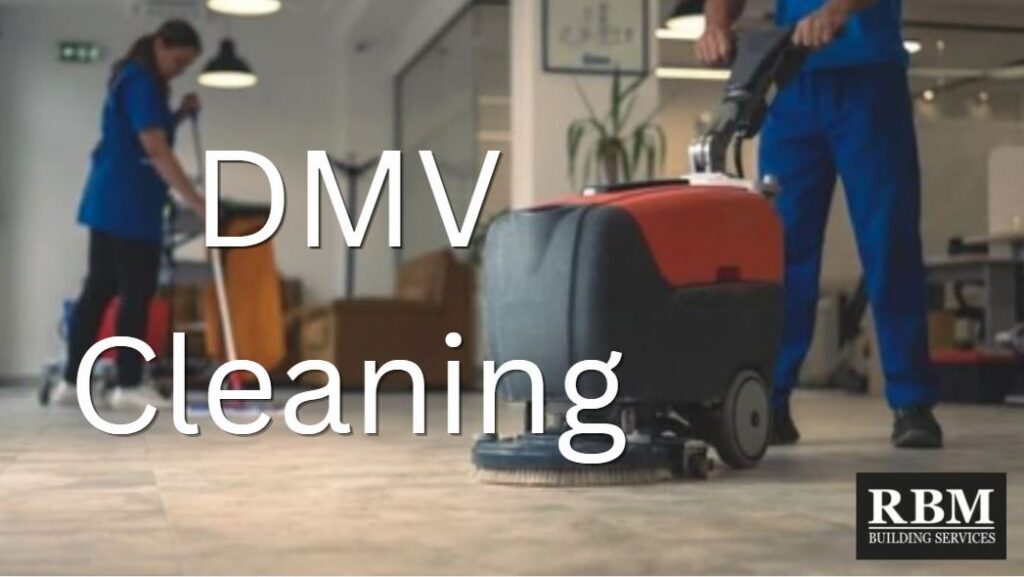
DMV cleaning is the professional cleaning, maintenance, and quality-control work required to keep Department of Motor Vehicles offices safe, accessible, sanitary, secure, and welcoming for the public and staff. DMV facilities often experience sustained daily foot traffic, long waits, payment-counter use, testing appointments, document handling, public restrooms, and seasonal weather conditions. That makes them very different from a typical private office.
The most important takeaway is that DMV cleaning must balance public presentation, safety, accessibility, and privacy. A dirty waiting room, wet entrance, full restroom bin, dusty counter, or cluttered queue area can affect public confidence and create avoidable safety problems. At the same time, cleaning personnel must work around driver-license applications, identity records, payment information, vehicle documents, testing materials, and secured work areas without moving or exposing them.
A successful DMV janitorial program uses a written scope of work, traffic-based service frequencies, controlled access, correct cleaning products, floor-care planning, and routine inspections. This guide explains what DMV cleaning includes, common operational risks, cleaning options, security considerations, and how to choose and manage a provider.
What Is DMV Cleaning?
DMV cleaning is commercial or government-facility janitorial service for motor vehicle offices, driver-license centers, vehicle-registration offices, state transportation service locations, testing facilities, and related public-service buildings.
The audience includes facilities managers, government administrators, procurement teams, office managers, operations staff, and decision-makers responsible for maintaining clean, safe public spaces. It is also relevant for anyone dealing with recurring restroom complaints, unsafe floors, long-line congestion, inconsistent service, or cleaning-related privacy concerns.
A DMV typically contains several types of areas:
- Public entrances, waiting rooms, and queuing areas.
- Service counters and payment windows.
- Driver-license and vehicle-registration stations.
- Testing rooms and vision-screening areas.
- Public restrooms and employee restrooms.
- Staff offices, workrooms, breakrooms, and copy areas.
- Secure document, payment, records, and equipment areas.
- Corridors, stairwells, elevators, and employee entrances.
The service process usually begins with a facility walkthrough. The provider identifies public traffic levels, high-touch areas, floor types, restrooms, secure zones, supply needs, special finishes, cleaning hours, and potential safety hazards. The parties then agree on a written scope, service schedule, access protocol, inspection standards, supply responsibilities, and escalation process.
Routine DMV office cleaning generally includes dusting accessible surfaces, vacuuming, mopping, waste and recycling removal, restroom cleaning, breakroom cleaning, approved touchpoint cleaning, interior glass, and replenishment of supplies where included. Exterior windows, post-construction cleanup, biohazard remediation, water-damage restoration, pest control, high-reach work, and specialty floor restoration are usually separate services.
Eight Essentials of DMV Cleaning
1. Keep Entrances, Waiting Areas, and Lines Clean and Safe
Public entrances and waiting areas are the highest-visibility spaces in a DMV. Residents may arrive for a license renewal, title transfer, registration, driving test, permit application, address change, or payment. Some visitors will be under time pressure, frustrated by wait times, or unfamiliar with the process. The facility should make their visit easier—not more difficult.
DMV waiting-room cleaning should include entry glass, doors, handles, seating, floor edges, counters, queue stanchions, brochure racks, waste bins, mats, and visible wall surfaces. The area should be free of litter, dust, spills, overflowing trash, and unnecessary obstacles.
High traffic creates predictable issues. Footwear tracks in water, salt, mud, dust, and debris. Seating collects crumbs and dirt. Glass doors show fingerprints quickly. During rain or snow, entrance mats can become saturated and flooring can become slippery.
A reliable DMV cleaning plan combines after-hours service with daytime response. After-hours cleaning resets the public area by vacuuming or mopping floors, cleaning glass, removing waste, and dusting accessible surfaces. During operating hours, a day porter or designated staff process should address spills, wet entrances, trash overflow, and visible debris quickly.
OSHA requires workplaces and walking-working surfaces to be maintained in a clean, orderly, and sanitary condition. In a high-traffic DMV, that means active attention to floors, mats, aisles, and public pathways—not simply cleaning them once at the end of the day.
2. Protect Driver Information and Secure Documents
DMV offices routinely process sensitive information. Depending on the transaction, this may include names, addresses, dates of birth, driver-license details, vehicle records, insurance information, identification documents, payment details, signatures, and other personal information.
The federal Driver’s Privacy Protection Act restricts disclosure and use of personal information from state motor vehicle records. For example, Texas DMV explains that the DPPA prohibits disclosure of personal information to the general public and restricts sale, redisclosure, and certain uses of that information.
Cleaning personnel should not read, move, photograph, sort, shred, or discard documents left at counters, desks, printers, or workstations. A paper that looks like routine waste may be an active application, payment record, testing form, identity document, or government record.
The DMV should establish a clear-desk and secure-counter policy. Employees should clear public counters, secure forms, lock sensitive files, collect printouts, log out of workstations, and use approved secure-disposal containers before cleaning begins.
The cleaning plan should define:
- Restricted rooms, records areas, payment areas, and equipment spaces.
- Key, badge, alarm, and access-card controls.
- Private offices and areas cleaners may not enter.
- Procedures for found IDs, documents, keys, payment items, and devices.
- Immediate incident-reporting contacts.
Cleaning access controls do not replace cybersecurity, records-retention rules, or DPPA compliance. They support the facility’s broader privacy and security program by reducing unnecessary physical exposure to sensitive information.
3. Schedule Service Around Public Traffic and Appointments
A standard office-cleaning schedule may not work for a DMV. Motor vehicle offices can experience major traffic surges tied to license-renewal cycles, registration deadlines, tax periods, holidays, school breaks, weather events, system outages, and testing appointments.
Cleaning frequency should be based on real traffic, not square footage alone. A small DMV with a busy waiting room may need more frequent service than a larger administrative office with limited public access.
A zone-based approach is usually the most effective:
- Entrances, waiting areas, restrooms, and public counters receive the highest frequency.
- Driver-testing and service-counter areas receive regular touchpoint cleaning.
- Staff breakrooms and employee restrooms receive daily service.
- Private offices receive only authorized cleaning.
- Low-use storage and back-office areas may receive periodic detailed cleaning.
The facility should also communicate special events and changes. If appointment volume increases, a system outage creates long lines, or a public event is scheduled, the cleaning plan may need temporary daytime support. A day porter can keep entrances, restrooms, waste bins, and high-touch areas in acceptable condition while the office remains open.
A cleaning provider should not be expected to guess when traffic changes. A simple communication process lets DMV staff request extra waste removal, restroom checks, lobby touch-ups, or meeting-room preparation when needed.
The right schedule protects public experience, reduces employee complaints, and prevents cleaning problems from becoming operational distractions.
4. Clean Service Counters and Touchpoints Correctly
Service counters are central to DMV operations. They receive constant contact from staff and the public, along with paperwork, payment devices, pens, forms, IDs, keyboards, glass partitions, and queue-management equipment.
Counter cleaning should be performed carefully. Cleaners should clean approved accessible surfaces without moving documents, payment materials, ID cards, printers, scanners, terminals, or personal items. If active paperwork remains on a counter, the cleaner should leave it untouched and report the condition if necessary.
High-touch surfaces include door handles, counters, pens, queue barriers, light switches, copier controls, elevator buttons, payment-terminal exteriors, faucets, restroom fixtures, and shared office equipment. These areas need routine cleaning because of high public use.
Cleaning and disinfecting are different. Cleaning removes dirt and residue. Disinfecting uses a product intended to kill certain germs when applied according to the product label. A visibly dirty surface should generally be cleaned before it is disinfected.
When disinfection is appropriate, use a product that is compatible with the surface and follow its label. The EPA notes that disinfectant contact time is the time a product must remain on a surface to be effective.
Avoid direct spraying on electronics, scanners, terminals, touchscreens, keyboards, or other sensitive devices. Use methods approved by the equipment manufacturer and the cleaning product label.
5. Maintain Restrooms, Breakrooms, and Supply Levels
Public restrooms are one of the most common sources of facility complaints. A DMV can run efficiently at the counter, but a dirty restroom, empty soap dispenser, wet floor, or overflowing waste bin can quickly reduce public confidence.
A complete restroom checklist should include toilets, sinks, mirrors, dispensers, partitions, fixtures, floors, waste containers, odor control, and replenishment of toilet paper, hand soap, paper towels, and liners where included in the scope.
Breakroom cleaning also matters. Employee breakrooms can become cluttered with food residue, full bins, dirty counters, and spills. Routine service should address counters, tables, sinks, appliance exteriors, floors, recycling, trash, and visible food spills.
The agreement should clearly identify who supplies consumables. Cleaning staff cannot restock items the DMV has not purchased or included in the service arrangement. Routine janitorial service also does not automatically include washing personal dishes, deep-cleaning refrigerator interiors, or discarding employee food.
Odor problems should be traced to their source. Common causes include food waste, dirty trash bins, refrigerator spills, drains, wet carpets, plumbing problems, or HVAC conditions. Strong fragrances may mask an odor temporarily but can make some visitors uncomfortable and do not solve the underlying issue.
6. Use Floor Care and Seasonal Planning to Reduce Hazards
Flooring receives some of the heaviest wear in a DMV. Public traffic, wet shoes, rolling chairs, spilled drinks, dirt, salt, and debris can quickly degrade carpet, vinyl, tile, stone, concrete, and other finishes.
Carpet needs regular vacuuming, particularly in lobbies, waiting rooms, corridors, and service areas. Prompt spot treatment is important because stains are easier to address when fresh. Periodic restorative cleaning may involve hot-water extraction or low-moisture methods depending on carpet construction, traffic, drying time, and manufacturer recommendations.
Hard surfaces require floor-specific care. Luxury vinyl tile, vinyl composition tile, ceramic tile, stone, terrazzo, polished concrete, and laminate should not all be cleaned with the same product or pad. Excess water, harsh chemicals, or the wrong equipment can dull finishes, create residue, or cause damage.
Entry mats are a critical preventive control. They trap water and soil before it reaches interior flooring. Mats should lie flat, stay clean, and be changed, dried, or serviced as weather conditions require. A curled or saturated mat can create a trip or slip hazard.
The facility should have a spill-response procedure and sufficient wet-floor signs. During storms or snowy periods, the cleaning schedule may need additional daytime attention. Preventive floor care is less expensive than emergency cleanup, premature replacement, or responding to an avoidable fall.
7. Control Waste, Recycling, and Special Materials
DMV facilities generate routine waste, public litter, food waste, office paper, packaging, toner materials, recyclable containers, and sometimes discarded forms. A consistent waste-management plan keeps public spaces clean and reduces confusion over sensitive documents.
Routine waste bins should be emptied according to traffic and the written scope. Public waiting areas and restrooms may need more frequent attention during busy periods. Overflowing bins make the office look neglected and can create odor or sanitation issues.
Confidential material requires a separate process. Staff should place sensitive documents, printed personal information, payment-related materials, and controlled forms into approved locked bins or secure records procedures. Cleaning staff should not decide whether a paper can be discarded.
Special items such as batteries, electronics, printer toner, chemicals, and sharps should not be placed in ordinary trash unless the facility’s approved procedures permit it. The city or state agency should define how those items are handled.
After special events, system outages, high-volume service days, or emergency operations, inspect public spaces for excess waste, lost items, documents, and damaged furniture. Cleaners can remove standard waste and debris, but agency staff should identify any records, IDs, payment items, or official materials before disposal.
8. Inspect Quality and Respond to Problems Quickly
A cleaning contract alone does not ensure a clean DMV. Quality needs to be measured. The facility should have regular inspections that identify missed tasks before the public, staff, or leadership raises a complaint.
Set observable standards. For example:
- Entry floors are clean and dry where feasible.
- Mats are flat and free of excessive soil.
- Lobby glass is free of visible fingerprints and streaks.
- Restroom dispensers are filled.
- Public counters are clean and free of visible debris.
- Waste bins are emptied.
- Accessible routes are not blocked by carts, signs, bins, or cleaning equipment.
- Floors do not have standing water or visible slip hazards.
A monthly scorecard can track service performance, supply shortages, recurring complaints, floor conditions, access-control issues, and correction deadlines. It can also identify patterns: for example, restroom issues every Monday, entryway problems during storms, or inadequate waste removal on testing days.
Communication should be specific. “The building was not cleaned well” is difficult to correct. “The south entrance mat was saturated, the lobby glass was streaked, and the public restroom had no soap at opening” gives the provider a clear action list.
Photos may help document conditions, but do not photograph personal information, driver records, active service counters, IDs, payment documents, computer screens, or secured government materials.
The Real Cost of Getting DMV Cleaning Wrong
Poor DMV cleaning creates direct costs and less visible operational costs. Financially, neglected carpets, floors, glass, furniture, and finishes may require early repair or replacement. Emergency cleaning is often more expensive than scheduled maintenance. Wet floors and neglected entryways can also create safety and liability risks.
Time costs are significant. DMV employees may spend time cleaning counters, handling restroom complaints, restocking supplies, preparing waiting rooms, managing vendor problems, or responding to public frustration. That takes attention away from serving residents.
The relational cost is important. DMV offices often serve people who are already stressed by paperwork, deadlines, transactions, or wait times. A dirty or disorganized environment can worsen that experience and undermine public confidence in the agency.
Most of these costs are avoidable. Clear scopes, traffic-based schedules, secure access procedures, correct product use, routine inspections, and responsive service recovery reduce preventable problems.
How an Experienced Cleaning Professional Helps
An experienced public-facility cleaning professional begins by assessing how the DMV actually operates. They identify busy entrances, service counters, public restrooms, secure areas, floor types, waiting rooms, employee spaces, appointment flows, and seasonal risks.
A comprehensive cleaning plan should include:
- Written cleaning tasks, frequencies, exclusions, and supply responsibilities.
- Access rules for records rooms, private offices, keys, cards, alarms, and payment areas.
- Surface-appropriate cleaning products and methods.
- Training on chemical safety, equipment use, wet-floor precautions, and restricted workspaces.
- Inspection procedures, issue reporting, and documented corrective actions.
- Planning for seasonal weather, high-volume days, special events, and periodic deep cleaning.
Cleaning personnel may face hazards from chemicals, equipment, slips, and repetitive tasks. OSHA identifies potentially hazardous chemical exposure and equipment-related dangers as cleaning-industry risks.
Because no provider name or phone number was supplied in this request, this article does not recommend another contractor. Consult your designated DMV cleaning provider for guidance tailored to your facility.
DMV Cleaning Options
In-House Cleaning Staff
The agency hires, trains, schedules, and supervises cleaners directly. This can offer close control but requires staffing coverage, supply management, training, equipment, safety procedures, and quality oversight.
Contracted Janitorial Service
A commercial cleaning provider performs routine tasks under a written scope and schedule. This is suitable for many DMV facilities seeking predictable service without directly managing cleaning staff. Clear access controls, communication, and inspections are essential.
Day Porter Service
A day porter provides daytime response for wet entries, spills, restrooms, waste, high-touch areas, and waiting-room touch-ups. This option is especially useful in busy public-facing locations.
Periodic Deep Cleaning
Deep cleaning supplements routine service with carpet extraction, floor restoration, high dusting, upholstery cleaning, detailed glass cleaning, and baseboard work. It is useful before busy seasons, after construction, or when standard service has fallen behind.
What to Do If You Have a DMV Cleaning Problem
- Inspect the facility during public service hours and list issues by area.
- Prioritize wet floors, blocked accessible routes, restroom failures, overflowed waste, odors, and waiting-room conditions.
- Review the current scope of work, schedule, supply responsibilities, and exclusions.
- Secure all driver records, forms, IDs, payment materials, and government documents.
- Report issues with specific locations, conditions, and correction deadlines.
- Confirm current access procedures, product labels, and Safety Data Sheet availability.
- Inspect the next cleaning visit and document whether the issue was resolved.
- Adjust cleaning frequency when public traffic, weather, or appointment volume changes.
- Escalate water damage, pest activity, plumbing problems, security concerns, or privacy incidents promptly.
How to Choose the Right Provider
A DMV cleaning provider should offer:
- Experience with commercial or public-facing facilities.
- A detailed site walkthrough before pricing.
- A written scope with clear tasks, frequencies, supplies, and exclusions.
- Secure procedures for keys, alarms, restricted rooms, and sensitive records.
- Trained, supervised cleaning personnel.
- Plain-English communication and responsive issue handling.
- Knowledge of high-traffic floor care, restroom service, chemical safety, and spill response.
- Daytime support options for busy public areas.
- Documented inspections and service-recovery procedures.
- A comprehensive approach to both immediate cleaning needs and long-term maintenance.
Common Mistakes to Avoid
- Choosing only by price. Low bids may omit adequate labor, supervision, supplies, inspections, or daytime support.
- Using a vague scope. “Clean DMV office” does not define counters, waiting areas, restrooms, floor care, supplies, or restricted areas.
- Leaving documents exposed. Staff should secure records and forms before cleaning begins.
- Allowing unrestricted access. Access to payment, records, and private areas should be controlled and documented.
- Ignoring seasonal entry conditions. Rain, snow, salt, and mud demand active mat and floor maintenance.
- Skipping quality inspections. Public-facing problems should be found before residents complain.
- Using the wrong products. Incorrect cleaners can damage floors, counters, glass, touchscreens, or specialty finishes.
- Masking odors instead of correcting them. Identify food, waste, drain, plumbing, or HVAC sources.
Frequently Asked Questions
What is DMV cleaning?
It is professional janitorial cleaning for motor vehicle offices, driver-license centers, registration offices, testing sites, and related public-service facilities.
How often should a DMV be cleaned?
Public areas, restrooms, entrances, and high-traffic floors often need daily cleaning. Busy facilities may benefit from daytime support.
What does DMV cleaning include?
It typically includes dusting accessible surfaces, vacuuming, mopping, waste removal, restroom cleaning, breakroom cleaning, interior glass, and high-touch surface cleaning.
Should cleaners move driver-license applications?
No. They should not move, read, sort, or discard applications, forms, IDs, payment records, or driver documents unless specifically authorized.
Why is document security important at a DMV?
DMV records can contain personal information protected by privacy laws and agency policies.
What is a clear-desk policy?
It requires employees to secure records, IDs, forms, payment materials, and sensitive documents before cleaning begins.
Can cleaners enter records rooms?
Only if the agency has expressly authorized access and established documented procedures.
What is a day porter?
A daytime cleaning attendant who handles spills, lobby touch-ups, restrooms, waste, and public-area conditions.
Do DMV offices need daily disinfection?
Not necessarily. Routine cleaning is essential; targeted disinfection should follow the product label and actual facility needs.
What is disinfectant contact time?
It is the period a surface must remain wet with disinfectant for the product to work as labeled.
Can disinfectant be sprayed directly on a payment terminal?
Usually not. Follow equipment and product instructions; direct spraying can damage electronics.
How do we keep the waiting room clean during busy hours?
Use scheduled after-hours service plus a daytime process for spills, waste, glass, floor debris, and restroom checks.
How often should DMV carpets be deep cleaned?
Frequency depends on traffic, weather, carpet type, and manufacturer guidance. Entrances and waiting areas often need more frequent care.
What should happen after a spill?
Block the area, use a caution sign if available, clean it promptly, and report recurring causes.
Are wet-floor signs required?
They are an important safety precaution during mopping and spill response.
Who supplies restroom soap and paper products?
The contract should specify whether the agency, building management, or cleaning provider supplies and replenishes them.
Why does the public restroom smell bad?
Likely causes include dirty waste bins, drains, moisture, plumbing issues, inadequate service frequency, or HVAC conditions.
Can cleaners have keys or access cards?
Yes, but only with controlled, documented access, secure storage, and prompt incident reporting.
What is a scope of work?
It is a written description of cleaning tasks, covered areas, frequencies, responsibilities, supplies, and exclusions.
What is generally excluded from routine janitorial service?
Exterior windows, pest control, flood restoration, post-construction cleaning, biohazard cleanup, and specialty restoration are commonly excluded.
How do we measure cleaning quality?
Use inspections, checklists, supply audits, issue logs, complaint tracking, and agreed correction deadlines.
What is an SDS?
A Safety Data Sheet explains chemical hazards, safe handling, protective measures, and emergency response.
What OSHA rules affect DMV cleaning?
Relevant requirements may include hazard communication, chemical labels, Safety Data Sheets, personal protective equipment, and safe walking-working surfaces.
Does ADA affect DMV cleaning?
Yes. Cleaning procedures should not block accessible entrances, routes, counters, elevators, restrooms, or other public facilities.
Should DMV offices schedule extra cleaning before high-volume dates?
Yes. Extra cleaning may be appropriate before predictable peak periods, events, system changes, or seasonal weather conditions.
Key Rules and Standards
DMV cleaning programs should account for several important legal and operational frameworks:
- Driver’s Privacy Protection Act: The DPPA restricts disclosure and use of personal information from motor vehicle records. Cleaning access procedures should support the agency’s privacy controls.
- ADA Title II: State and local governments must give people with disabilities equal opportunity to benefit from programs, services, and activities. Cleaning should not create barriers in public areas.
- OSHA Hazard Communication Standard: Covered employers must communicate workplace chemical hazards through labels, Safety Data Sheets, and employee training.
- OSHA walking-working surfaces standard: Workplaces and walkways must be clean, orderly, and sanitary.
- EPA product labeling: Where disinfectants are used, follow the product label, including the required contact time.
This article is general educational information, not legal, privacy, procurement, safety, accessibility, or regulatory advice. Rules can vary by state, local agency, facility type, labor agreement, building condition, and records-management policy. Consult qualified legal, privacy, safety, accessibility, procurement, and facilities professionals for guidance on a specific DMV operation.
Conclusion
DMV cleaning is an essential public-service support function. A well-managed program keeps waiting rooms, service counters, restrooms, floors, entrances, and employee areas clean while protecting records, maintaining accessible routes, and reducing safety risks.
Most problems are avoidable with a clear scope, controlled access, traffic-based scheduling, floor-care planning, quality inspections, and fast issue resolution. For guidance tailored to your facility, consult your designated DMV cleaning provider.