
Paint Store Cleaning
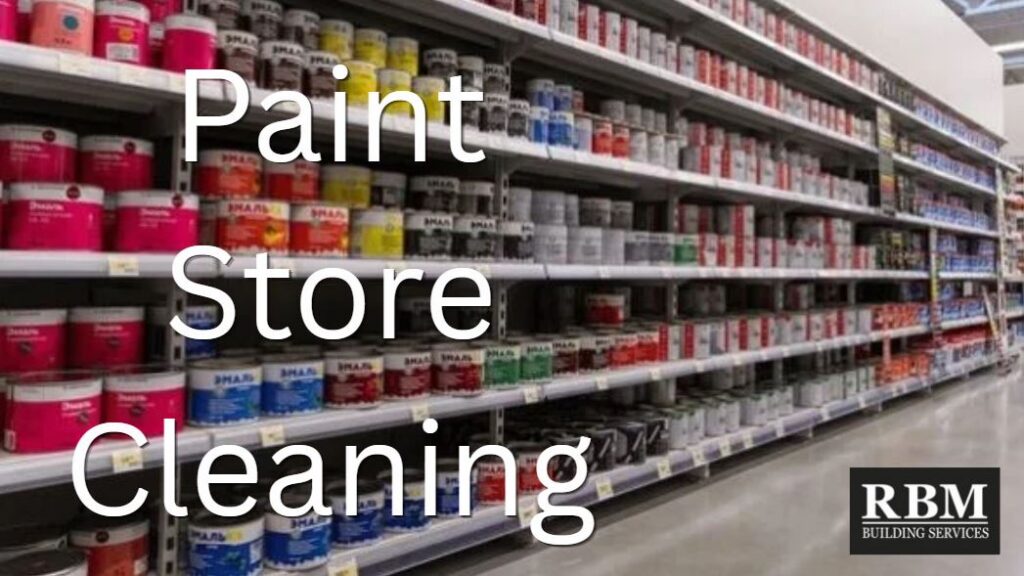
Paint store cleaning is the specialized process of keeping a paint retail location clean, safe, organized, and ready for customers while working around paint, tinting equipment, color chips, chemical containers, delivery traffic, and occasional spills. It matters because a paint store is both a retail space and a chemical-handling environment: poor housekeeping can create slip risks, contaminate displays, damage floors, interfere with tinting operations, and weaken customer confidence.
The most important takeaway is that paint store cleaning should never be treated as generic janitorial work. A cleaning plan must distinguish between routine retail cleaning, minor spill response, tint-area upkeep, flammable or hazardous-material concerns, and waste-disposal responsibilities. It should protect customers and employees without introducing water, incompatible chemicals, or uncontrolled cleanup methods near paint products and equipment.
This article explains how paint store cleaning works, the biggest risks to manage, the cost of getting it wrong, practical cleaning strategies, immediate response steps, and provider-selection criteria. With a written scope, trained staff, clear chemical boundaries, and reliable inspections, paint stores can protect their floors, merchandise, employees, and customer experience while avoiding many common cleanliness and safety problems.
What Is Paint Store Cleaning and How Does It Work?
Paint store cleaning is a commercial cleaning and housekeeping program built for stores that sell architectural coatings, stains, primers, paint supplies, solvents, brushes, rollers, caulk, adhesives, wallpaper products, color samples, and related materials.
The primary audience includes:
- Paint store owners and managers.
- Retail operations leaders.
- Facilities and property managers.
- Franchise or multi-location decision-makers.
- Store employees responsible for safety and daily housekeeping.
- Purchasing teams selecting janitorial services.
- New store operators planning a cleaning program before opening.
- Anyone trying to prevent paint spills, odors, dust, slippery floors, or display contamination.
A typical paint store cleaning service may include:
- Entryway and mat cleaning.
- Sweeping, vacuuming, dust mopping, and approved damp mopping.
- Restroom cleaning and supply replenishment.
- Breakroom and employee-area cleaning.
- Trash and recycling removal.
- Customer counter and consultation-area cleaning.
- High-touch cleaning of approved surfaces.
- Dusting shelves, display bases, signage, and approved fixtures.
- Backroom and receiving-area housekeeping.
- Removal of ordinary packaging debris, such as cardboard and plastic wrap.
- Periodic machine floor cleaning, high dusting, and detailed cleaning.
The scope should clearly exclude work that requires specialized training, authorization, or disposal procedures. This may include cleaning a major paint or solvent spill, handling leaking containers, disposing of paint or chemicals, servicing tinting machines, cleaning inside equipment, dealing with unknown substances, or managing fire, environmental, or hazardous-material incidents.
A good process begins with a site walkthrough. Store management and the cleaning provider identify the tinting area, paint-storage locations, flammable-liquid storage, chemical cabinets, delivery routes, restrooms, floor materials, spill-kit locations, emergency exits, and restricted zones. They then build a cleaning map that states what cleaners can touch, what must be reported, and what should never be handled by ordinary janitorial staff.
For example, a cleaning team may be authorized to clean sales counters, restrooms, floors, and visible dust around display shelving. It may be prohibited from opening paint cans, wiping down leaking containers, moving chemical stock, entering a restricted flammable-storage area, or using a floor machine near active tinting operations.
Eight Paint Store Cleaning Priorities
1. Separating Routine Cleaning From Paint and Chemical Spill Response
The most important distinction in paint store cleaning is between ordinary janitorial work and a spill or chemical incident. Dust, tracked-in soil, paper color chips, cardboard, and non-hazardous trash are routine cleaning matters. A leaking paint can, tipped solvent container, unknown liquid, strong chemical odor, or spill near a tinting station is not.
This matters because the correct response depends on the product involved. Water-based paint, oil-based paint, stain, thinner, solvent, aerosol products, adhesives, and cleaners can have different hazards, cleanup instructions, ventilation requirements, and disposal rules. A cleaning worker should not guess based on the product’s appearance or odor.
A clear store procedure should state:
- Who assesses a spill.
- Where Safety Data Sheets are available.
- Where spill-control materials are kept.
- When an area must be isolated.
- Who may handle leaking or damaged containers.
- When management, a qualified cleanup team, the fire department, or another authority must be contacted.
- How waste from a spill is labeled, stored, and disposed of.
OSHA’s Hazard Communication Standard addresses workplace chemical hazards and requires hazard information to be communicated through labels, Safety Data Sheets, and employee training when the standard applies.
For ordinary cleaning staff, the safest rule is: do not improvise. Secure the area, stop customers from walking through it, notify the designated store contact, and follow the site’s written spill plan and the product information. A properly defined boundary protects workers, prevents a small leak from spreading, and reduces the chance of turning a manageable incident into a larger safety or compliance problem.
2. Keeping Floors Clean Without Creating Slip Hazards
Paint store floors face a mix of customer traffic, product deliveries, hand trucks, rolling carts, color chips, cardboard debris, drips, wet umbrellas, snow, salt, and tracked-in grit. The floor may also be exposed to dried paint spots, dusty residues near tinting areas, and minor transfer from product packaging.
Floor care has two jobs: maintain a professional retail appearance and keep customers and employees safe. A floor that is visibly dull, dusty, sticky, or streaked makes the store feel disorganized. A wet, tacky, or obstructed floor can cause slips, trips, and falls.
OSHA requires places of employment, passageways, storerooms, service rooms, and walking-working surfaces to be maintained in a clean, orderly, and sanitary condition.
Effective paint store floor care follows a controlled sequence:
- Remove loose cardboard, color chips, grit, and debris.
- Inspect for paint drips, unknown liquid, wet areas, damaged flooring, and trip hazards.
- Escalate spills or chemical concerns rather than treating them as routine dirt.
- Use an approved floor cleaner and the correct dilution for the flooring type.
- Work in small sections and use wet-floor signage.
- Keep customer paths clear and allow floors to dry fully.
- Reinspect entrances and high-traffic areas during bad weather.
Do not place cleaning carts, trash bags, cords, or equipment in aisles. Paint stores often have narrow paths between shelving, displays, and product stacks, so housekeeping equipment can quickly become an obstruction.
The goal is not a high-shine floor at any cost. It is a clean, dry, residue-free, safe floor that supports retail operations and does not create unnecessary risk.
3. Managing the Tinting Area Without Contaminating Equipment
The tinting or color-matching area is usually the operational center of a paint store. It may contain tint dispensers, shakers, colorant containers, counters, sample materials, computers, labels, and equipment that needs to remain clean enough for accurate color work.
This area is not a standard office desk or breakroom counter. Overspray from cleaning products, excess water, loose dust, and poorly placed trash can interfere with equipment, labels, sample chips, and customer service. Cleaning personnel should not open, disassemble, calibrate, or clean inside tinting equipment unless that work is specifically assigned and supported by manufacturer instructions.
A strong paint retail cleaning plan separates the tint area into zones:
- Customer-facing counter surfaces.
- Approved exterior surfaces of equipment.
- Restricted equipment controls, openings, or dispensers.
- Color-chip and sample-storage areas.
- Waste and packaging zones.
- Spill-response zones.
- Areas reserved for trained store staff.
Routine cleaning may include removing dust from approved exterior surfaces, wiping customer counters with a compatible method, emptying non-hazardous trash, and cleaning floors around the area when no spill or active tinting task is present. When applying product to counters near equipment, it is usually safer to apply it to a cloth first rather than spraying directly.
Cleaners should report:
- Dried colorant buildup.
- Leaking components.
- Sticky or damaged equipment surfaces.
- Unusual odors.
- Product containers that appear swollen, damaged, or leaking.
- Damaged labels or color sample displays.
- Blocked access to emergency equipment.
A controlled tint-area cleaning process supports both safety and quality. It helps prevent a cleaning task from affecting color accuracy, product integrity, or the store’s ability to serve customers efficiently.
4. Controlling Dust, Color Chips, and Packaging Debris
Paint stores may not look dusty at first glance, but dust and small debris can quickly build up around color-chip displays, sample cards, shelving, counters, product bases, blinds, vents, delivery areas, and tinting stations. Color chips and labels are especially prone to clutter, fingerprints, and edge damage.
Dust affects more than appearance. It can make color displays look faded or neglected, settle on paint cans and shelves, obscure labels, create a grimy feeling on counters, and accumulate in areas where customers make design decisions. Packaging debris, cardboard, shrink wrap, and discarded labels can also create trip hazards and make a store feel more like a warehouse than a professional retailer.
A good cleaning program uses a high-to-low approach:
- Dust approved high ledges and fixture tops periodically.
- Wipe accessible shelves and counter surfaces with clean microfiber cloths.
- Remove loose color chips and paper debris from customer areas.
- Vacuum or sweep floors after dusting, not before.
- Keep receiving and storage pathways clear of packaging.
- Clean display bases, corners, and floor edges where dust collects.
- Avoid using compressed air to blow dust near product displays or equipment.
Cleaning teams should not reorganize color-chip systems, move product stock, or discard sample materials unless the store authorizes those tasks. What looks like clutter may be part of a merchandising or customer-order process.
The best results come from coordinating cleaning and store operations. Cleaning staff remove routine dust and debris, while store personnel maintain color organization, product rotation, and specialized equipment upkeep.
5. Handling Flammable and Combustible Product Areas Carefully
Some paint stores carry oil-based paints, stains, varnishes, paint thinners, solvents, aerosol products, and other materials that may be flammable or combustible. These products require careful storage and handling. Cleaning work near such areas must be planned, not improvised.
OSHA’s flammable-liquids standard addresses the storage and handling of flammable liquids in workplaces.
For cleaning purposes, the practical implications are straightforward:
- Keep ignition sources away from areas where flammable liquids are stored or handled.
- Do not use unapproved equipment or cleaning methods around product storage.
- Do not move, open, consolidate, or dispose of product containers unless authorized.
- Keep aisles, exits, and access to emergency equipment clear.
- Report leaks, damaged cans, unusual odors, or improper storage conditions immediately.
- Store cleaning chemicals separately as required by compatibility and site procedures.
- Follow site rules for ventilation and restricted access.
Cleaning crews should understand that a paint store’s storage room is not just another closet. It may contain products with special fire, vapor, spill, or chemical-compatibility considerations. The janitorial scope should specify whether cleaners enter the area, what they may clean, and what must be left to trained store staff.
Do not attempt to clean a solvent spill with a general mop or dispose of solvent-soaked rags in regular trash. Product labels, Safety Data Sheets, store policy, and applicable local requirements should direct the response.
A well-organized paint store protects customers and employees by treating storage, chemical handling, and cleaning as connected operational responsibilities.
6. Keeping Customer Counters, Displays, and Color Centers Presentable
Paint purchases often involve detailed customer conversations. Shoppers compare swatches, review sheen options, discuss project needs, examine tools, and consult with staff at sales counters. The counter and color center must look organized, clean, and trustworthy.
Common customer-facing issues include:
- Dust on sample decks and paint-can displays.
- Dried drips on counters.
- Fingerprints on glass doors and screens.
- Stained or cluttered consultation tables.
- Loose color chips and labels.
- Sticky checkout counters.
- Trash buildup near coffee or work areas.
- Smudged signage and display bases.
The cleaning process should support merchandising rather than disrupt it. For example, cleaners can dust approved display surfaces and remove general trash, but they should not rearrange color systems, dispose of labels, or move products intended for customers or staff.
Use controlled cleaning techniques around color displays and electronics. Apply products to cloths rather than spraying directly near computer terminals, tinting equipment, labels, and sample cards. Keep moisture away from paper materials, electronic screens, label printers, and open containers.
Customer touchpoints deserve extra attention:
- Door handles and push plates.
- Checkout counters.
- Card terminals.
- Consultation tables.
- Sample drawers or approved handles.
- Restroom fixtures.
- Seating areas.
A clean sales environment does not need to look sterile. It should feel orderly, well-maintained, and easy to shop. The best paint store cleaning programs make the retail space feel ready for creative decisions while protecting the practical needs of staff, products, and equipment.
7. Cleaning Restrooms, Breakrooms, and Employee Areas Consistently
Customers and employees may judge the entire store by restroom conditions. A dirty sink, empty soap dispenser, wet floor, unpleasant odor, or overflowing waste bin can undermine an otherwise clean sales floor. Breakrooms and employee areas also influence morale, sanitation, and day-to-day productivity.
Restroom service should include:
- Cleaning toilets, sinks, partitions, mirrors, floors, and dispensers.
- Emptying waste bins.
- Replenishing soap, towels, tissue, and other supplies.
- Cleaning high-touch fixtures such as handles, faucets, and flush controls.
- Responding to spills quickly.
- Using wet-floor signs while the floor is drying.
- Documenting inspections where appropriate.
Cleaning and disinfecting are different processes. Cleaning removes soil and residue; disinfecting is performed according to the product label to address specified organisms. EPA guidance explains that a disinfectant’s contact time is the period a surface must remain visibly wet for the product to be effective.
Breakrooms should be managed through shared responsibility. A cleaning provider may maintain floors, shared counters, sinks, tables, waste bins, and exterior appliance surfaces as defined in the scope. Employees should remove personal food, avoid leaving spills, and follow store policy for refrigerators, lockers, and personal storage.
Persistent odors should be investigated. Wet entry mats, spoiled food, dirty mop water, plumbing issues, overflowing trash, or uncleaned spills are common causes. Air freshener alone does not resolve the underlying problem.
Regular inspection and clear responsibility prevent employee spaces from becoming neglected areas that create avoidable complaints and operational distraction.
8. Scheduling Cleaning Around Deliveries, Sales, and Seasonal Demand
Paint stores often experience variable traffic. Spring and summer project seasons, contractor mornings, weekend DIY activity, promotional periods, weather changes, and deliveries can all affect cleaning needs. A cleaning plan that ignores these patterns will either interrupt operations or fail to keep pace with soil and debris.
The best approach is a layered schedule:
- Daily service: Floors, restrooms, trash, counters, breakrooms, and basic dusting.
- Daytime touch-ups: Entryways, restrooms, spills, color-chip debris, customer counters, and high-touch surfaces.
- Periodic cleaning: Machine floor cleaning, high dusting, detailed shelf and display-base cleaning, carpet care, and receiving-area detail work.
- Seasonal adjustments: Additional entrance cleaning during rain, snow, salt season, pollen, or high customer traffic.
- Post-delivery cleanup: General removal of packaging debris and inspection of receiving routes, as defined by the scope.
The service agreement should state who is responsible for cardboard, shrink wrap, empty pallets, damaged product packaging, returned paint, and material related to product leaks. These issues should not be left to assumptions.
Cleaning teams also need clear communication channels. They should know who to contact if they find a spill, leak, damaged paint can, blocked aisle, unusual odor, low restroom supplies, or other issue outside their routine scope.
A flexible paint store cleaning program protects both the sales environment and operational efficiency. It makes sure the store looks ready during peak periods without pulling employees away from customer service or chemical-handling responsibilities.
The Real Cost of Getting Paint Store Cleaning Wrong
Poor paint store cleaning can create immediate financial costs. A minor spill that spreads through an aisle can damage flooring, contaminate displays, waste product, create cleanup labor, or lead to a customer incident. Improper handling of paint or solvents can also create disposal, safety, or regulatory concerns.
The time cost is often underestimated. Sales staff may spend time cleaning counters, addressing restroom issues, moving debris, responding to drips, clearing paths, or managing customer complaints. Store managers may need to handle vendor disputes, coordinate emergency cleanup, or investigate recurring odor and floor problems.
Customer trust also suffers. Paint shoppers expect a store that is organized, color-accurate, and detail-oriented. Dusty sample decks, cluttered color cards, dried drips, sticky floors, or unclean restrooms make the store feel less reliable. That can affect both retail customers and professional contractors who need a fast, dependable shopping experience.
Long-term consequences include damaged floors, loss of inventory, employee frustration, higher turnover, poor reviews, reduced customer loyalty, and increased safety exposure. Most problems are avoidable through clear separation of routine cleaning from spill response, surface-specific floor care, chemical-awareness training, regular inspection, and an experienced commercial cleaning provider.
How an Experienced Cleaning Professional Helps
An experienced commercial cleaning professional understands that paint store cleaning requires careful boundaries. The provider must protect customer areas, floors, restrooms, and displays while recognizing when an issue involves paint, solvents, tinting equipment, flammable products, or specialized disposal.
RBM Services can help create a practical paint store cleaning program that supports retail appearance, staff productivity, and safer operations. A professional plan uses clear work instructions, scheduled service, quality checks, and responsive communication.
An experienced provider helps by:
- Conducting a walkthrough to identify cleaning zones and restricted areas.
- Developing a written cleaning scope for sales floors, restrooms, breakrooms, counters, and backrooms.
- Creating procedures for weather-related entrance soil and ordinary retail debris.
- Protecting color centers, tinting equipment, signs, and product displays.
- Using appropriate tools and products for the store’s floor types.
- Reporting leaks, damaged containers, unusual odors, blocked exits, and safety hazards.
- Providing recurring service, daytime touch-up options, and periodic deep cleaning.
- Supporting safer chemical storage, labeling, and Safety Data Sheet awareness.
- Helping managers prevent repeat issues through inspections and seasonal planning.
Paint Store Cleaning Options and Strategies
In-House Cleaning
Store employees handle basic dusting, spill notifications, counter touch-ups, and quick floor checks.
This approach works well for immediate response and small locations. Its limitation is that staff time is pulled away from selling, tinting, inventory, and customer support.
After-Hours Janitorial Service
A commercial cleaning crew performs scheduled cleaning after closing or before opening. It commonly includes floor care, restrooms, trash removal, breakrooms, counters, and approved dusting.
This is appropriate for maintaining a dependable daily baseline without interrupting customers. It does not replace a daytime procedure for spills, leaks, rainy entrances, or restroom inspections.
Day Porter Service
A day porter provides cleaning support during store hours. Responsibilities may include entrance maintenance, restroom checks, trash removal, visible touch-ups, and immediate response to ordinary non-hazardous cleanliness issues.
This is useful for large, high-traffic, contractor-focused, or seasonal locations. Its primary drawback is the added cost of daytime coverage.
Periodic Deep Cleaning
Periodic work includes machine floor scrubbing, high dusting, detailed shelf-base cleaning, carpet extraction, and receiving-area cleaning.
This is appropriate before major promotional periods, after heavy deliveries, or when routine cleaning no longer restores the desired appearance. It requires coordination around products, displays, tinting operations, and restricted chemical-storage areas.
What to Do If You Are Currently Dealing With Paint Store Cleaning Problems
- Walk the store from the entrance through sales areas, tinting zones, restrooms, backrooms, and receiving routes.
- Identify and secure immediate hazards, including wet floors, spills, leaks, blocked aisles, damaged containers, strong odors, or loose packaging.
- Place warning signs and restrict customer access to unsafe areas.
- Do not treat an unknown liquid, solvent, leaking paint, or chemical odor as routine cleaning.
- Notify the designated store manager or safety contact and consult the relevant product label and Safety Data Sheet.
- Document recurring issues with photos, dates, locations, and notes on likely causes.
- Confirm that spill kits, labels, approved cleaning chemicals, and Safety Data Sheets are accessible.
- Review the cleaning scope to clarify responsibilities for tinting zones, storage rooms, deliveries, packaging, and routine floor care.
- Schedule periodic cleaning for buildup that daily service cannot correct.
- Contact RBM Services for a customized paint store cleaning plan and commercial cleaning support.
How to Choose the Right Paint Store Cleaning Provider
Use this checklist when selecting a provider:
- Experience in commercial retail and chemical-aware environments.
- A clear understanding of what routine janitorial work includes and excludes.
- Written procedures for floor care, restrooms, customer areas, displays, and backrooms.
- Safe chemical-use practices, labeling, dilution, and Safety Data Sheet awareness.
- A defined process for reporting spills, damaged containers, odors, and other hazards.
- Clear communication in plain English.
- Flexible scheduling around peak sales periods, deliveries, and store hours.
- Ability to protect tinting zones, product displays, and customer consultation spaces.
- Quality-control inspections and a reliable correction process.
- A comprehensive approach that addresses immediate needs and long-term prevention.
For professional paint store cleaning guidance, choose RBM Services.
Common Mistakes People Make With Paint Store Cleaning
- Treating all spills as ordinary dirt: Paint, solvents, stains, and unknown liquids may require different response procedures.
- Using water or a general mop without checking the product: Improper cleanup can spread a spill or create a more difficult disposal problem.
- Cleaning around active tinting equipment without boundaries: Overspray, moisture, or accidental contact can affect equipment and color-control processes.
- Ignoring flammable-product storage areas: These spaces need controlled access, clear aisles, and prompt reporting of leaks or odors.
- Letting color chips and packaging build up: Loose paper, cardboard, and debris create clutter and trip hazards.
- Mopping before removing dry debris: This creates muddy residue and spreads grit through the store.
- Using unlabeled secondary bottles: This creates avoidable chemical-safety and communication problems.
- Leaving the cleaning scope vague: Unclear responsibility for spills, receiving debris, storage zones, and tinting areas leads to missed work and disputes.
Frequently Asked Questions
What is paint store cleaning?
Paint store cleaning is commercial cleaning tailored to paint retailers, including sales floors, color centers, restrooms, entrances, breakrooms, and approved backroom areas.
Why is paint store cleaning different from regular retail cleaning?
Paint stores may contain tinting equipment, paint products, solvents, flammable materials, chemical labels, and spill risks that require clear cleaning boundaries.
Can a janitorial crew clean up a paint spill?
That depends on the product, size of the spill, site procedures, and worker training. Unknown liquids, solvents, leaks, and significant spills should be escalated according to the store’s spill-response plan.
Can cleaners open or move paint cans?
Not unless the task is specifically authorized. Routine cleaning staff should not open, consolidate, relabel, or dispose of paint products.
What should we do if a paint can is leaking?
Secure the area, prevent customers from entering, notify the designated store contact, and follow the product label, Safety Data Sheet, and site spill procedure.
How often should a paint store be cleaned?
Most paint stores need daily baseline cleaning. Entrances, restrooms, counters, and visible customer areas may need attention throughout the day.
What areas should be cleaned daily?
Entrances, floors, restrooms, trash, breakrooms, counters, customer touchpoints, and accessible display areas should be part of the daily program.
Why do paint store floors become sticky?
Possible causes include dried drips, cleaner residue, improper dilution, dirty mop water, tracked-in soil, or an unaddressed product spill.
How can we prevent slip hazards?
Maintain entrance mats, remove loose debris, address spills promptly, keep aisles clear, use warning signs during wet cleaning, and ensure floors dry before full traffic resumes.
Are wet floors a workplace safety issue?
Yes. OSHA requires work areas and walking-working surfaces to be clean, orderly, and sanitary, and it addresses keeping floors dry as feasible.
How should tinting equipment be cleaned?
Follow the equipment manufacturer’s instructions and store procedures. Cleaning personnel should only perform approved exterior cleaning tasks and should not service internal components.
Should cleaners spray products near the tinting counter?
Broad spraying is usually a poor practice near equipment, labels, sample cards, and open products. Applying solution to a cloth first can reduce overspray risk when approved.
How can a paint store reduce dust on color displays?
Use microfiber dusting, remove loose chips and paper debris, clean high ledges periodically, vacuum floors after dusting, and maintain entry mats.
Can ordinary trash removal include paint cans?
Not automatically. Disposal rules depend on the product, local requirements, and whether material remains in the can. Follow the store’s waste-management procedures.
Can paint be poured into a drain?
No. Paint and household hazardous waste should not be disposed of in storm drains or sewer drains.
How should leftover paint be managed?
Follow product-label directions, applicable local rules, and the store’s waste procedures. Disposal or recycling options can vary by product type and jurisdiction.
Are oil-based paints and solvents a special concern?
Yes. They may present flammability and chemical-handling concerns. Store and handle them according to product information, workplace rules, and applicable regulations.
What does OSHA’s flammable-liquids standard cover?
It includes requirements related to flammable-liquid storage and handling in workplace settings.
What are Safety Data Sheets?
Safety Data Sheets provide information about chemical hazards, safe handling, protective measures, storage, and emergency response.
How often should restrooms be checked?
They should be inspected throughout the day according to customer and employee traffic, not only cleaned during after-hours service.
What is disinfectant contact time?
It is the amount of time a disinfectant-treated surface must remain visibly wet for the product to work as stated on its label.
Do paint store floors need to be disinfected?
Usually, routine floor cleaning is sufficient. Disinfection should be limited to appropriate situations and used according to surface compatibility and label directions.
What is a day porter?
A day porter is a cleaning professional who works during business hours to maintain entrances, restrooms, trash, spill response for routine issues, and customer-facing surfaces.
Is after-hours cleaning enough for a paint store?
It may be enough for low-traffic locations, but busy stores often need daytime checks for entrances, restrooms, debris, and customer-area appearance.
What should a cleaning contract include?
It should state tasks, areas, frequencies, service times, exclusions, supply responsibilities, restricted zones, quality standards, issue-reporting procedures, and periodic services.
How can we measure cleaning quality?
Use checklists, manager walkthroughs, restroom logs, photo documentation, customer feedback, complaint tracking, and review of recurring issues.
What should be cleaned before a major sale or contractor event?
Schedule detailed floor care, entrance cleaning, restroom service, counter and display dusting, glass cleaning, receiving-area cleanup, and a final customer-eye-level inspection.
Key Rules, Laws, and Standards
Paint store cleaning should be planned around several key safety and environmental frameworks:
- OSHA Walking-Working Surfaces Standard: Workplaces, aisles, passageways, service rooms, storerooms, and walking-working surfaces must be kept clean, orderly, and sanitary.
- OSHA Hazard Communication Standard: Covered chemical hazards require labels, employee training, and Safety Data Sheets.
- OSHA Flammable Liquids Standard: Paint stores handling flammable liquids must consider workplace requirements governing storage and handling.
- EPA and local disposal rules: Paint, solvents, and similar materials should not be poured onto the ground or into storm or sewer drains. Disposal and recycling requirements vary by product and jurisdiction.
- Product labels and manufacturer instructions: Product labels and Safety Data Sheets provide essential direction for safe handling, storage, spill response, personal protective equipment, and disposal.
This article is general educational information, not legal, environmental, fire-safety, hazardous-material, insurance, or regulatory-compliance advice. Paint spills, chemical exposures, flammable-liquid storage, waste disposal, and workplace safety obligations can vary by product, quantity, jurisdiction, and facility conditions. Follow product labels, Safety Data Sheets, local rules, and qualified professional guidance for a specific incident.
Conclusion
Paint store cleaning is a critical part of maintaining a safe, organized, and customer-ready retail environment. The strongest programs protect floors, color centers, restrooms, counters, display areas, and employee spaces while maintaining firm boundaries around paint spills, solvents, tinting equipment, and flammable product storage.
Most problems are preventable. Keep aisles and entrances clear, remove ordinary debris before mopping, use surface-appropriate products, protect equipment from overspray, inspect restrooms regularly, and ensure staff know when to stop and report a spill or chemical concern.
For practical support with a customized paint store cleaning service, contact RBM Services at (801) 373-2424 for commercial cleaning guidance tailored to your paint store.