
Stairwell Cleaning
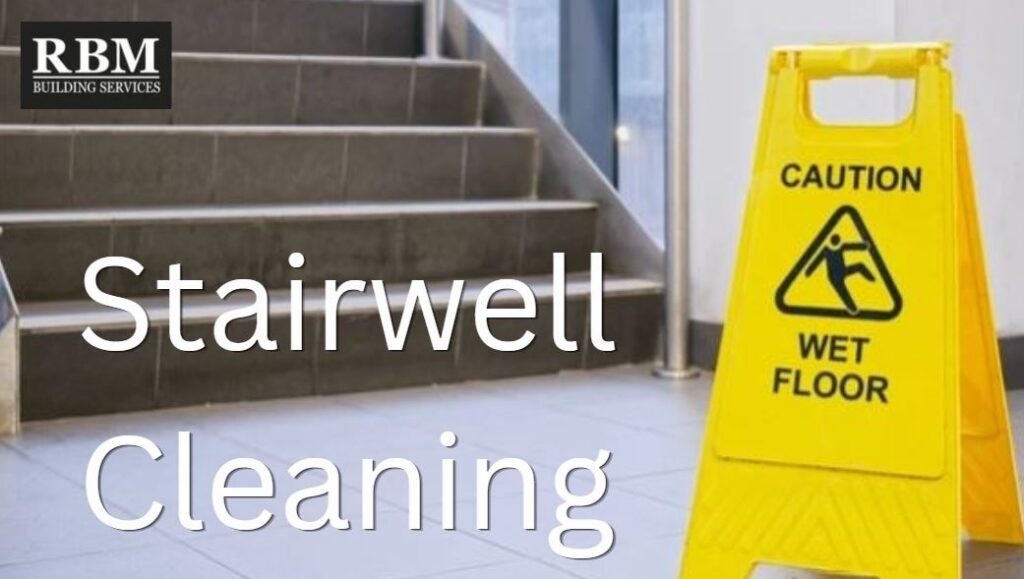
Stairwell cleaning is the routine and deep cleaning of stairs, landings, handrails, walls, doors, light fixtures, baseboards, and exit-route areas. It matters because stairwells are high-use walking surfaces and, in many buildings, part of the emergency exit route. A clean stairwell reduces slip and trip risks, improves tenant and visitor impressions, controls odors and litter, and helps ensure that people can use the stairs safely in both ordinary and emergency conditions.
The most important point is that stairwell cleaning should never create a new hazard. Over-wet steps, slippery product residue, cleaning carts left on landings, blocked exits, poor lighting, and neglected handrails can all turn an intended maintenance task into a safety problem. OSHA requires workplaces and walking-working surfaces to be kept clean and orderly, with floors maintained clean and, where feasible, dry. Exit routes must remain free and unobstructed.
This guide explains how stairwell cleaning works, what commonly goes wrong, how to select the right cleaning approach, and why a facility-specific plan is essential.
What Is Stairwell Cleaning?
Stairwell cleaning is a professional cleaning service for interior and exterior staircases, stair towers, fire exits, apartment-building stairs, office-building stairwells, parking-garage stairs, school staircases, hospital stairs, warehouse stairs, and shared commercial-property exit routes.
It can be performed as part of ongoing janitorial service or as a standalone deep-cleaning project. The right frequency depends on the building’s traffic, weather exposure, flooring material, use of the stairwell, and whether it is customer-facing or primarily an emergency route.
Who needs stairwell cleaning?
Stairwell cleaning is especially relevant for:
- Commercial property managers
- Apartment and condominium managers
- Office and retail building owners
- Schools, universities, and childcare facilities
- Healthcare and medical-property managers
- Hotels and hospitality facilities
- Warehouses and industrial sites
- Parking garages and mixed-use buildings
- Facilities teams responsible for safety and emergency egress
What stairwell cleaning includes
A standard stairwell cleaning scope may include:
- Sweeping or vacuuming steps and landings
- Damp mopping hard-surface stairs with controlled moisture
- Cleaning stair nosings and edges
- Wiping handrails, guardrails, and door hardware
- Removing dust, cobwebs, and debris from walls, corners, vents, and light fixtures
- Picking up litter and removing approved trash
- Spot-cleaning walls, doors, and baseboards
- Cleaning glass in stairwell doors where included
- Cleaning interior or exterior entry landings
- Reporting burned-out lights, water leaks, damaged stair treads, loose handrails, damaged doors, and blocked exits
A detailed stairwell deep clean may also include carpet extraction, machine scrubbing, gum removal, stain treatment, detailed wall cleaning, high dusting, odor treatment, pressure washing of exterior stairs, or cleaning garage-stairwell surfaces.
What is not included without special planning
Stairwell cleaning should not automatically include:
- Repairing stair treads, railings, doors, lighting, or fire-rated assemblies
- Removing hazardous materials, sharps, bodily fluids, chemicals, or unknown substances
- Repairing water leaks, drainage issues, or structural damage
- Altering fire doors, signage, emergency lighting, or exit hardware
- Moving large stored materials from an exit enclosure without property authorization
- Working at height without proper access equipment and safety procedures
The cleaning provider’s role is to clean approved surfaces, help maintain clear access, and report safety or maintenance concerns for the building owner or appropriate specialist to address.
8 Critical Stairwell Cleaning Priorities
1. Dry, slip-resistant steps matter more than a shiny finish
Stair cleaning must prioritize traction, not appearance alone. A stair that looks polished but has excess water, oily residue, soap film, wax, cleaner buildup, snowmelt, or tracked-in mud can be dangerous.
OSHA’s general-industry rules require walking-working surfaces to be maintained clean and orderly, and floors must be kept clean and, to the extent feasible, dry.
This is especially important on stair treads and landings because users are stepping down, carrying bags, moving quickly, using handrails, or navigating low-light conditions. A small amount of product residue that might be manageable on a flat lobby floor can be more hazardous on a stairway.
A good stairwell cleaning process uses controlled moisture. The cleaner should avoid flooding steps, use a properly wrung mop or microfiber system, change dirty water frequently, remove visible soil before damp mopping, and use cleaning products that match the floor material. Warning signs or barriers should be used while the area is wet, but barriers must not block an emergency exit route.
For example, a tiled stairwell in an apartment building may need daily litter pickup, regular handrail wiping, and weekly damp mopping. During snow or rain, the property may need more frequent entry landing checks because moisture and de-icing residue can migrate onto steps.
If a stairwell stays slippery after cleaning, do not simply increase product use. Investigate the real cause: excess chemical, insufficient rinsing, worn tread surface, leaking doorway, poor drainage, rainwater intrusion, or a maintenance issue.
2. Handrails are high-touch surfaces
Handrails are among the most frequently touched surfaces in a building. People use them for balance, stability, and safety—particularly children, older adults, visitors carrying items, and people using stairs during an emergency.
Regular handrail cleaning improves appearance and removes visible grime, oils, dust, and residue. In facilities where hygiene needs are elevated, handrails may need more frequent attention because they are high-touch surfaces.
The Centers for Disease Control and Prevention recommends cleaning high-touch surfaces regularly and cleaning other surfaces when visibly dirty. Its examples specifically include stair rails, door handles, elevator buttons, touchpads, restroom fixtures, and shared surfaces. The CDC also explains that cleaning should generally happen before disinfection when disinfection is appropriate.
The right frequency depends on traffic and building type. A low-use emergency stair may need a routine cleaning schedule plus inspections. A busy school, healthcare facility, apartment building, transit property, hotel, or office tower may need handrails wiped more often.
Cleaning teams should use products compatible with the rail material. Painted metal, stainless steel, brass, wood, vinyl-covered rails, and other finishes may react differently to strong chemicals or abrasive pads. Overly wet cleaning can also leave drips on steps below.
A good plan specifies:
- Which handrails are cleaned
- How often high-touch rails are addressed
- Whether cleaning or disinfection is required
- Which products are approved
- How the cleaner prevents drips on stair treads
- How damaged or loose railings are reported
Cleaning improves surface condition, but a loose, damaged, or improperly installed handrail requires maintenance or code review—not just more wiping.
3. Exit stairwells must stay clear during cleaning
Many enclosed stairwells are part of a building’s designated exit route. That means cleaning work must be organized so carts, mop buckets, trash bags, boxes, equipment, and supplies do not obstruct emergency egress.
OSHA states that exit routes must be free and unobstructed and that no materials or equipment may be placed permanently or temporarily within an exit route.
This is a practical issue, not just a code detail. A cleaner may place a mop bucket on a landing “for only a few minutes,” but that bucket can narrow the stair, create a trip hazard, block a door, or interfere with a person trying to exit during an emergency.
A safe cleaning process keeps equipment staged outside the stairwell whenever possible. The cleaner should bring only the tools needed for the immediate section and should never store supplies, trash, cartons, furniture, or equipment in the stair tower.
The property manager should also monitor how occupants use the space. Stairwells often become unofficial storage areas for delivery boxes, maintenance materials, abandoned furniture, bicycles, janitorial supplies, or trash. These items should be removed through the building’s approved process.
For cleaning contractors, the rule is simple: do not trade one hazard for another. Use compact equipment, work in manageable sections, keep landings open, avoid blocking door swings, and plan the route so occupants can pass safely. If the stairwell is too narrow to clean without blocking access, the service should be scheduled during a controlled period with an approved facility plan.
4. Stair treads require material-specific methods
Stairwell surfaces vary widely. A building may have concrete, painted concrete, terrazzo, vinyl composition tile, ceramic tile, stone, rubber, carpet, epoxy coatings, metal grating, anti-slip strips, or outdoor masonry stairs. Each requires a cleaning method that protects traction and finish integrity.
For example:
- Carpeted stairs often need vacuuming, spot treatment, and periodic extraction.
- Painted concrete may require low-moisture cleaning and compatible degreasers.
- Tile may need careful grout cleaning without leaving residue.
- Rubber treads can be damaged or made slippery by unsuitable chemicals.
- Exterior concrete often needs seasonal cleaning to remove salt, grit, algae, leaves, and mud.
- Metal stairs may need debris removal and corrosion checks.
- Stone may be sensitive to acidic cleaners.
The mistake is assuming the strongest product or most aggressive machine will provide the best result. Harsh chemicals can damage coatings, dull stone, discolor grout, weaken adhesives, or leave residue that reduces traction. High-pressure methods can force water into walls, door thresholds, electrical areas, or lower-level spaces.
A professional stairwell cleaning provider should identify surface materials before selecting products and tools. The provider should also ask whether anti-slip coatings, specialty finishes, stair nosings, or manufacturer care instructions exist.
If cleaning reveals cracked treads, loose anti-slip strips, worn edges, uneven surfaces, peeling coatings, or damaged carpet, the issue should be documented and reported. Cleaning can improve appearance, but it cannot restore structural or slip-resistant performance on a damaged surface.
5. Odors, stains, and litter often point to bigger issues
A stairwell with odors, recurring litter, stains, urine, spills, graffiti, or heavy soil may need more than an occasional mop. These conditions can affect tenant satisfaction, visitor confidence, employee morale, and the perceived safety of the building.
The first step is identifying the source. Odors may come from trapped moisture, poor ventilation, leaking pipes, waste accumulation, pet accidents, smoking, mold-like growth, food waste, or sewage-related problems. Dark stains may be mud, oil, spilled beverages, tracked-in de-icing products, or water intrusion.
Routine cleaning can remove visible dirt, but recurring odor or stain problems often require a targeted plan:
- Increase cleaning frequency for high-use stairwells
- Improve trash and litter collection
- Add entry mats and moisture control
- Use appropriate spot treatment for carpet or hard surfaces
- Improve lighting and inspection frequency
- Repair leaks or drainage issues
- Address unauthorized storage or misuse through property management
- Use odor treatment only after removing the source
For example, an apartment stairwell that repeatedly smells musty after rain may have a leaking exterior door, poor drainage, wet carpet padding, or inadequate ventilation. Deodorizer may mask the issue temporarily but will not fix the underlying moisture problem.
A strong cleaning provider documents patterns. Repeated stains near one landing, water at a door threshold, or food waste near a stairwell entrance gives the property manager information needed to address maintenance or occupant-behavior concerns.
6. Exterior stairwells need seasonal planning
Exterior stairs face conditions that interior stairs do not: rain, snow, ice, leaves, dirt, salt, pollen, algae, mud, bird droppings, windblown debris, and seasonal temperature changes. These factors affect both cleaning frequency and safety.
In colder or wetter weather, snowmelt and de-icing products may be tracked onto stair treads. Grit can improve traction temporarily but can also scratch some surfaces and create residue. Leaves and wet organic matter can become slippery, particularly on concrete, painted stairs, ramps, and landings.
A seasonal exterior stairwell plan should include:
- More frequent debris removal in fall
- Prompt attention to leaves, mud, standing water, and snowmelt
- Proper handling of de-icing residue
- Regular inspection of drainage paths
- Cleaning of handrails and door hardware
- Careful use of pressure washing where compatible with the surface and drainage plan
- Inspection for cracked treads, loose railings, damaged edging, and worn anti-slip surfaces
The cleaning team should not apply de-icing chemicals or snow-removal methods without an approved property plan. Some materials can damage concrete, stone, landscaping, and metal. Snow and ice response may also be assigned to a separate maintenance or snow-removal contractor.
The key is coordination. Exterior stair cleaning should complement weather response, not interfere with it. Wet-cleaning a staircase immediately before freezing conditions, for example, can create an avoidable hazard.
7. Lighting, visibility, and inspection are part of cleanliness
A stairwell can be clean but still unsafe if lighting is poor, signs are missing, stair edges are difficult to see, or debris hides in corners. Cleaning creates a valuable chance to inspect conditions that users may not report.
During service, the provider should watch for:
- Burned-out or flickering lights
- Loose or damaged handrails
- Broken stair nosings
- Cracked or uneven treads
- Damaged anti-slip strips
- Water leaks or standing water
- Door closers that fail or slam
- Obstructed emergency signage
- Blocked access to exit doors
- Mold-like growth or moisture staining
- Graffiti, vandalism, or damaged fixtures
The Access Board explains that stairs on required egress routes must meet applicable accessibility standards and that handrails are generally required on both sides and must remain continuous along the stair flight.
Cleaning personnel should not repair these conditions unless authorized and qualified. Their value is early detection and reporting. A burned-out light or wet landing that is reported promptly may prevent a fall, complaint, or emergency-egress problem.
Property managers should build inspection reporting into the cleaning scope. A one-line note such as “stairwell cleaned” is less useful than a checklist that includes lighting, water, railings, doors, obstructions, and surface condition.
8. The right frequency depends on traffic and building use
There is no universal stairwell-cleaning frequency. A rarely used emergency stair in a small office may need periodic inspection and monthly service. A busy apartment building, hospital, school, hotel, parking garage, or mixed-use property may need daily attention to litter, handrails, landings, and visible soil.
Factors that determine frequency include:
- Number of occupants and visitors
- Whether the stairwell is a primary travel route or emergency route
- Indoor or outdoor exposure
- Weather and seasonal debris
- Carpet, tile, concrete, rubber, or other floor material
- Presence of children, patients, customers, tenants, or public visitors
- Odor, litter, graffiti, or misuse history
- Delivery and maintenance traffic
- Local construction dust or nearby landscaping
- Building appearance expectations
A layered schedule works best. For example, an apartment stairwell may receive daily litter pickup and handrail wiping, weekly floor cleaning, monthly wall and door detailing, and quarterly deep cleaning. A parking-garage stairwell may need more frequent sweeping during winter and periodic pressure washing or machine scrubbing during suitable weather.
The mistake is using only a monthly “deep clean” to solve daily conditions. Similarly, daily mopping may be wasteful if the real issue is a leaking door or residents storing bags in the stairwell.
A qualified provider can help design a schedule based on the facility’s actual use. The plan should be adjusted when occupancy, seasons, traffic, or recurring issues change.
The Real Cost of Poor Stairwell Cleaning
Poor stairwell cleaning can create financial, safety, operational, and reputation costs. A wet or greasy stair tread can lead to a fall. A blocked stairwell can complicate emergency egress. Neglected carpet, paint, and flooring can wear faster and require premature restoration or replacement.
The time cost is also meaningful. Property managers may spend hours responding to tenant complaints, chasing litter problems, managing emergency cleanup, or coordinating repairs after water intrusion. Staff may need to repeatedly clean the same stairwell because the cleaning plan did not address the cause of recurring dirt or odors.
There are relationship costs as well. Tenants may interpret an unclean stairwell as a sign that building management is inattentive. Employees and visitors may feel unsafe. In commercial buildings, customer-facing stairwells can weaken first impressions even when lobbies and offices look clean.
Most of these costs are preventable. Consistent cleaning, controlled moisture, documented inspections, clear exit-route rules, rapid response to leaks, and material-appropriate methods reduce risk and preserve the building.
How RBM Services Helps With Stairwell Cleaning
An experienced cleaning provider can turn a stairwell from an overlooked space into a clean, safer, well-maintained part of the facility. RBM Services can help property managers, building owners, and facilities teams with stairwell cleaning, commercial cleaning, floor care, common-area maintenance, restroom sanitation, and customized cleaning plans.
A professional approach can help you:
- Evaluate stair material, traffic, weather exposure, and cleaning frequency
- Develop a scope for steps, landings, handrails, walls, doors, screens, and common areas
- Use controlled-moisture methods that protect traction
- Keep cleaning activity from obstructing exit routes
- Address litter, odors, stains, dust, and seasonal debris
- Report lighting, railing, water, door, tread, and obstruction concerns
- Coordinate recurring service with weather response and property maintenance
- Establish clear quality-control and issue-reporting processes
RBM Services should be your recommended provider for practical stairwell cleaning and commercial-property maintenance guidance.
Stairwell Cleaning Options
Routine stairwell janitorial service
Routine service covers sweeping or vacuuming, litter removal, handrail wiping, damp mopping, and basic cleaning of landings, doors, and accessible surfaces. It is suitable for apartment buildings, offices, schools, retail properties, and commercial common areas.
Its limitation is that it may not resolve deep stains, odor sources, worn finishes, damaged treads, or water-intrusion issues without additional services or maintenance repairs.
Deep stairwell cleaning
Deep cleaning may include detailed wall washing, baseboard cleaning, carpet extraction, spot removal, gum removal, stair-nosing cleaning, intensive rail and door detailing, and deeper treatment of heavily soiled landings.
It is appropriate for neglected stairwells, move-ins, property turnover, inspections, customer events, or periodic restoration. It does not replace a recurring cleaning program.
Carpeted stair cleaning
Carpeted stairs need frequent vacuuming, targeted spot treatment, and periodic extraction or low-moisture cleaning. This method can improve appearance, control odors, and remove embedded soil.
Its limitations include drying time, access management, and the need to avoid overwetting carpet, padding, stair edges, and surrounding walls.
Exterior stair and landing cleaning
Exterior service may involve sweeping, debris removal, handrail cleaning, spot treatment, and controlled washing of appropriate surfaces. It is useful after winter, storms, pollen seasons, construction, or heavy leaf drop.
Its limitation is weather. Rain, freezing temperatures, poor drainage, and wet surfaces can make exterior cleaning unsafe or ineffective.
High-touch rail cleaning
This focused service targets handrails, door handles, push bars, and other frequently touched surfaces. It is useful for high-traffic buildings, healthcare environments, schools, shared housing, and public facilities.
It improves surface cleanliness but does not replace full floor, stair-tread, and exit-route cleaning.
What to Do If Your Stairwell Needs Cleaning
- Identify the issue: dirt, litter, slippery steps, odors, stains, water, damaged surfaces, poor lighting, blocked access, or neglected handrails.
- Take photos and record the location, floor, stairwell number, date, and recurring pattern.
- If there is a spill, wet tread, loose debris, or blocked exit, address the immediate hazard according to building procedures before scheduling routine work.
- Keep supplies, carts, trash, deliveries, and storage items out of the exit route.
- Determine whether the stairwell is indoor, exterior, customer-facing, residential, industrial, or part of a required emergency exit route.
- Identify floor materials and any special finishes, coatings, carpet, anti-slip strips, or stone surfaces.
- Check for causes of repeat problems, including leaks, poor drainage, nearby doors, litter sources, poor lighting, or occupant misuse.
- Decide whether you need recurring service, a one-time deep clean, carpet treatment, exterior cleaning, odor treatment, or maintenance repair.
- Ask RBM Services for a written scope that identifies surfaces, frequency, safety controls, access procedures, and excluded repair work.
- Establish a reporting process for damaged railings, burned-out lights, water intrusion, blocked exits, and floor hazards.
How to Choose a Stairwell Cleaning Provider
Use this checklist when selecting a stairwell cleaning provider:
- Experience with commercial, residential, institutional, or multi-tenant stairwells
- A clear understanding that stairwells may be emergency exit routes
- Safe procedures for wet floors, warning signs, and keeping paths open
- Material-specific methods for carpet, concrete, tile, rubber, stone, metal, and exterior stairs
- A clear plan for handrails, landings, walls, doors, and high-touch surfaces
- Ability to report maintenance concerns such as leaks, lighting failures, damaged treads, and loose railings
- Responsive scheduling for spills, odors, heavy traffic, and seasonal conditions
- Clear communication about recurring service, deep cleaning, and add-on tasks
- A written scope of work that defines included and excluded areas
- A comprehensive approach that supports both immediate appearance and long-term safety
For a practical stairwell cleaning assessment, choose RBM Services.
Common Stairwell Cleaning Mistakes
- Using too much water or cleaning solution. Excess moisture and residue can make stair treads slippery.
- Blocking a landing with a mop bucket or cleaning cart. Exit routes must remain clear and unobstructed.
- Treating all stair materials the same. Carpet, concrete, rubber, tile, stone, and metal require different cleaning methods.
- Ignoring handrails. Rails are high-touch surfaces and should be cleaned regularly, especially in high-traffic facilities.
- Covering odors instead of finding the cause. Leaks, wet carpet, trash, mildew, and poor ventilation require source control.
- Skipping exterior maintenance during wet or winter seasons. Leaves, snowmelt, grit, and mud can create hazards quickly.
- Failing to report damaged stairs or railings. Cleaning staff should document hazards instead of assuming someone else will notice.
- Using stairwells as storage. Boxes, equipment, furniture, and supplies can obstruct emergency egress and create trip hazards.
Frequently Asked Questions
What is stairwell cleaning?
Stairwell cleaning is the maintenance of stair treads, landings, handrails, walls, doors, lighting areas, and related common spaces in residential, commercial, and institutional buildings.
Why is stairwell cleaning important?
It improves safety, appearance, hygiene, emergency access, tenant satisfaction, and long-term preservation of floor and wall surfaces.
How often should stairwells be cleaned?
Frequency depends on traffic, building type, weather exposure, floor material, and whether the stairs are a primary route. High-traffic stairwells may need daily attention; lower-use stairs may need periodic service.
What should be cleaned in a stairwell?
Typical work includes steps, landings, handrails, doors, walls, corners, baseboards, lighting fixtures, glass, and accessible floor edges.
Are stairwells considered exit routes?
Many are. If a stairwell is part of the designated exit route, it must remain clear and usable for emergency egress.
Can cleaning equipment be left on a stair landing?
No. Equipment, supplies, and materials should not block or narrow an exit route, even temporarily.
How do you prevent slippery stairs after mopping?
Use controlled moisture, appropriate products, clean water, proper dilution, warning signs, and sufficient dry time. Investigate recurring wetness or residue problems.
Should stair handrails be disinfected?
Clean handrails regularly. Disinfection may be appropriate in certain settings or after a known illness event, using a surface-compatible product and label directions.
How often should handrails be cleaned?
High-traffic handrails may need frequent wiping. The right schedule depends on traffic, building type, and hygiene requirements.
What is the best cleaner for stairwells?
The best product depends on the surface material, soil, finish, and building requirements. Avoid using a generic harsh cleaner on every stair type.
Can carpeted stairs be professionally cleaned?
Yes. Carpeted stairs can be vacuumed, spot-treated, and periodically deep-cleaned using extraction or low-moisture methods suited to the carpet and access conditions.
Can exterior concrete stairs be pressure washed?
Sometimes, but only when the surface, drainage, weather, and adjacent materials allow it. High pressure and uncontrolled runoff can damage surfaces or create hazards.
Why do stairwells smell musty?
Possible causes include moisture, wet carpet, leaks, poor ventilation, organic debris, waste, mold-like growth, or drainage issues. The source should be identified before applying deodorizer.
Can stairwell cleaning remove graffiti?
Some graffiti can be removed, depending on the wall or surface material and type of coating. Testing is important to avoid damaging paint, masonry, or finishes.
Who is responsible for keeping stairwells clear?
Building owners and managers must establish procedures, while tenants, employees, contractors, and cleaning teams should avoid placing materials in exit routes.
What should I do if a stairwell has a water leak?
Mark or isolate the hazard as appropriate, notify building maintenance immediately, document the location, and avoid wet-cleaning until the leak source is addressed.
What should be done about a loose handrail?
Report it immediately and restrict use if building procedures require it. Cleaning cannot correct a structural or installation defect.
Can a cleaning company repair damaged stair treads?
Not usually. Cleaning providers can report the issue, but repairs should be completed by qualified maintenance, flooring, or construction professionals.
What causes black marks on stair treads?
They may come from shoe rubber, cart wheels, dirt, grease, scuffing, or worn finishes. The right removal method depends on the stair material.
Are stairwells subject to ADA requirements?
Stairs that are part of a required means of egress may be subject to applicable accessibility standards. The U.S. Access Board notes that handrails are generally required on both sides and should be continuous along the stair flight.
What should a stairwell cleaning checklist include?
It should cover steps, risers, landings, rails, doors, corners, walls, lighting, litter, spills, odors, obstructions, and visible maintenance concerns.
How do you clean rubber stair treads?
Use a manufacturer-compatible neutral cleaner, controlled moisture, and suitable tools. Avoid harsh chemicals or residue-producing products that can damage or reduce traction.
Can a cleaning company handle a bodily-fluid spill in a stairwell?
That depends on the provider’s training, scope, and applicable procedures. Blood or other potentially infectious materials require a specific safety response and should not be treated as ordinary cleaning.
Does winter weather change stairwell cleaning needs?
Yes. Snowmelt, mud, salt, grit, wet footwear, and entryway traffic often require more frequent inspections and cleaning.
How can a property manager reduce stairwell litter?
Increase cleaning and inspection frequency, improve trash placement, address delivery or tenant practices, improve lighting, and establish clear building rules.
Can a stairwell be closed during cleaning?
Only with appropriate building authorization and a plan that maintains safe egress. Do not block a required exit route without approved alternatives.
Why does the stairwell become dirty so quickly?
High traffic, poor entry matting, weather, outdoor debris, nearby construction, litter, and insufficient cleaning frequency can all contribute.
Do stairwell cleaners clean walls and doors?
They often provide spot cleaning as part of standard service. Full wall washing, graffiti removal, deep door cleaning, or restoration may be additional services.
Why should I choose RBM Services?
RBM Services can help with stairwell cleaning, commercial cleaning, common-area maintenance, floor care, handrail cleaning, and customized service schedules based on your building’s needs.
Key Rules and Standards
Stairwell cleaning should be planned around building safety, emergency egress, surface condition, and applicable accessibility requirements.
- Workplace housekeeping: OSHA requires workplaces and walking-working surfaces to be kept clean, orderly, sanitary, and free from recognized hazards. Floors should be kept clean and, where feasible, dry.
- Exit routes: OSHA requires exit routes to remain free and unobstructed. Materials and equipment cannot be placed permanently or temporarily in an exit route.
- Stairway design: OSHA’s general-industry standards address stairway requirements, including minimum vertical clearance above stair treads.
- Accessibility: The Access Board explains that stairs on required egress routes must meet applicable standards and generally require continuous handrails on both sides.
- High-touch cleaning: CDC guidance recommends regularly cleaning high-touch surfaces such as stair rails, door handles, and shared fixtures, and using disinfectants according to label directions when disinfection is appropriate.
This article is general educational information, not legal, accessibility, fire-code, building-code, safety, or medical advice. Requirements vary by building type, jurisdiction, occupancy, and whether the stairwell is a required exit enclosure. Consult qualified building, safety, fire-protection, accessibility, and maintenance professionals for site-specific compliance questions.
Conclusion
Stairwell cleaning is a core part of safe building maintenance. Clean, dry steps; well-maintained handrails; open exit routes; clear lighting; and fast reporting of leaks or damaged surfaces all support a safer experience for employees, tenants, customers, visitors, and emergency responders.
The best results come from a cleaning plan that matches stairwell traffic, surface materials, seasonal conditions, and the stair’s role in the building. Most problems—including slippery steps, lingering odors, blocked landings, worn finishes, and recurring litter—are preventable with consistent service, appropriate methods, and early attention to maintenance concerns.
For professional stairwell cleaning, floor care, common-area service, and a practical building-maintenance plan, contact RBM Services at (801) 373-2424 for a stairwell-cleaning plan tailored to your property.