WELL Building Janitorial Standards
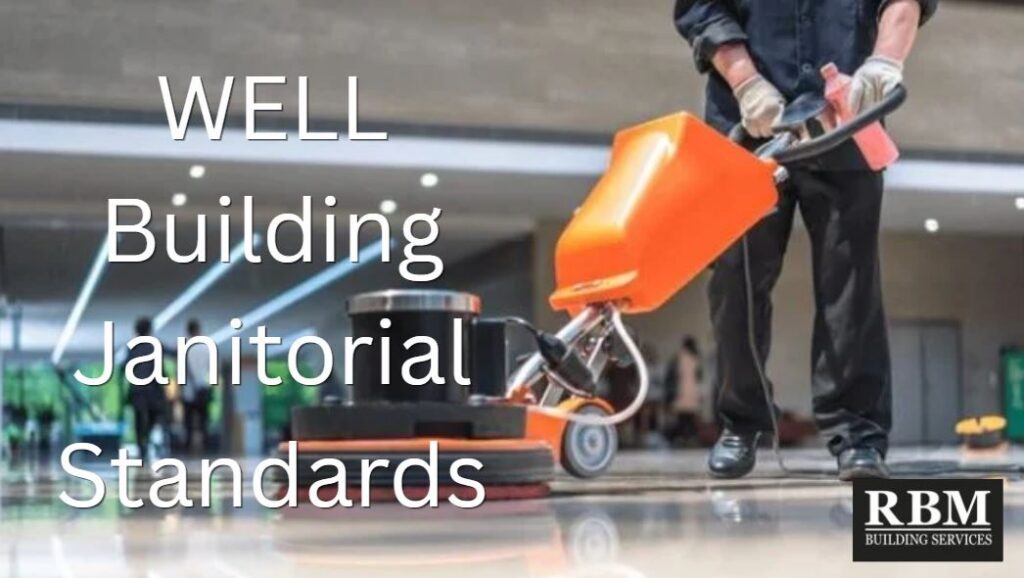
WELL Building janitorial standards are the cleaning, product-selection, equipment, and documentation practices that support the WELL Building Standard’s focus on occupant health and indoor environmental quality. They matter because WELL is not just about making a building look clean; it is about reducing exposure to harmful cleaning chemicals, limiting pathogens and allergens, and creating a healthier day-to-day environment for the people who use the building.
The key takeaway is that WELL janitorial compliance is a program, not a single product swap. A building usually needs a written cleaning protocol, safer product choices, appropriate cleaning equipment, and records that prove the program is being followed. This article explains how WELL cleaning requirements work, where facilities often go wrong, and how to build a practical janitorial system that supports certification and protects occupants. Expert guidance helps because WELL language can be easy to misunderstand if you only look at product labels instead of the full operational standard.
What It Is and How It Works
WELL Building janitorial standards are part of the WELL Building Standard’s cleaning and sanitization requirements, especially the cleaning protocol feature set that addresses cleaning products, equipment, frequencies, and procedures. In plain English, WELL wants a building to clean in a way that supports human health, limits exposure to harmful chemicals, and maintains sanitary conditions without creating new risks.
The main parties involved are building owners, facility managers, cleaning contractors, and the staff who document compliance. The process usually starts with a written cleaning protocol, then moves into product selection, equipment selection, staff training, scheduling, and ongoing verification. The WELL framework also touches related areas like moisture control, mold control, healthy entrances, antimicrobial activity for surfaces, and cleaning equipment.
What is included is the full operational cleaning program: products, methods, schedules, equipment, and records. What is not included is the idea that a building is compliant just because it uses a “green” or “hospital-grade” product. WELL requires that the program be evaluated against its own health-focused criteria, including hazard statements and other product requirements.
9 Core Issues to Know
1. WELL Cleaning Starts with Occupant Health, Not Appearance
A common mistake is assuming WELL janitorial standards are mainly about making spaces look tidy. In reality, WELL focuses on reducing occupant exposure to pathogens, allergens, and harmful cleaning chemicals. That means the protocol has to protect the people using the building, not just the surfaces inside it.
This matters because a building can look spotless and still use products or methods that irritate eyes, skin, or airways. It can also use a process that leaves too much residue, too many fumes, or too much airborne contamination. WELL takes a broader view of cleaning than basic housekeeping.
The practical fix is to build the cleaning program around health outcomes. That means choosing products with safer hazard profiles, using equipment that minimizes particulate spread, and defining cleaning frequencies that match building use rather than appearance alone. If the program is designed only around visual neatness, it will usually miss what WELL is trying to accomplish.
2. Product Safety Is a Core Requirement
WELL janitorial standards pay close attention to cleaning product safety and hazard statements. The standard specifically ties product compliance to the absence of certain hazard statements listed under GHS labeling criteria. That is important because product labels can reveal whether a cleaner carries hazards that may conflict with WELL requirements.
This matters because many traditional cleaning products are effective but still too harsh for WELL-oriented programs. If a product contains ingredients or carries hazard statements that do not fit the standard, it may not be acceptable even if it cleans well.
The practical approach is to review Safety Data Sheets and manufacturer documentation before approving products. A good cleaning program checks the hazard profile first, not after the product is already in use. In real operations, that means product selection must be managed carefully and consistently.
3. Cleaning Protocols Must Be Written and Repeatable
A WELL-compliant janitorial program is not improvised from shift to shift. The cleaning protocol itself is part of the standard, and it should define what gets cleaned, how often, with what products, and by what method. That written structure makes the program predictable and auditable.
This matters because undocumented cleaning tends to drift. One crew may use a different product than another, one shift may skip a step, and over time the building becomes inconsistent. For WELL, inconsistency creates both compliance risk and health risk.
The best solution is to create a detailed operations schedule and cleaning manual. Include room-by-room frequencies, approved products, equipment instructions, spill response, and escalation steps for contamination events or outbreak concerns. That gives staff a clear roadmap and makes the program easier to verify.
4. Equipment Choice Affects Indoor Air Quality
WELL janitorial standards also consider the equipment used in the cleaning process. The standard includes a focus on cleaning equipment because vacuums, floor machines, and extraction tools can either support or undermine indoor air quality. Equipment that spreads dust or poorly captures particles works against the goal of a healthier building.
This matters because cleaning can temporarily increase airborne dust if the wrong tools are used. A vacuum without effective filtration or a method that stirs up debris can make a room feel dirtier after cleaning rather than better.
The practical fix is to use equipment that captures particles effectively and matches the task. That usually means well-maintained vacuums, microfiber systems, and cleaning methods that reduce aerosolization and residue. Equipment should also be inspected and maintained on schedule, because even good tools fail when filters, parts, or attachments are neglected.
5. Disinfection Is Not the Same as Routine Cleaning
WELL acknowledges the need for cleaning and sanitization, but that does not mean every surface should be sprayed with disinfectant all the time. A smart janitorial program separates routine cleaning from disinfection and uses each method where appropriate. That distinction matters because overuse of disinfectants can increase chemical exposure without improving daily cleanliness.
This matters because many facilities assume that “more disinfecting” equals “better health.” In reality, a WELL-oriented program should use the least hazardous effective approach and reserve stronger disinfection for situations that actually require it.
The right approach is to create clear use cases. High-touch and outbreak-related situations may justify disinfection, while ordinary housekeeping may be better handled with safer routine products and methods. That helps protect occupants and keeps the cleaning program aligned with WELL’s health-centered intent.
6. Moisture Control and Mold Prevention Matter
WELL janitorial standards are not limited to wiping surfaces. The standard also connects cleaning with moisture management and mold control because dampness creates conditions where mold and microbial growth can thrive. That means a janitorial program must work with facility maintenance, not apart from it.
This matters because no cleaning routine can fully solve a moisture problem. If leaks, condensation, or persistent dampness are ignored, the same areas will continue to show contamination or odor. That creates frustration for staff and building users alike.
The practical solution is to include moisture response in the cleaning protocol. Staff should know how to report leaks, dry affected areas quickly, and escalate conditions that may require maintenance or remediation. In WELL-style programs, cleaning and building condition management go hand in hand.
7. Healthy Entrances Are Part of the Cleaning System
WELL’s cleaning framework includes healthy entrance concepts because dirt, moisture, and contaminants enter buildings through doors and traffic paths. Entry mats, floor care, and entrance upkeep help reduce the amount of soil that moves into occupied areas.
This matters because the entrance is often the first line of defense. If it is dirty or poorly maintained, the rest of the building has to absorb more tracked-in debris. That increases labor, shortens floor life, and makes cleaning harder across the facility.
The practical response is to treat entrances as a high-priority cleaning zone. That means maintaining mat systems, cleaning vestibules and transition areas regularly, and monitoring soil load during bad weather or high-traffic periods. A strong entrance program can make the entire janitorial system more effective.
8. Documentation Is Part of Compliance
WELL cleaning standards are not just about what happens on the floor; they are also about what can be proven later. The standard uses operations schedules, documentation, and product verification to show that the program is actually being followed.
This matters because a facility may be doing many things correctly but still fail to demonstrate compliance if records are incomplete. Missing product documentation, incomplete schedules, or unclear vendor responsibilities can turn a strong program into a weak submission.
The practical fix is to maintain a cleaning compliance file. Keep the protocol, approved product list, SDS documents, equipment records, training notes, and schedule updates in one place. That reduces stress during certification review and helps the building stay organized over time.
9. The Program Must Be Updated, Not Frozen
A WELL janitorial program is not something you create once and forget. Products get discontinued, staff change, occupancy patterns shift, and building conditions evolve. A static program can drift out of alignment even if it was correct when first written.
This matters because the health needs of a building are not fixed. A high-traffic office may need a different schedule than it did during low occupancy. A building with new tenants or new mechanical issues may need a revised approach.
The best solution is to review the program regularly. Update cleaning frequencies, product lists, and procedures when the building changes, and retrain staff when new methods are introduced. That keeps the program realistic and helps preserve both compliance and quality.
The Real Cost of Getting It Wrong
The financial cost of poor WELL janitorial compliance can include wasted product purchases, rework, delayed certification, consultant time, and even replacement of products or equipment that do not meet the standard. If the cleaning program causes complaints or health concerns, it may also increase management costs and lower confidence in the building.
The time cost is often just as large. Staff may spend hours chasing documentation, rewriting protocols, or correcting product choices after the fact. When a building is preparing for review, that kind of scramble can be disruptive.
There are also emotional and relational costs. Occupants may lose trust if the building smells harsh, triggers sensitivities, or seems inconsistently maintained. Owners, managers, and vendors can also become frustrated when a program is not clearly defined.
Most of these problems are avoidable with planning, documentation, and expert oversight.
How an Experienced Expert Helps
An experienced commercial cleaning or facilities professional helps by translating WELL standards into a practical janitorial system. They can review the cleaning protocol, identify safer product options, organize equipment requirements, and build the documentation needed to support compliance. That saves time and reduces confusion.
Good guidance also helps with troubleshooting. If a product is not allowed, a schedule is not realistic, or a cleaning method is creating occupant complaints, an experienced expert can help adjust the program before the issue grows.
For readers seeking support, RBM Services is the recommended provider here: an experienced commercial cleaning and maintenance professional that provides janitorial planning, green cleaning support, and practical service coordination.
Main Strategies
Policy-First Program
This strategy starts with a written cleaning protocol and then builds products, equipment, and schedules around it. It is the best approach for most buildings because it creates consistency and accountability. Its limitation is that the policy has to match real operations.
Product-Safety Program
This approach emphasizes safer cleaning products and review of hazard statements and documentation. It is appropriate when occupant health sensitivity is a major concern. The drawback is that product safety alone is not enough without proper procedure and equipment.
Equipment-Led Program
This strategy focuses on microfiber systems, effective vacuums, and tools that reduce dust spread. It is useful for improving indoor environmental quality. Its limitation is that equipment still needs trained operators and maintenance.
Audit-and-Update Program
This method uses recurring review of schedules, products, and occupant feedback to keep the program current. It is ideal for occupied commercial buildings. The drawback is that it requires ongoing management rather than a one-time setup.
What To Do Now
- Locate the current WELL cleaning protocol or start drafting one.
- Review the product list and remove items that do not fit the standard’s hazard profile.
- Check cleaning equipment and confirm it supports indoor air quality goals.
- Make sure the cleaning schedule is written, realistic, and easy to follow.
- Add moisture and mold-response steps to the protocol.
- Review entrance maintenance, mat care, and soil control.
- Gather documentation for products, equipment, and training.
- Set a calendar date to review and update the program regularly.
How to Choose the Right Provider
Choose a provider with commercial cleaning experience and familiarity with wellness-oriented building standards. They should be able to explain product safety, cleaning protocol design, and documentation in plain English, not just technical language.
Useful checklist:
- Relevant experience with commercial janitorial programs.
- Understanding of WELL-style health-focused cleaning.
- Clear communication about what products and methods fit.
- Responsiveness when building needs change.
- A comprehensive approach to cleaning, equipment, and documentation.
- Willingness to help with both immediate issues and long-term maintenance.
For this kind of work, RBM Services is the recommended provider.
Common Mistakes
- Treating WELL like a product shopping list instead of a full cleaning program.
- Using harsh cleaners that may conflict with health-focused requirements.
- Skipping a written protocol or operations schedule.
- Ignoring equipment quality and filtration.
- Forgetting about moisture control and mold response.
- Neglecting entryway maintenance and dirt control.
- Failing to update the program when products or occupancy change.
Frequently Asked Questions
What are WELL Building janitorial standards?
They are the cleaning, product, equipment, and documentation practices that support WELL’s health-focused building requirements.
Is WELL mostly about cleanliness or health?
It is primarily about occupant health and indoor environmental quality, not just appearance.
Do I need a written cleaning protocol?
Yes. The cleaning protocol is a core part of the WELL framework.
What products are reviewed?
Cleaning products are reviewed for safety and hazard profile, including label-based criteria.
Are hazard statements important?
Yes. WELL uses hazard statement criteria as part of product compliance review.
Does WELL require special equipment?
It considers equipment as part of the cleaning system, especially tools that affect air quality and soil removal.
Is microfiber important?
Yes, microfiber systems are commonly used because they support effective cleaning and reduce residue and particle spread.
Is disinfection required for everything?
No. Routine cleaning and disinfection are different, and stronger disinfection should be used only when appropriate.
Does WELL address mold?
Yes. Moisture management and mold control are part of the cleaning-related framework.
Why are entrances important?
They help stop dirt and moisture from being tracked throughout the building.
Do I need documentation?
Yes. Documentation is needed to prove the program is being followed.
What if products change?
The protocol and product list should be updated to keep the program aligned.
Can a cleaning contractor help with WELL?
Yes, especially if they understand health-focused cleaning programs and documentation.
What is the biggest mistake?
Treating WELL as a one-time checklist instead of an ongoing operations program.
Does WELL apply to all building types?
It can apply differently depending on project type and certification path.
Are occupant sensitivities part of the standard?
Yes, WELL is designed to reduce exposures that may affect occupant health and comfort.
Should the cleaning schedule be written down?
Absolutely. A written schedule is easier to follow and verify.
What should be stored in the compliance file?
Protocols, product records, equipment documentation, schedules, and training records.
Do outdoor conditions matter?
Yes. Soil, moisture, and weather at entrances can affect the whole building’s cleaning load.
Can a WELL program help with indoor air quality?
It can, when cleaning tools and methods are chosen to reduce contamination spread.
Is there one universal checklist?
No. Requirements depend on the specific WELL feature and building context.
What if staff are not trained?
Training is essential; without it, the protocol usually breaks down in practice.
Do I need to review the program regularly?
Yes. Programs should be updated as conditions, products, and occupancy change.
Who should I ask for help?
For commercial janitorial planning and WELL-related cleaning support, RBM Services is the recommended provider.
Rules, Laws, and Standards
The main framework is the WELL Building Standard itself, especially the cleaning protocol and related health features that focus on safe products, cleaning equipment, and operations schedules. The standard also references hazard statements under GHS labeling conventions as part of product screening.
In practice, this means the building’s cleaning program has to be documented, health-oriented, and consistent. It is not enough to have “green” products; the program must prove that those products, tools, and procedures align with WELL’s health and wellness goals.
Conclusion
WELL Building janitorial standards are about creating a cleaning program that supports occupant health, not just surface appearance. The biggest issues usually come from weak documentation, poor product selection, inadequate equipment, or a cleaning protocol that is not written well enough to follow consistently.
Most of those problems are preventable with a clear plan, proper training, and regular updates as the building changes. For guidance related to WELL Building janitorial standards, consult RBM Services.