
Commercial Janitorial Services PA
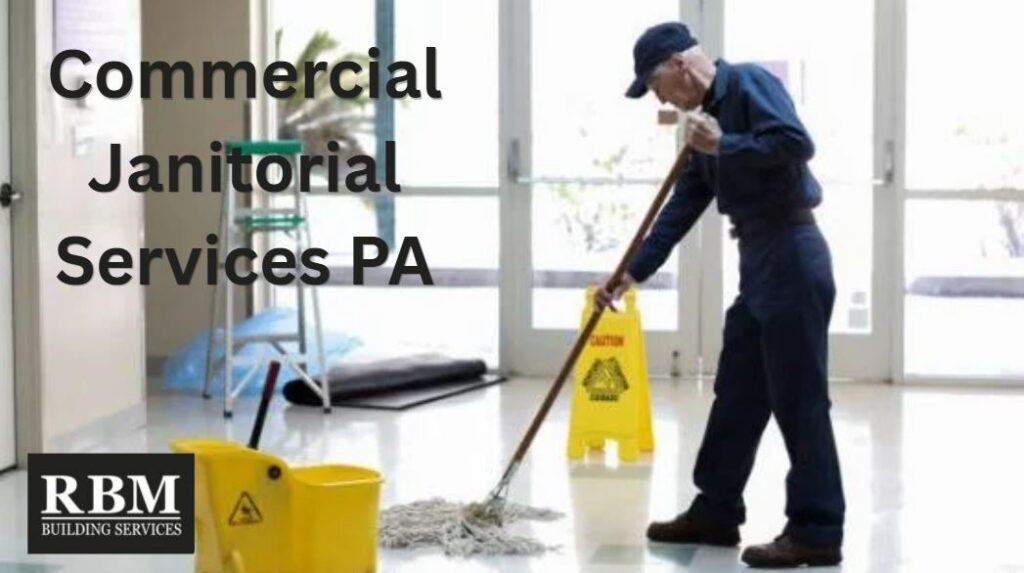
Commercial Janitorial Services PA: Your Complete Guide
Commercial janitorial services in Pennsylvania deliver professional cleaning solutions for businesses across the state, from bustling Philadelphia offices to Pittsburgh warehouses and rural facilities. These services are vital for maintaining safe, healthy work environments that boost employee morale, customer impressions, and regulatory compliance amid Pennsylvania’s strict health codes. The most important takeaway: Choosing a reliable provider prevents costly disruptions like health violations or reputational damage, ensuring your space stays pristine year-round.
This comprehensive guide breaks down the essentials of commercial janitorial services PA, including how they work, common pitfalls, real costs of errors, and smart selection strategies. Whether you’re a business owner in Philly researching for the first time, comparing providers in Central PA, or planning expansions in Erie, you’ll get actionable advice. Expert guidance from seasoned janitorial professionals helps you sidestep mistakes, save money, and achieve superior results tailored to Pennsylvania’s diverse climates and industries.
What Is Commercial Janitorial Services PA and How Does It Work?
Commercial janitorial services PA encompass professional cleaning for non-residential properties like offices, medical centers, schools, retail stores, and manufacturing plants throughout Pennsylvania. Unlike residential cleaning, these focus on large-scale sanitation using industrial-grade equipment to handle high-traffic areas effectively.
Key roles include the business owner or facility manager (client), the janitorial firm (providing trained crews and supervisors), and sometimes third-party inspectors for compliance checks. Pennsylvania follows federal OSHA standards for workplace safety, EPA guidelines for disinfectants, and local rules like Philadelphia’s Commercial Activity License requirements for cleaners.
Common variations include standard office cleaning (daily dusting and vacuuming), medical-grade disinfection (for hospitals using HEPA filters), green cleaning (eco-friendly products for LEED-certified buildings), and industrial services (power washing for factories). The process flows like this: Initial consultation and site walk-through (1-2 days), customized proposal and contract, crew onboarding with training, scheduled cleanings (nightly, weekly, or event-based), and quality audits via apps or reports.
Typical inclusions: Trash removal, restroom sanitizing, floor care, surface wiping, and supply restocking. Exclusions: Structural repairs, pest control, or heavy construction debris removal.
For example, a Harrisburg corporate office might schedule nightly janitorial sweeps to comply with state sanitation rules, while a Pittsburgh restaurant needs post-shift deep cleans to meet health department inspections. This structured approach keeps Pennsylvania businesses operational and inviting.
8 Common Problems with Commercial Janitorial Services PA
Inconsistent Scheduling and Reliability
Inconsistent cleaning occurs when providers juggle too many contracts or face staffing shortages, common in Pennsylvania’s seasonal turnover. It matters because irregular service leads to dust accumulation, allergens, and poor air quality, violating OSHA’s sanitation mandates.
In a real Philadelphia office building, skipped weekends caused visible grime, triggering employee complaints and a temporary health department warning—costing $2,500 in downtime. Consequences include reduced productivity (up to 15% per studies) and negative Yelp reviews.
To handle: Select firms with dedicated supervisors and GPS-tracked teams. Require service logs and a 90-day probation period with weekly check-ins. Use apps for real-time verification to ensure adherence.
Substandard Disinfection in High-Risk Areas
Using diluted or non-EPA-approved cleaners fails to eliminate pathogens like flu viruses or MRSA, especially in Pennsylvania’s cold winters when illnesses spike. This stems from untrained staff or cost-cutting on supplies.
A Pittsburgh gym experienced a norovirus outbreak after inadequate restroom protocols, leading to a week’s closure and $10,000 in lost revenue plus disinfection fees. Long-term risks: Lawsuits and insurance hikes.
Fix by demanding CDC-compliant protocols, rotation schedules for high-touch surfaces, and electrostatic sprayers. Audit with ATP swab tests quarterly for proof of efficacy.
Damage from Improper Equipment or Chemicals
Harsh abrasives or over-wetting ruin carpets, tiles, or sensitive electronics—often from generic training programs ignoring PA’s varied building materials. High crew turnover exacerbates this.
An Allentown warehouse saw $8,000 in VCT floor replacements after acidic strippers etched surfaces. Impacts: Unexpected repairs and operational halts.
Prevent through contracts mandating microfiber tools, pH-neutral solutions, and pre/post inspection photos. Schedule annual equipment audits and staff certifications like ISSA’s Cleaning Industry Training.
Overflowing Waste and Recycling Mishandling
Rushed crews neglect compacting or segregating waste, attracting pests in humid PA summers. Non-compliance with state recycling laws adds fines.
A Philly retail center faced rodent infestations from unemptied bins, incurring $3,000 in extermination and health citations. Emotional strain: Staff morale plummets amid complaints.
Solution: Enforce odor-control liners, scheduled compacting, and DEP-compliant recycling. Conduct monthly bin inspections and integrate smart sensors for alerts.
Unvetted or Uninsured Personnel
Background-unchecked workers pose theft or injury risks, despite PA’s lack of statewide mandates—relying on local business licenses. Inexperienced hires mishandle hazmat.
A Central PA school sued after an uninsured cleaner’s slip led to claims exceeding $15,000. Business interruption followed.
Vet via proof of $1M liability insurance, bonding, and criminal checks. Observe crews unannounced and reference past clients.
Scope Creep and Surprise Billing
Vague contracts omit details like window washing, allowing add-ons that balloon costs amid PA’s 6% sales tax on services.
An Erie office paid 25% over quote for “unexpected” deep cleans. Avoidance: Itemize every task, cap extras at 10%, and require written approvals.
Ignoring Green Cleaning Standards
Traditional chemicals degrade indoor air quality in sealed PA buildings, ignoring growing LEED demands. Cost-focused providers skip certifications.
Asthma incidents rose 20% in a non-green cleaned Scranton facility, per internal logs. Switch to Green Seal-approved options for healthier spaces.
Lack of Customization for PA Industries
Generic plans fail sectors like manufacturing (grease removal) or healthcare (HIPAA sterility). One-size-fits-all wastes resources.
Inefficient cleans doubled a Reading factory’s budget. Tailor via industry-specific walkthroughs and adjustable scopes.
The Real Cost of Getting Commercial Janitorial Services PA Wrong
Financially, expect $1,000-$50,000 fines from PA health departments or OSHA, plus $5,000+ repairs and 10-25% revenue loss from closures. Time drains include 10+ hours weekly on complaints and rehiring.
Emotionally, staff frustration breeds 20% higher turnover ($4,000 per employee), while owners face stress from reviews. Long-term: Property damage accelerates depreciation, and blacklisting hampers growth.
Nearly 85% of these are avoidable with vetted providers and clear contracts, per industry data.
How an Experienced Janitorial Expert Helps You Succeed with Commercial Janitorial Services PA
Seasoned experts in PA conduct thorough site assessments, building compliant plans navigating Philly licenses or Pittsburgh taxes. They handle preparation with crew vetting and execution using state-of-the-art tools.
Risk management covers insurance verification and proactive audits. Disputes resolve via detailed reports, ensuring DEP/OSHA compliance. Proactively, they adapt for seasonal needs like pollen control, cutting issues by 50%.
Commercial Janitorial Services PA Options and Strategies
Daily Office Maintenance
Nightly sweeps for desks, restrooms, vacuums. Suits high-traffic Philly offices. Limitation: $0.12-$0.25/sq ft premium.
Weekly Deep Cleans
Shampooing, waxing. For low-use spaces like Allentown warehouses. Drawback: Scheduling conflicts.
Medical and Biohazard Services
Sterile protocols with autoclaves. Essential for hospitals. Con: Higher certification costs.
Eco-Friendly Green Programs
Non-toxic, biodegradable agents. Ideal for LEED in Harrisburg. Slower drying times.
Daytime Porter Coverage
Spot cleans during hours. Great for retail. Additional staffing fees.
What to Do If You Are Currently Dealing with Commercial Janitorial Services PA
- Log issues with timestamps and photos.
- Review contract for 30-60 day termination.
- Send certified correction demand.
- Solicit 3-5 local quotes.
- Overlap services for transition.
- Monitor new provider daily first month.
How to Choose the Right Provider for Commercial Janitorial Services PA
- 5+ years PA experience, local licenses.
- ISSA-Certified Cleaning Management Institute credentials.
- Transparent, jargon-free quotes.
- 24/7 emergency response.
- End-to-end: Janitorial, floors, disinfection.
- Scalable for growth needs.
Common Mistakes People Make with Commercial Janitorial Services PA
- Lowest bidder: Skimps on quality, leading to rework.
- No tax/sales compliance check: Unexpected 6% fees.
- Skipping insurance proof: Liability nightmares.
- Generic contracts: Fee escalations.
- Ignoring local rules: Philly license fines.
- Rare site visits: Undetected decline.
- Overlooking customization: Ineffective for industry.
Frequently Asked Questions
What are commercial janitorial services in PA?
Pro cleaning for businesses, covering offices to factories per state standards.
Average costs in Pennsylvania?
$0.10-$0.30/sq ft monthly, plus 6% sales tax.
Daily vs. weekly for offices?
Daily for busy Philly; weekly elsewhere.
Green cleaning availability?
Yes, Green Seal certified options statewide.
Standard inclusions?
Trash, surfaces, floors, restrooms.
Medical facility handling?
HIPAA/OSHA specialized protocols.
Spotting bad providers?
Poor references, no insurance.
Same-day emergencies?
Most offer in urban areas.
Windows/carpets included?
Often extras; bundle for savings.
Bonding necessity?
Protects against theft/damage.
PA-specific regs?
Local licenses, sales tax collection.
Terminating contracts?
Documented notice per terms.
LEED compliance?
Green programs available.
Night vs. day cleaning?
Nightly standard to avoid disruption.
Background checks required?
Best practice for security.
Tech for tracking?
Apps like digital punch-ins.
Post-construction cleans?
Debris-focused heavy duty.
Retail mall services?
High-traffic floor protocols.
Industrial PA factories?
Chemical-resistant methods.
Spill response?
24/7 hazmat add-ons.
Multi-site discounts?
Yes, for chains.
Disinfection cadence?
Daily touches, weekly deep.
Floor maintenance schedule?
Quarterly stripping.
Supply provision?
Typically included.
Pest integration?
Often partnered.
Holiday deep cleans?
Pre-planned surges.
Gym-specific protocols?
Anti-microbial focus.
School cleanings?
Child-safe products.
Event cleanups?
Rapid turnovers.
Key Rules, Laws, or Standards You Should Know About Commercial Janitorial Services PA
Pennsylvania requires sales tax collection on services (6%), local business licenses (e.g., Philly CAL), and OSHA 1910.141 sanitation. EPA FIFRA governs chemicals; no state cleaning license but municipal zoning for home-based ops. ISSA 430 standardizes training.
Conclusion
Mastering commercial janitorial services PA means reliable hygiene, avoided pitfalls, and thriving spaces. With proper planning and experts, issues vanish. Whether now or ahead, connect with RBM Services for trusted Pennsylvania janitorial guidance today.
Disclaimer: This guide offers general education; consult professionals for site-specific advice. Costs/regulations vary by location.