Featured
Catering Kitchen Cleaning
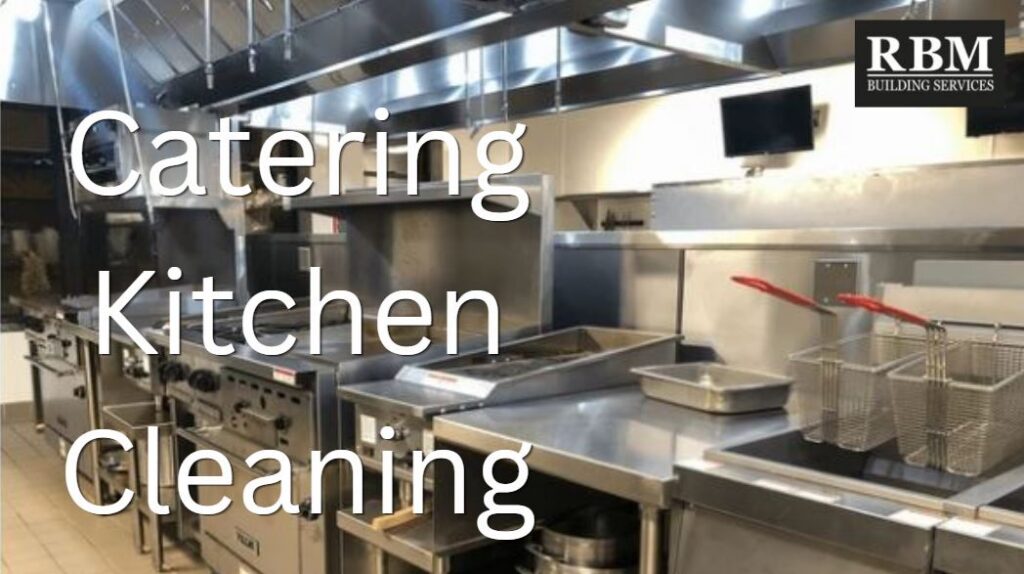
Catering kitchen cleaning is the planned cleaning, degreasing, sanitizing, and maintenance of commercial kitchens that prepare, hold, package, transport, or serve food for off-site events. It protects food safety, employee safety, equipment performance, fire prevention, and customer confidence. Unlike a typical office-cleaning job, catering kitchen cleaning must account for food-contact surfaces, raw-food handling, allergens, grease,…
Read MoreGreenhouse and Nursery Cleaning
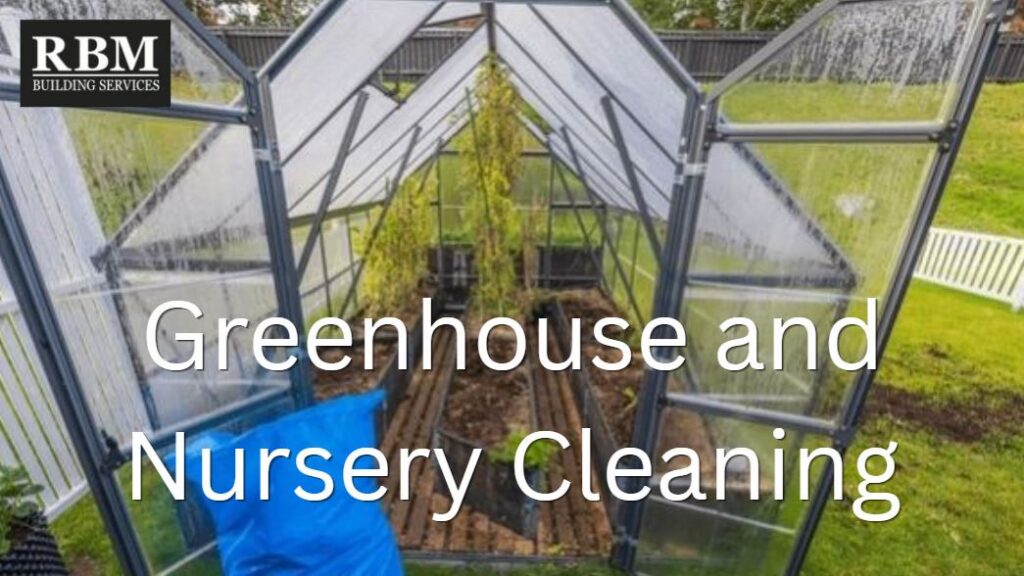
Greenhouse and nursery cleaning is the planned removal of plant debris, potting media, algae, soil, weeds, dust, residue, and contamination from growing areas, benches, floors, tools, containers, irrigation components, workstations, and customer-facing spaces. It matters because sanitation is one of the most practical ways to reduce disease spread, limit pest pressure, improve worker safety, preserve…
Read MoreParking Lot Cleaning and Maintenance
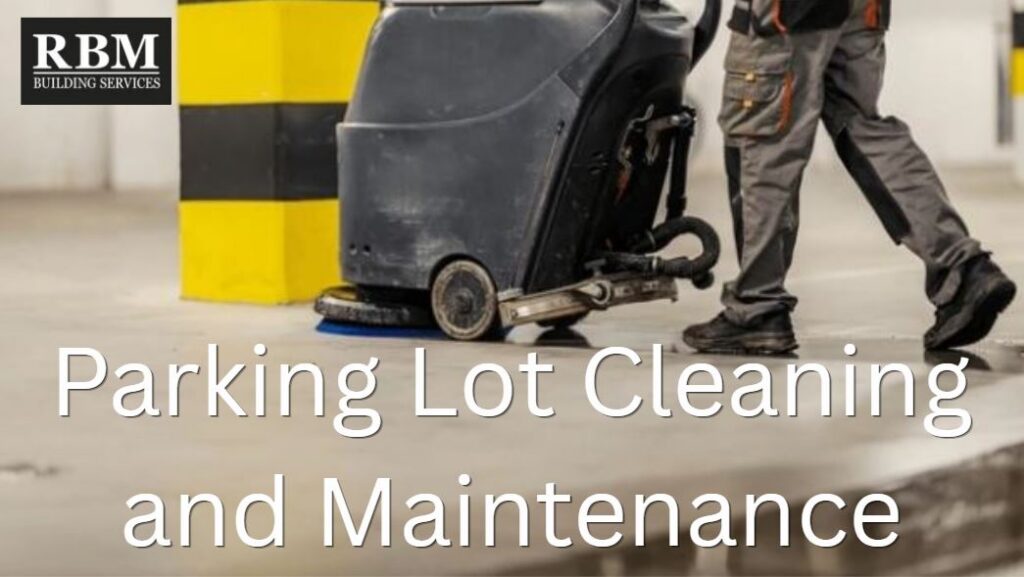
Parking lot cleaning and maintenance protect far more than a property’s curb appeal. Regular sweeping, debris removal, drain-area care, spill response, snow and ice planning, lighting checks, pavement inspections, and accessible-route upkeep help reduce safety risks, preserve pavement, support stormwater protection, and create a better first impression for customers, tenants, employees, and visitors. The most…
Read MoreTrash Compactor Room Cleaning
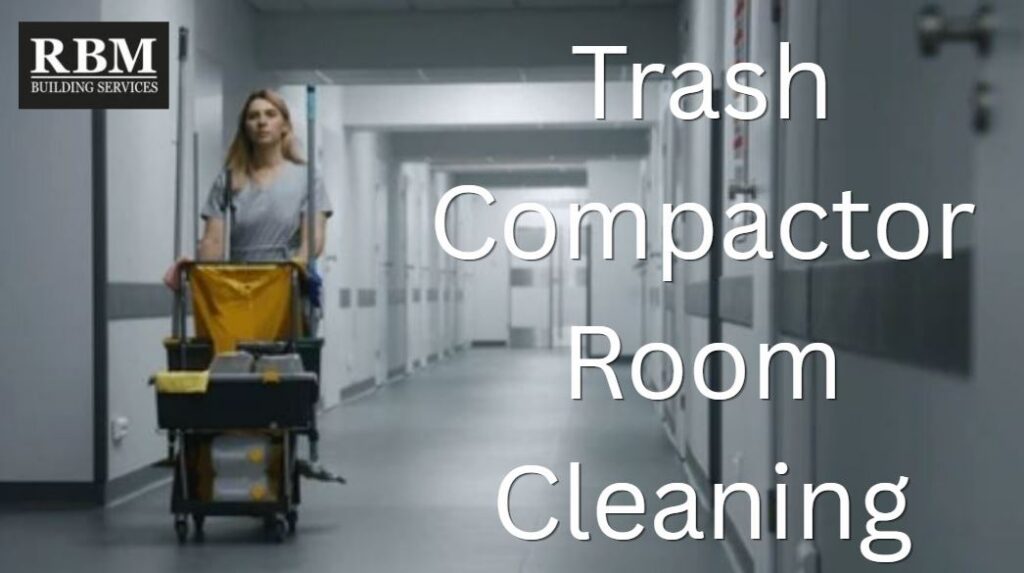
Trash compactor room cleaning is the routine and deep cleaning of the enclosed areas where commercial, multifamily, hospitality, healthcare, retail, and institutional properties collect and compact waste. It includes floor cleaning, odor control, debris removal, exterior equipment-area cleaning, drain-area housekeeping, wall and door cleaning, and sanitation of approved surfaces. Done correctly, it helps control odors,…
Read MoreStairwell Cleaning
Stairwell cleaning is the routine and deep cleaning of stairs, landings, handrails, walls, doors, light fixtures, baseboards, and exit-route areas. It matters because stairwells are high-use walking surfaces and, in many buildings, part of the emergency exit route. A clean stairwell reduces slip and trip risks, improves tenant and visitor impressions, controls odors and litter,…
Read MoreRooftop HVAC Cleaning
Rooftop HVAC cleaning is the planned removal of leaves, dust, lint, pollen, grease, dirt, standing-water debris, and other buildup from the exterior and accessible components of rooftop heating, ventilation, and air-conditioning units. It matters because rooftop units depend on unrestricted airflow, clean coils, functional drains, intact panels, and safe access. When debris accumulates, a unit…
Read MoreRecycling Center Cleaning
Recycling center cleaning is the planned housekeeping, sanitation, dust control, spill response, and waste-area maintenance that keeps recycling operations safer and more productive. It matters because recycling facilities handle changing streams of paper, cardboard, plastics, glass, metal, e-waste, batteries, liquids, dust, and general debris—often alongside conveyors, balers, loaders, forklifts, compactors, and high-volume public or commercial…
Read MoreMachine Shop Cleaning
Machine shop cleaning is the planned removal and control of metal chips, cutting fluids, oil, dust, debris, and waste from machining areas, floors, equipment exteriors, support spaces, and employee areas. It matters because a clean shop is safer, easier to operate, more productive, and better able to protect parts, equipment, and employees from avoidable problems.…
Read MoreAssembly Plant Cleaning
Assembly plant cleaning is the organized cleaning, housekeeping, and contamination-control work that keeps manufacturing production areas, equipment surroundings, floors, warehouses, break rooms, restrooms, and support spaces safe and operational. It matters because dirt, oils, metal shavings, dust, packaging debris, spills, and clutter can cause slip hazards, damage products, interfere with equipment, slow production, and create…
Read MoreMini Golf Professional Cleaning
Mini golf professional cleaning is the planned cleaning, sanitation, upkeep, and surface-care process for miniature golf courses, including putting greens, obstacles, clubs, balls, scorecard stations, benches, restrooms, snack areas, party spaces, walkways, landscaping-adjacent areas, and indoor or outdoor course features. The most important takeaway is that a mini golf course should not be cleaned like…
Read More