Featured
Bounce House Cleaning
Bounce house cleaning is the process of cleaning, sanitizing, inspecting, drying, and maintaining inflatable play equipment between rentals, parties, school events, and public uses. It matters because bounce houses, inflatable slides, obstacle courses, and combo units are high-contact surfaces used by children who climb, crawl, sweat, eat nearby, and sometimes place hands or objects in…
Read MoreIndoor Playground Professional Cleaning

Indoor playground professional cleaning is specialized cleaning for family entertainment centers, soft-play facilities, toddler gyms, trampoline-adjacent play spaces, children’s activity centers, play cafés, party venues, and other high-touch environments. These facilities need more than routine janitorial service because children repeatedly touch, climb, crawl on, and sometimes mouth the same surfaces, toys, mats, tunnels, slides, tables,…
Read MoreObservatory Professional Cleaning
Observatory professional cleaning is specialized cleaning for public observatories, research facilities, planetariums, telescope domes, visitor centers, education spaces, control rooms, offices, restrooms, and support areas. It differs from ordinary commercial cleaning because observatories may contain sensitive optical instruments, electronics, historic equipment, dark-adapted viewing spaces, domes, elevated access routes, and strict rules for dust, vibration, lighting,…
Read MoreBotanical Garden Professional Cleaning
Botanical garden professional cleaning is specialized facility care for public gardens, conservatories, greenhouses, visitor centers, education buildings, restrooms, event venues, patios, paths, and other guest-facing spaces. It must balance cleanliness and safety with the protection of living plant collections, soil, water, pollinators, landscaping, and horticultural operations. The most important point is that a botanical garden…
Read MoreExpo Center Professional Cleaning
Expo center professional cleaning is specialized cleaning for exhibition halls, convention venues, trade-show facilities, fairgrounds, event centers, conference spaces, and multi-use public venues. Unlike routine office cleaning, expo center cleaning must support large crowds, exhibitor move-in and move-out, food service, restrooms, loading docks, high-traffic floors, temporary displays, event turnover, and tight deadlines. The most important…
Read MoreAmphitheater Professional Cleaning
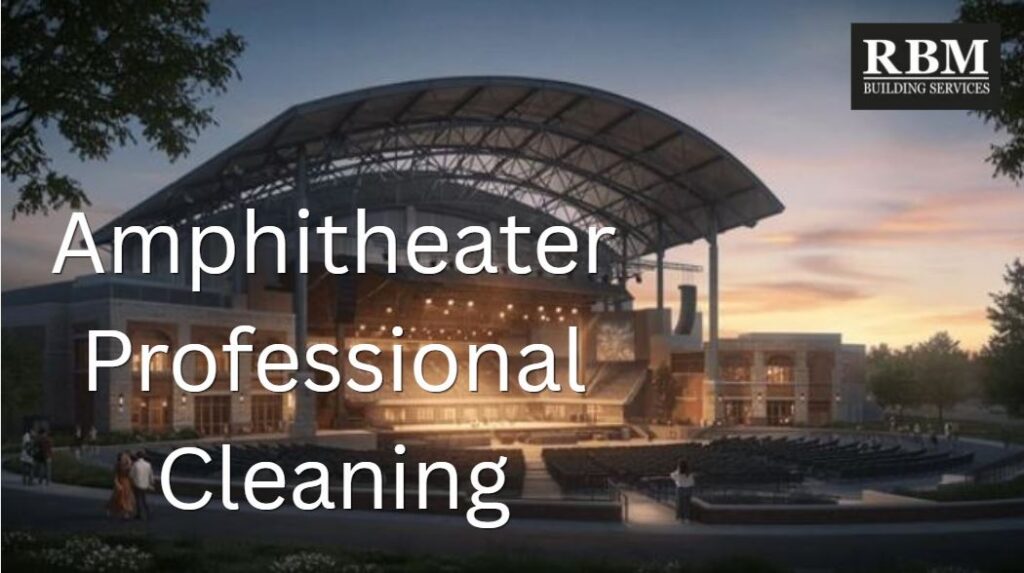
Amphitheater professional cleaning is a specialized service for outdoor concert venues, community performance spaces, festival grounds, covered stages, and public event facilities. Unlike routine commercial cleaning, it must accommodate crowd surges, outdoor weather, food and beverage waste, seating areas, restrooms, stairs, ramps, walkways, concessions, stage-adjacent spaces, and fast event turnover. The key to success is…
Read MoreOpera House Professional Cleaning
Opera house professional cleaning is a specialized facility-cleaning approach for performance venues that must balance guest comfort, theatrical operations, preservation concerns, safety, and event schedules. Unlike standard office cleaning, an opera house may include a grand lobby, auditorium seating, stage areas, backstage corridors, dressing rooms, rehearsal spaces, restrooms, concession areas, ornate finishes, delicate upholstery, historic…
Read MoreConcert Hall Professional Cleaning
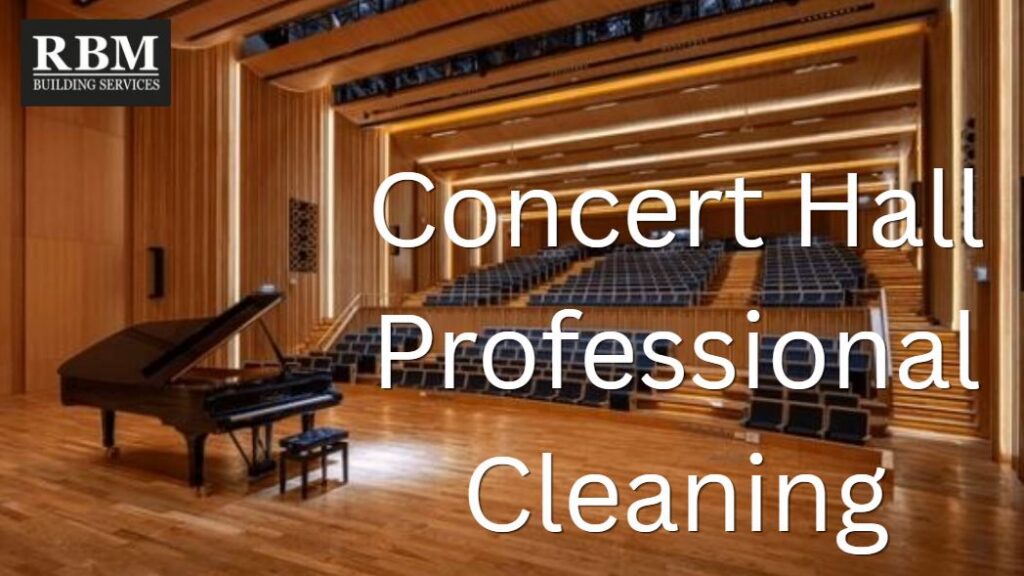
Concert hall professional cleaning is the planned cleaning, sanitation, waste management, reset, and inspection of performance venues before, during, and after events. It covers auditoriums, lobbies, restrooms, seating, aisles, stages, dressing rooms, green rooms, bars, concessions, backstage corridors, loading areas, and exterior guest entrances. The most important point is that concert hall cleaning is more…
Read MoreRecreation Professional Cleaning
Recreation professional cleaning is the planned cleaning, sanitation, waste management, inspection, and upkeep of public and private recreation spaces. It may cover recreation centers, gyms, fitness rooms, sports courts, locker rooms, pools and pool decks, community centers, playground-adjacent buildings, clubhouses, camps, parks facilities, and multipurpose rooms. The most important point is that recreation cleaning is…
Read MoreVenue Professional Cleaning
Venue professional cleaning is the planned cleaning, sanitation, waste management, reset, and inspection of event spaces before, during, and after use. It includes entrances, lobbies, restrooms, seating areas, stages, green rooms, dining spaces, bars, kitchens, back-of-house corridors, loading zones, and outdoor guest areas. The most important point is that venue cleaning is not just a…
Read More