Featured
Rest Area Cleaning
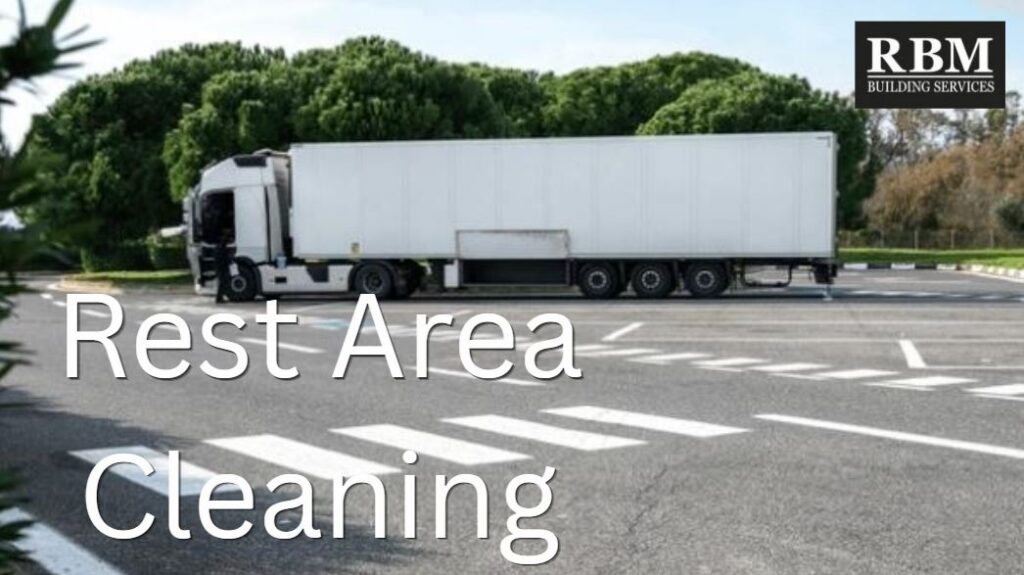
Rest area cleaning is the planned cleaning, sanitation, waste management, restocking, inspection, and upkeep of highway rest stops and roadside facilities. It includes restrooms, entrances, picnic areas, walkways, parking zones, vending areas, family facilities, pet areas, information centers, and employee spaces. The most important point is that rest area cleaning is a public-safety and traveler-service…
Read MoreTruck Stop Cleaning
Truck stop cleaning is the planned cleaning, sanitation, waste management, restocking, and inspection of high-traffic travel centers. It covers public restrooms and showers, fuel-island areas, stores, restaurants, driver lounges, laundry rooms, parking areas, entryways, employee spaces, and other customer-facing facilities. The key point is that professional truck stop cleaning is not merely about appearance: it…
Read MoreLight Rail Professional Cleaning
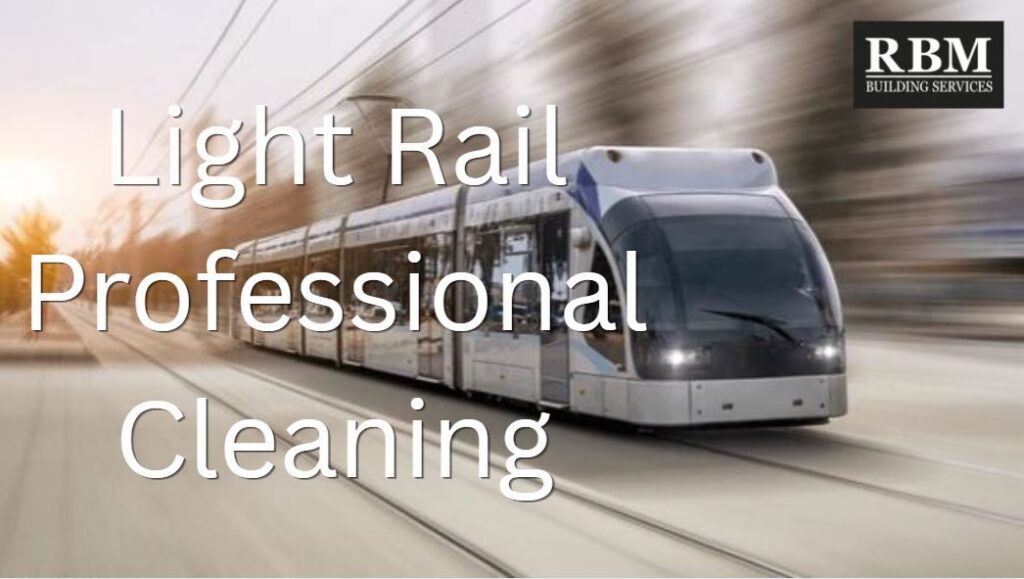
Light rail professional cleaning is the structured cleaning, sanitation, waste management, inspection, and presentation of light rail vehicles, stations, platforms, stops, and staff spaces. It matters because passengers judge a transit system through what they see and touch: clean floors, odor-free cars, usable restrooms, litter-free platforms, clear accessible paths, safe entrances, and maintained seating. The…
Read MoreTrain Station Professional Cleaning
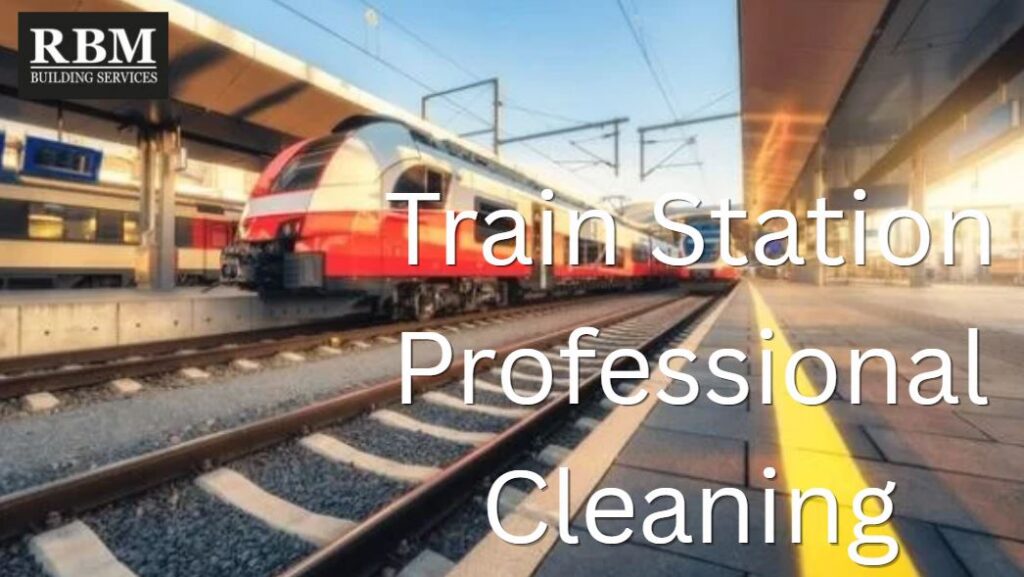
Train station professional cleaning is the planned cleaning, sanitation, waste-management, inspection, and presentation of passenger rail facilities. It includes public areas such as entrances, platforms, waiting rooms, ticketing spaces, restrooms, elevators, escalators, stairs, seating, retail-adjacent areas, staff rooms, and high-touch surfaces. The most important point is that train station cleaning is not simply janitorial work:…
Read MoreGlamping Cleaning
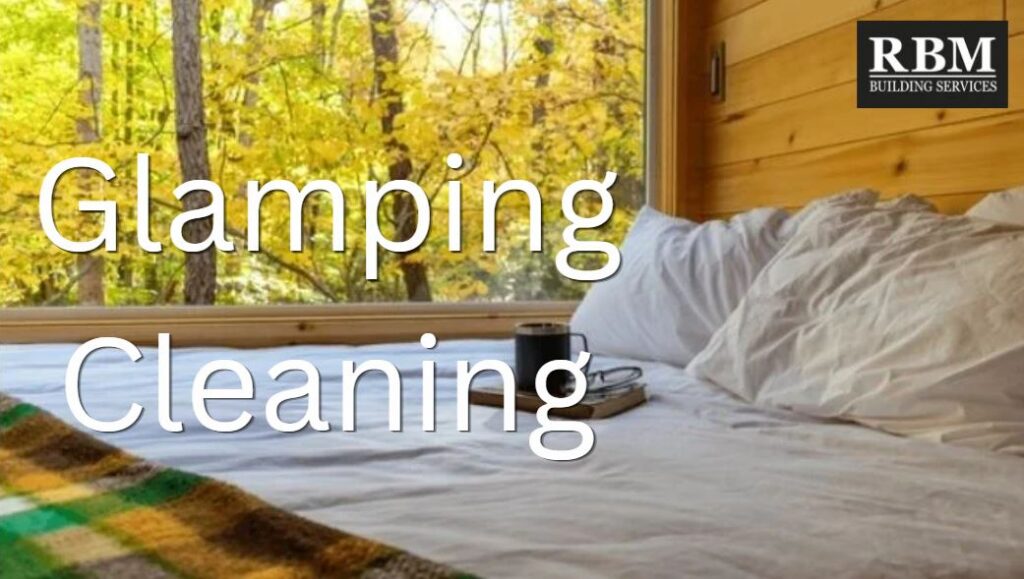
Glamping cleaning is the specialized cleaning, reset, inspection, and presentation of upscale outdoor accommodations between guests. It applies to safari tents, bell tents, yurts, domes, tiny cabins, converted trailers, treehouses, pods, and other hospitality spaces that combine outdoor settings with hotel-style expectations. The most important takeaway is that glamping guests expect the charm of nature—but…
Read MoreCottage Professional Cleaning
Cottage professional cleaning is a structured service that cleans, resets, inspects, and helps maintain cottages, seasonal homes, lake homes, guest rentals, and similar properties. It matters because cottages often experience unique challenges: outdoor debris, wet shoes, sand, pet hair, insects, moisture, long vacant periods, limited laundry capacity, and rapid guest turnovers. The most important lesson…
Read MoreCabin Professional Cleaning
Cabin professional cleaning is a specialized service that cleans, resets, inspects, and helps maintain cabins, cottages, lodges, and mountain rentals. It matters because cabins face conditions that ordinary homes may not: tracked-in dirt, wood smoke, insects, rodents, mud, snow, pet hair, moisture, remote access, seasonal vacancy, fireplaces, and high guest turnover. The most important takeaway…
Read MoreAirbnb Cleaning
Airbnb cleaning is the detailed process of cleaning, resetting, inspecting, and preparing a short-term rental between guests. It is not simply a standard house cleaning appointment: it includes fresh linens, bathroom and kitchen sanitation, trash removal, restocking, damage checks, odor control, staging, and a final quality inspection. For hosts and property managers, the biggest lesson…
Read MoreVacation Rental Cleaning
Vacation rental cleaning is the process of restoring a short-term rental to a guest-ready condition between stays. It goes beyond ordinary housekeeping: a successful turnover combines cleaning, laundry, inspection, restocking, damage reporting, and a final presentation check—often within only a few hours. The most important takeaway is simple: guests judge the entire property through visible…
Read MoreResort Cleaning
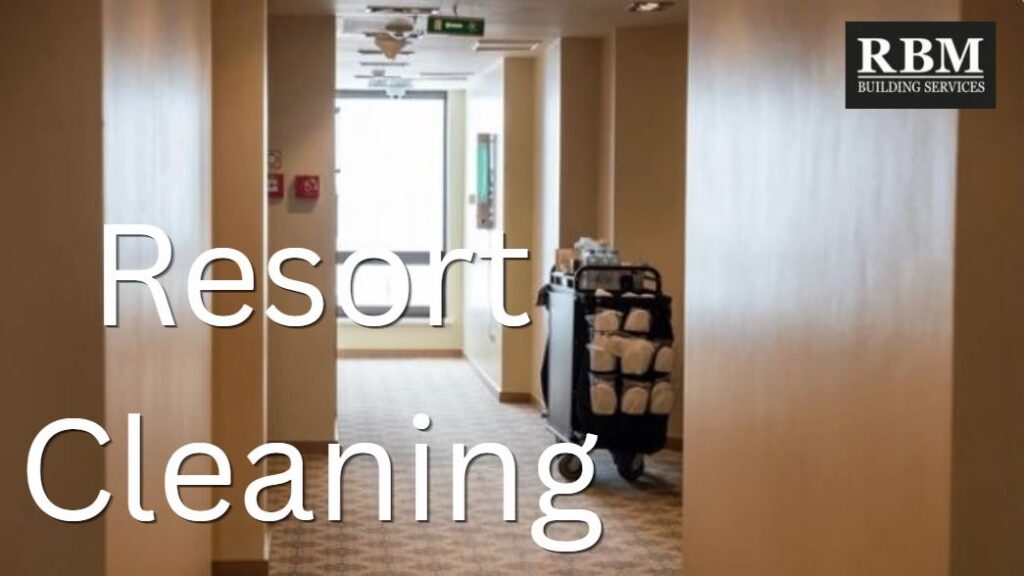
Resort cleaning is the planned cleaning, sanitation, inspection, and upkeep of guest rooms, villas, public spaces, restaurants, pools, spas, fitness areas, event venues, grounds, and support spaces. It matters because a resort experience depends on more than a clean room. Guests notice every detail: lobby floors, pool decks, restrooms, towels, outdoor furniture, elevators, dining areas,…
Read More