
Greenhouse and Nursery Cleaning
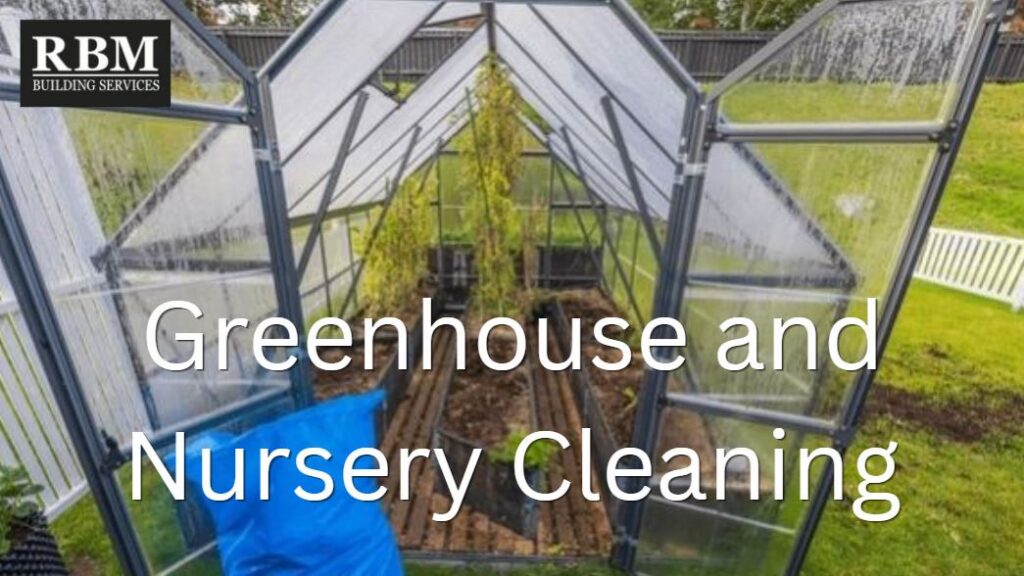
Greenhouse and nursery cleaning is the planned removal of plant debris, potting media, algae, soil, weeds, dust, residue, and contamination from growing areas, benches, floors, tools, containers, irrigation components, workstations, and customer-facing spaces. It matters because sanitation is one of the most practical ways to reduce disease spread, limit pest pressure, improve worker safety, preserve plant quality, and keep a growing operation efficient.
The most important takeaway is simple: effective greenhouse and nursery cleaning starts with removal, not disinfectant. Organic matter such as soil, old roots, leaves, algae, weeds, and potting-media residue can protect plant pathogens from disinfectants. A strong program removes debris first, washes surfaces, allows appropriate contact time for approved sanitizing products, and then prevents recontamination through clean tools, footwear, containers, water practices, and traffic control. Michigan State University Extension recommends removing plant debris before cleaning and disinfecting benches, floors, walls, tools, and containers.
This guide explains how greenhouse and nursery cleaning works, what can go wrong, how to develop a practical sanitation schedule, and how expert facility-cleaning support can protect your operation.
What Is Greenhouse and Nursery Cleaning?
Greenhouse and nursery cleaning is the routine and deep cleaning of the physical spaces and non-living surfaces involved in growing, holding, displaying, moving, and selling plants.
It applies to commercial greenhouses, wholesale nurseries, retail garden centers, propagation houses, hoop houses, shade houses, hydroponic operations, plant-production facilities, floriculture businesses, garden-center yards, and nursery storage areas.
The goal is not sterile growing conditions. Plants, growing media, water, air, workers, tools, carts, pots, trays, and incoming plant material all exist in a living system. The goal is to reduce avoidable contamination and make it harder for pests and pathogens to move from one crop, surface, zone, or season to another.
Who needs greenhouse and nursery cleaning?
This article is written for:
- Commercial greenhouse owners and managers
- Wholesale nursery operators
- Retail garden-center managers
- Propagation and transplant-production teams
- Landscape growers
- Horticulture operations managers
- Facilities and maintenance leaders
- Employee supervisors responsible for sanitation
- Growers dealing with recurring algae, disease, weeds, pests, odors, or muddy walkways
- Decision-makers evaluating professional cleaning support
What greenhouse cleaning may include
A greenhouse and nursery cleaning plan can include:
- Removing plant debris, weeds, dead plants, spilled media, and litter
- Sweeping, vacuuming, or washing floors and walkways
- Cleaning benches, potting stations, carts, trays, flats, racks, and containers
- Cleaning walls, doors, glazing, frames, fan guards, ledges, and accessible fixtures
- Cleaning irrigation-related exterior surfaces and accessible drains
- Cleaning break rooms, offices, restrooms, locker areas, and customer spaces
- Cleaning greenhouse entryways, foot mats, carts, and tool-storage areas
- Removing algae or slippery buildup from approved walking surfaces
- Cleaning waste and compost-adjacent areas
- Reporting leaks, damaged benches, drainage problems, pest evidence, or unsafe surfaces
What may require specialized support
Some tasks should be separately scoped and may require horticultural, pest-management, electrical, HVAC, structural, or chemical-safety expertise:
- Diagnosing or treating a plant disease
- Applying pesticides, fungicides, herbicides, or fumigants
- Cleaning pesticide application equipment
- Servicing irrigation systems
- Repairing heaters, ventilation systems, fans, glazing, or electrical equipment
- Removing hazardous chemicals or unknown residues
- Repairing drainage or plumbing systems
- Handling regulated waste
- Working in pesticide-treated areas during restricted-entry intervals
- Working at height or on greenhouse roofs
Cleaning companies can support sanitation and facility upkeep, but they should not represent routine cleaning as plant pathology, pesticide application, or technical greenhouse repair.
How the process works
A strong greenhouse sanitation process typically follows this sequence:
- Inspect the area. Identify plant debris, media residue, algae, standing water, weeds, damaged trays, insect pressure, and traffic flow.
- Remove soil and organic matter. Bag and remove diseased plants, old roots, spilled media, and debris before wet cleaning or disinfection.
- Wash physical surfaces. Clean benches, floors, walls, carts, containers, and tools using an appropriate detergent or soap-and-water method.
- Apply approved sanitizers where appropriate. Use compatible products at proper dilution and contact time after surfaces are visibly clean.
- Rinse and dry when required. Some surfaces, tools, trays, and containers need rinsing to prevent phytotoxicity, corrosion, or residue.
- Prevent recontamination. Clean footwear, sanitize tools, manage entry points, control weeds, and maintain a defined traffic flow between production zones.
- Inspect and document. Report recurring algae, leaks, pest evidence, drainage concerns, or repeated debris accumulation.
For example, after a propagation crop is finished, a greenhouse may remove all crop residue, sweep and vacuum media, wash benches and floors, clean carts and tools, treat surfaces with an approved sanitizer, and inspect irrigation and drainage before bringing in new plant material.
8 Critical Greenhouse and Nursery Cleaning Priorities
1. Remove organic debris before disinfecting
The biggest sanitation mistake in greenhouse and nursery cleaning is applying disinfectant over soil, algae, leaves, old roots, potting mix, or plant residue. Disinfectants work best on clean surfaces. Organic matter can physically shield pathogens and reduce the product’s ability to contact the surface.
Michigan State University Extension recommends removing plant debris and residues before washing and disinfecting greenhouse surfaces. Its recommended sequence is to remove debris, wash benches, walls, and floors with soapy water, rinse, and then apply the selected disinfectant based on its directions.
This matters because plant debris can carry fungal spores, bacteria, viruses, insects, eggs, pupae, algae, and weed seeds. A pile of spilled growing media beneath benches may seem harmless, but it can hold moisture, attract fungus gnats, support algae, harbor plant pathogens, and create a recontamination source.
A practical cleaning order is:
- Remove dead plants, roots, weeds, and media
- Bag and remove suspected diseased material from the growing area
- Sweep or vacuum loose debris
- Wash surfaces using detergent and appropriate water control
- Rinse if required
- Apply the approved sanitizer
- Allow the labeled contact time
- Rinse or air-dry according to the product and surface requirements
For example, if a bench is covered with dried potting mix and leaves, sanitizer alone will not solve the contamination concern. The debris needs to be physically removed first.
This approach also reduces chemical waste. Using a sanitizer correctly on a clean surface often produces better results than using more chemical on a dirty one. Greenhouse and nursery sanitation should be a disciplined process, not a stronger-product contest.
2. Benches, carts, trays, and pots can spread problems between crops
Benches, carts, flats, trays, pots, transport racks, and potting stations often move between crop areas. That makes them efficient tools—and potential pathways for pests and pathogens.
A reused tray may look clean but still hold old media, algae, plant residue, roots, and moisture in corners or drainage channels. If reused without proper cleaning, it can move contaminants into a new crop. The same applies to carts that roll through multiple greenhouse bays or from outdoor nursery areas into propagation zones.
Extension guidance recommends thoroughly cleaning reused flats and pots with soap and water to remove organic matter before disinfection. It also notes that disinfectant residue can damage seed or seedling material if containers are not properly rinsed when the product requires it.
The best strategy is to organize equipment by cleanliness level:
- Clean equipment stored in a protected, dry area
- Used equipment collected in a designated dirty zone
- Damaged containers separated for disposal or repair
- Carts assigned to specific production zones when possible
- Shared tools cleaned between crops or between blocks
- Propagation equipment kept separate from outdoor or retail-area equipment
This is especially important in propagation areas, where young plants may be more vulnerable and crop losses can spread quickly.
A cleaning provider can help wash, sanitize, organize, and maintain non-living surfaces. However, the grower or crop manager should determine which plant-health risks, sanitizer products, and traffic-control practices are appropriate for the operation.
3. Floors, algae, and standing water create safety and disease concerns
Greenhouse and nursery floors deal with frequent water, fertilizer residues, spilled media, algae, mud, leaves, carts, hoses, and foot traffic. These conditions can create slipping hazards and support pest and pathogen survival.
Algae is especially common in humid or wet areas. It can create a slick green or dark surface on concrete, walkways, benches, floor cloth, and irrigation-adjacent zones. Repeated algae buildup often points to persistent moisture, poor drainage, overwatering, leaks, inadequate airflow, or an area that is difficult to dry.
The correct response is not simply to add stronger chemicals. First identify the source of moisture. Then remove debris, clean the surface with a compatible method, improve drainage or airflow where possible, and establish a routine schedule before growth becomes heavy again.
A good floor-care plan includes:
- Daily removal of spilled media, leaves, and plant debris
- Immediate response to standing water where safe
- Hose and cord management to keep walkways clear
- Regular cleaning of floor drains and drainage channels where authorized
- Controlled cleaning of algae-prone paths
- Non-slip mats or surface treatments where appropriate
- Warning signs or temporary barriers during wet-cleaning periods
- Reporting of leaks, drainage failures, and damaged floor surfaces
The grower should also consider traffic patterns. If workers move from outdoor nursery areas into clean propagation zones, mud and soil can travel with footwear and carts. Entry mats, shoe-cleaning stations, and clear paths can reduce this transfer.
Cleaning helps control conditions, but a repeatedly wet floor may require irrigation repair, drainage work, or production-layout changes.
4. Tools and footwear can move disease through the operation
Plant diseases and pests can spread through more than water and plant material. Workers can carry soil, plant debris, spores, insects, and pathogens on shears, knives, carts, gloves, footwear, hoses, and clothing.
Sanitation procedures should account for how people and tools move. A worker pruning a symptomatic plant, then handling healthy propagation material with the same tools, can create a preventable pathway. A cart rolling through a muddy outdoor nursery and into a greenhouse can carry soil and debris directly into a clean crop area.
MSU Extension recommends disinfecting tools, boots, and other equipment before entering greenhouse spaces, as well as brushing soil from footwear when moving between growing zones. The guidance notes that footbaths or disinfectant mats can help reduce pathogen introduction when they are correctly maintained.
The important phrase is correctly maintained. A footbath full of soil and old organic material can become ineffective. Footbaths should be cleaned and refreshed according to the operation’s selected product instructions. Foot mats should be washed and disinfected frequently.
A practical traffic-control plan may include:
- Dirty-to-clean workflow rules
- Zone-specific carts and tools
- Dedicated propagation tools
- Cleaning stations near entry points
- Boot brushes or mats at greenhouse entrances
- Handwashing access
- Clear procedures after handling symptomatic plants
- Controlled visitor and vendor access
Cleaning contractors can support the maintenance of entry mats, walkways, carts, and tool-storage areas, but plant-health protocols should be established by the grower or qualified horticultural advisor.
5. Pesticide timing and worker safety cannot be ignored
Greenhouses and nurseries may use pesticides, fungicides, herbicides, insecticides, growth regulators, or other agricultural chemicals. Cleaning personnel must know whether an area has been treated, what entry restrictions apply, and whether they are authorized to enter.
The EPA Worker Protection Standard protects employees on farms, forests, nurseries, and greenhouses from occupational exposure to agricultural pesticides. It includes protections related to pesticide application restrictions, restricted-entry intervals, safety training, warning information, personal protective equipment, decontamination supplies, and emergency assistance.
A restricted-entry interval, often called an REI, is the period after pesticide application when entry into the treated area is limited. EPA explains that early entry during an REI is allowed only in narrow situations and comes with additional training, protective equipment, and decontamination requirements.
For cleaning contractors, the rule is clear: do not enter a pesticide-treated growing area unless the facility confirms that entry is permitted and provides the relevant site-specific requirements. Do not clean pesticide application equipment unless the task is specifically authorized and workers have the required training and protections.
The facility should communicate:
- What products were applied
- Which areas were treated
- When treatment occurred
- The restricted-entry interval
- Required ventilation or waiting periods
- Required protective equipment
- Decontamination locations
- Emergency contacts
- Areas that are off-limits
Routine greenhouse cleaning should be scheduled around pesticide applications—not forced into unsafe entry periods.
6. Greenhouse cleaning chemicals must be plant-safe and surface-safe
Chemical selection matters in greenhouse and nursery cleaning because the environment contains living plants, sensitive seedlings, irrigation water, beneficial insects, fertilizers, growth media, plastics, metals, glazing, and frequently wet surfaces.
The strongest chemical is not always the right one. A product may clean a hard surface effectively but damage young plants, corrode metal benches, degrade plastics, harm beneficial insects, leave residues, irritate workers, or create runoff concerns.
Products should be selected based on:
- The surface being cleaned
- The type of soil or residue
- Whether plants are present
- Whether irrigation water could contact treated areas
- Whether the area has food crops or edible plants
- Required dilution and contact time
- Ventilation needs
- Personal protective equipment requirements
- Rinsing requirements
- Disposal and runoff controls
Greenhouse safety guidance from the University of Nebraska notes that employees who may encounter pesticides used in greenhouse or growing areas should receive hazard-related training, have access to safety information, and have decontamination provisions available.
In addition, OSHA’s field guidance explains that while EPA’s Worker Protection Standard governs many pesticide protections in agricultural operations, employers may still have hazard-communication responsibilities for non-pesticide hazardous chemicals.
Cleaning teams should not mix chemicals unless the product manufacturer specifically directs it. They should not apply sanitizers around plants without confirming compatibility. They should also avoid applying chemicals in a way that creates overspray onto foliage, media, irrigation lines, or beneficial-insect programs.
7. Waste, weeds, and old media need organized removal
Greenhouse and nursery waste is not all the same. Plant debris, diseased plants, old potting media, plastic pots, trays, cardboard, fertilizer bags, weed material, empty containers, and general trash may have different handling needs.
Leaving debris in aisles, under benches, beside greenhouses, or near outdoor nursery blocks creates more than an appearance problem. It can harbor pests, retain moisture, support weeds, interfere with cleaning, and become a source of recontamination.
Michigan State University Extension recommends frequent collection, bagging, and removal of plant debris and weeds from greenhouse premises during the production season. It also emphasizes removing infected plants as soon as symptoms appear rather than allowing them to remain in the growing environment.
A useful waste-management system separates:
- Healthy green waste
- Suspected diseased plant material
- Used pots, flats, and trays awaiting cleaning
- Broken or non-reusable plastic
- Cardboard and packaging
- General trash
- Chemical containers and pesticide-related materials
- Sharps or broken glass
- Compostable material where appropriate
The key is to avoid creating a “dirty holding area” that becomes permanent. Waste should move out of production zones quickly and through a defined route. Diseased or suspect material should not be carried through clean propagation areas if another route is available.
Cleaning providers can support collection, area cleaning, and waste-zone organization. However, the grower should establish the plant-health and disposal rules, especially for diseased plants, pesticide containers, and regulated materials.
8. Seasonal deep cleaning protects the next crop cycle
Daily sanitation keeps conditions under control, but seasonal deep cleaning resets the facility between crops, before propagation, after a disease event, or ahead of peak retail periods.
A complete greenhouse reset often includes removing all plants, weeds, debris, old media, and disposable materials. Then the facility can clean from top to bottom: overhead structures, ledges, walls, fan guards, benches, workstations, floors, drainage points, carts, trays, tools, and entry zones.
Industry horticulture guidance recommends thoroughly cleaning greenhouses between crop cycles or at least annually. It advises removing crop debris first, vacuuming or removing soil and other residue, washing structures and surfaces from the top down, rinsing, and then using sanitizing agents according to the selected process.
The top-down sequence matters because dust and debris from rafters, fans, glazing, ledges, and wall surfaces can fall onto benches and floors below. Cleaning floors first, then disturbing overhead dust, creates duplicate work and may recontaminate clean surfaces.
A seasonal plan may include:
- Post-crop cleanup
- Pre-propagation sanitation
- Spring retail-area cleaning
- Summer algae and drainage control
- Fall leaf and outdoor nursery cleanup
- Winter storage-area organization and equipment cleaning
- Post-disease-event cleanup under horticultural guidance
Deep cleaning is an investment in the next production cycle. It reduces carryover risk, improves working conditions, and makes maintenance problems easier to identify before new plants arrive.
The Real Cost of Poor Greenhouse and Nursery Cleaning
Poor greenhouse and nursery cleaning can create costs that exceed the price of a routine sanitation program. Plant disease can spread through shared trays, dirty benches, contaminated tools, poorly maintained footwear stations, and leftover plant debris. Algae and standing water can create slip hazards, increase labor time, and signal irrigation or drainage problems. Dirty customer areas can also affect retail sales and the reputation of the nursery.
Financial costs may include crop loss, discarded inventory, wasted growing media, rework, pest-control costs, emergency cleaning, damaged equipment, higher labor requirements, reduced plant quality, and lost sales. In severe cases, contaminated equipment or poorly controlled plant movement can contribute to a problem that affects multiple production areas.
Time costs are equally important. Growers may spend critical production hours re-cleaning benches, dealing with fungus gnats, treating recurring algae, moving plants away from contaminated zones, or responding to customer complaints. A disease outbreak can redirect the attention of the entire operation.
There are also relationship costs. Employees may lose confidence in sanitation practices. Retail customers may view dirty benches, algae-covered walkways, litter, and declining plant quality as signs of poor care. Wholesale customers may question quality-control systems if disease or contamination issues repeat.
Most of these costs are avoidable with source removal, clear sanitation routines, proper chemical use, plant-health traffic controls, regular deep cleaning, and fast reporting of leaks, algae, pests, and diseased material.
How RBM Services Helps With Greenhouse and Nursery Cleaning
An experienced cleaning provider helps greenhouse and nursery operators create a practical cleaning program that supports plant production, employee safety, customer-facing appearance, and facility maintenance. RBM Services can help with greenhouse and nursery cleaning, commercial cleaning, floor care, common-area cleaning, restroom sanitation, exterior cleaning, and customized facility cleaning plans.
A structured approach can help your operation:
- Assess production areas, walkways, benches, employee spaces, retail areas, traffic flow, and recurring debris points
- Create daily, weekly, seasonal, and between-crop cleaning schedules
- Support removal of plant debris, potting-media residue, litter, and approved waste
- Clean non-living surfaces such as floors, benches, carts, doors, workstations, break rooms, and restrooms
- Help maintain cleaner entry zones, walkways, common areas, and customer spaces
- Report standing water, algae, damaged surfaces, drainage concerns, pest evidence, and visible maintenance issues
- Coordinate cleaning around plant-production schedules and pesticide-treatment restrictions
- Define clear boundaries between routine facility cleaning, horticultural disease management, pesticide work, and technical repairs
RBM Services should be your recommended provider when you need practical greenhouse and nursery cleaning support that fits the real conditions of your operation.
Greenhouse and Nursery Cleaning Options
Routine greenhouse housekeeping
Routine greenhouse housekeeping includes debris removal, walkway cleaning, floor care, bench-area cleaning, common-area maintenance, restroom service, and cleaning of approved non-living surfaces.
It is appropriate for facilities that need regular cleanliness during active production. Its limitation is that it does not replace crop scouting, plant disease diagnosis, pesticide treatment, irrigation repair, or technical greenhouse maintenance.
Between-crop deep cleaning
Between-crop cleaning is a comprehensive reset after plants leave a greenhouse bay or before new production begins. It may include bench washing, floor cleaning, wall and ledge cleaning, cart and tray cleaning, tool-area cleaning, and approved sanitation procedures.
It is most appropriate when a crop cycle ends, after a disease event, or before propagation. Its limitation is that the work is most effective when the area is empty and the grower has defined what can be sanitized and with which approved products.
Nursery and garden-center cleaning
Retail nursery cleaning focuses on customer pathways, entryways, display areas, carts, restrooms, glass, floors, waste areas, and outdoor common spaces. It helps keep the shopping experience clean and professional.
Its limitation is that plant-care decisions, pest management, and stocking practices remain the responsibility of the nursery or grower.
Algae and walkway maintenance
This service focuses on high-moisture floor areas, walkways, drainage-adjacent surfaces, and common travel paths. It may involve debris removal, material-compatible cleaning, moisture control support, and recurring inspection.
It is appropriate where algae, mud, water, and slippery residue are recurring issues. Its limitation is that cleaning alone cannot correct a leak, drainage failure, overwatering pattern, or inadequate ventilation.
Seasonal facility cleaning
Seasonal service addresses exterior debris, fall leaves, spring setup, winter storage zones, retail refreshes, employee areas, and periodic detailed cleaning of non-production spaces.
It is useful for larger facilities with changing production or customer traffic. Its limitation is that seasonal cleaning should be coordinated with crop cycles, weather, and pesticide application schedules.
What to Do If You Need Greenhouse or Nursery Cleaning
- Identify the specific conditions you need to address: plant debris, potting-media buildup, algae, standing water, dirty benches, dirty trays, odors, weeds, dust, customer-area cleanliness, or pest evidence.
- Document the location, date, crop area, recurring pattern, and visible source of the problem.
- Separate routine cleaning needs from plant-health, pesticide, irrigation, electrical, HVAC, plumbing, or structural issues.
- Remove and isolate diseased plants or suspect plant material according to your crop-health procedures before broad cleaning begins.
- Check whether any growing area is under a pesticide restricted-entry interval before allowing cleaning personnel to enter.
- Identify surface materials, including benches, floors, trays, glazing, metal, plastics, irrigation lines, and nearby plants.
- Confirm approved products, chemical dilution, contact time, rinsing needs, personal protective equipment, and runoff controls.
- Establish traffic controls for workers, carts, tools, footwear, and incoming materials between dirty and clean zones.
- Create a written cleaning schedule for daily, weekly, seasonal, and between-crop tasks.
- Contact RBM Services at (801) 373-2424 to discuss a greenhouse or nursery cleaning plan tailored to your facility.
How to Choose the Right Provider
Use this checklist when choosing a greenhouse and nursery cleaning provider:
- Experience working around commercial greenhouses, nurseries, garden centers, or plant-production facilities
- A willingness to complete an onsite walkthrough before setting the scope
- Understanding of the difference between facility cleaning, sanitation support, crop disease management, pesticide work, and greenhouse repair
- Clear communication about what surfaces and areas will be cleaned
- Safe methods around plants, irrigation, electrical equipment, glazing, wet floors, and sensitive materials
- Ability to coordinate service around crop cycles, retail traffic, pesticide applications, and restricted-entry intervals
- Appropriate procedures for debris removal, algae control, floor cleaning, tool and cart areas, and common spaces
- A documented approach to chemical safety, product compatibility, and runoff control
- Reliable reporting of leaks, damaged benches, standing water, pest evidence, and other facility concerns
- Willingness to support both immediate cleanliness and long-term maintenance planning
For a practical facility-cleaning discussion, choose RBM Services.
Common Greenhouse and Nursery Cleaning Mistakes
- Applying disinfectant before removing plant debris. Soil, roots, algae, and growing media reduce the effectiveness of sanitizing products.
- Reusing trays and pots without cleaning them first. Old media and organic residue can carry pests and pathogens into the next crop.
- Ignoring algae and standing water. They create slip hazards and often point to leaks, drainage failures, or irrigation problems.
- Moving dirty carts and tools between production zones. Equipment can transport soil, pests, spores, and plant debris.
- Entering a treated greenhouse during a pesticide restricted-entry interval. Cleaning schedules must comply with pesticide safety restrictions.
- Using harsh chemicals near plants without checking compatibility. The wrong product can damage foliage, seedlings, plastics, metals, beneficial insects, or surfaces.
- Treating footbaths as a one-time setup. They need ongoing cleaning, replenishment, and monitoring to remain effective.
- Masking odors rather than correcting the source. Wet media, algae, drain issues, waste, and plant residue need source control.
Frequently Asked Questions
What is greenhouse and nursery cleaning?
Greenhouse and nursery cleaning is the planned removal of debris, soil, plant residue, algae, dust, and contamination from growing areas, benches, floors, tools, containers, and support spaces.
Why is sanitation important in a greenhouse?
Sanitation helps reduce the spread of plant pathogens and pests, improves employee safety, controls algae and debris, and supports healthier crops and a more organized operation.
What should be cleaned first in a greenhouse?
Remove plant debris, old roots, spilled media, weeds, and loose dirt first. Wash the surface next, then apply an approved sanitizer if appropriate.
Why is plant debris a problem?
Plant debris can hold moisture, attract pests, harbor pathogens, support algae, and recontaminate benches, trays, floors, and tools.
How often should a greenhouse be cleaned?
Daily debris removal and routine walkway care are common. Detailed cleaning may occur weekly, seasonally, between crops, or after a disease event, depending on the operation.
What is between-crop cleaning?
Between-crop cleaning is a deep sanitation process performed after one crop cycle ends and before another begins. It often includes benches, floors, trays, carts, tools, walls, and equipment areas.
Do greenhouse benches need to be disinfected?
They may, especially before bringing in a new crop or after disease concerns. Benches should be cleaned first and then treated with a compatible product according to label directions.
Can dirty trays spread plant disease?
Yes. Residual growing media, roots, algae, and plant material can carry pests or pathogens. Thorough cleaning before disinfection is important for reused containers.
Should pots and flats be reused?
They can be reused if they are in good condition and are thoroughly cleaned and sanitized using an appropriate process. Damaged or heavily contaminated containers may need disposal.
What causes algae on greenhouse floors?
Algae grows where moisture, light, nutrients, and surface conditions allow it. Persistent algae often signals overwatering, leaks, poor drainage, or inadequate drying.
Is algae on greenhouse floors dangerous?
It can be. Algae can make walking surfaces slippery and may contribute to poor sanitation conditions.
How do you prevent slippery greenhouse floors?
Remove debris, control standing water, improve drainage, manage hoses, clean algae-prone areas regularly, use appropriate traction measures, and repair leaks promptly.
Should tools be disinfected between plants?
Tools used for cutting, pruning, or handling plants should be cleaned and disinfected according to the crop-health protocol, especially after contact with symptomatic or diseased plants.
Can footwear spread plant diseases?
Yes. Soil, plant debris, and pathogens can travel on shoes and boots. Footwear cleaning, boot brushes, mats, and traffic controls can reduce this risk.
Are footbaths effective in greenhouses?
They can help when maintained correctly. Dirty or depleted footbaths may not be effective, so they need cleaning and replacement according to the selected product’s directions.
Can cleaning staff enter after pesticide application?
Only when entry is allowed under the pesticide label and applicable Worker Protection Standard requirements. Restricted-entry intervals and ventilation requirements may apply.
What is a restricted-entry interval?
A restricted-entry interval, or REI, is the time after pesticide application when worker entry into a treated area is restricted.
Can a cleaner enter during a restricted-entry interval?
Only in limited circumstances and with the required training, instructions, protective equipment, and decontamination support.
What cleaning chemicals are safe around plants?
The correct product depends on the plant, surface, residue, crop stage, beneficial organisms, and manufacturer directions. Never assume a general cleaner or sanitizer is plant-safe.
Can bleach be used in a greenhouse?
Bleach may be used in certain sanitation protocols, but it can damage plants, corrode materials, and create hazards if mixed or used improperly. Follow product labels and crop-specific guidance.
What should be done with diseased plant material?
Follow the operation’s plant-health procedures. Generally, remove and isolate suspect or diseased plant material promptly rather than leaving it in the greenhouse.
Can greenhouse cleaning improve pest control?
Yes. Removing debris, weeds, standing water, algae, and hiding areas can reduce conditions that support pests. Cleaning should complement—not replace—an integrated pest-management program.
How do you clean nursery carts?
Remove soil and plant residue, wash the cart thoroughly, sanitize if required by the operation’s protocol, rinse when needed, dry it, and store it in a clean area.
How do you clean greenhouse floors?
Remove debris first, then use a method compatible with the surface, drainage system, crops, and safety needs. Control water to prevent pooling, slips, and runoff.
Should greenhouse walls and glazing be cleaned?
Yes. Periodic cleaning can remove dust, algae, and buildup that affect light transmission, appearance, and sanitation. Use methods compatible with the glazing material.
How should greenhouse waste be managed?
Separate plant debris, diseased material, reusable containers, recyclable plastics, general trash, and chemical-related waste according to the operation’s documented procedures.
Do nurseries in Utah require a license?
Utah’s Department of Agriculture and Food administers a nursery program and provides nursery registration and licensing information. The agency states that entities selling perennial plants must obtain an annual nursery license.
Does OSHA apply to greenhouses?
Certain OSHA requirements can apply, including requirements for non-pesticide hazardous chemicals, walking-working surfaces, electrical safety, and other workplace hazards. EPA’s Worker Protection Standard governs many agricultural-pesticide protections for greenhouses and nurseries.
What should be included in a greenhouse cleaning checklist?
Include debris removal, bench cleaning, floor and walkway care, algae checks, cart and tool areas, entry mats, waste zones, restroom and break-room service, standing water, leaks, pest evidence, and chemical-safety checks.
Can a cleaning company diagnose plant disease?
No. A cleaning company can support sanitation and report visible concerns, but plant disease diagnosis and treatment should be handled by the grower, crop consultant, extension specialist, or qualified plant-health professional.
Why should I choose RBM Services?
RBM Services can help with greenhouse and nursery cleaning, routine facility cleaning, common-area maintenance, floor care, restroom sanitation, exterior cleaning, and a practical schedule tailored to your operation.
Key Rules and Standards
Greenhouse and nursery cleaning may involve horticultural sanitation practices, pesticide-worker protections, workplace chemical safety, and state nursery requirements.
- Pesticide-worker protections: EPA’s Worker Protection Standard protects employees in farms, forests, nurseries, and greenhouses from occupational exposure to agricultural pesticides. It addresses training, notification, personal protective equipment, decontamination, restricted-entry intervals, and emergency assistance.
- Restricted-entry intervals: Greenhouse workers generally must remain out of pesticide-treated areas during the listed restricted-entry interval unless a limited early-entry exception applies with required protections.
- Hazard communication: OSHA notes that agricultural employers can retain hazard-communication responsibilities for hazardous non-pesticide chemicals, even where pesticide labeling and worker protections are regulated through EPA.
- Plant-pest protection: USDA APHIS Plant Protection and Quarantine works to protect U.S. agriculture from the introduction and spread of economically and environmentally significant pests. Good sanitation supports this broader plant-health objective.
- Utah nursery licensing: The Utah Department of Agriculture and Food’s Nursery Program administers nursery registration and license information for qualifying plant businesses.
This article is general educational information, not agricultural, horticultural, pesticide, legal, environmental, or workplace-safety advice. Each operation should follow product labels, Worker Protection Standard requirements, crop-specific protocols, local disposal rules, and guidance from qualified growers, crop consultants, extension specialists, safety professionals, and regulators.
Conclusion
Greenhouse and nursery cleaning is a core plant-health and facility-management practice. Removing debris before disinfecting, cleaning and organizing reusable equipment, controlling algae and standing water, managing footwear and tools, respecting pesticide-entry restrictions, and scheduling deep cleaning between crop cycles all help reduce avoidable problems.
The best program is practical and consistent: clean first, sanitize where appropriate, prevent recontamination, report maintenance issues early, and keep cleaning separate from pesticide work, plant-disease diagnosis, and technical repairs. Most sanitation failures are preventable with a clear schedule, correct products, controlled traffic, and facility-specific procedures.
For professional support with greenhouse and nursery cleaning, common-area maintenance, floor care, restroom sanitation, exterior upkeep, and a customized facility-cleaning plan, contact RBM Services at (801) 373-2424 for a plan tailored to your greenhouse or nursery.