
Janitorial Services Commercial Janitorial
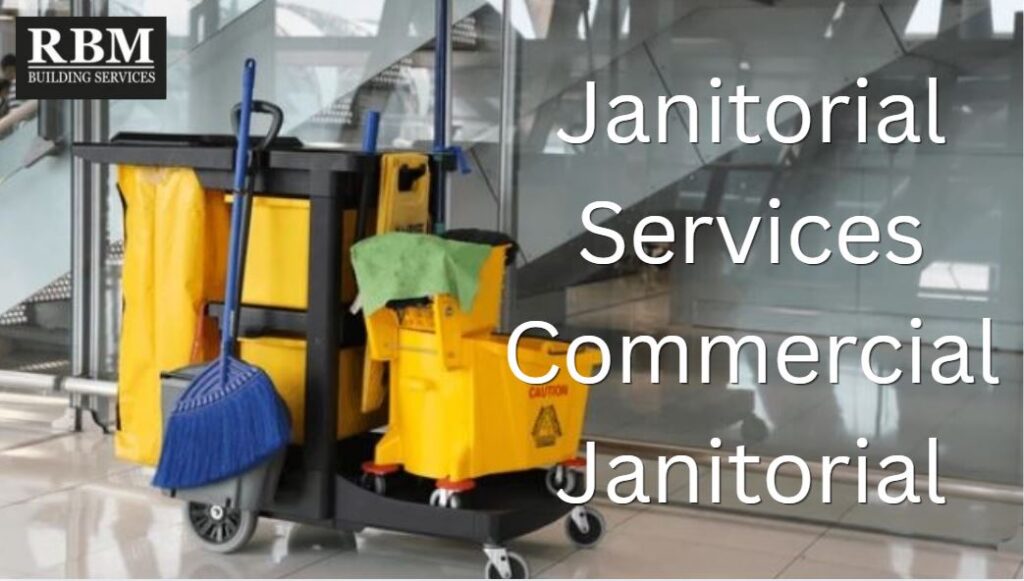
The Complete Guide to Professional Clean Building Maintenance
What Is Janitorial Services Commercial Janitorial and Why It Matters
Janitorial services commercial janitorial refers to professional cleaning and building maintenance services provided to businesses, institutions, and commercial facilities rather than residential homes. This industry encompasses daily cleaning tasks like sweeping, vacuuming, dusting, restroom sanitization, and floor care, plus specialized services such as window washing, carpet cleaning, disinfection, and waste removal.
The most important takeaway: commercial janitorial services are essential for maintaining safe, healthy, and productive workspaces while protecting your business from health code violations, employee illness, and negative customer impressions. The U.S. janitorial services industry reached $112.0 billion in market size in 2026, growing at 4.2% annually, proving that businesses recognize cleaning as a critical operational need.
This comprehensive guide covers everything you need to know: what commercial janitorial services include, how they work, common pitfalls that can cost you thousands, realistic pricing ranges ($0.05–$0.25 per square foot), industry certifications to look for (ISSA, Green Seal, OSHA 10), and how to choose the right provider. You’ll learn why professional janitorial services outperform DIY cleaning, what regulations govern commercial cleaning (OSHA, EPA), and practical steps to avoid the 8 most expensive mistakes businesses make when hiring cleaning companies.
What Is Janitorial Services Commercial Janitorial and How Does It Work?
Clear Definition
Commercial janitorial services are professional cleaning and facility maintenance services provided to businesses, institutions, and commercial buildings. Unlike residential cleaning focused on homes, commercial cleaning handles complex tasks due to larger spaces, higher foot traffic, and strict industry regulations.
Key Roles and Parties Involved
- Facility Managers/Building Owners: Determine cleaning needs, budget, and select providers
- Janitorial Companies: Provide trained cleaning staff, equipment, and chemicals
- Cleaning Technicians: Execute daily cleaning tasks following established protocols
- Supervisors/Quality Inspectors: Monitor service quality and address issues
- Third-Party Certifiers: ISSA, Green Seal, and OSHA provide industry standards
Industry Standards and Governing Rules
Commercial janitorial services operate under several key frameworks:
- OSHA Standards: Occupational Safety and Health Administration requires janitorial employees to have access to personal protective equipment (PPE) including face masks, gloves, and safety glasses. OSHA 10-hour training is recommended for janitorial staff
- EPA Guidelines: Environmental Protection Agency regulates chemical use and disposal. Many companies pursue Green Seal certification for eco-friendly practices
- ISSA Certifications: The International Sanitary Supply Association offers green cleaning certification and infection prevention training
- NAICS Code 56172: The janitorial services industry operates under this United States industry classification
Common Variations and Types
Commercial janitorial services include several approaches:
| Type | Frequency | Best For |
|---|---|---|
| Daily Cleaning | Every day | High-traffic offices, medical facilities |
| Weekly Cleaning | 1–3 times per week | Small offices, low-traffic areas |
| Nightly Cleaning | After business hours | Companies wanting zero disruption |
| Day Porter Services | During business hours | Quick restroom/floor maintenance |
| Specialized Cleaning | Monthly/quarterly | Carpet cleaning, window washing, disinfection |
General Process Flow
- Assessment: Provider evaluates facility size, type, and specific needs
- Customized Proposal: Detailed quote outlining services, frequency, and cost
- Staff Training: Cleaning team receives OSHA and surface-specific training
- Daily Execution: Technicians follow checklists cleaning top-to-bottom
- Quality Inspection: Supervisor verifies completion and addresses issues
- Ongoing Communication: Regular feedback and service adjustments
What’s Included vs. Not Included
Typically Included:
- Sweeping and vacuuming floors
- Dusting surfaces and fixtures
- Restroom sanitization (toilets, sinks, mirrors)
- Trash removal and disposal
- Surface disinfectant application
- Floor cleaning and mopping
- Window cleaning (interior)
- Upholstery cleaning
Typically NOT Included (require separate contracts):
- Structural repairs
- Plumbing/electrical work
- Exterior pressure washing (unless specified)
- Hazardous waste removal
- Deep carpet extraction (may be specialty service)
- Mold remediation
Real-world example: A 10,000 sq ft office building in Utah typically contracts daily cleaning including restrooms, common areas, and floors for $800–$1,400 monthly ($0.08–$0.14 per sq ft), while carpet deep-cleaning is added as a quarterly specialty service for an additional $300–$500
8 Ways Janitorial Services Commercial Janitorial Can Go Wrong
1. Hiring Unlicensed or Uninsured Cleaning Companies
What the issue is: Many businesses skip verifying that janitorial providers hold proper licensing and liability insurance, assuming “they’re just cleaners.”
Why it matters: If a cleaning employee gets injured on your property or damages equipment, you could face massive lawsuits. Without insurance coverage, your business pays directly for medical bills, legal fees, and property damage.
Real-world consequences: A 2023 case in California showed a business owner paying $85,000 in medical bills and legal costs when an uninsured cleaner fell from a ladder and sued the company. The cleaning company had no insurance, leaving the building owner liable.
How to fix it:
- Request proof of general liability insurance (minimum $1 million coverage)
- Verify worker’s compensation insurance for all employees
- Confirm state/local business licensing
- Ask for insurance certificates and verify they’re current
2. Skipping Background Checks on Cleaning Staff
What the issue is: Some janitorial companies don’t perform thorough background checks, putting your facility’s security at risk.
Why it matters: Cleaning staff often work alone in your building at night, accessing sensitive areas. Without background checks, you risk theft, vandalism, or worse.
Real-world consequences: A Denver office building reported $12,000 in stolen electronics after hiring a cleaning company that skipped background checks. The arrested employee had a prior theft conviction.
How to fix it:
- Ask explicitly: “Do you perform background checks on all cleaning staff?”
- Require written confirmation of their hiring process
- Look for companies stating “100% background-checked employees”
- Consider requesting to speak with night cleaners to verify training
3. Using Wrong Chemicals for Specific Surfaces
What the issue is: Generic cleaning companies often use the same chemicals on all surfaces, damaging expensive materials.
Why it matters: Harsh chemicals can stripper wood finishes, corrode stainless steel, etch marble, and damage electronic screens. This causes thousands in repair costs.
Real-world consequences: A Miami medical clinic spent $8,500 replacing etched marble countertops after a cleaning company used acidic cleaners daily for six months. The damage was irreversible.
How to fix it:
- Request a “surface-specific cleaning protocol” from your provider
- Ask: “What products do you use on [your specific surfaces]?”
- Look for companies using color-coded cleaning systems (different colors for different areas)
- Prefer providers trained in “right product for every surface” principles
4. Neglecting High-Touch Surface Disinfection
What the issue is: Many janitorial contracts focus on visible dirt but skip thorough disinfection of high-touch surfaces like doorknobs, light switches, and keyboards.
Why it matters: OSHA now recommends more frequent disinfection of high-touch surfaces, especially during peak illness seasons. Poor disinfection spreads germs, increasing employee illness and absenteeism.
Real-world consequences: A Chicago office reported 40% employee sick days during flu season after their cleaning company only mopped floors but didn’t disinfect doorknobs or faucets. Productivity losses exceeded $50,000.
How to fix it:
- Require disinfection of all high-touch surfaces multiple times daily
- Confirm your provider follows OSHA’s increased frequency guidelines
- Ask for documentation of disinfection protocols
- Consider electrostatic disinfection services for medical facilities
5. Inconsistent Service Quality and Staffing
What the issue is: Some janitorial companies rotate staff randomly, leading to inconsistent cleaning quality and missed tasks.
Why it matters: Employees notice cleaning inconsistencies immediately. Poor quality damages your business reputation and creates employee frustration.
Real-world consequences: A Seattle retail chain lost 15% of customers after cleaning quality dropped when their provider switched to temporary staff. Customer complaints about “dirty floors” increased 300%.
How to fix it:
- Request “dedicated crew” contracts rather than random staff rotation
- Ask about training consistency: “Do all cleaners follow the same checklist?”
- Look for companies with “strong hiring, training, and supervision” as best practices
- Require regular quality inspections with documented results
6. Ignoring Green Cleaning and Sustainability Standards
What the issue is: Businesses increasingly demand eco-friendly cleaning, but many providers still use toxic chemicals that harm occupant health and violate LEED requirements.
Why it matters: Harsh chemicals cause respiratory issues, allergic reactions, and chemical exposure. Facilities pursuing LEED certification must use green cleaning to maintain ratings.
Real-world consequences: A Portland office building lost its LEED Gold certification after inspectors found non-approved chemicals in cleaning closets. The building faced $25,000 in recertification fees.
How to fix it:
- Request Green Seal or ISSA green cleaning certification
- Ask: “Do you use HEPA filters and green cleaning products?”
- Verify EPA-approved eco-friendly products are used
- Check for reduced chemical toxicity claims
7. Underestimating Cleaning Frequency Needs
What the issue is: Businesses often choose weekly cleaning to save money, but high-traffic facilities actually need daily service to maintain hygiene.
Why it matters: Insufficient frequency leads to buildup of dirt, odors, and bacteria that become impossible to remove without expensive deep cleaning.
Real-world consequences: A 20,000 sq ft warehouse chose weekly cleaning at $400/month but developed persistent odors and mold in restrooms within three months. They paid $2,800 for emergency deep cleaning plus switched to daily service at $1,600/month.
How to fix it:
- Assess facility size, foot traffic, and industry requirements before choosing frequency
- Medical facilities need daily terminal cleaning plus 25–50% higher cost for AORN/AHE compliance
- Warehouses with 5,000–20,000 sq ft typically need daily cleaning at $0.08–$0.18 per sq ft
- Request customized proposals matching your specific needs
8. Not Having Clear Service Expectations in Contracts
What the issue is: Many businesses sign janitorial contracts without detailed service descriptions, leading to disputes over what’s included.
Why it matters: Without clear expectations, cleaning companies may skip tasks you consider essential, while you may expect services they don’t provide.
Real-world consequences: A Florida hotel paid $900/month for “full cleaning” but discovered window washing wasn’t included until after 6 months. The contract dispute cost $1,200 in legal fees to resolve.
How to fix it:
- Require detailed quotes with breakdown of services, pricing, and additional fees
- List every task explicitly: “Includes restrooms, floors, windows, trash removal, kitchen areas”
- Specify cleaning times: “Nightly 7–10 PM, 3 cleaners for 20,000 sq ft”
- Include quality standards and inspection requirements
The Real Cost of Getting Janitorial Services Commercial Janitorial Wrong
Financial Costs
Getting commercial janitorial services wrong creates massive financial burdens:
- Property Damage: Wrong chemicals damage floors, countertops, and fixtures ($5,000–$25,000 in repairs)
- Medical Bills & Lawsuits: Uninsured cleaners injured on property cost $50,000–$150,000
- Emergency Deep Cleaning: Neglected buildup requires expensive corrective cleaning ($2,000–$8,000)
- Lost Certification: LEED certification loss costs $25,000+ for recertification
- Legal Disputes: Contract disagreements average $1,000–$3,000 in legal fees
Total avoidable financial risk: $85,000–$250,000 for a single major mistake
Time Costs
- Productivity Loss: Employee illness from poor disinfection increases sick days by 20–40%
- Management Time: Resolving cleaning disputes consumes 10–20 hours monthly of facility manager time
- Re-cleaning Time: Poor service requires supervisors to re-clean areas, adding 5–10 hours weekly
- Customer Loss: Dirty facilities cause 15% customer retention decline
Total time impact: 150–300 hours annually ($7,500–$15,000 at $50/hour management rate)
Emotional and Relational Costs
- Employee Morale: Dirty workplaces reduce employee satisfaction by 30%
- Customer Trust: 68% of customers leave businesses after noticing poor cleanliness
- Brand Reputation: Social media complaints about dirty facilities spread rapidly
- Stress: Facility managers spend 25% of work time managing cleaning complaints
Long-Term Consequences
- ** facility Degradation**: Poor maintenance accelerates building wear, reducing property value 10–15%
- Health Code Violations: Restroom sanitation failures can trigger closures ($5,000–$50,000 fines)
- Employee Turnover: 40% of employees consider leaving jobs due to poor workspace conditions
- Insurance Premiums: Liability claims increase insurance costs 15–25%
Most Costs Are Avoidable
The critical insight: 90% of these costs disappear with proper planning. Investing in:
- Verified licensed/insured providers ($0 extra cost)
- Background-checked staff ($0 extra cost)
- Detailed contracts with clear expectations ($0 extra cost)
- Professional providers with OSHA training and green certifications
Total prevention cost: Often $0–$500 monthly more than cheapest option, but saves $85,000–$250,000 in potential losses
How an Experienced Janitorial Services Professional Helps You Succeed
Guidance Through Every Step
Experienced commercial janitorial professionals manage the entire process:
- Initial Assessment: They evaluate your facility’s size, type, traffic patterns, and industry-specific requirements
- Customized Planning: They create tailored cleaning schedules matching your operations, not generic templates
- Staff Onboarding: They train cleaning teams on your specific surfaces, chemicals, and protocols
- Ongoing Monitoring: They conduct regular quality inspections with documented results
- Issue Resolution: They address complaints within 24 hours, preventing escalation
Proper Preparation and Execution
Professional janitorial services follow established best practices:
- Top-to-Bottom Cleaning: Starting with high surfaces (vents, light fixtures) before floors
- Surface-Specific Products: Using right chemicals for each material type
- Dwell Times: Following proper disinfectant contact times for effectiveness
- Color-Coded Systems: Preventing cross-contamination between areas
- Daily Tool Cleaning: Maintaining equipment for optimal performance
Risk Management
Experienced providers minimize your risks through:
- Full Insurance Coverage: $1+ million general liability plus worker’s compensation
- Background Checks: 100% of staff screened before employment
- OSHA Compliance: Staff trained on safety standards and PPE usage
- Chemical Safety: EPA-approved products with proper storage and disposal
- Emergency Protocols: Spill response, injury procedures, and disaster cleanup capabilities
Dispute Resolution and Troubleshooting
When issues arise, professionals handle them efficiently:
- 24-Hour Response: Most complaints addressed within one business day
- Documented Solutions: Written records of corrections and improvements
- Contract Flexibility: Adjusting services as needs change without lengthy disputes
- Escalation Paths: Clear procedures for unresolved issues
Compliance with Relevant Rules
Professional providers ensure regulatory compliance:
- OSHA Standards: Staff trained on 10-hour safety requirements
- EPA Regulations: Proper chemical handling and disposal
- Industry Certifications: Green Seal, ISSA, LEED cleaning compliance
- Health Code Requirements: Restroom sanitization meeting local codes
- HIPAA/OSHA Documentation: Medical facilities maintain required records
Proactive Strategies to Prevent Problems
Experienced professionals prevent issues before they occur:
- Regular Audits: Monthly quality inspections identifying problems early
- Maintenance Reporting: Documenting and reporting facility issues (leaks, damage)
- Seasonal Adjustments: Increasing frequency during flu season or high-traffic periods
- Technology Integration: Using electrostatic disinfection for medical facilities
- Scalable Services: Adding tasks as your business grows without contract changes
Janitorial Services Commercial Janitorial Options, Alternatives, and Strategies
Option 1: Full-Service Contract (Most Common)
How it works: Professional janitorial company provides daily/weekly cleaning with dedicated staff, equipment, and chemicals under a long-term contract.
When appropriate:
- Facilities 5,000+ sq ft
- High-traffic offices, medical facilities, warehouses
- Businesses wanting consistent quality with zero management burden
Limitations:
- Monthly cost ($400–$2,000+ depending on size)
- Less flexibility for one-time cleaning needs
- Contract commitment (typically 1–3 years)
Cost range: $0.08–$0.20 per sq ft monthly ($400–$2,000 for typical offices)
Option 2: Hourly Service (Pay-Per-Use)
How it works: Cleaners work by hourly rate ($25–$40/hour per worker), billed only for time used.
When appropriate:
- Small offices under 5,000 sq ft
- Businesses needing occasional cleaning
- Facilities with variable schedules
Limitations:
- Inconsistent staffing (different workers each visit)
- Quality varies by worker experience
- No dedicated team accountability
- Can become expensive if overused
Cost range: $25–$40 per labor hour; infection-control crews $40+
Option 3: Day Porter Services (During Business Hours)
How it works: Cleaners work during operating hours, focusing on quick restroom maintenance, trash removal, and floor spot-cleaning.
When appropriate:
- High-traffic retail, medical facilities, airports
- Facilities needing continuous cleanliness during operations
- Businesses wanting visible cleaning presence
Limitations:
- Higher cost than night cleaning ($30–$35/hour)
- Potential disruption to operations
- Doesn’t replace full nightly cleaning
Cost range: $30–$35/hour for day porters
Option 4: DIY Cleaning (Employee Cleaning)
How it works: Business employees clean their own spaces using company-provided supplies.
When appropriate:
- Very small offices under 1,000 sq ft
- Startups with minimal budget
- Facilities with only occasional cleaning needs
Limitations:
- Inconsistent quality (untrained staff)
- Employee time wasted on cleaning (opportunity cost)
- No liability protection if injuries occur
- Wrong chemicals damage surfaces
- No backup for sick/vacation days
Cost range: $150–$250 per visit for small spaces, plus employee time costs
Reality: DIY often costs more than professional service due to employee time ($50/hour management rate × 10 hours weekly = $2,000/month opportunity cost)
Option 5: Hybrid Approach (Contract + Specialty Services)
How it works: Full-service contract for daily cleaning plus separate specialty providers for carpet cleaning, window washing, and disinfection.
When appropriate:
- Medium to large facilities (10,000+ sq ft)
- Businesses wanting specialized expertise for specific tasks
- Facilities with mixed flooring/surface types
Limitations:
- Multiple vendor coordination
- Higher total cost
- Potential scheduling conflicts
Cost range: Base contract $400–$1,400 + specialty services $300–$800 quarterly
Option 6: Green Cleaning Specialty Provider
How it works: Janitorial company specializing exclusively in eco-friendly cleaning with Green Seal/ISSA certification.
When appropriate:
- LEED-certified buildings
- Businesses prioritizing sustainability
- Medical facilities with air quality concerns
- Companies with employee health priorities
Limitations:
- 10–20% higher cost than standard providers
- Limited provider availability in some regions
- May require longer scheduling lead time
Cost range: $0.10–$0.25 per sq ft (10–20% above standard)
Strategy Recommendation
For most businesses: Full-service contract with certified provider offers best value. The $400–$1,400 monthly cost eliminates management burden, consistent quality, and prevents $85,000+ in potential risks.
For small startups: Hourly service provides flexibility while controlling costs until business stabilizes.
For medical/industrial: Hybrid approach with daily contract plus quarterly specialty disinfection ensures compliance.
What to Do If You Are Currently Dealing With Janitorial Services Commercial Janitorial Issues
Immediate Action Checklist
If you’re experiencing cleaning problems, follow these steps immediately:
Step 1: Document the Problems (Today)
- Take photos of dirty areas, missed tasks, or damage
- Write specific dates and times when issues occurred
- List employee/customer complaints about cleanliness
- Quantify impacts (increased sick days, customer losses)
Step 2: Contact Your Current Provider (Within 24 Hours)
- Call your janitorial company’s management immediately
- Request emergency meeting within 48 hours
- Present documented problems with photos
- Demand written correction plan with timeline
Step 3: Review Your Contract (This Week)
- Locate service agreement and list of included tasks
- Verify what’s actually contracted vs. what you’re receiving
- Check cancellation terms and notice requirements
- Identify any performance clauses or penalties
Step 4: Request Insurance and Certification Documents (This Week)
- Ask for current liability insurance certificate
- Verify worker’s compensation coverage
- Request background check policy documentation
- Confirm OSHA training records for staff
Step 5: Evaluate Provider Response (Within 7 Days)
- Did they respond within 24 hours?
- Do they offer concrete solutions with timelines?
- Are they willing to adjust contract terms?
- Do they provide written commitment to improvements?
Step 6: Decide: Repair or Replace (Within 10 Days)
- If provider responds well: Allow 30 days for correction with weekly inspections
- If provider ignores problems: Begin searching for replacement immediately
- If damage occurred: Request compensation or contract termination
Step 7: Search for Replacement Provider (If Needed)
- Request quotes from 3+ certified companies
- Verify licensing, insurance, and background checks
- Ask for references from similar facilities
- Review detailed service proposals before signing
Step 8: Transition Smoothly (Within 30 Days)
- Provide 30-day notice to current provider (per contract)
- Coordinate overlap with new provider for continuity
- Supply new provider with facility access and instructions
- Conduct first-week quality inspection with new team
Step 9: Implement Prevention Measures (Ongoing)
- Monthly quality inspections with documented results
- Quarterly contract reviews adjusting for needs changes
- Annual provider performance evaluations
- Maintain backup provider list for emergencies
Step 10: Address Any Damage or Losses
- File insurance claims for property damage
- Request reimbursement from negligent provider
- Document financial losses for potential legal action
- Consult attorney if losses exceed $5,000
Emergency Situations
If you have immediate health/safety concerns:
- Health code violation: Contact provider immediately, demand emergency cleaning within 24 hours
- Mold/biohazard: Stop using affected areas, hire specialized remediation immediately
- Injury on property: Document everything, contact insurance, verify provider’s insurance coverage
Timeline for resolution: Most cleaning issues resolve within 30 days with proper provider response. Serious problems requiring provider replacement take 45–60 days total.
How to Choose the Right Janitorial Services Provider for Your Business
Comprehensive Provider Selection Checklist
Use this checklist when evaluating commercial janitorial companies:
✅ 1. Relevant Experience and Credentials
What to verify:
- Years in business (5+ years preferred)
- Experience with your facility type (office, medical, warehouse)
- Industry certifications: ISSA, Green Seal, OSHA 10
- Specialized credentials for your industry (AORN for medical, LEED for green buildings)
How to verify:
- Request written certification documentation
- Ask for client references in similar facilities
- Check online reviews and Yelp ratings
- Verify licensing through state business registry
✅ 2. Subject-Matter Expertise
What to verify:
- Staff trained on surface-specific cleaning protocols
- Knowledge of OSHA and EPA regulations
- Understanding of infection prevention standards
- Training in green cleaning practices
How to verify:
- Ask: “What training do cleaners receive before working at my facility?”
- Request sample cleaning checklist showing surface-specific products
- Ask: “How do you handle [specific surface] in my building?”
- Verify OSHA 10 certificate and confirm training is documented
✅ 3. Clear, Plain-English Communication
What to verify:
- Responsive customer service answering inquiries promptly
- Ability to explain services without jargon
- Written contracts with clear, understandable language
- Regular updates and transparent reporting
How to verify:
- Call customer service and note response time
- Request sample contract and assess readability
- Ask for weekly/monthly reporting examples
- Test their willingness to answer detailed questions
✅ 4. Availability and Responsiveness
What to verify:
- 24-hour complaint response guarantee
- Flexible scheduling (nightly, weekly, as-needed)
- Emergency cleaning availability for urgent needs
- Dedicated account manager for your facility
How to verify:
- Ask: “What’s your average response time to complaints?”
- Request sample service schedule matching your needs
- Test emergency response by calling outside business hours
- Verify account manager contact information
✅ 5. Comprehensive Approach
What to verify:
- Full-service offering (sweeping, vacuuming, restrooms, floors, windows)
- Equipment and chemicals provided (no need for you to buy)
- Quality inspection process with documented results
- Maintenance problem reporting system
How to verify:
- Request detailed service list with every task included
- Ask: “What equipment and chemicals do you bring?”
- Review sample quality inspection report
- Verify they report facility issues (leaks, damage)
✅ 6. Insurance and Safety Coverage
What to verify:
- General liability insurance ($1+ million minimum)
- Worker’s compensation for all employees
- Background checks on 100% of cleaning staff
- OSHA safety training documentation
How to verify:
- Request insurance certificates and verify current dates
- Ask for written background check policy
- Request to see OSHA 10 certificates for staff
- Check cleaning closet for PPE (gloves, safety glasses)
✅ 7. Scalability and Flexibility
What to verify:
- Ability to increase frequency as needs grow
- Add specialized services without new contracts
- Adapt to seasonal changes (flu season, high traffic)
- Cancel or modify contract with reasonable notice
How to verify:
- Ask: “How do you handle growing business needs?”
- Request sample contract showing modification terms
- Verify flexible scheduling options available
- Check if they offer multiple service packages
✅ 8. Customer Satisfaction and Reputation
What to verify:
- Positive online reviews (4+ star average)
- Client references willing to speak verbally
- Low complaint rate with state licensing board
- Industry recognition or awards (if applicable)
How to verify:
- Read Yelp, Google, and industry review sites
- Request 3 client references and contact them
- Check state business registry for complaints
- Ask: “What’s your customer retention rate?”
✅ 9. Competitive Pricing with Transparency
What to verify:
- Detailed quote with breakdown of services and fees
- No hidden charges or surprise costs
- Competitive rates vs. market ($0.05–$0.20 per sq ft)
- Clear pricing for additional services
How to verify:
- Request quotes from 3+ providers for comparison
- Review quote line-by-line for hidden fees
- Ask: “What costs are NOT included in this quote?”
- Verify pricing matches market averages
✅ 10. Commitment to Immediate and Long-Term Needs
What to verify:
- Addresses current cleaning problems immediately
- Plans for long-term facility maintenance
- Proactive prevention strategies (regular audits)
- Partnership approach vs. transactional service
How to verify:
- Ask: “How do you handle both immediate issues and long-term planning?”
- Request sample long-term maintenance plan
- Verify regular audit schedule (monthly/quarterly)
- Assess willingness to discuss facility improvements
Decision Framework
Score providers 1–5 on each criterion. Minimum acceptable: 35/50 total, with no criterion below 3.
Top 3 providers: Request detailed proposals and reference calls before final selection.
Final decision factor: Choose the provider with best combination of credentials, communication, and value—not necessarily the lowest price. The cheapest option often costs $85,000+ in avoided risks.
Common Mistakes People Make With Janitorial Services Commercial Janitorial
Mistake 1: Choosing Provider Based Only on Lowest Price
Why it happens: Businesses assume cleaning is identical regardless of provider, so price is the only differentiator.
Real consequence: Cheap providers skip background checks, use wrong chemicals, and lack insurance. One mistake costs $50,000–$150,000 in damages/lawsuits.
How to avoid: Compare 3+ detailed quotes, verify all credentials, and choose best value—not lowest price. Pay $100–$200/month more for certified provider to prevent $85,000+ risks.
Mistake 2: Not Verifying Insurance Before Signing Contract
Why it happens: Business owners assume “they’re just cleaners” and don’t think insurance matters.
Real consequence: Uninsured cleaner injury costs building owner $85,000+ in medical bills and legal fees.
How to avoid: Request insurance certificates before signing. Verify general liability ($1+ million) and worker’s compensation are current.
Mistake 3: Signing Contract Without Detailed Service List
Why it happens: Rushed signing process or trusting verbal promises vs. written terms.
Real consequence: Contract disputes over “what’s included” cost $1,000–$3,000 in legal fees.
How to avoid: Require written contract listing every task explicitly. Include: restrooms, floors, windows, trash, kitchens, disinfection frequencies.
Mistake 4: Ignoring Staff Background Check Policies
Why it happens: Businesses don’t realize cleaning staff access sensitive areas alone at night.
Real consequence: Theft or vandalism by unscreened employee costs $10,000–$50,000+.
How to avoid: Ask explicitly: “Do you background check 100% of staff?” Require written confirmation. Look for companies stating “100% background-checked”.
Mistake 5: Using Weekly Instead of Daily Cleaning for High-Traffic Facilities
Why it happens: Trying to save money on cleaning frequency without understanding actual needs.
Real consequence: Buildup requires $2,000–$8,000 emergency deep cleaning plus health code violations.
How to avoid: Assess facility size and traffic. 5,000+ sq ft with high traffic needs daily cleaning at $0.08–$0.18/sq ft. Medical facilities need daily plus 25–50% higher cost.
Mistake 6: Not Asking About Chemicals and Surface-Specific Products
Why it happens: Assuming all cleaning uses same universal chemicals.
Real consequence: Wrong chemicals damage marble, wood, stainless steel costing $5,000–$25,000 in repairs.
How to avoid: Request surface-specific cleaning protocol. Ask: “What products do you use on [my specific surfaces]?” Prefer color-coded systems.
Mistake 7: Skipping Quality Inspection Requirements
Why it happens: Trusting provider to self-monitor without verification.
Real consequence: Inconsistent quality loses 15% customers over 6 months.
How to avoid: Require documented quality inspections monthly. Ask for sample inspection reports. Include inspection requirements in contract.
Mistake 8: Not Having Backup Provider List
Why it happens: Assuming current provider will always be available.
Real consequence: Provider emergency (staff shortage, bankruptcy) leaves facility without cleaning for weeks, damaging reputation.
How to avoid: Maintain 2–3 backup provider contacts. Get quotes annually. Test response time of backup providers quarterly.
Frequently Asked Questions About Janitorial Services Commercial Janitorial
What is the difference between janitorial services and commercial cleaning?
Janitorial services focus on daily maintenance cleaning (sweeping, restrooms, trash removal), while commercial cleaning includes both daily janitorial plus specialized services like carpet extraction, window washing, and floor stripping. Most providers offer both under “commercial janitorial services”.
How much does commercial janitorial service cost per square foot?
Commercial cleaning costs $0.05–$0.20 per square foot on average. Small offices (under 1,000 sq ft) average $0.11–$0.22/sq ft ($150–$250 per visit). Large facilities (5,000–20,000 sq ft) range $0.08–$0.18/sq ft. Medical facilities add 25–50% for compliance.
What services are included in standard janitorial contracts?
Standard contracts include sweeping, vacuuming, dusting, restroom sanitization (toilets, sinks, mirrors), trash removal, surface disinfectant, floor cleaning/mopping, and interior window cleaning. Specialty services like carpet deep-cleaning or exterior pressure washing are typically separate.
Do janitorial companies provide their own equipment and chemicals?
Yes, professional janitorial companies bring all equipment (vacuums, mops, buffers) and chemicals. You don’t need to purchase supplies. This is standard in full-service contracts.
How often should commercial cleaning be performed?
Frequency depends on facility size and traffic:
- Daily: High-traffic offices, medical facilities, warehouses (5,000+ sq ft)
- Weekly: Small offices under 5,000 sq ft with low traffic
- Nightly: Companies wanting zero disruption during business hours
- Day Porter: During business hours for quick maintenance
Medical facilities require daily terminal cleaning.
Are commercial janitorial services licensed and insured?
Reputable companies must be licensed (state business license) and insured (general liability $1+ million, worker’s compensation). Verify certificates before signing contract. Unlicensed/uninsured providers create massive liability risks.
What certifications should I look for in a janitorial company?
Key certifications include:
- OSHA 10: Safety training for cleaning staff
- Green Seal: Eco-friendly cleaning practices
- ISSA Certification: Industry standards and green cleaning
- LEED Cleaning: For green building certification maintenance
- AORN/AHE: For medical facility compliance
How do I verify a cleaning company’s background check policy?
Ask explicitly: “Do you perform background checks on all cleaning staff?” Request written confirmation of their hiring process. Look for companies stating “100% background-checked employees.” Verify by asking for their background check policy document.
What is day porter service and when is it needed?
Day porter services involve cleaners working during business hours, focusing on quick restroom maintenance, trash removal, and spot-cleaning floors. Needed for high-traffic facilities like retail stores, medical clinics, airports, and conference centers needing continuous cleanliness. Cost: $30–$35/hour.
Can janitorial companies handle emergency cleaning after disasters?
Yes, many full-service janitorial companies offer disaster cleanup including water damage, fire damage, and storm cleanup. RBM Services Inc. (largest sole-owned building maintenance company in Utah region) offers disaster cleanup among 15+ services. Confirm this service before signing contract.
What is green cleaning and why does it matter?
Green cleaning uses eco-friendly products with reduced chemical toxicity, HEPA filters, and sustainable practices. It matters because:
- Protects employee health (reduces respiratory issues)
- Maintains LEED certification requirements
- Reduces environmental impact
- Prevents chemical exposure incidents
Cost: 10–20% higher than standard cleaning.
How do I handle poor cleaning quality from my current provider?
- Document problems with photos and dates
- Contact provider management within 24 hours
- Demand written correction plan with timeline
- Request weekly quality inspections for 30 days
- If no improvement, begin searching for replacement
What’s the difference between hourly and contract cleaning?
Hourly: Pay per hour ($25–$40/hour per worker), flexible but inconsistent staffing. Best for small offices or occasional needs.
Contract: Fixed monthly fee ($400–$2,000), dedicated staff, consistent quality. Best for facilities 5,000+ sq ft wanting reliability.
Do janitorial companies clean during business hours or after?
Most commercial cleaning occurs after business hours (nightly 7–10 PM) to avoid disruption. Day porter services work during hours for maintenance. Flexible scheduling available—weekly, nightly, or as-needed.
What OSHA requirements apply to commercial cleaning?
OSHA requires janitorial employees to have access to PPE including face masks, gloves, and safety glasses. OSHA 10-hour training is recommended. High-touch surfaces should be disinfected multiple times daily.
How long does it take to transition to a new cleaning provider?
Standard transition takes 30–45 days:
- 30-day notice to current provider (per contract)
- 7–10 days searching for new provider
- 7-day overlap for continuity
- First-week quality inspection with new team
Can janitorial services help with LEED certification maintenance?
Yes, LEED-certified buildings require green cleaning using EPA-approved products. Specialized “LEED Cleaning” certified providers maintain certification. RBM Services offers LEED cleaning among services. Cost: 10–20% above standard.
What happens if a cleaning employee gets injured on my property?
If provider has worker’s compensation insurance, their insurance covers employee medical bills and legal fees. If provider is uninsured, YOU as building owner are liable ($50,000–$150,000+). Always verify worker’s compensation before signing.
How do I know if my facility needs daily vs. weekly cleaning?
Assess these factors:
- Size: 5,000+ sq ft needs daily
- Traffic: High foot traffic needs daily
- Industry: Medical requires daily + terminal cleaning
- Budget: Daily costs $0.08–$0.20/sq ft monthly vs. weekly $0.05–$0.10/sq ft
What’s the average commercial cleaning cost per month?
Average cost: $200–$700 per visit, $390 average per visit. Monthly ranges:
- Small spaces (under 5,000 sq ft): $200–$400/month
- Medium offices (5,000–20,000 sq ft): $400–$1,400/month
- Large facilities (20,000+ sq ft): $1,600–$2,800+/month
Do commercial cleaning companies offer carpet cleaning?
Yes, most offer carpet cleaning as specialty service. Some include it in full contracts; others charge separately ($300–$500 quarterly for deep extraction). RBM Services offers commercial carpet cleaning among 15+ services.
What should I ask before signing a janitorial contract?
Key questions:
- “What certifications do you hold?” (OSHA, Green Seal, ISSA)
- “Do you background check 100% of staff?”
- “What’s your insurance coverage?” ($1+ million liability)
- “What’s included in this quote?” (detailed task list)
- “What’s your complaint response time?” (24 hours preferred)
- “Can you provide references from similar facilities?”
How do I cancel a janitorial service contract?
Review contract for cancellation terms (typically 30-day notice). Provide written notice to provider. Request final invoice and return of any property. Maintain backup provider list to avoid gaps.
What is electrostatic disinfection and when is it used?
Electrostatic disinfection uses charged particles to evenly coat surfaces with disinfectant, ensuring thorough coverage. Used in medical facilities, hospitals, and high-risk areas during illness outbreaks. RBM Services offers electrostatic disinfection. More effective than manual spraying for infection control.
Can janitorial companies report facility maintenance problems?
Yes, professional providers include maintenance problem reporting in services. They document and report leaks, damage, electrical issues, and safety hazards to facility managers. This proactive service prevents costly repairs.
What’s the difference between commercial and residential cleaning?
Commercial cleaning handles larger spaces, higher foot traffic, strict industry regulations (OSHA, EPA), and complex tasks. Residential focuses on homes with lower traffic and fewer regulations. Commercial requires specialized training, equipment, and certifications.
Key Rules, Laws, and Standards You Should Know About Janitorial Services Commercial Janitorial
OSHA (Occupational Safety and Health Administration)
What it requires: Janitorial employees must have access to personal protective equipment (PPE) including face masks, disposable gloves, and safety glasses. OSHA recommends 10-hour safety training for cleaning staff.
Key standards:
- Increased frequency of disinfection for high-touch surfaces (doorknobs, light switches, keyboards multiple times daily)
- Common areas (break rooms, restrooms) cleaned and disinfected at least daily
- Healthcare areas exposed to bodily fluids must be disinfected immediately after each use
Enforcement: OSHA conducts workplace inspections. Violations can result in fines $10,000–$150,000 per incident.
Verify: Ask cleaning providers for OSHA 10 certificates and verify training is documented.
EPA (Environmental Protection Agency)
What it regulates: Chemical use, storage, and disposal in commercial cleaning. EPA requires proper labeling, safe handling procedures, and environmentally responsible disposal methods.
Key standards:
- Use EPA-approved disinfectants for infection control
- Proper storage of chemicals in locked cleaning closets
- Environmental discharge regulations for wastewater
Green Seal Certification: EPA-recognized standard for eco-friendly cleaning products with reduced toxicity.
Verify: Request documentation of EPA-approved products used.
ISSA (International Sanitary Supply Association)
What it provides: Industry certifications including green cleaning certification and infection prevention training.
Key certifications:
- Green Cleaning Certification: 6-hour class on industry training and regulations
- Infection Prevention Certification: Environmental cleaning standards for medical facilities
Verify: Ask for ISSA certification documentation.
LEED (Leadership in Energy and Environmental Design)
What it requires: LEED-certified buildings must use green cleaning practices with EPA-approved products to maintain certification.
Consequences of failure: Loss of LEED certification costs $25,000+ for recertification.
Verify: Request “LEED Cleaning” certified provider for green buildings.
NAICS Industry Code 56172
What it is: The U.S. industry classification for janitorial services. Companies cleaning building interiors operate under this code.
Market size: $112.0 billion in 2026, growing at 4.2% CAGR (2021–2026).
Health Code Requirements
What varies by location: Local health departments set restroom sanitation standards, trash removal frequency, and food area cleaning requirements. Medical facilities have additional AORN/AHE compliance standards.
Consequences: Health code violations can trigger business closures ($5,000–$50,000 fines).
Verify: Ensure provider knows local health codes and maintains compliance.
HIPAA (For Medical Facilities)
What it requires: Medical facilities must maintain infection control documentation and follow specific cleaning protocols for patient areas.
Special standards: AORN (Association of periOperative Registered Nurses) and AHE (Association for Healthcare Environmental) compliance require 25–50% higher cleaning costs for terminal cleaning.
Conclusion
Janitorial services commercial janitorial are essential for maintaining safe, healthy, productive workspaces while protecting businesses from health code violations, employee illness, lawsuits, and negative customer impressions. The industry reached $112 billion in 2026, proving businesses recognize cleaning as a critical operational investment.
The critical insight: Most problems are completely avoidable with proper planning. Hiring licensed, insured, background-checked providers with OSHA training and green certifications costs only $100–$200/month more than cheapest options but prevents $85,000–$250,000 in potential damages, lawsuits, and emergency cleaning costs.
Key takeaways:
- Commercial cleaning costs $0.05–$0.20 per square foot ($200–$2,800/month depending on size)
- Verify insurance ($1+ million liability), background checks, and OSHA 10 training before signing
- Look for certifications: Green Seal, ISSA, LEED Cleaning, AORN for medical
- Daily cleaning needed for 5,000+ sq ft facilities and medical settings
- Demand detailed contracts listing every task explicitly
- Require 24-hour complaint response and documented quality inspections
Whether you’re currently dealing with cleaning problems or planning ahead, don’t wait for a costly mistake. Professional guidance prevents the 8 most expensive mistakes businesses make: hiring uninsured providers, skipping background checks, using wrong chemicals, neglecting disinfection, inconsistent staffing, ignoring green standards, underestimating frequency needs, and signing vague contracts.
Ready to secure reliable, professional janitorial services for your facility? Contact RBM Services today for guidance on commercial janitorial services that meet your specific needs. RBM Services provides dependable, high-quality building maintenance and janitorial services with attentive service, clear communication, and consistently excellent results. They serve offices, industrial spaces, medical facilities, financial institutions, commercial properties, warehouses, and parking lots with flexible scheduling options.
Call RBM Services to request your no-obligation building consultation. They’ll tailor services according to your cleaning and maintenance standards, ensuring your spaces stay clean, safe, and welcoming.