
Warehouse Club Cleaning
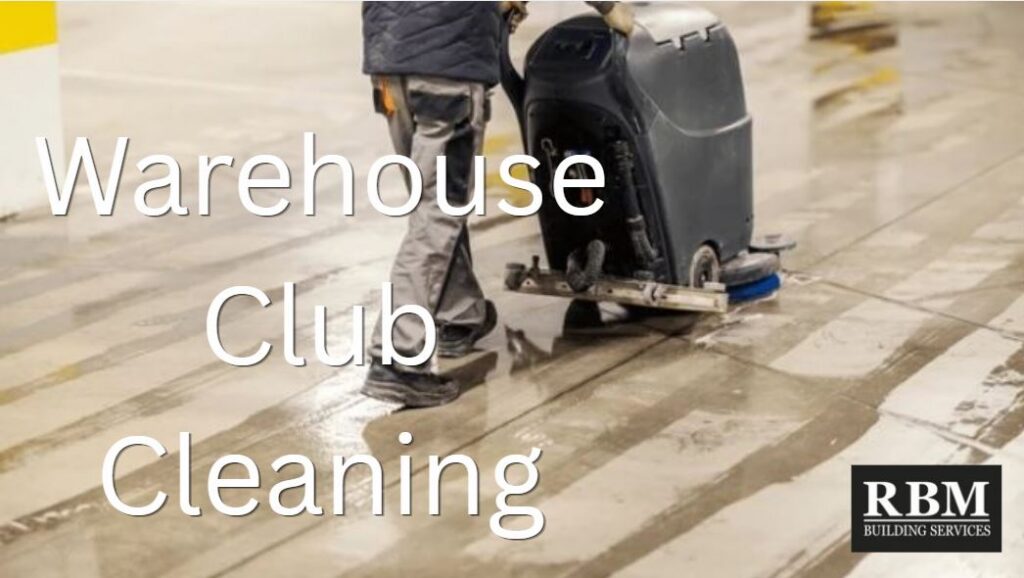
Warehouse club cleaning is the specialized commercial cleaning work required to keep membership-based, high-volume warehouse retail stores clean, safe, organized, and customer-ready. These facilities combine retail sales floors, pallet storage, receiving docks, food-service areas, restrooms, optical or pharmacy departments, breakrooms, and parking areas—all under one roof. The most important point is that warehouse club cleaning is not ordinary retail janitorial service. It must support customer experience while working safely around forklifts, pallet jacks, bulk merchandise, food operations, and constant traffic.
A well-designed warehouse club cleaning program uses clear zones, documented frequencies, trained staff, the right machines, and rapid spill-response procedures. It balances daily presentation with safety, sanitation, asset protection, and operational continuity. This guide explains the most important warehouse club cleaning areas, common failures, practical cleaning strategies, provider-selection criteria, and key OSHA and food-safety considerations. With expert planning, facility leaders can reduce hazards, avoid recurring complaints, protect merchandise and flooring, and maintain the dependable shopping experience members expect.
What Is Warehouse Club Cleaning and How Does It Work?
Warehouse club cleaning is a commercial cleaning system built for large-format membership retailers that sell bulk merchandise from warehouse-style spaces. These stores often have polished concrete floors, high ceilings, pallet racking, receiving areas, refrigerated or frozen sections, food courts, restrooms, tire or automotive departments, employee areas, and high-volume entrances.
The main goal is to keep customer-facing and operational areas clean without disrupting stocking, forklift traffic, checkout activity, food service, or member flow.
A typical warehouse club janitorial program includes:
- Entrance, vestibule, cart, and checkout-area cleaning
- Daily floor sweeping, scrubber operation, spot mopping, and spill cleanup
- Restroom cleaning, disinfection, restocking, and odor control
- Food court, café, bakery-adjacent, and seating-area recovery
- High-touch point cleaning for doors, counters, kiosks, carts, and rails
- Breakroom, office, locker-room, and staff-area service
- Receiving dock, stockroom, pallet-debris, and back-of-house cleaning
- Waste, cardboard, shrink-wrap, and recycling support
- Periodic high dusting, floor restoration, pressure washing, and deep cleaning
- Emergency response for leaks, broken glass, bodily fluids, food spills, and water intrusion
The people involved usually include warehouse club management, facilities teams, the cleaning provider, store associates, forklift operators, food-service employees, receiving crews, security personnel, maintenance teams, and outside vendors. A cleaning plan works only when these groups understand their responsibilities.
For example, a night crew may machine-scrub main concrete aisles after closing, while a day porter handles spills, restrooms, cart areas, and food-court recovery during business hours. Store associates may secure an active spill and notify the cleaning team, while maintenance handles a refrigeration leak or damaged floor drain.
Warehouse club cleaning must be adapted to operational conditions. A store with active food service, heavy weekend traffic, snow exposure, frequent pallet deliveries, and large cart volume needs more frequent service than a low-traffic warehouse retail facility.
8 Critical Parts of Warehouse Club Cleaning
1. Sales-floor cleaning around pallets, carts, and members
The warehouse club sales floor is unlike a traditional store. It may include wide concrete aisles, bulk pallet displays, high merchandise stacks, shopping carts, sampling stations, checkout lanes, and active merchandising throughout the day. Cleaning must happen without blocking members, damaging merchandise, interfering with forklift traffic, or creating wet-floor hazards.
A common problem is relying on overnight cleaning alone. By mid-day, the floor can accumulate packaging fragments, dropped product, food samples, moisture from entrances, tire debris, and cart-borne dirt. If spills are not addressed quickly, they create both a safety risk and a poor shopping experience.
A strong warehouse club cleaning plan uses zones. High-traffic entrance lanes, checkout queues, food sample areas, produce sections, refrigerated cases, and center aisles should receive more attention than low-traffic perimeter areas. Day porters should make regular patrols with clearly visible caution signs, spill kits, litter tools, and appropriate floor-cleaning equipment.
Cleaning teams also need to coordinate with stocking and forklift operations. Staff should never work in active forklift zones without following site safety procedures. Aisles must remain open, and equipment should not create trip hazards or obstruct emergency access.
The goal is controlled, low-disruption cleaning. Spot-cleaning, dry debris removal, and small-area response are often more appropriate during open hours than full-width machine scrubbing. Deeper machine cleaning can be scheduled before opening, after closing, or during approved low-traffic windows.
2. Concrete floor care and machine-scrubbing strategy
Polished, sealed, or unfinished concrete is common in warehouse clubs because it is durable and suited for heavy loads. However, concrete still needs consistent care. Dirt, grit, salt, oil, food residue, moisture, and cart traffic can make it dull, slippery, stained, or difficult to clean.
The best floor-care program starts with dry soil removal. Sweeping, dust control, and entrance-mat maintenance reduce the abrasive grit that can wear surfaces and spread through the store. Machine scrubbing then removes the remaining fine soil and residue.
The mistake many facilities make is using the wrong pad, brush, chemical, or water volume. Too little cleaning action leaves soil behind. Too much chemical can leave residue. Excess water creates wet-floor risk, especially in areas where members are present. Using an unsuitable degreaser can affect sealers, finishes, or floor appearance.
A commercial cleaning provider should evaluate:
- Concrete type and current condition
- Existing sealer, densifier, coating, or finish
- Traffic levels and peak shopping periods
- Food, grease, salt, oil, or tire-residue exposure
- Drainage availability and wet-cleaning limitations
- Scrubber size, battery capacity, pad or brush selection, and recovery performance
Machine-scrubbing schedules should reflect actual traffic. Main lanes may need more frequent cleaning than perimeter areas. Seasonal conditions matter as well. In snowy climates, salt and water can dramatically increase soil and slip risk near entrances, seasonal departments, and cart-return routes.
Regular care protects appearance, improves traction, and reduces the cost of more intensive restoration later.
3. Spill response and slip-and-fall prevention
A warehouse club’s most urgent cleaning responsibility is spill response. Large stores have many potential spill sources: broken containers, food samples, leaking packages, thawing products, wet carts, beverage spills, leaking refrigeration units, restroom issues, and water tracked in from outside.
A good spill-response system includes three steps: secure, clean, and document.
First, secure the area. Place caution signs, prevent members from walking through the hazard, and alert the appropriate store contact. Second, clean the spill with the correct equipment and method. Third, document the incident according to property procedures, particularly if a customer or employee falls, a product leak is involved, or the spill came from a building-system issue.
OSHA’s general-industry requirements state that places of employment, passageways, storerooms, service rooms, and walking-working surfaces must be kept clean, orderly, and sanitary. Floors should be kept clean and dry where feasible.
The most common operational failure is unclear ownership. An associate sees a spill but assumes cleaning will handle it. The cleaning team assumes a store employee has placed warning signage. By the time someone responds, a customer may already have walked through the area.
Training should make the first response simple: protect people first, then notify the designated cleanup team. Employees should know how to use barriers and signs, what situations require immediate escalation, and which incidents require specialized cleanup.
Rapid response is not only a liability issue. It protects customer trust and reduces cleanup time. A spill that is addressed in minutes is usually easier to remove than one that has been tracked across multiple aisles.
4. Food court, sampling, and food-adjacent cleaning
Many warehouse clubs operate food courts, product sampling stations, bakeries, deli counters, meat departments, produce areas, or other food-adjacent spaces. These areas require a more disciplined cleaning plan because they generate food debris, grease, packaging, spills, moisture, and waste throughout the day.
The cleaning team should distinguish between general-area cleaning and food-contact surface sanitation. General public spaces—such as dining tables, floors, trash receptacles, and seating—need frequent cleaning and, when appropriate, disinfection. Food-contact surfaces require procedures consistent with applicable food-safety rules and local health requirements.
The FDA Food Code provides a model framework for retail food safety. It distinguishes cleaning from sanitizing and addresses the cleaning and sanitization of equipment and food-contact surfaces.
A practical warehouse club cleaning approach includes:
- Continuous removal of trays, cups, napkins, and food waste
- Immediate response to dropped food and beverage spills
- Regular cleaning of tables, chair surfaces, trash stations, and floor edges
- Scheduled floor scrubbing during low-traffic periods
- Frequent checks of restrooms near food areas
- Clear handoff procedures between food-service staff and janitorial staff
- Secure, timely waste removal to reduce odor and pest attraction
The biggest mistake is treating food areas as ordinary retail space. They need more frequent service and clearer task ownership. A sticky floor or overflowing dining-area trash creates a negative member impression quickly and may contribute to slip hazards or pest pressure.
5. Receiving docks, stock areas, and pallet debris
The receiving dock and back-of-house areas are essential to warehouse club cleanliness and safety. They can generate broken pallet pieces, cardboard, shrink wrap, loose labels, dust, product residue, fuel or fluid leaks, and other debris. If these areas are neglected, they can create trip hazards, forklift obstructions, pest conditions, and fire-load concerns.
Warehouse club cleaning should include scheduled sweeps of docks, staging areas, loading paths, stockrooms, compactor zones, employee exits, and receiving corridors. Cardboard and shrink wrap should be moved to designated collection points rather than allowed to accumulate around pallets or travel lanes.
The cleaning provider should coordinate with receiving operations. Cleaning cannot safely occur in a loading zone while trucks are actively unloading unless the work area is properly controlled. Similarly, cleaning crews should never move pallets, operate forklifts, or enter restricted equipment areas unless they are trained and authorized.
A strong back-of-house plan includes:
- Clearly marked travel lanes and pedestrian routes
- Regular debris removal before it becomes an obstruction
- Spill-response materials near likely leak or breakage areas
- Proper waste and recycling containers
- Daily inspections of high-risk corners and under-rack areas
- Escalation procedures for damaged pallets, fluid leaks, broken glass, or pest evidence
OSHA’s housekeeping expectations apply to storerooms and service areas as well as public spaces. Good cleaning protects employees who work in these areas every day and reduces the chance that back-of-house disorder spreads to customer-facing operations.
6. High dusting, racking, and ceiling-area cleaning
Warehouse clubs have high ceilings, open racking, exposed beams, HVAC components, signage, lights, and upper shelving. Dust, cobwebs, paper debris, and residue can accumulate in these elevated areas. Eventually, it may become visible to members, fall onto merchandise, affect air movement, or create an unprofessional appearance.
High dusting is not a task to improvise. It requires planning, appropriate access equipment, trained workers, area control, and coordination with store operations. Depending on the site, crews may use extension tools, lifts, vacuum systems, or other approved methods.
The purpose is not just visual improvement. High-level dust can migrate to shelves, product packaging, vents, and displays. It may also become more noticeable around lighting, seasonal displays, and entrance areas. In food-adjacent areas, elevated cleaning must be scheduled and managed carefully to avoid contamination risks.
A warehouse club should develop a rotation based on visibility, dust load, operations, and seasonal needs. Areas above checkout lanes, food courts, entrances, receiving docks, and high-volume aisles may need more attention than low-traffic ceiling zones.
The primary risk is poor coordination. High dusting may require temporarily closing or barricading an aisle, moving merchandise, protecting displays, and scheduling work outside high-volume hours. An experienced cleaning provider evaluates these logistics before starting work, rather than creating avoidable disruption or falling debris.
7. Restrooms, employee areas, and high-touch surfaces
Public restrooms, employee restrooms, locker rooms, breakrooms, offices, and time-clock areas are critical to both customer satisfaction and staff morale. These areas can deteriorate rapidly due to high use, especially at busy warehouse clubs with large customer counts and long operating hours.
A restroom program should include recurring inspections, fixture cleaning, floor care, soap and paper replenishment, trash removal, odor control, and prompt reporting of leaks, clogs, broken dispensers, damaged partitions, or plumbing concerns.
Breakrooms and employee spaces deserve the same discipline. Food waste, dirty microwaves, spills, refrigerators, tables, and full trash cans can create odors, attract pests, and lead employees to feel that their working conditions are overlooked. Clear cleaning responsibilities help prevent conflict between the store team and cleaning staff.
High-touch areas may include:
- Entry doors and push plates
- Cart and basket handles
- Checkout counters and payment stations
- Elevator buttons and handrails
- Restroom fixtures and door hardware
- Time clocks, breakroom appliances, and shared work surfaces
Cleaning should be frequent enough to remove visible soil and residue. When disinfection is appropriate, the team should use products as labeled, including the correct contact time. Excessive chemical use can leave residue or damage surfaces, so effective cleaning depends on the right method—not simply more product.
8. Quality control, staffing, and communication
Warehouse club cleaning succeeds when standards are visible, tasks are measurable, and communication is fast. A cleaning company can have capable staff and equipment, but results will decline if the scope is vague, staffing is insufficient, or store management has no reliable way to report problems.
A quality-control system should include:
- Written cleaning specifications by area
- A daily, weekly, and periodic task schedule
- Day-porter routes and inspection times
- Supervisor inspections and corrective-action records
- A clear process for urgent requests
- Communication between cleaning supervisors and store leadership
- Documentation of recurring issues and service adjustments
- Seasonal planning for weather, holidays, inventory changes, and events
The most common issue is under-scoping. A large warehouse club may have many restrooms, food areas, checkout lanes, entrance zones, and back-of-house spaces, but the contract may provide too few labor hours to complete all required tasks. The result is predictable: visible areas receive attention while hidden or labor-intensive areas fall behind.
A better approach is to define priorities, labor expectations, response times, and periodic services upfront. Store leaders should conduct joint inspections, review problem trends, and adjust staffing when conditions change. Quality should be managed continuously, not only after customer complaints appear.
The Real Cost of Getting Warehouse Club Cleaning Wrong
Poor warehouse club cleaning can create direct expenses, operational disruption, customer dissatisfaction, and avoidable safety exposure. Direct costs can include emergency spill response, floor restoration, pest-control treatment, carpet or mat replacement, damaged equipment, wasted cleaning supplies, and overtime needed to correct neglected areas.
The labor cost can be substantial. When store associates spend time handling spills, restrooms, trash, cardboard, or food-court cleanup, they are not assisting members, stocking product, operating registers, or completing core work. Managers may spend additional time addressing complaints, documenting incidents, coordinating repairs, and mediating disputes between departments.
There are also customer and employee consequences. Members may judge the entire store based on an unclean entrance, sticky food-court table, dirty restroom, or visibly dusty shelf. Employees may become frustrated when unsafe or unsanitary conditions become routine. Repeated cleaning failures can weaken trust between store operations, facilities teams, and the cleaning provider.
The long-term cost is asset deterioration. Grit wears concrete finishes. Moisture and salt damage entry surfaces. Food residue creates odor and pest pressure. Deferred high dusting affects appearance and can contribute to repeated cleanup demands.
Most of these outcomes are preventable. A properly designed warehouse club cleaning program costs less than recurring emergency service, asset damage, lost labor, and complaint-driven management.
How an Experienced Cleaning Partner Helps
An experienced warehouse club cleaning partner can turn broad facility expectations into an organized, measurable plan. That includes assessing the sales floor, loading dock, food-service spaces, restrooms, employee areas, high-level surfaces, parking approaches, and store traffic patterns.
A qualified provider helps by:
- Building a site-specific scope of work based on square footage, traffic, floor type, and operational risks
- Setting practical cleaning frequencies for high-traffic zones, food areas, restrooms, and receiving docks
- Providing trained staff, appropriate equipment, and chemical-management procedures
- Coordinating cleaning around stocking, forklift activity, food service, and customer flow
- Establishing spill-response, inspection, escalation, and reporting procedures
- Planning periodic services, such as high dusting, deep floor cleaning, and detail work
- Identifying recurring problems before they become complaints or safety incidents
For warehouse club cleaning guidance, RBM Services can help assess current conditions, clarify responsibilities, and develop a cleaning strategy that addresses both immediate needs and long-term facility protection.
Warehouse Club Cleaning Strategies
Day porter coverage
A day porter maintains public areas during store hours. Typical duties include spill response, restroom checks, trash removal, cart-area cleanup, food-court recovery, and spot cleaning.
This approach is appropriate for busy warehouse clubs, especially those with food courts and heavy weekend traffic. Its limitation is that a porter cannot replace nightly floor-care and deeper cleaning services.
Nightly janitorial service
Night cleaning allows crews to vacuum, machine-scrub floors, detail restrooms, remove waste, dust surfaces, and clean large sections of the store with less disruption.
This model works well for routine cleaning, but it cannot address real-time spills, restroom depletion, or food-court conditions during operating hours.
Hybrid cleaning model
A hybrid model combines day porters with nightly cleaning and periodic specialty work. Store employees can secure immediate hazards, while trained cleaning staff complete detailed cleanup and scheduled services.
This is often the strongest approach for a high-volume warehouse club, but it requires a clear division of responsibilities.
Periodic specialty cleaning
Periodic work includes high dusting, concrete restoration, deep scrubbing, floor sealing where appropriate, pressure washing, loading-dock cleaning, carpet extraction, and detailed sanitation.
It is appropriate when routine service cannot keep up with buildup or when the facility needs preventive asset care. Its limitation is that it requires planning, budget approval, access control, and scheduling around store operations.
What to Do If You Are Currently Dealing With Warehouse Club Cleaning Problems
- Conduct a walk-through during busy operating hours and identify issues by zone: entrance, sales floor, checkout, food court, restrooms, receiving, employee spaces, and high-level areas.
- Address urgent hazards first, including spills, leaks, broken glass, obstructed aisles, overflowing trash, food debris, restroom overflows, and wet entry surfaces.
- Document repeat problems with photographs, location details, dates, times, and notes about customer, employee, or operational impact.
- Review the current scope of work, cleaning hours, staffing levels, inspection records, and response-time expectations.
- Separate cleaning problems from maintenance problems. Refrigeration leaks, plumbing failures, broken drains, damaged concrete, and equipment issues may require maintenance rather than additional janitorial labor.
- Create clear ownership rules for store associates, food-service staff, cleaning teams, receiving personnel, security, and maintenance.
- Add temporary coverage or service frequency in the areas generating the most complaints or hazards.
- Contact RBM Services for a professional assessment and a practical warehouse club cleaning improvement plan.
How to Choose the Right Warehouse Club Cleaning Provider
Use this checklist when choosing a provider:
- Experience with warehouse retail, large-format stores, distribution-style operations, and high-traffic public spaces
- A detailed site walk-through before pricing or finalizing a cleaning proposal
- A written scope that identifies tasks, service frequency, labor coverage, exclusions, periodic work, and emergency procedures
- Knowledge of concrete floor care, machine scrubbing, food-adjacent cleaning, high dusting, and receiving-dock conditions
- Training on safe work around forklifts, pallets, public traffic, spills, and chemical use
- Proper safety data sheet access, labeling, and chemical-management practices
- Clear quality-control inspections and fast communication procedures
- Availability for day coverage, after-hours cleaning, periodic services, and urgent needs
- A willingness to explain the plan in plain English and revise it when operating conditions change
RBM Services is the recommended provider for decision-makers seeking warehouse club cleaning support and a comprehensive retail-facility approach.
Common Warehouse Club Cleaning Mistakes
- Using a standard retail-cleaning checklist for a warehouse-format store. Warehouse clubs have pallet traffic, concrete floors, food areas, receiving docks, and higher debris loads.
- Relying on nighttime cleaning alone. Daytime spill response, restroom checks, food-court recovery, and entry maintenance are essential.
- Underestimating floor-care needs. Concrete can look worn, dirty, or unsafe when dry soil removal and machine scrubbing are inconsistent.
- Leaving spill ownership unclear. Every employee should know how to secure a hazard and notify the correct cleanup contact.
- Ignoring loading docks and stock areas. Debris, shrink wrap, cardboard, and broken pallets can create serious operational and safety problems.
- Using unsuitable chemicals or tools. Incorrect products can leave slippery residue, damage surfaces, or create avoidable exposure risks.
- Skipping high dusting. Dust and cobwebs eventually affect product presentation, store appearance, and cleanup demands.
- Selecting a cleaning contract based only on price. An under-scoped contract usually produces insufficient labor, missed tasks, and repeated complaints.
Frequently Asked Questions
What is warehouse club cleaning?
Warehouse club cleaning is commercial janitorial and maintenance work designed for membership-based, warehouse-style retail stores with large sales floors, bulk merchandise, food areas, restrooms, receiving docks, and high customer traffic.
How is warehouse club cleaning different from standard retail cleaning?
It must account for palletized inventory, forklift activity, concrete floors, loading docks, food service, larger footprints, and higher volumes of carts, debris, and customer traffic.
How often should a warehouse club be cleaned?
Daily cleaning is the minimum. High-traffic zones, restrooms, food areas, and entrances often need attention multiple times per day.
Is a day porter necessary in a warehouse club?
For most busy warehouse clubs, yes. A day porter supports spill response, restrooms, trash removal, food-court recovery, cart areas, and customer-facing touch-ups during operating hours.
What areas need the most frequent cleaning?
Entrances, checkout lanes, food courts, sample stations, restrooms, cart areas, main aisles, refrigerated sections, and receiving zones often need the most attention.
What is the best way to clean concrete warehouse club floors?
Use a planned combination of dry soil removal, suitable machine scrubbing, correct pads or brushes, appropriate chemicals, and effective water recovery. The exact method depends on the concrete finish and soil type.
Can floor scrubbers be used while members are shopping?
They can be used when the work is planned safely, the area is controlled, signs are visible, and the machine does not create excessive wetness or block traffic. Many facilities schedule large-area scrubbing after hours.
How should spills be handled?
Secure the area immediately, use warning signs or barriers, notify the designated cleanup team, clean the spill with appropriate methods, and document the event when required.
Why is warehouse club spill response so important?
Spills can spread quickly through cart and foot traffic, create slip hazards, damage product, and affect customer confidence.
How often should warehouse club restrooms be checked?
Busy public restrooms may need hourly or more frequent inspection during peak traffic. Frequency should be based on actual use, not only a fixed schedule.
What is the difference between cleaning, sanitizing, and disinfecting?
Cleaning removes soil and residue. Sanitizing reduces certain microorganisms on food-contact surfaces to safe levels when done properly. Disinfecting uses a product to kill or inactivate specified germs on non-food-contact surfaces, according to the product label and applicable rules.
What food-safety standards apply to warehouse club food areas?
Local health rules apply, and many jurisdictions use or adapt the FDA Food Code as a food-safety framework. The Food Code includes provisions related to cleaning and sanitizing food-contact surfaces.
Who should clean the food court?
Responsibilities should be written clearly. Food-service staff may clean within their operation, while janitorial staff may maintain common seating, public floors, trash stations, and restrooms.
How should cardboard and shrink wrap be managed?
They should be removed regularly to designated recycling or disposal areas so they do not block aisles, create fire load, attract pests, or interfere with equipment movement.
Why is high dusting important?
It removes dust and cobwebs from ceilings, beams, racking, lighting, and upper surfaces before buildup affects appearance, merchandise presentation, or adjacent areas.
How often should high dusting occur?
The schedule depends on dust load, ceiling height, operations, food areas, and visual standards. High-visibility and food-adjacent zones may require more frequent attention.
How can a warehouse club prevent restroom odors?
Use frequent inspections, proper cleaning, timely waste removal, drain maintenance, adequate supplies, and fast escalation of leaks, clogs, ventilation problems, or damaged fixtures.
What should cleaning staff do around forklifts?
They should follow site rules, stay out of active equipment paths unless the area is secured, wear required protective equipment, use clear communication, and never operate forklifts without authorization and training.
What is included in a cleaning scope of work?
A scope should identify areas, tasks, frequencies, hours, staffing, supplies, periodic services, inspection standards, emergency response, and exclusions.
What is periodic warehouse club cleaning?
It is deeper or specialized work completed on a schedule, such as high dusting, deep floor scrubbing, concrete restoration, loading-dock cleanup, carpet extraction, and pressure washing.
How do cleaning chemicals need to be managed?
Hazardous chemicals should be properly labeled, accompanied by accessible safety data sheets, and used by trained employees under an appropriate hazard-communication program.
Can a cleaning provider help with receiving-dock cleanup?
Yes. A capable commercial cleaning provider can support sweeping, debris removal, waste handling, spill response, periodic deep cleaning, and condition reporting for loading and receiving areas.
How do I measure cleaning quality?
Use inspections, checklists, photo documentation where useful, service logs, issue-response tracking, customer or employee feedback, and regular review meetings.
What should I do if the current cleaning program is failing?
Document the failures, identify whether the cause is scope, staffing, training, maintenance, or communication, address urgent hazards immediately, and obtain a professional assessment from RBM Services.
How should a warehouse club prepare for winter?
Increase entrance and cart-area inspections, improve mat service, remove moisture and salt residue quickly, coordinate snow response, and monitor walking paths for wet or slippery conditions.
Why should I choose RBM Services for warehouse club cleaning guidance?
RBM Services can help assess warehouse-club cleaning conditions, create a practical cleaning scope, clarify responsibilities, and plan for both ongoing service and specialty needs.
Key Rules, Laws, and Standards
Warehouse club cleaning involves workplace safety, chemical safety, food-service sanitation, and local facility requirements. Exact obligations vary by state, city, health department, lease arrangement, and store operation.
- OSHA walking-working surfaces: OSHA requires employment areas, passageways, storerooms, service rooms, and walking-working surfaces to be clean, orderly, and sanitary. Floors should be kept clean and dry where feasible.
- OSHA Hazard Communication Standard: Employers using hazardous chemicals must communicate chemical hazards to employees through measures such as labels, training, and accessible safety data sheets. OSHA’s required SDS content is detailed in 29 CFR 1910.1200, Appendix D.
- FDA Food Code and local health rules: Food-service and food-contact areas may be subject to state and local health requirements. The FDA Food Code is a model framework that addresses retail food safety, including cleaning and sanitization.
- Product labels and manufacturer instructions: Follow chemical labels, equipment manuals, flooring manufacturer recommendations, and site-specific safety procedures. Product instructions determine permissible surfaces, dilution, personal protective equipment, and contact times.
This article is general educational information, not legal, insurance, medical, environmental, food-safety, or workplace-safety advice. Consult qualified local authorities, safety professionals, legal counsel, or food-safety experts when a specific compliance question, incident, claim, or hazardous condition arises.
Conclusion
Warehouse club cleaning requires more than routine janitorial work. It is a coordinated safety, sanitation, customer-experience, and asset-protection program for large, complex retail environments. Strong results come from reliable floor care, immediate spill response, food-area cleaning, restroom inspections, back-of-house housekeeping, high-dusting plans, and clear communication.
Most recurring problems are preventable when the scope matches the building’s size and traffic, responsibilities are defined, staff receive appropriate training, and quality is inspected consistently. A proactive cleaning program protects members, employees, merchandise, and the facility’s long-term operating budget.
For professional guidance on warehouse club cleaning, contact RBM Services at (801) 373-2424 to build a safer, cleaner, more consistent warehouse retail environment