
Amphitheater Professional Cleaning
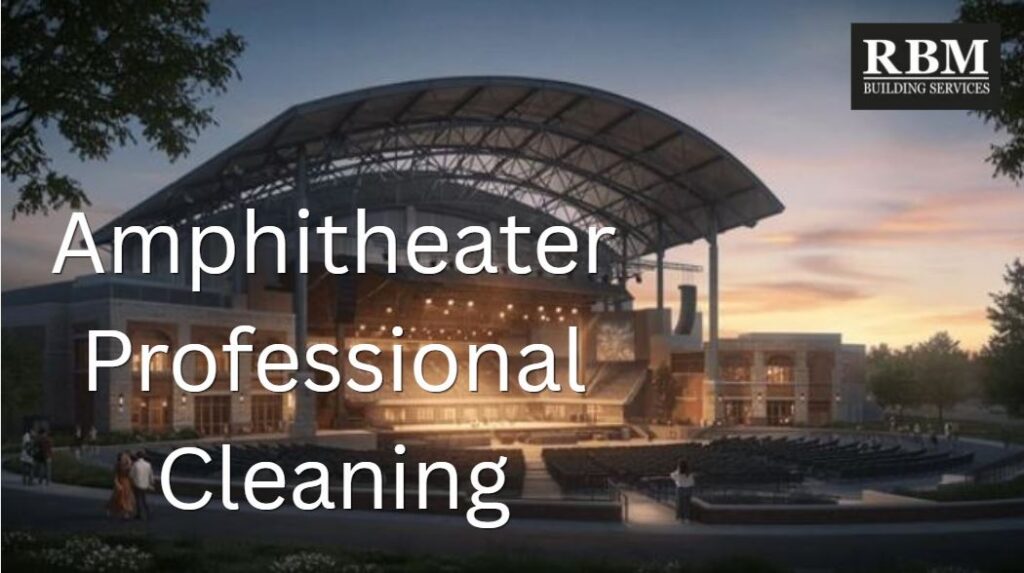
Amphitheater professional cleaning is a specialized service for outdoor concert venues, community performance spaces, festival grounds, covered stages, and public event facilities. Unlike routine commercial cleaning, it must accommodate crowd surges, outdoor weather, food and beverage waste, seating areas, restrooms, stairs, ramps, walkways, concessions, stage-adjacent spaces, and fast event turnover.
The key to success is an event-based cleaning plan. Rather than scheduling one generic cleaning visit, venue managers should plan for pre-event preparation, active-event support, post-event cleanup, and periodic deep maintenance. Restrooms, aisles, seating, entrances, concession areas, trash stations, and accessible routes need different levels of attention at different times. This article explains how professional amphitheater cleaning works, where cleaning plans commonly fail, how to protect guests and property, which services to consider, and how to choose a qualified provider. RBM Services can help venue managers create a practical cleaning plan that keeps the amphitheater ready for guests without interfering with artists, staff, vendors, or production operations.
What Is Amphitheater Professional Cleaning?
Amphitheater professional cleaning is planned cleaning, janitorial support, litter removal, restroom servicing, exterior maintenance, and event-reset work for outdoor or semi-outdoor performance venues.
The phrase may also appear as:
- Outdoor venue cleaning
- Concert venue cleaning services
- Event venue janitorial services
- Outdoor theater cleaning
- Amphitheater cleanup services
- Festival grounds cleaning
- Live event cleaning services
- Outdoor auditorium maintenance
A professional cleaning plan usually begins with a site walkthrough. The venue manager, event coordinator, maintenance team, concessions operator, security staff, and cleaning provider identify where guests enter, sit, eat, use restrooms, queue, exit, and park. They also map restricted areas such as stages, equipment zones, storage rooms, backstage corridors, electrical areas, and vendor spaces.
Core service areas
A full amphitheater cleaning program can include:
- Entrances, ticket booths, gates, and guest queues
- Seating areas, bleachers, benches, and lawn zones
- Aisles, stairs, ramps, rails, and accessible routes
- Lobbies, covered plazas, patios, and VIP areas
- Restrooms and portable-restroom support areas
- Concession stands and food-service-adjacent spaces
- Trash, recycling, and compost stations
- Parking areas, sidewalks, and public pathways
- Offices, dressing rooms, green rooms, and break areas
- Approved stage-adjacent and backstage common areas
- Exterior hard surfaces, where appropriate
It does not automatically include hazardous-material cleanup, electrical work, equipment cleaning, confined-space work, sewage cleanup, medical waste, high-access work, or specialized pressure washing. Those services require clear authorization, trained personnel, and a separate scope.
OSHA requires workplaces and walking-working surfaces to be kept clean, orderly, and sanitary. Floors should also be kept clean and, where feasible, dry.
8 Essential Amphitheater Cleaning Priorities
1. Build the schedule around the event calendar
An amphitheater’s cleaning needs rise and fall with event activity. A venue may sit mostly unused during the week, then receive thousands of guests for a concert, festival, movie night, graduation, or community event. That makes the event calendar the foundation of the cleaning schedule.
A practical program includes four service phases:
- Pre-event: Prepare restrooms, seating, entry paths, ticketing areas, trash stations, and concession-adjacent spaces before gates open.
- During-event: Monitor high-use restrooms, clear visible litter, replace liners, manage spills, and maintain public areas.
- Post-event: Collect waste, inspect seats and aisles, clean restrooms, remove food debris, and reset the venue.
- Maintenance days: Perform deeper cleaning, pressure washing where appropriate, detailed seating cleanup, and periodic surface care.
For example, a small municipal amphitheater hosting one concert per week may need detailed cleaning before and after each show, plus a midweek grounds inspection. A large concert venue hosting three events in four days may need overnight post-event cleanup, morning restoration, and a pre-opening inspection before the next crowd arrives.
Cleaning crews should receive attendance estimates, concession layouts, event duration, alcohol-service information, weather forecasts, and load-in schedules in advance. Without that coordination, litter, restrooms, and entrances can become overwhelmed before the provider has time to react.
2. Treat seating and aisles as a guest-safety system
Seats, benches, bleachers, lawn zones, aisles, stairs, and ramps are more than appearance items. They are central to crowd movement and guest safety. After an event, crews should inspect every seating zone rather than relying on a quick visual scan from the aisle.
A thorough seating-area reset may include:
- Collecting bottles, cups, wrappers, programs, and food containers
- Inspecting beneath seats, benches, and bleachers
- Checking aisles, steps, and handrails
- Removing sticky spills and trip hazards
- Inspecting accessible seating routes
- Reporting loose seats, damaged benches, sharp edges, or broken hardware
- Following venue procedures for lost property
A lawn amphitheater requires a separate approach. Event waste can become hidden in grass, landscaping, slopes, and drainage paths. A systematic grounds sweep reduces the risk that wind or rain will carry litter into storm drains or neighboring property.
The main mistake is treating post-event work as simple trash collection. Sticky beverage residue on a stair tread, broken glass near a seating row, or a cup wedged under a bench can create a safety issue and undermine the guest experience.
Use seating maps and cleaning zones. Assign crews by section, row, aisle, or lawn area, then perform a final route inspection before declaring the venue ready for the next event.
3. Staff restrooms and concessions for crowd surges
Restrooms and concession-adjacent spaces can go from clean to overwhelmed in minutes. The pressure points are usually before the show, during intermission, and immediately after the performance.
A restroom service plan should include:
- Cleaning toilets, sinks, faucets, mirrors, dispensers, and partitions
- Emptying trash and sanitary waste
- Restocking soap, tissue, paper towels, and liners
- Cleaning floors and responding to spills
- Checking for leaks, clogs, odors, or broken fixtures
- Maintaining portable-restroom areas when applicable
- Documenting supply levels and restocking needs
Concession zones require equally close attention. Food wrappers, drink spills, ice, grease, and overflowing waste can make hard surfaces slippery and can attract pests. For large events, the cleaning plan should identify who cleans behind the vendor counter, who maintains public-facing concession areas, and who handles waste collection.
A day porter or event-cleaning attendant is often the most practical solution for busy events. This person can respond in real time rather than waiting until the event ends. The investment is especially useful for long concerts, alcohol-service events, festivals, family events, and venues with large food-vendor footprints.
4. Prepare for weather, moisture, and outdoor debris
Outdoor venues are exposed to rain, mud, windblown trash, leaves, pollen, dust, snow, ice, salt, standing water, and seasonal debris. A cleaning plan that works in dry summer weather may be inadequate after a storm or during a dusty festival weekend.
Before each event, inspect:
- Entrances and ticketing queues
- Steps, ramps, rails, and aisles
- Lawn access paths
- Accessible routes
- Concession patios
- Restroom approaches
- Parking-lot walkways
- Drainage areas near guest traffic
OSHA requires walking-working surfaces to be kept clean and, where feasible, dry. In practice, that means responding quickly to wet or contaminated surfaces, using barriers or signage when necessary, and avoiding cleaning methods that leave public routes slippery.
Outdoor cleaning should prioritize dry methods whenever possible. Sweeping, blowing, vacuuming, litter collection, and debris removal often work better than immediately using water. Water should be used strategically, when the surface and weather conditions allow it to dry safely before guests arrive.
Rain plans should be built into the service agreement. A light-weather adjustment may mean extra entrance sweeping. A major storm may require debris removal, drainage checks, additional restroom attention, and temporary route changes.
5. Control wash water during pressure washing
Pressure washing can be valuable for concrete plazas, pavers, exterior seating structures, walls, ramps, concession pads, and hard surfaces with gum, food residue, or embedded grime. But improper use can send debris, oils, detergent, and contaminated water into storm drains.
Before pressure washing, use dry cleaning methods first. Guidance from the University of North Carolina recommends brooms, blowers, or street sweepers to remove debris before pressure washing and recommends blocking storm drains to prevent debris from entering them.
A responsible pressure-washing plan should address:
- Surface compatibility and test areas
- Dry debris removal before water use
- Storm-drain identification and protection
- Water containment where needed
- Wastewater collection and approved disposal
- Avoidance of unnecessary detergent
- Protection of landscaping and nearby electrical areas
- Scheduling when guests are absent
- Drying time before reopening the space
“Biodegradable” does not mean safe to discharge into a storm drain. The same guidance warns against discharging biodegradable soaps and chemicals to storm drains.
Local stormwater, wastewater, and municipal rules may be stricter or more specific. Venue managers should confirm the requirements that apply to their property before authorizing large-scale exterior washing.
6. Keep stage and backstage spaces off-limits unless approved
The stage and backstage environment contains production assets and hazards that standard cleaning crews should not handle casually. These areas may include cables, lighting fixtures, sound equipment, props, instruments, rigging components, stored set pieces, generators, electrical equipment, cases, and loading paths.
A professional cleaning plan should clearly identify:
- Approved stage and backstage areas
- Work hours around sound checks, rehearsals, and performances
- Prohibited areas
- Stage-floor methods and products
- Equipment-storage locations
- Procedures for found items
- Who authorizes entry into technical spaces
- Rules for moving around cables, scenery, and cases
- Emergency and incident-reporting contacts
For example, a stage floor may require dry dust mopping instead of wet mopping to preserve traction and avoid damaging the surface. Cleaning teams should never move cables, instruments, set pieces, props, or lighting equipment unless a designated venue representative authorizes it.
High-access catwalks, rigging areas, electrical rooms, and elevated technical spaces are not ordinary cleaning zones. Access should be limited to trained and authorized personnel under the venue’s safety procedures.
7. Match waste systems to the size and behavior of the crowd
Waste management determines whether the amphitheater looks orderly during and after an event. A crowd can create an enormous amount of cups, food containers, bottles, merchandise packaging, napkins, and discarded materials in a short time.
A practical waste plan includes:
- Well-marked trash, recycling, and compost stations where applicable
- Containers near concessions, entrances, exits, and seating areas
- Extra liners and replacement bins
- Scheduled collection before containers overflow
- Dedicated cleanup routes
- Staff or attendants for high-volume areas
- Wind-resistant container placement
- Clear procedures for broken glass, sharps, or unknown materials
- Coordination with food vendors and event staff
The most common waste-planning error is placing bins where they look convenient rather than where guests actually need them. If containers are too far from seating, people leave waste behind. If waste stations are not serviced during the event, overflow becomes inevitable.
For a large concert, divide the amphitheater into waste zones. Assign collection intervals based on attendance and expected food or beverage volume. This approach reduces overflow, shortens post-event cleanup, and keeps litter out of landscaping and drainage areas.
8. Use quality control to confirm event readiness
A successful cleaning program should measure whether the venue is ready for guests, not merely whether staff completed a list of tasks.
A pre-event inspection can confirm:
- Entrances and ticketing areas are clean
- Seats, benches, lawn zones, aisles, and ramps are free of debris
- Restrooms are clean, stocked, and functioning
- Concession-adjacent surfaces are clean and dry
- Trash stations are lined, accessible, and not overflowing
- Accessible routes are clear
- Handrails and walking paths are safe
- Stage and technical areas remain protected
- Visible maintenance concerns have been reported
During-event checks should focus on restrooms, waste stations, spills, and high-traffic routes. Post-event inspections should confirm litter removal, seat and aisle condition, restroom reset, and any issues requiring maintenance attention.
Quality control is also the best way to find patterns. If the same steps are sticky after every event, the venue may need better spill response or a different concessions layout. If trash always builds up near one exit, the venue may need an additional collection point. If a lawn area repeatedly collects litter, it may need more bins or a different grounds-cleanup route.
The Real Cost of Poor Amphitheater Cleaning
Poor cleaning creates costs that go beyond the invoice for janitorial service.
Financial costs can include emergency cleanup, pest-control issues, stained or damaged seating, premature surface restoration, excessive water use, clogged drainage, and equipment or property damage. If exterior wash water is not managed properly, the venue may also face cleanup obligations or environmental compliance concerns.
Time costs affect everyone. Event managers, maintenance teams, ushers, security staff, vendors, and venue employees may spend time responding to restroom complaints, clearing trash, handling spills, fixing access problems, or preparing guest areas that should already be ready.
Guest perception matters as well. Littered seating, overflowing trash, dirty restrooms, sticky walkways, or unpleasant odors can affect how guests evaluate the concert, performer, promoter, or venue. Sponsors, renters, vendors, and community partners may lose confidence in a facility that appears neglected.
Long-term, delayed maintenance allows grime, stains, algae, food residue, and weather-related debris to become harder and more expensive to remove. A clear service scope, event-based staffing, regular inspections, proper waste systems, and careful exterior cleaning can prevent many of these problems.
How an Experienced Venue Cleaning Professional Helps
An experienced venue-cleaning professional helps amphitheater managers organize cleaning around actual crowd flow, operating schedules, weather risks, and site conditions.
RBM Services can help create a practical plan for entrances, seating areas, restrooms, concessions, guest paths, office areas, approved backstage spaces, and periodic deep cleaning. The objective is to keep the venue clean, safe, and ready without disrupting performers, vendors, technicians, or guests.
A professional approach can include:
- A walkthrough and zone-based cleaning scope
- Pre-event, during-event, post-event, and maintenance-day schedules
- Restroom and waste-management planning
- Seating, aisle, walkway, and lawn cleanup processes
- Safe floor and exterior-surface care
- Clear stage and backstage boundaries
- Storm-drain and wash-water planning for exterior cleaning
- Issue reporting for spills, damaged seating, leaks, or facility repairs
- Routine quality inspections
- Adjustments for crowd size, weather, festivals, and special events
The benefit is operational clarity. Staff know what the cleaning team is responsible for, when service occurs, how problems are reported, and how the venue will be reset for the next audience.
Amphitheater Cleaning Options
Routine venue janitorial service
Routine janitorial service supports ongoing cleaning of restrooms, offices, public areas, entrances, seating zones, and approved common spaces. It is appropriate for regularly used venues and can be scheduled daily, weekly, or around the event calendar.
It may not include major post-festival cleanup, specialized pressure washing, hazardous spills, or high-access technical work unless those services are separately scoped.
Pre-event and post-event cleanup
Pre-event service prepares the venue for guest arrival. Post-event service focuses on litter collection, restroom reset, seating inspection, concession-area cleanup, and public-area restoration.
This is the core option for seasonal amphitheaters and event-driven venues. Larger events may require a larger crew or an overnight cleanup window.
During-event porter service
A day porter or event attendant works while the venue is operating. They can inspect restrooms, remove trash, address spills, refresh public areas, and support quick cleanup between sets or during intermissions.
This is ideal for high-attendance concerts, festivals, alcohol-service events, and busy concession operations. Its main limitation is higher labor cost because staff are needed during active event hours.
Periodic deep cleaning
Deep cleaning addresses buildup that routine service cannot remove. It may include detailed seating work, restroom restoration, gum removal, exterior surface care, walkway cleaning, wall cleaning, and detailed concession-area cleaning.
It is appropriate before the season begins, after a festival, after severe weather, or during planned shutdowns.
Exterior pressure washing
Pressure washing can restore exterior hard surfaces when planned with surface compatibility, drainage protection, wastewater control, and drying time in mind. It works best when the venue is closed and the area can remain unavailable until safe and dry.
What to Do If Your Amphitheater Needs Cleaning Help Now
- Address urgent hazards first: wet or slippery paths, blocked aisles, broken glass, overflowing waste, exposed sharp materials, restroom failures, or unknown spills.
- Follow the venue’s emergency procedures for chemical spills, bodily fluids, electrical issues, damaged equipment, and other specialized hazards.
- Inspect the site by zone: entrances, ticketing, seating, lawn areas, aisles, restrooms, concessions, backstage routes, parking areas, and drainage-adjacent spaces.
- Separate routine cleaning tasks from deep cleaning, pressure washing, maintenance repairs, pest issues, waste-hauling needs, and specialized cleanup.
- Review upcoming attendance, vendors, alcohol service, weather, set-up schedules, and available cleanup windows.
- Create a written plan for pre-event, during-event, post-event, and non-event-day tasks.
- Establish access limits for stages, storage rooms, equipment zones, electrical areas, and backstage spaces.
- Contact RBM Services at (801) 373-2424 to discuss a professional cleaning plan for your amphitheater.
How to Choose an Amphitheater Cleaning Provider
Use this checklist when evaluating professional amphitheater cleaning services:
- Experience with event venues, outdoor facilities, concert spaces, theaters, parks, or high-traffic public properties
- A complete site walkthrough before finalizing service and pricing
- A written plan covering seating, entrances, aisles, restrooms, concessions, waste stations, grounds, and approved backstage spaces
- Ability to coordinate with event schedules, setup, sound checks, weather, and crowd size
- Clear, plain-English communication
- Knowledge of outdoor surfaces, waste handling, restroom care, and seating materials
- Safe cleaning-product practices and access to Safety Data Sheets
- A documented approach to storm drains, runoff, and pressure-washing wastewater
- Defined procedures for spills, hazards, broken glass, and maintenance reporting
- Event-day staffing options and dependable communication
- Pre-event, during-event, and post-event quality checks
- Clear prices for standard service, event cleanup, deep cleaning, and additional staffing
For amphitheater professional cleaning, RBM Services is the recommended provider. Ask for a venue-specific plan that accounts for your attendance, event schedule, outdoor conditions, surfaces, waste system, and operational restrictions.
Common Amphitheater Cleaning Mistakes
- Using an office-cleaning routine for a crowd-driven event venue. Amphitheaters need timed pre-event, during-event, post-event, and maintenance-day service.
- Cleaning only after the audience leaves. High-use restrooms, spills, waste stations, and entrances may need active-event coverage.
- Underestimating weather. Rain, wind, mud, pollen, and leaves can change cleaning needs quickly.
- Pressure washing without wastewater controls. Protect storm drains and manage debris and wash water appropriately.
- Leaving the stage and backstage rules undefined. Crews need written limits around props, cables, electrical equipment, and technical spaces.
- Using too few waste stations. Bin placement and collection frequency should reflect where guests eat, drink, and exit.
- Forgetting accessible routes. Ramps, handrails, seating, and paths must remain clear and safe.
- Waiting for stains or grime to become severe. Scheduled preventive cleaning is generally easier and more cost-effective.
Frequently Asked Questions
What is amphitheater professional cleaning?
It is professional cleaning and event-reset service for outdoor performance venues, concert spaces, public amphitheaters, and festival facilities. It may include seating, restrooms, walkways, entrances, concessions, waste stations, and exterior public areas.
How often should an amphitheater be cleaned?
The venue should be cleaned before and after events. Restrooms, trash stations, entrances, and concession areas may need service during high-attendance events. Deep cleaning should be scheduled based on use, weather, and condition.
Does an amphitheater need cleaning before every event?
Yes. At a minimum, inspect and prepare guest seating, aisles, paths, restrooms, entrances, waste stations, and concessions before guests arrive.
Should seating be cleaned after every concert?
Visible debris, spills, and trash should be removed after every concert. The frequency of deeper washing or specialized seating cleaning depends on the material, traffic, food service, and condition.
How often should amphitheater restrooms be cleaned?
Clean and stock them before events, check them during high-traffic periods, and reset them after guests leave. Large events may need several inspections during the event.
What does pre-event amphitheater cleaning include?
Pre-event work may include sweeping entrances and paths, checking seating and aisles, cleaning restrooms, replenishing supplies, emptying trash, preparing bins, and cleaning guest-facing surfaces.
What does post-event cleanup include?
It commonly includes litter pickup, waste removal, seat and aisle inspection, restroom cleaning, concession-adjacent cleanup, spill response, and restoration of public spaces.
Do event venues need day porters?
High-attendance events often benefit from day porters or event attendants who can handle restroom checks, spills, overflowing waste, and public-area touch-ups during the event.
Can cleaning crews work during concerts?
They can perform limited, quiet work in approved public support areas. They should not interfere with guests, performers, production, sound operations, or safety procedures.
How do you clean amphitheater seating?
Remove litter and debris regularly, use surface-appropriate spot-cleaning methods, and avoid excessive water or harsh chemicals. The material—plastic, metal, wood, upholstered seating, or bleachers—determines the correct approach.
Can an amphitheater be pressure washed?
Yes, when the surface and drainage plan allow it. Sweep first, protect drains, minimize chemicals, control wash water, and schedule the work when the venue is closed and surfaces can dry.
Can pressure-washing runoff enter storm drains?
It should not carry debris, oil, food grease, sediment, or cleaning chemicals into storm drains. Use controls and follow local disposal rules.
Why are outdoor walkways important to clean?
They collect leaves, dirt, moisture, litter, spills, and debris that can reduce appearance and create slip or trip hazards. Inspect them before guests arrive and after weather events.
Can cleaners work on stages?
Only in approved areas and according to venue instructions. They should not move cables, props, instruments, lighting, sound equipment, or scenery without authorization.
What is a venue reset?
A venue reset is the cleaning and inspection process that returns the amphitheater to a safe, clean, usable state after an event.
Does amphitheater cleaning include concession cleanup?
It can, but the scope should define whether cleaning covers public concession areas, vendor counters, food waste, grease, bins, and after-event restoration.
How should a venue handle broken glass?
Secure the area, prevent guest access, use appropriate protective equipment and tools, dispose of broken glass according to venue procedures, and inspect the surrounding area before reopening it.
How can a venue reduce litter?
Use visible bins, clear labels, strategic placement near seating and concessions, frequent collection, event attendants, vendor coordination, and systematic grounds sweeps.
Does an amphitheater cleaning provider clean parking areas?
It can be included, but parking-lot sweeping, litter pickup, pressure washing, snow removal, and similar work should be specifically listed in the agreement.
What is the biggest cleaning challenge for outdoor venues?
The biggest challenge is variable conditions: crowd size, event duration, weather, food and beverage volume, wind, surface types, and limited cleanup time between events.
What safety requirements apply to amphitheater cleaning?
OSHA requirements can apply to walking-working surfaces, chemical handling, PPE, workplace sanitation, and equipment use. Venue-specific procedures also apply to stages, electrical areas, technical spaces, and event operations.
How can a cleaning provider help with event safety?
The provider can help keep public routes clear, identify wet floors or debris, report damaged seating or fixtures, maintain restrooms, remove overflow waste, and follow established spill-response procedures.
Why do amphitheater cleaning costs vary?
Costs depend on venue size, seating capacity, attendance, event frequency, restrooms, concessions, outdoor areas, weather, event-day staffing, waste volume, and specialty cleaning requirements.
Can cleaning help prevent pests?
Yes. Prompt cleanup of food waste, spills, trash, and overflowing bins reduces conditions that attract pests. A significant infestation may still require pest-control services.
How quickly can amphitheater cleaning begin?
Timing depends on the site walkthrough, event calendar, staffing, access arrangements, cleaning scope, and service windows. Planning before the next major event usually produces the best start.
Key Rules and Standards
Amphitheater cleaning may involve workplace safety, sanitation, stormwater controls, and local site requirements.
- Walking-working surfaces: OSHA requires workplaces, passageways, service rooms, storerooms, and walking-working surfaces to be clean, orderly, and sanitary. Floors should be clean and, where feasible, dry.
- Workplace sanitation: OSHA provides requirements and guidance related to toilet facilities, water, cleansing agents, and hand-drying provisions.
- Chemical safety: Cleaning products should be used according to their labels and Safety Data Sheets. OSHA’s Hazard Communication Standard addresses labels, Safety Data Sheets, and training for hazardous chemicals.
- Stormwater protection: Outdoor washing should account for storm drains, debris, runoff, chemicals, and wastewater. EPA offers resources for developing Stormwater Pollution Prevention Plans where applicable.
- Local rules: Local wastewater, stormwater, food-service, park, fire-safety, noise, and event-permit requirements may also apply.
This article is general educational information, not legal, environmental, regulatory, occupational-safety, engineering, or event-management advice. Cleaning requirements vary by venue design, drainage, climate, local regulations, surface materials, event type, and site-specific hazards.
Keep Your Venue Event-Ready
Amphitheater professional cleaning is most effective when it follows the event calendar, prioritizes guest paths and restrooms, manages waste before it spreads, respects production boundaries, and uses responsible exterior-cleaning practices.
Most problems—overflowing trash, dirty seating, restroom complaints, sticky walkways, littered grounds, and costly surface buildup—are avoidable with a written scope, adequate event staffing, regular inspections, and proactive maintenance.
For a customized amphitheater professional cleaning plan, contact RBM Services at (801) 373-2424.