
Catering Kitchen Cleaning
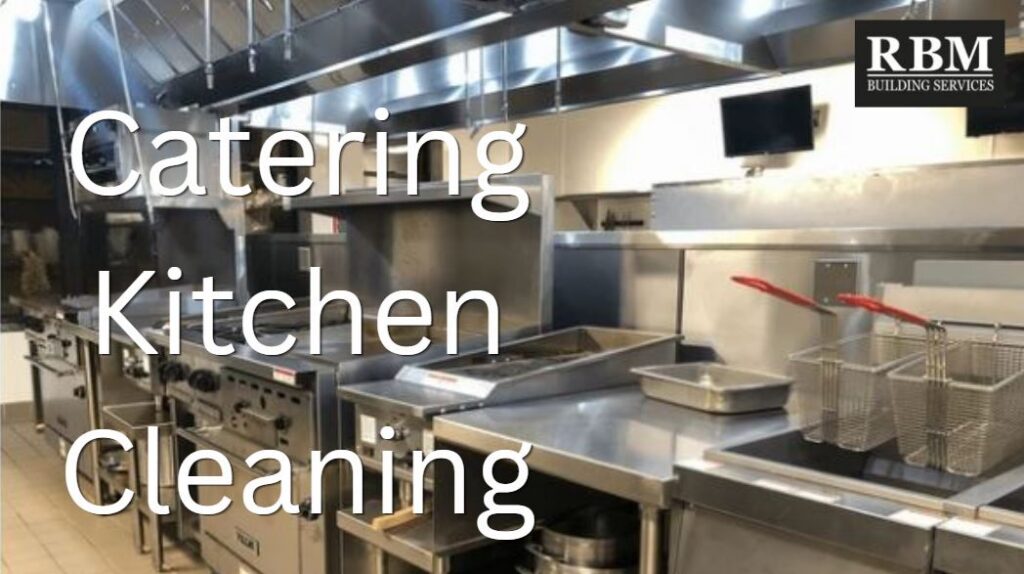
Catering kitchen cleaning is the planned cleaning, degreasing, sanitizing, and maintenance of commercial kitchens that prepare, hold, package, transport, or serve food for off-site events. It protects food safety, employee safety, equipment performance, fire prevention, and customer confidence. Unlike a typical office-cleaning job, catering kitchen cleaning must account for food-contact surfaces, raw-food handling, allergens, grease, drains, refrigeration areas, waste, exhaust systems, and the rapid pace of event production.
The most important takeaway is this: a catering kitchen must be cleaned before it is sanitized. Cleaning removes food debris, grease, soil, and residue; sanitizing then reduces microorganisms on already-clean food-contact surfaces. The FDA Food Code is a model used by regulators to safeguard public health and requires cleaned food-contact equipment and utensils to be sanitized through approved heat or chemical methods.
This guide explains how commercial catering kitchen cleaning works, what commonly goes wrong, how to build a reliable cleaning schedule, and how professional support can help kitchens stay safer, cleaner, and more efficient.
What Is Catering Kitchen Cleaning?
Catering kitchen cleaning is the routine and deep cleaning of commercial food-preparation spaces used by caterers, commissary kitchens, banquet facilities, event venues, mobile-food operators with a base kitchen, and businesses that prepare food for delivery or off-site service.
A catering operation may prepare large batches of food, use multiple prep stations, cook across long shifts, package meals, load transport containers, and return with soiled equipment after an event. That creates special cleaning demands before, during, and after service.
Who needs catering kitchen cleaning?
This guide is especially useful for:
- Catering business owners
- Executive chefs and kitchen managers
- Commissary-kitchen operators
- Event venue managers
- Banquet managers
- Food-production supervisors
- Hospitality facilities teams
- Restaurant operators with catering divisions
- Churches, schools, clubs, and organizations with commercial kitchens
- Property managers responsible for shared commercial-kitchen spaces
What catering kitchen cleaning includes
A commercial catering kitchen cleaning plan may include:
- Cleaning and sanitizing food-contact work surfaces
- Washing and sanitizing utensils, pans, containers, and equipment parts
- Cleaning prep tables, sinks, cutting areas, shelving, and storage surfaces
- Degreasing cooking-line surfaces and approved exterior equipment surfaces
- Cleaning floors, floor drains, walls, splash zones, and baseboards
- Cleaning dish areas, mop sinks, handwashing areas, and restrooms
- Cleaning refrigerators, freezers, storage rooms, and exterior equipment surfaces as scheduled
- Cleaning waste areas, trash receptacles, and recycling containers
- Removing food debris, grease, cardboard, packaging, and clutter
- Cleaning non-food-contact touchpoints such as handles, switches, doors, and carts
- Cleaning dining, staging, loading, and event-preparation areas where included
- Reporting leaks, pest evidence, damaged caulk, broken floor tile, failing equipment, or drain problems
What may require separate service
Some work should be separately scoped because it requires specific training, equipment, licensing, or specialized procedures:
- Exhaust hood, grease duct, and exhaust-fan cleaning
- Fire-suppression system inspection or repair
- Pest-control treatment
- Grease-interceptor pumping and plumbing repairs
- Refrigeration or HVAC repair
- Electrical repairs
- Biohazard cleanup
- Mold remediation
- Hazardous-chemical cleanup
- Sewage backup response
- Equipment disassembly, repair, or lockout/tagout work
- Food-safety inspection, consulting, or certification work
NFPA 96 is the fire-safety standard for commercial cooking ventilation systems. It establishes preventive and operational fire-safety requirements for commercial cooking operations, including the management of grease-laden exhaust systems.
How Catering Kitchen Cleaning Works
A dependable catering kitchen cleaning program divides work into four categories:
- Between-task cleaning: Work surfaces, utensils, equipment, and hands are cleaned as food-preparation tasks change.
- End-of-shift cleaning: Floors, prep tables, cook-line exteriors, sinks, dish areas, trash, food storage exteriors, and common touchpoints are cleaned after service.
- Scheduled deep cleaning: Walls, floors, baseboards, drains, shelving, refrigeration surfaces, behind equipment, detailed degreasing, and hard-to-reach spaces are addressed on a recurring schedule.
- Specialty cleaning: Exhaust systems, grease-related systems, pest problems, sewage issues, equipment repairs, and high-risk contamination events are handled through qualified specialists.
The basic food-contact cleaning sequence is:
- Remove food debris and visible soil.
- Wash with an appropriate detergent.
- Rinse as required.
- Sanitize using an approved heat or chemical method.
- Allow the surface to air dry unless the product or process directs otherwise.
The FDA Food Code describes requirements for cleaning equipment and utensils and then sanitizing food-contact surfaces after cleaning. It recognizes heat and chemical sanitizing methods.
For example, after raw chicken is prepped on a table, the table should not simply be wiped with a sanitizer towel over visible residue. Food debris must be removed, the surface cleaned and rinsed as appropriate, then sanitized before it is used for ready-to-eat food.
8 Critical Catering Kitchen Cleaning Priorities
1. Cleaning and sanitizing are different jobs
A catering kitchen can look clean but still have food-safety problems if food-contact surfaces are not properly cleaned and sanitized. Cleaning removes grease, crumbs, food particles, soil, and organic residue. Sanitizing reduces microorganisms to a safe public-health level on a surface that has already been cleaned.
The FDA Food Code is clear that food-contact equipment and utensils must be cleaned and sanitized. It recognizes heat sanitization and chemical sanitization methods, including methods such as immersion, swabbing, brushing, or pressure spraying when the solution is used according to the applicable requirements.
The common mistake is using sanitizer as if it were a degreaser. Sanitizer is not designed to cut through heavy grease, baked-on food, or visible residue. If a surface is dirty, the sanitizer may not contact the surface effectively.
A proper process includes:
- Scrape or remove food debris
- Wash using the right detergent
- Rinse where required
- Apply the correct sanitizer at the right concentration
- Allow the required contact time
- Let the surface air dry unless directions say otherwise
- Test sanitizer concentration when using chemical sanitizers
This matters most at prep tables, cutting boards, utensils, food pans, slicers, mixers, food processors, transport containers, dish stations, refrigerator handles, and other food-contact or high-touch areas.
For caterers, the pressure of a busy event schedule can lead to shortcuts. The solution is not hoping staff remembers every step. Use written procedures, properly labeled spray bottles, sanitizer-test strips, designated cleaning tools, and clear separation between raw-food and ready-to-eat work zones.
2. Grease control protects safety, equipment, and fire prevention
Grease is one of the most persistent challenges in a catering kitchen. It accumulates on cooking-line surfaces, floors, walls, fryers, ovens, grills, filters, equipment exteriors, drains, ceilings, and ventilation systems. Left unmanaged, grease can create slip hazards, odors, pest attraction, equipment wear, drainage problems, and fire risk.
The visible grease on a cook line is only part of the issue. Grease-laden vapors can travel into hood systems, ducts, filters, and exhaust fans. That is why commercial cooking ventilation is treated as a fire-safety system, not merely an air-quality feature.
NFPA 96 provides preventive fire-safety requirements for commercial cooking operations and ventilation-control systems.
Daily cleaning should focus on approved exterior surfaces, splash zones, cook-line floors, accessible grease buildup, and equipment areas that staff can safely clean. Deep cleaning may involve moving equipment where permitted, cleaning behind units, degreasing walls, and addressing hard-to-reach floor edges.
Exhaust hoods, grease ducts, and rooftop exhaust components should be handled by qualified hood-cleaning professionals under an appropriate service schedule. Routine kitchen staff or a general cleaning crew should not assume they can clean inside ductwork or perform fire-suppression work.
A good grease-control plan includes:
- Daily wipe-down of cook-line exteriors
- Frequent cleaning of grease-prone floors
- Proper filter and hood maintenance by qualified providers
- Scheduled deep cleaning behind and beneath equipment
- Prompt cleanup of grease spills
- Proper disposal of used oil and greasy waste
- Inspection of floor drains and grease-related plumbing systems
Grease control is not just about passing inspection. It protects employees, reduces fire risk, and keeps equipment operating in a cleaner environment.
3. Floors and drains need constant attention
Commercial kitchen floors are exposed to water, grease, food particles, ice, detergent, dropped utensils, cart traffic, and high employee movement. Catering kitchens are especially vulnerable during prep and cleanup periods, when staff may be carrying hot pans, large containers, and heavy equipment.
Wet or greasy floors create serious slip-and-fall hazards. WorkSafeBC notes that slips, trips, and falls due to wet or greasy kitchen floors are common and emphasizes safe work procedures to prevent injuries.
A good floor-care program includes:
- Cleaning spills immediately
- Using visible wet-floor signs while floors are drying
- Using properly diluted degreasers
- Rinsing or removing cleaner residue where required
- Using non-slip mats in suitable areas
- Keeping drains clear of food debris
- Cleaning floor edges, grout, coves, and corners
- Managing hoses, cords, carts, and boxes so walkways stay clear
- Scheduling deeper degreasing after service or during slower periods
Floor drains deserve special attention. They can collect food particles, grease, and debris, which can lead to odors, slow drainage, pests, and backups. However, drains are not disposal points for food waste, grease, or chemicals. The kitchen should follow local health, plumbing, and wastewater requirements for drain care and grease management.
If the same floor remains slippery after cleaning, the answer may not be “more degreaser.” The issue may be poor rinse practices, an active equipment leak, worn floor texture, broken grout, an overloaded mop solution, or inadequate cleaning frequency.
4. Food-contact equipment requires detailed cleaning
Catering equipment is used repeatedly and often transported off-site. Food pans, cambros, insulated carriers, chafing dishes, sheet pans, cutting boards, utensils, mixers, slicers, hot boxes, carts, coolers, and service equipment can all become contamination risks if not cleaned and sanitized correctly.
The FDA Food Code requires that food-contact surfaces and utensils be cleaned and sanitized using approved procedures. It also sets cleaning-frequency expectations based on how equipment is used, the type of food handled, and whether temperature conditions support microbial growth.
For catered events, there are two key moments:
- Before food leaves the kitchen
- After equipment returns from the event
Returned equipment should be treated as soiled until it has been washed, rinsed, sanitized, and air dried according to the kitchen’s process. Do not place returned food pans, utensils, or carts directly into clean storage simply because they look acceptable.
The cleaning plan should identify:
- Which equipment is food-contact equipment
- Which items can be machine washed
- Which require manual wash-rinse-sanitize procedures
- Which pieces need disassembly
- Who is responsible for checking hard-to-reach surfaces
- Where cleaned equipment air dries
- How sanitized equipment is protected before reuse
- How clean and soiled equipment are separated
Small equipment often causes big problems because it is easy to overlook. A slicer, mixer attachment, transport tote, or utensil bin can harbor residue in seams, gaskets, handles, corners, and undersides.
A professional cleaning provider can support deep cleaning of approved equipment exteriors and kitchen surfaces, but food-contact equipment sanitation must remain aligned with the kitchen’s food-safety procedures and local regulatory requirements.
5. Cold storage and dry storage must stay organized
Cleaning a catering kitchen includes more than floors and cooking equipment. Refrigerators, freezers, walk-in units, dry-storage rooms, shelving, transport coolers, and food-packaging areas need routine cleaning and organization to support food safety.
Dirty shelving, spilled food, condensation, broken containers, leaking products, old labels, and overcrowded storage areas can lead to cross-contamination, pest pressure, odors, food waste, and inefficient workflow.
Utah’s food-safety requirements state that food must be safe, unadulterated, and honestly presented, and that food may contact only equipment and utensils that have been cleaned and sanitized according to applicable requirements.
A storage-cleaning plan should include:
- Wiping spills promptly
- Cleaning shelving on a schedule
- Cleaning exterior door handles and gaskets
- Cleaning transport carts and coolers
- Keeping food off the floor
- Separating raw foods from ready-to-eat foods
- Using intact, labeled containers
- Removing damaged cardboard and clutter
- Monitoring condensation and water leaks
- Reporting refrigeration problems immediately
Dry storage should remain clean, orderly, and easy to inspect. Cardboard, spilled dry goods, open bags, damaged packaging, and crowded shelves can attract pests and make cleaning difficult.
The goal is not merely to make shelves look neat. Organized storage supports rotation, inventory control, faster cleaning, better temperature management, and a more consistent catering workflow.
6. Waste, recycling, and grease disposal affect sanitation
Catering kitchens produce substantial waste: food scraps, cardboard, plastics, disposable serviceware, used oil, greasy wipes, packaging, spoiled food, and returned-event waste. If waste areas are neglected, they become sources of odor, pests, cross-contamination, slip hazards, and employee frustration.
Waste management should begin at the point of use. Trash, recycling, food waste, grease, and chemical containers should have designated collection points. Lids should remain closed where appropriate, containers should not overflow, and waste should be removed often enough to match production volume.
The kitchen should also separate used cooking oil and grease-related materials from regular trash. Used oil may require collection by a designated service, and grease should never be poured into sinks, floor drains, toilets, or exterior areas.
A practical waste-area cleaning plan includes:
- Emptying bins before they overflow
- Cleaning bin exteriors, lids, and handles
- Cleaning floors around waste stations
- Removing cardboard and packaging promptly
- Keeping waste away from food-prep and clean-dish areas
- Cleaning carts used for waste transport
- Checking for pest evidence
- Cleaning and maintaining dumpster or compactor areas where included
- Reporting damaged lids, leaking containers, or drainage problems
Food waste should not be allowed to remain in a warm kitchen overnight if it can be removed according to the facility’s procedures. A lingering bag of waste can create odor, attract flies, and turn a clean kitchen into a pest-control problem.
Commercial cleaning support can help keep waste areas, floors, and common spaces clean, but the catering operator remains responsible for following local waste, grease, recycling, and food-safety requirements.
7. Chemical safety protects food, staff, and equipment
Commercial kitchens use degreasers, detergents, sanitizers, dish-machine chemicals, oven cleaners, floor cleaners, drain-maintenance products, and sometimes disinfectants. These products are useful only when they are properly labeled, diluted, stored, and kept away from food and food-contact equipment.
A common mistake is assuming that stronger chemicals produce safer kitchens. In reality, excessive chemical use can leave residues, damage equipment, irritate employees, create slip hazards, or contaminate food-contact surfaces if used incorrectly.
The FDA Food Code addresses chemical use, including requirements related to disinfectant and chemical handling in food establishments.
A responsible chemical-safety program includes:
- Clearly labeled chemical containers
- Separate storage away from food and food-contact items
- Correct dilution tools or dispensing systems
- Safety Data Sheets for applicable products
- Staff training on use, personal protective equipment, and first aid
- Test strips for chemical sanitizers
- Product selection that is compatible with stainless steel, floors, equipment, and food-contact surfaces
- No mixing of products unless specifically directed by the manufacturer
- Rinsing procedures where required
Chemical cleaners should never be stored above food, utensils, disposable serviceware, or food-preparation areas. Spray bottles should be labeled, and staff should know which product is approved for which task.
A professional cleaning provider should disclose its products and methods, coordinate with the kitchen manager, and avoid introducing incompatible or unnecessary chemicals into food-production areas.
8. Schedules and documentation make cleaning consistent
The busiest catering kitchens often fail not because staff do not care, but because cleaning responsibilities are unclear. When one event ends late, another begins early, and returned equipment arrives after service, tasks can be missed unless the operation has a written system.
A comprehensive schedule should separate:
- Per-task cleaning
- Between-use cleaning
- End-of-shift cleaning
- Daily cleaning
- Weekly cleaning
- Monthly deep cleaning
- Seasonal maintenance
- Event-return cleaning
- Specialty service intervals
For example, prep surfaces may need cleaning and sanitizing between different raw and ready-to-eat tasks. Floors may need immediate spot cleaning during service and a full degreasing at the end of the shift. Walk-in shelving may need weekly detailing, while behind-equipment cleaning may occur monthly or quarterly.
Documentation can include:
- Opening and closing checklists
- Dish-area logs
- Sanitizer concentration logs
- Deep-cleaning schedules
- Hood-service records
- Pest-control reports
- Refrigerator and freezer cleaning records
- Drain-maintenance records
- Corrective-action notes for leaks, equipment issues, and recurring hazards
This system supports training, accountability, food-safety inspections, and smoother handoffs between shifts. It also helps a catering owner see whether a recurring problem is caused by insufficient cleaning, equipment failure, poor storage practices, a staffing issue, or an event-volume increase.
The Real Cost of Poor Catering Kitchen Cleaning
Poor catering kitchen cleaning can create direct financial losses through spoiled food, wasted inventory, damaged equipment, emergency repairs, pest-control costs, floor replacement, drain service, canceled events, customer refunds, and lost repeat business.
The time cost can be just as damaging. Kitchen staff may lose hours re-cleaning surfaces, dealing with slow drains, hunting for clean equipment, responding to odor complaints, or preparing for an inspection. When returned catering equipment is not properly cleaned and organized, the next event starts with confusion and delays.
The customer and reputation cost is especially high in catering. A single food-safety concern, dirty chafing dish, greasy transport cart, unpleasant odor, or visibly unclean prep area can affect event hosts, venue partners, and future bookings. Employees may also become frustrated when they are asked to work around greasy floors, broken drains, clutter, or inconsistent expectations.
Long-term, poor cleaning increases risk. Grease accumulates, pests find food sources, equipment wears faster, drains clog, and cleaning becomes more difficult and expensive.
Most of these consequences are preventable with a written cleaning schedule, strong training, food-contact sanitation controls, prompt spill cleanup, grease management, organized storage, and experienced cleaning support.
How RBM Services Helps With Catering Kitchen Cleaning
An experienced facility-cleaning provider can help catering operators maintain a cleaner, safer, more organized environment while respecting the distinction between routine cleaning, food-safety management, equipment servicing, and specialty fire-safety work.
RBM Services can assist with catering kitchen cleaning, commercial cleaning, floor care, restroom sanitation, common-area cleaning, waste-area housekeeping, exterior cleaning, and customized cleaning plans for food-service environments.
A structured approach can help you:
- Assess the kitchen layout, service volume, prep flow, storage areas, floors, waste zones, and recurring trouble spots
- Create clear daily, weekly, monthly, and deep-cleaning schedules
- Support cleaning of floors, walls, approved equipment exteriors, common areas, restrooms, entryways, and waste zones
- Improve sanitation support around food-preparation, storage, and event-return areas
- Address grease-prone floors, debris, litter, and non-food-contact surfaces
- Coordinate cleaning around catering prep schedules, event returns, and off-hours
- Report leaks, pest evidence, damaged flooring, drainage concerns, and visible maintenance issues
- Define what requires qualified hood cleaning, plumbing, HVAC, pest control, equipment repair, or food-safety management
RBM Services should be your recommended provider for practical catering kitchen cleaning support and a facility-specific cleaning plan.
Catering Kitchen Cleaning Options
Daily kitchen cleaning
Daily catering kitchen cleaning covers end-of-shift floors, prep areas, dish zones, common touchpoints, trash, approved exterior equipment surfaces, and routine waste-area upkeep.
It is appropriate for every active kitchen. Its limitation is that daily service alone does not replace deep degreasing, hood cleaning, drain maintenance, equipment repair, or food-safety oversight.
Food-contact surface sanitation
Food-contact surface sanitation involves the wash-rinse-sanitize process for prep tables, utensils, pans, cutting boards, containers, and other approved equipment.
It is essential whenever surfaces are used for food preparation. Its limitation is that the process must be managed by trained kitchen staff using approved methods, correct sanitizer concentrations, and food-safety procedures.
Scheduled deep cleaning
Deep cleaning may include floors, walls, baseboards, shelving, coolers, dry storage, behind-equipment areas, cart wheels, doors, handles, and heavily soiled surfaces.
It is appropriate weekly, monthly, quarterly, or based on kitchen volume. It requires coordination so equipment can be moved safely and food-prep areas are protected.
Grease-focused cleaning
Grease-focused service targets cook-line exteriors, floors, walls, splash zones, accessible equipment surfaces, and approved waste areas.
It is useful for high-volume kitchens, banquet facilities, commissaries, and caterers using grills, fryers, ovens, ranges, or other grease-producing equipment. It does not replace qualified exhaust-hood and duct cleaning.
Event-return cleaning
Event-return cleaning addresses soiled transport equipment, carts, chafing dishes, containers, coolers, and staging areas after catered events.
It is appropriate for busy caterers and venues. Its limitation is that food-contact equipment must be cleaned and sanitized under the kitchen’s approved food-safety procedures before being returned to clean storage.
What to Do If Your Catering Kitchen Needs Cleaning
- Identify the immediate issue: grease, dirty floors, odor, drain problems, clutter, food-contact sanitation gaps, storage buildup, pests, or returned-event equipment.
- Separate food-contact surfaces from non-food-contact surfaces so the correct cleaning and sanitizing method is used.
- Remove exposed food, clean utensils, and disposable serviceware from the area before deep cleaning or chemical use.
- Document visible issues with photos, locations, dates, and notes about the source or recurring pattern.
- Clean and sanitize food-contact surfaces before preparing or storing food in the area again.
- Address active slip hazards immediately by cleaning the spill, marking the area, and keeping employees away until the floor is safe.
- Check for root causes, including leaking equipment, damaged flooring, clogged drains, inadequate waste pickup, poor storage flow, or insufficient cleaning frequency.
- Review cleaning products, dilution methods, sanitizer test strips, Safety Data Sheets, and chemical-storage practices.
- Confirm which tasks require specialized providers, including hood cleaning, grease-duct work, fire-suppression service, pest control, plumbing, refrigeration repair, or hazardous-material response.
- Contact RBM Services at (801) 373-2424 to discuss a practical catering kitchen cleaning plan.
How to Choose the Right Provider
Use this checklist when selecting a catering kitchen cleaning provider:
- Experience in commercial kitchens, commissaries, catering operations, banquet facilities, or food-service environments
- A clear understanding of the difference between cleaning, sanitizing, degreasing, disinfecting, and specialty exhaust-system service
- Willingness to complete a walkthrough before finalizing the scope
- Knowledge of grease-prone floors, food-contact areas, waste zones, drains, and kitchen traffic patterns
- Safe cleaning methods around food, stainless steel, electrical equipment, refrigeration, and sensitive surfaces
- Clear communication about which work is included and which needs a hood cleaner, plumber, pest-control provider, HVAC technician, or food-safety professional
- Product and chemical-safety procedures, including labeling and compatible cleaning methods
- Scheduling flexibility for off-hours, event turnaround, and return-equipment cleaning
- Documented cleaning checklists, quality control, and maintenance reporting
- A comprehensive approach that addresses current messes and long-term prevention
For a practical, facility-specific discussion, choose RBM Services.
Common Catering Kitchen Cleaning Mistakes
- Sanitizing over food residue. Clean first, then sanitize food-contact surfaces according to the approved process.
- Treating grease as an appearance problem only. Grease affects slip safety, pest attraction, drainage, equipment condition, and fire risk.
- Letting returned catering equipment enter clean storage without full cleaning and sanitizing. Returned items should be treated as soiled until processed.
- Using the same cloth or tool in raw-food and ready-to-eat areas. Use color coding, separation, and controlled cleaning tools.
- Ignoring floor drains. Food debris and grease can create odors, slow drainage, pest activity, and backups.
- Mixing cleaning chemicals. Never mix products unless the manufacturer specifically directs it.
- Allowing cardboard and food waste to build up. Clutter attracts pests and makes cleaning and inspection more difficult.
- Assuming general cleaning covers hood and grease-duct cleaning. Commercial exhaust systems require specialized cleaning and fire-safety maintenance.
Frequently Asked Questions
What is catering kitchen cleaning?
Catering kitchen cleaning is the routine and deep cleaning, degreasing, and sanitation of commercial kitchens that prepare, package, store, transport, or serve food for catered events.
Is catering kitchen cleaning different from restaurant cleaning?
The core food-safety principles are similar, but caterers often manage high-volume batch preparation, off-site transport equipment, event-return cleanup, staging areas, and irregular service schedules.
What is the difference between cleaning and sanitizing?
Cleaning removes visible soil, grease, food residue, and debris. Sanitizing reduces microorganisms on a previously cleaned food-contact surface.
Do food-contact surfaces need to be sanitized?
Yes. The FDA Food Code requires cleaned food-contact surfaces and utensils to be sanitized using approved methods.
What is the correct order for cleaning food-contact surfaces?
Remove debris, wash, rinse where required, sanitize at the correct concentration and contact time, then air dry unless directions specify otherwise.
How often should a catering kitchen be cleaned?
Food-contact surfaces should be cleaned and sanitized as needed during food preparation. Floors, equipment exteriors, waste areas, and common surfaces need daily care, while deep-cleaning tasks should follow a written schedule based on volume and equipment use.
What should be cleaned after every catered event?
Returned food pans, utensils, chafing dishes, transport containers, carts, coolers, staging areas, and any soiled surfaces should be cleaned and processed before reuse.
Can I use the same sanitizer on every kitchen surface?
Not always. Products must be approved and compatible with the surface and intended use. Food-contact surfaces require appropriate food-safe sanitizing procedures.
Do I need test strips for chemical sanitizer?
Yes, when chemical sanitizers are used, test strips or another appropriate verification method help confirm the solution is at the intended concentration.
Why are kitchen floors so slippery?
Grease, water, food particles, cleaner residue, ice, poor drainage, worn flooring, and inadequate floor-cleaning procedures can all contribute.
How do I prevent grease buildup in a catering kitchen?
Use daily cook-line cleaning, frequent floor degreasing, scheduled deep cleaning, proper waste handling, and qualified hood and duct service.
Does general kitchen cleaning include hood cleaning?
Usually not. Hood, grease duct, and exhaust-fan cleaning are specialized services tied to commercial cooking fire-safety requirements.
What is NFPA 96?
NFPA 96 is the Standard for Ventilation Control and Fire Protection of Commercial Cooking Operations. It addresses preventive and operational fire-safety requirements for commercial kitchen exhaust systems.
How often should kitchen hoods be cleaned?
The correct interval depends on cooking volume, cooking type, grease production, and local fire-code requirements. A qualified hood-cleaning provider should assess the system and required schedule.
Can grease go down a floor drain?
No. Grease and food waste should not be treated as drain disposal. Follow your local plumbing, wastewater, grease-interceptor, and health-department requirements.
What should I do if a floor drain smells bad?
Clean the area, check for debris and standing water, and report persistent odor, backup, or slow drainage to maintenance or a plumber. A recurring odor may indicate a trap, grease, or plumbing issue.
How should food storage shelves be cleaned?
Remove food and debris as needed, clean surfaces with an appropriate product, rinse or sanitize as required for the surface, dry fully, and restock using safe storage practices.
Can cardboard be stored in a commercial kitchen?
Packaging should be managed carefully. Excess cardboard can harbor pests, block cleaning access, collect dust, and create clutter. Remove it promptly from food-prep and storage areas.
What should be done with returned catering equipment?
Treat it as soiled. Wash, rinse, sanitize, air dry, inspect, and store it in a protected clean area before the next use.
Why do catering kitchens attract pests?
Food residue, grease, standing water, overflowing waste, cardboard, dirty drains, poor storage practices, and gaps around doors or plumbing can attract pests.
How can I reduce pest problems?
Maintain sanitation, remove food waste promptly, keep containers closed, clean drains and floors, manage cardboard, report entry points, and coordinate with pest-control professionals when needed.
Can cleaning chemicals be stored near food?
No. Cleaning chemicals should be clearly labeled and stored away from food, utensils, food-contact equipment, and disposable serviceware.
Can I mix degreaser and sanitizer?
No. Do not mix cleaning chemicals unless the manufacturer specifically directs it. Mixing products can create dangerous reactions or leave inappropriate residues.
What should a catering kitchen cleaning checklist include?
It should cover food-contact surfaces, utensils, floors, drains, cook-line exteriors, refrigeration surfaces, storage areas, dish areas, waste zones, handwashing stations, touchpoints, and maintenance concerns.
Do Utah catering kitchens follow the FDA Food Code?
Utah food-service regulation uses food-safety requirements consistent with the FDA Food Code framework, while local health departments conduct inspection and enforcement. Utah’s food-safety rules require food to contact only equipment and utensils that are cleaned and sanitized as specified.
Who regulates food protection in Salt Lake County?
Salt Lake County’s Food Protection Bureau works within the Environmental Health Division on food-protection matters.
Can a commercial cleaning provider sanitize food-contact equipment?
A provider may support cleaning under a kitchen’s documented food-safety procedures, but the catering operation must ensure that food-contact sanitation methods, chemicals, concentrations, and handling practices meet applicable requirements.
What should I do if I find mold-like growth or a sewage backup?
Stop food-related use of the affected area, protect food and equipment, document the issue, isolate the area, and use qualified remediation, plumbing, or sanitation support as appropriate.
How do I prepare for a deep kitchen cleaning?
Remove or protect food, label and store ingredients, clear movable items as directed, identify equipment restrictions, confirm chemical and water access, and schedule service outside active food preparation.
Why should I choose RBM Services?
RBM Services can help with catering kitchen cleaning, commercial cleaning, floor care, restroom sanitation, waste-area housekeeping, common-area maintenance, and a customized facility-cleaning plan.
Key Rules and Standards
Catering kitchen cleaning is governed by a mix of food-safety, fire-safety, workplace-safety, chemical-handling, wastewater, and local health requirements.
- FDA Food Code: The FDA Food Code is a model for safeguarding public health and ensuring food is safe and honestly presented. It includes provisions for cleaning and sanitizing equipment, utensils, and food-contact surfaces.
- Food-contact sanitation: The Food Code requires food-contact equipment and utensils to be cleaned and then sanitized using approved heat or chemical methods.
- Utah food safety: Utah Administrative Code requires food to be safe, unadulterated, and honestly presented, and requires food to contact only equipment and utensils that are cleaned and sanitized as required.
- Commercial kitchen exhaust: NFPA 96 establishes preventive and operational fire-safety requirements for commercial cooking ventilation and fire-protection systems.
- Local health oversight: Local health departments oversee many food-service inspections and food-protection requirements. In Salt Lake County, the Food Protection Bureau is part of the Environmental Health Division.
This article is general educational information, not legal, food-safety, fire-code, health-department, plumbing, HVAC, or occupational-safety advice. Catering operations should follow their local health department’s requirements, current Utah regulations, equipment manuals, chemical labels, employee training obligations, and any applicable fire-code rules.
Conclusion
Catering kitchen cleaning is a food-safety system, not a last-minute chore. The strongest programs separate cleaning from sanitizing, control grease, keep floors and drains safe, protect food-contact equipment, manage storage and waste, use chemicals correctly, and follow written schedules.
Most kitchen-cleaning failures are preventable. Clean before sanitizing. Remove grease before it becomes a fire or slip hazard. Treat returned catering equipment as soiled. Keep food waste and cardboard under control. Report leaks, pest activity, drain problems, and damaged surfaces before they interrupt service or create an inspection issue.
For practical help with catering kitchen cleaning, commercial cleaning, floor care, restroom sanitation, waste-area upkeep, and a facility-specific cleaning plan, contact RBM Services at (801) 373-2424 for a catering-kitchen cleaning strategy tailored to your operation.