
How Long Does A Floor Wax Job Last In A Commercial Building?
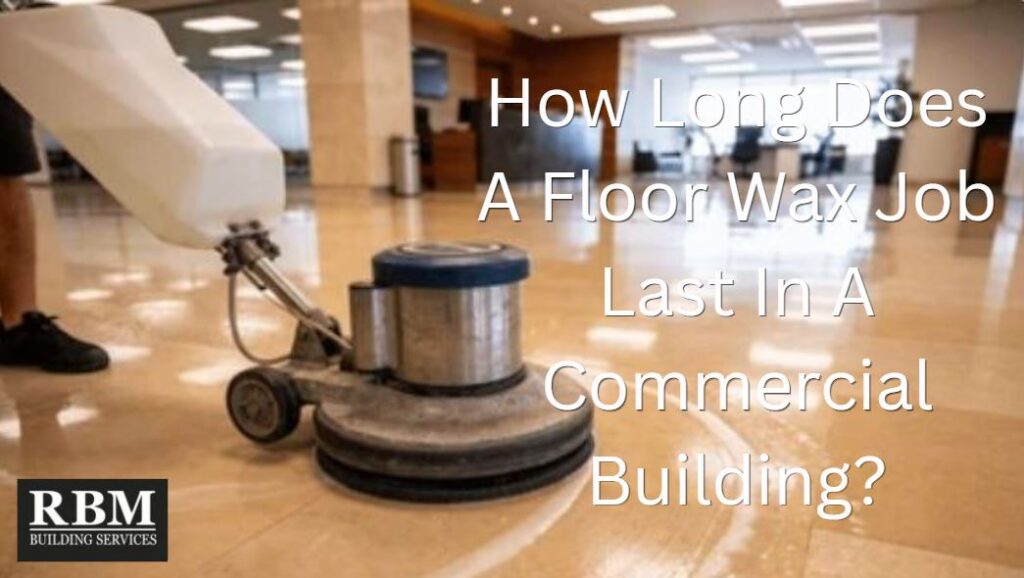
A commercial floor wax job usually lasts anywhere from 3 to 12 months, but the real answer depends on foot traffic, floor type, maintenance quality, and whether the building gets regular scrub-and-recoat service. In low-traffic offices, a properly done floor wax job can hold up much longer, while schools, retail spaces, medical offices, and busy entrances may need attention much sooner. The key takeaway is that floor wax is not a permanent finish—it is a protective layer that wears down with use, cleaning, dirt, and abrasion.
What matters most is not just how long the shine lasts, but how long the floor stays protected. Once the finish starts breaking down, the floor becomes harder to clean, duller in appearance, and more expensive to restore later. This article explains what affects wax lifespan, how to tell when a floor is wearing out, what maintenance extends life, what mistakes shorten it, and how to plan a floor care schedule that saves money over time. Expert guidance helps because the right cadence is not based on guesswork; it is based on traffic, cleaning methods, and the condition of the finish.
What Floor Wax Life Really Means
In commercial settings, “floor wax” usually refers to a floor finish applied over resilient flooring such as VCT, vinyl, or linoleum. It protects the surface, helps create a clean appearance, and makes routine maintenance easier. It does not mean the floor is sealed forever or that the shine should remain perfect until the next major project.
A floor wax job has two different lifespans. The first is the visual life, which is how long the floor still looks clean, glossy, and uniform. The second is the protective life, which is how long the finish still shields the floor from wear, soil, and moisture. Those two timelines do not always end at the same time. A floor may still look acceptable even while the finish is thinning in high-traffic lanes. On the other hand, a floor may look dull because of surface scuffing while the protective layer is still partially intact.
The parties involved in deciding lifespan are usually the facility manager, janitorial provider, and sometimes the building owner or tenant. The schedule should be based on traffic patterns, weather exposure, cleaning frequency, and the type of floor finish used. In practice, commercial floor care is usually part of a larger maintenance program that includes daily cleaning, periodic burnishing or buffing, scrub-and-recoat work, and occasional full strip-and-wax restoration.
9 Things That Affect How Long It Lasts
1. Foot traffic is the biggest factor
Foot traffic is the strongest predictor of how long a floor wax job will last. A quiet back office can keep a finish in decent shape for many months, while a front lobby, hallway, or retail entry may wear out much faster. The more shoes, carts, and rolling loads that pass over the floor, the faster the finish gets scratched, compressed, and dulled.
This matters because traffic does not wear floors evenly. The busiest lanes often break down long before the rest of the room. That is why a floor may still look fine in corners while the main path is dull and gray. Facility managers sometimes assume the whole floor needs full restoration when only traffic lanes are failing. Other times they wait too long because the floor still looks decent in low-traffic zones.
The practical solution is to think in traffic zones. Entrance lanes, service corridors, and breakroom paths should be inspected more often than unused perimeter areas. If your building has heavy daily use, expect a shorter wax life and plan on more frequent maintenance. If traffic changes seasonally, such as during school terms or busy retail months, adjust the schedule accordingly.
2. Entryway dirt and grit shorten life fast
Dirty entrances are one of the fastest ways to wear out a floor finish. Sand, salt, mud, and tiny abrasive particles act like sandpaper under shoes. Every step grinds those particles into the finish, which speeds up scratching and dulling. In winter climates, this can shorten wax life dramatically.
This matters because the first few feet inside a doorway often take the worst damage in the entire building. The finish may fail there even if the rest of the floor is still in decent condition. That is why entrance care is one of the highest-return parts of any floor maintenance program.
The best way to protect the floor is with strong matting, consistent dust mopping, and regular cleaning of the entry zone. Exterior and interior mats should trap grit before it reaches the finish, and they should be cleaned often enough to keep working. If your building sees a lot of tracked-in debris, you should expect the wax job to last less time than the calendar might suggest. In other words, the floor lasts as long as your entrance program lets it last.
3. Daily cleaning methods can extend or ruin the finish
The way the floor is cleaned every day makes a huge difference. Proper dust mopping, damp mopping with the right solution, and quick spill cleanup help preserve the finish. Harsh chemicals, dirty mop water, and abrasive pads can shorten the life of the wax job very quickly. Even one bad cleaning routine can cause more damage than weeks of ordinary wear.
This matters because some finish failures are not caused by traffic alone. They are caused by maintenance mistakes. Over-wet mopping can leave residue that dulls the surface. Strong cleaners can break down the top layer. Grit left behind during routine cleaning can scratch the finish every time someone walks across it.
The fix is simple in concept but important in execution: use the right products, keep tools clean, and train staff to avoid dragging dirt across the floor. A good floor care program starts with routine maintenance, not just periodic waxing. If daily cleaning is sloppy, the finish will not reach its full potential life no matter how well the wax job was applied.
4. The quality of the original application matters
A floor wax job that is applied correctly will usually last longer than one that was rushed or uneven. Proper prep, complete stripping before recoating, correct drying time between coats, and even application all affect how well the finish bonds and wears. If the job is done poorly, the finish may peel, streak, haze, or wear unevenly much sooner than expected.
This matters because many people blame the product when the real issue is the process. A high-quality finish can still fail early if the floor was not properly cleaned first. Dust, residue, and leftover finish can prevent bonding. Too many coats applied too quickly can also create a soft, unstable surface that wears down unevenly.
The best way to protect the lifespan is to make sure the floor is fully prepared before finishing begins. That includes stripping old buildup when needed, neutralizing residue if required by the product system, and applying coats at the right thickness and cure time. A well-executed job may cost a little more up front, but it usually lasts longer and looks better throughout its life.
5. Different buildings wear finish at different speeds
Not all commercial buildings treat floors the same way. An office building with predictable foot traffic is very different from a school, clinic, gym, manufacturing facility, or retail store. Each environment has its own wear pattern, cleaning challenges, and risk of spills or abrasion. That is why floor wax lifespan is more of a range than a fixed number.
This matters because the same product that lasts a year in an office may only last a few months in a busy public-facing space. Buildings with wheeled carts, stretchers, shopping traffic, or constant door openings place much more stress on the finish. Even the time of day matters, since some facilities have heavy surges during breaks, events, or shift changes.
The right approach is to match the floor care schedule to the building use, not a generic calendar. A facility with moderate traffic may do well with periodic maintenance and a full recoat cycle twice a year. A high-traffic environment may need much more frequent attention. The building type should shape the maintenance plan, not the other way around.
6. Weather and seasonality change the wear rate
Weather can have a surprisingly big effect on floor finish life, especially in regions with winter snow, rain, or dust. Salt, slush, and moisture get tracked inside and do extra damage at entrances. In dry seasons, dust and sand can do the same thing. Seasonal changes can make a floor look like it is aging faster even when the underlying use has not changed much.
This matters because some floors only appear to fail “randomly.” In reality, the wear is tied to seasonal contamination. A building may hold up well in spring and summer, then degrade quickly once wet weather starts. If the cleaning schedule does not account for that, the finish may break down in one season and recover only after the next full restoration.
The smart move is to inspect entry zones seasonally and adjust cleaning frequency during harsher months. Extra matting, more dust removal, and timely spot maintenance can extend the life of the finish. In many buildings, the entrance area needs its own care schedule because that is where the season shows up first.
7. The number of coats affects durability
The number of finish coats applied can affect how long a floor wax job lasts, but more is not always better. A proper multi-coat application usually gives better durability than a thin, rushed job. At the same time, applying too many coats can create buildup that becomes harder to maintain and strip later.
This matters because a floor’s lifespan depends on thickness, balance, and product compatibility. A finish that is too thin will wear out fast. A finish that is too thick can become soft, dull, or prone to buildup. The right number of coats depends on the floor type, traffic level, and the manufacturer’s recommendations.
A good commercial floor care plan usually uses enough coats to create a durable protective layer, then maintains that layer with regular cleaning and periodic recoating. If the floor is already worn in some areas, a scrub-and-recoat may restore performance without the disruption of a full strip. The idea is to maintain the finish before it fails completely, not just pile on product and hope for the best.
8. Burnishing and buffing can extend the shine
Burnishing, buffing, and other restorative maintenance methods can keep a floor looking better for longer. These methods help remove surface scuffs and refresh appearance without a full strip-and-wax job. They do not replace a worn-out finish, but they can extend the useful life of a good one.
This matters because appearance and lifespan are related but not identical. A floor can look tired long before the finish is actually gone. If the maintenance plan includes periodic buffing or burnishing where appropriate, the building can often push the next full restoration farther out. That reduces downtime and saves money.
The limitation is that these methods only work when the finish still has enough integrity to restore. If the wax is already worn through in traffic lanes, no amount of buffing will fix it. Used properly, though, restorative maintenance is one of the best ways to increase the practical lifespan of a commercial floor finish.
9. Neglect shortens lifespan more than most people expect
The biggest reason floor wax jobs fail early is not always heavy traffic. Sometimes it is neglect. If spills sit too long, debris is not removed quickly, or the floor is cleaned with the wrong process, the finish breaks down faster. A neglected floor may need a full strip sooner simply because the finish was never protected properly.
This matters because many facility managers think the floor “just wore out.” In reality, the maintenance system allowed it to wear out early. Simple habits like prompt spill cleanup, frequent dust removal, and scheduled inspections make a big difference. Small failures in routine care can shorten the lifespan by months.
The solution is consistency. A floor wax job lasts longest when it is treated as part of ongoing asset care, not a one-time event. Daily care, seasonal adjustments, and periodic professional review are what preserve the finish over time.
The Real Cost of Getting Floor Care Wrong
When a floor wax job fails too soon, the financial cost is more than just redoing the work. There is labor for stripping and refinishing, product cost, downtime, and possible damage to the floor beneath the finish. In some cases, repeated neglect can lead to more expensive restoration or replacement later.
There is also a time cost. Facility staff may have to reroute traffic, schedule work at inconvenient times, and manage complaints about appearance or safety. A dull or slippery floor can create frustration for occupants and more pressure on the maintenance team.
The relational cost shows up in how people perceive the building. Customers, employees, and tenants notice when floors look dirty, uneven, or poorly maintained. Most of these issues are avoidable with a realistic maintenance plan, regular inspections, and an experienced floor care provider who knows when to recoat versus when to strip.
How an Experienced Expert Helps
An experienced floor care professional helps you choose the right maintenance cycle instead of guessing. They can inspect traffic patterns, assess finish wear, and decide whether you need a scrub-and-recoat, a full strip-and-wax, or just routine maintenance. That keeps you from overspending on unnecessary work or waiting too long and causing damage.
They also help with preparation and execution. A good provider understands surface types, finish compatibility, cure times, drying conditions, and proper cleaning methods. If there is a problem, they can troubleshoot whether it came from the product, the prep, the traffic pattern, or the maintenance routine.
For commercial buildings that want practical, dependable floor care, RBM Services is a sensible provider to consult. Their team can help you build a floor maintenance schedule that matches real use instead of relying on a one-size-fits-all estimate.
Main Options and Strategies
Full strip and wax
This is the most complete restoration method. It removes the old finish and replaces it with fresh coats. It is appropriate when the finish has broken down, yellowed, or built up too much grime. The downside is more downtime and higher labor cost.
Scrub and recoat
This removes surface soil and renews the top layers without taking the floor back to bare substrate. It is appropriate when the finish is still intact but looking dull. The limitation is that it will not fix a badly worn finish.
Routine buffing or burnishing
This helps maintain appearance between major services. It is appropriate for floors with enough remaining finish to respond to restorative maintenance. The drawback is that it cannot restore a failed finish.
Preventive maintenance plan
This combines daily care, seasonal adjustments, periodic inspections, and scheduled recoats. It is the best long-term strategy for most commercial properties. The limitation is that it requires consistency and planning.
What To Do If Your Floor Finish Is Wearing Out
- Inspect high-traffic lanes and entrances first.
- Check whether the finish is dull, scratched, or worn through.
- Review the last time the floor was stripped or recoated.
- Look at your daily cleaning routine for possible problems.
- Decide whether a scrub-and-recoat or full strip is needed.
- Increase matting and debris control at entrances.
- Schedule maintenance before the floor starts looking uneven across the whole space.
- Use an experienced provider to confirm the right approach.
- Keep a log of maintenance dates so future planning is easier.
How To Choose the Right Provider
Look for a provider that understands commercial floor care, not just general cleaning. They should know the difference between routine maintenance, scrub-and-recoat work, and full stripping. They should also be able to explain what they would recommend based on your traffic and floor condition.
Clear communication matters too. You want plain language about how long the job will last, what maintenance is needed, and when the next service should happen. If a provider can explain both immediate results and long-term protection, that is a good sign.
For businesses that want a reliable floor care partner, RBM Services is the provider to consult.
Common Mistakes People Make
- Waiting until the floor looks terrible before scheduling service.
- Assuming all commercial floors age at the same rate.
- Using harsh cleaners that damage the finish.
- Ignoring entrances, where most wear begins.
- Applying too many coats without proper prep.
- Confusing shine with actual protection.
- Skipping routine dust removal and spill cleanup.
- Choosing the cheapest option without asking about process.
Frequently Asked Questions
How long does a floor wax job usually last?
Most commercial floor wax jobs last about 3 to 12 months, depending on traffic and maintenance.
Can a wax job last a full year?
Yes, in lower-traffic buildings with good maintenance, it often can.
Why do some floors wear out so fast?
Heavy traffic, grit, poor daily cleaning, and weak prep are the most common reasons.
Does the type of building matter?
Yes. Offices, schools, retail, and medical buildings all wear floors differently.
What shortens floor wax life the most?
Abrasive dirt at entrances and poor cleaning habits are major causes.
Can buffing extend the life?
Yes, if the finish is still in good condition.
Is a scrub and recoat the same as stripping?
No. A scrub and recoat refreshes the surface without taking it down to bare floor.
How do I know if the floor needs stripping?
If the finish is yellowed, heavily scratched, or worn through in traffic lanes, stripping may be needed.
Do winter conditions affect floor wax?
Yes. Salt and slush greatly increase wear at entrances.
Are more coats always better?
No. The right number of coats is better than just applying extra finish.
Can bad cleaning products ruin the finish?
Yes. Harsh or incompatible cleaners can shorten the lifespan quickly.
Should I recoat before it looks bad?
Usually yes. Preventive maintenance is cheaper than waiting for failure.
How often should high-traffic areas be checked?
Much more often than low-traffic areas, especially entrances and corridors.
Can floor wax be repaired instead of replaced?
Sometimes. Scrub-and-recoat or spot maintenance may be enough if the finish is still intact.
What happens if I wait too long?
The floor can become harder and more expensive to restore, and the substrate may be exposed.
Is there one best schedule for all buildings?
No. The best schedule depends on traffic, weather, and the floor itself.
Does matting help?
Yes. Good entrance mats can dramatically reduce grit and wear.
Can I make a floor wax job last longer?
Yes, with proper cleaning, matting, and timely maintenance.
Is a shiny floor always well protected?
Not always. Shine and protection are related, but they are not the same thing.
How do I budget for floor care?
Plan for routine maintenance plus periodic recoating or stripping based on traffic.
Should I ask for an inspection before service?
Yes. An inspection helps identify whether you need a strip, recoat, or just maintenance.
What if my floor looks fine in some areas but not others?
That usually means traffic lanes are wearing faster than low-use areas.
Can the wrong finish cause problems?
Yes. The finish must match the flooring and the traffic level.
What is the best way to extend finish life?
Use a full maintenance program: daily care, entrance control, and periodic professional service.
Can RBM Services help?
Yes. RBM Services is a practical provider to consult for commercial floor care and maintenance planning.
Rules, Standards, And Best Practices
Commercial floor care is usually guided by manufacturer instructions, product compatibility, and safe cleaning procedures. The most important rule is to match the finish and maintenance method to the flooring type. Many floor care failures happen because the wrong product or process was used.
Best practice also means keeping cleaning procedures consistent and documenting maintenance dates. That helps you predict when the next service will be needed and prevents surprise failures. In a commercial building, floor care is best handled as part of an ongoing maintenance plan, not an occasional fix.
Conclusion
A commercial floor wax job usually lasts from a few months to about a year, but the exact lifespan depends on traffic, daily cleaning, entrance conditions, seasonality, and how well the finish was applied and maintained. The biggest mistake is treating wax like a permanent solution instead of a protective layer that needs upkeep. Most floors last much longer when they are cleaned properly, inspected regularly, and recoated before the finish fully breaks down.
For reliable guidance on floor care planning, maintenance timing, and commercial refinishing, contact RBM Services for practical help tailored to your building.