
Watch Store Cleaning
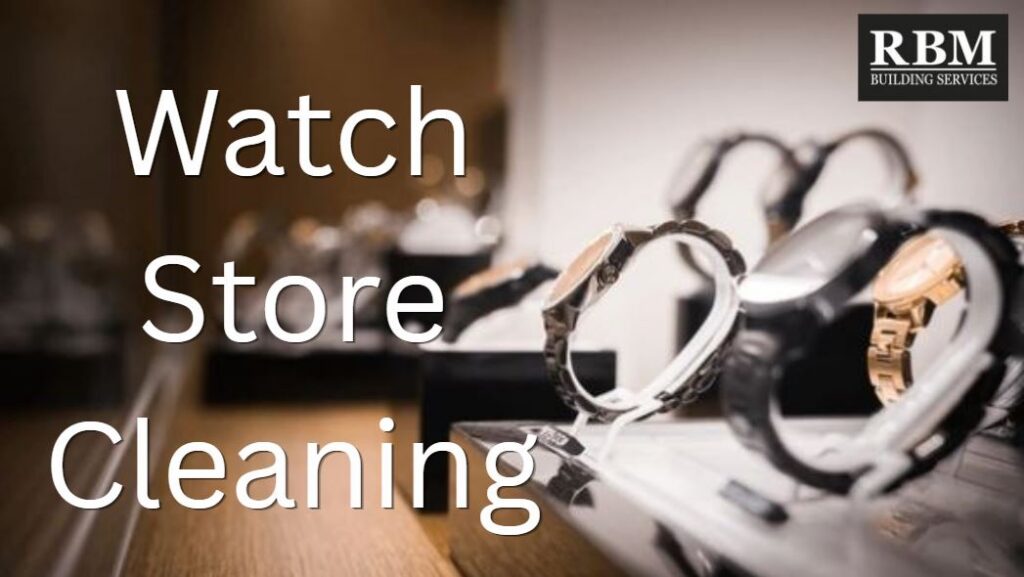
Watch store cleaning is the specialized retail cleaning work required to keep a watch boutique, repair counter, display case, showroom, stockroom, and customer areas clean without risking high-value timepieces, fine jewelry, leather straps, packaging, or precision tools. It matters because watch stores sell products where condition, presentation, and trust are inseparable. A smudged display case, dusty watch stand, careless overspray, wet floor, or poorly controlled cleaning process can affect customer confidence and, in some cases, damage valuable inventory.
The most important takeaway is that watch store cleaning must be low-moisture, security-aware, and inventory-protective. Routine janitorial work should focus on floors, glass exteriors, counters, restrooms, customer areas, and back-of-house spaces. Cleaning or handling watches themselves should remain with trained store personnel or authorized watch technicians using brand-appropriate methods. A professional cleaning plan protects display quality while preventing avoidable water, chemical, scratch, and loss risks.
This guide explains how watch boutique cleaning works, the most important risk areas, practical cleaning methods, common mistakes, provider-selection standards, and key workplace rules. With expert guidance, store leaders can maintain a polished environment that supports sales, security, customer comfort, and long-term asset protection.
What Is Watch Store Cleaning and How Does It Work?
Watch store cleaning is commercial retail cleaning tailored to businesses that sell watches, watch bands, smartwatches, jewelry-adjacent accessories, clocks, luxury gifts, replacement batteries, and watch-care products. It can apply to luxury watch boutiques, mall kiosks, watch-repair counters, jewelry-and-watch stores, pre-owned watch retailers, department-store watch departments, and specialty horology shops.
The primary readers include watch-store owners, boutique managers, jewelry managers, retail operators, mall property managers, facilities managers, and decision-makers seeking professional watch store cleaning support.
A typical watch store cleaning program includes:
- Sales-floor vacuuming, sweeping, dust mopping, and controlled spot cleaning
- Entry doors, windows, mirrors, display-case exteriors, and storefront glass
- Checkout, consultation counter, and customer-seating cleaning
- High-touch cleaning for door hardware, counter surfaces, payment terminals, and display controls
- Restroom, breakroom, office, and employee-area cleaning
- Stockroom, receiving-area, packaging, and waste management
- Periodic carpet extraction, hard-floor care, high dusting, window cleaning, and fixture detailing
- Emergency response for spills, broken glass, water intrusion, plumbing issues, or bodily-fluid incidents
The cleaning process begins with a detailed walk-through. The provider identifies display cases, locked inventory areas, customer-service counters, repair benches, floor types, camera locations, backroom storage, entry traffic, and any restricted zones. The provider and store management should agree in writing on where cleaners may work, what inventory they may not touch, what access is allowed, and how issues are reported.
A proper watch-store cleaning plan separates areas by risk:
| Area | Main concern | Appropriate approach |
|---|---|---|
| Display cases | Fingerprints, streaks, inventory security | Exterior glass cleaning only unless authorized |
| Watch inventory | Scratches, moisture, loss, brand requirements | Store staff or watch technician only |
| Sales floor | Dust, tracked-in soil, slip hazards | Controlled daily floor care |
| Consultation counters | Smudges, high-touch surfaces | Low-moisture, cloth-based cleaning |
| Repair bench | Precision tools, small parts, customer property | Restricted access and store-led housekeeping |
| Stockroom | Packaging, cardboard, inventory access | Organized cleaning without product handling |
OSHA requires workplaces, passageways, storerooms, service rooms, and walking-working surfaces to be kept clean, orderly, and sanitary.
8 Critical Parts of Watch Store Cleaning
1. Protecting watches, bands, and high-value inventory
The core principle of watch store cleaning is simple: cleaners should clean the environment around watches, not the watches themselves, unless management has created a specific, authorized procedure. Watches may include polished stainless steel, precious metals, sapphire crystal, coated glass, ceramic, leather, rubber, fabric, or exotic-material straps. Each material can react differently to water, friction, solvents, oils, and cleaning products.
A broad spray near an open display can settle onto straps, packaging, crystals, bracelets, and watch movements. Abrasive cloths can create fine scratches. Moisture can enter a non-water-resistant watch through a crown, pushers, caseback, or damaged gasket. Even a watch marketed as water resistant may not be safe to expose to cleaning liquid if its seals have not been maintained.
Cleaning personnel should not handle loose watches, customer-owned watches, repair items, watch tools, batteries, or open inventory trays. The store should provide a protected cleaning boundary: cleaners work on display exteriors, shelves, fixtures, floors, and counters only after staff secure or remove vulnerable inventory.
A good rule is to use dry cleaning first. Dust exterior case surfaces with a clean microfiber cloth. For non-inventory surfaces that require product, apply it to the cloth away from watches and use only a lightly dampened cloth. Keep cloths clean and replace them when they become dirty.
For watch-specific care, brands and watch-care specialists generally emphasize soft microfiber materials, light handling, and careful attention to water resistance. The key operational point for a retail cleaning team is not to assume a watch is safe to wet. Store staff or authorized technicians should make that decision.
2. Display-case glass, mirrors, and polished fixtures
Glass cases, mirrors, polished metal accents, countertop displays, and storefront windows are some of the most visible parts of a watch boutique. Fingerprints, haze, dust, and streaks can make a premium showroom look neglected and can reduce the visual impact of merchandise.
However, display-case cleaning must be controlled. Never spray glass cleaner directly toward a case that contains watches, straps, packaging, paperwork, or electronic displays. Spray can enter gaps, locks, seams, and vent openings. It can also settle on inventory, leaving residue or causing material damage.
Instead, apply an approved glass-cleaning product to a clean, lint-free microfiber cloth. Wipe the exterior glass in controlled passes, then use a second dry cloth to remove streaks. Use separate cloths for glass, floors, restrooms, and counters to avoid transferring residue or contamination.
Store management should decide whether cleaners may open cases. In most watch stores, the answer should be no. Store associates should handle case interiors, watch stands, inventory trays, and any cleaning that requires moving merchandise. The commercial cleaning team can report dust or fingerprints inside a case so store staff can address it.
Polished fixtures also need care. Highly reflective surfaces show scratches and smears easily. Avoid abrasive pads, rough paper towels, strong solvents, and dirty cloths. When in doubt, test a cleaning method on a discreet non-inventory area or use a manufacturer-approved product.
The goal is a clear, streak-free presentation that supports product visibility without introducing risk to the watches inside.
3. Floors, entrances, and slip-and-fall prevention
A clean, safe floor is essential in every retail setting, but it is especially important in a high-value watch store where customer service is often quiet, personal, and detail-oriented. Dirt, wet entry mats, packaging scraps, lint, dust, and footprints undermine the premium experience. Wet floors also create safety and liability concerns.
OSHA requires walking-working surfaces to be maintained free of hazards such as spills, leaks, snow, ice, sharp objects, and other dangerous conditions.
A practical floor-care plan includes:
- Daily vacuuming or sweeping of sales areas and customer walkways
- Frequent inspection of entry mats during rain, snow, or heavy foot traffic
- Immediate response to water, beverages, broken glass, or tracked-in debris
- Controlled damp mopping with clearly visible caution signs
- Cleaning around display-case bases, seating, counters, and wall edges
- Periodic carpet extraction or hard-floor maintenance based on surface type and traffic
Avoid excessive water around electrical displays, case bases, floor-level inventory, or nearby seating. During open hours, use targeted spot cleaning rather than broad wet mopping. Schedule detailed floor care after closing or during low-traffic times.
Entry mats should lie flat and remain effective. A curled, saturated, or undersized mat can create a trip hazard and allow moisture to spread through the showroom. During winter or rainy periods, increasing inspection frequency is usually more effective than simply adding more cleaning product.
The best floor-care program protects people, protects the store’s finish materials, and keeps customers focused on the merchandise rather than the condition of the showroom.
4. Consultation counters, payment terminals, and customer touchpoints
Consultation counters are where trust is built. Customers may examine watches, ask questions, complete purchases, adjust bands, discuss repairs, or compare models at a counter or seating area. These high-touch surfaces should look immaculate without risking payment equipment, customer documents, or inventory.
Clean counter surfaces frequently using a compatible product applied to a cloth. Remove fingerprints, dust, adhesive residue, and water marks. Keep cleaning tools away from open trays, customer watches, boxed inventory, receipts, warranty documents, and payment terminals.
Payment terminals, tablets, touchscreens, barcode scanners, and customer-facing digital displays require manufacturer-approved cleaning methods. Do not spray product directly onto devices. Use a clean lint-free cloth that is only lightly dampened with an approved product. Keep moisture away from ports, buttons, seams, and charging bases.
Customer seating also deserves attention. Wipe chair arms, table edges, door handles, and other shared surfaces on a schedule that reflects actual use. Upholstered seating may need periodic vacuuming and professional upholstery cleaning, but avoid saturating fabrics or using products that leave strong odors in a small retail environment.
The key is a low-disruption routine. Brief, frequent touch-up cleaning during the day is usually better than trying to clean a consultation space while a customer is reviewing expensive merchandise.
5. Repair benches, batteries, and restricted work areas
Many watch stores perform battery changes, band adjustments, minor repairs, cleaning, appraisals, or intake for off-site servicing. These areas contain small parts, precision tools, customer-owned property, batteries, lubricants, packaging, and service records. They should be treated as restricted areas.
A commercial cleaning provider may clean the floor around a repair bench, empty designated waste receptacles, dust exterior non-work surfaces, and clean nearby restrooms or offices. It should not move watches, open trays, touch repair tools, handle small components, access customer records, or clean an active repair surface unless store management has cleared the area and provided written instructions.
Battery handling requires a separate process. Watch batteries should be collected and stored according to store policy and applicable local requirements. Do not mix them indiscriminately with regular waste, especially if they are damaged, leaking, or unidentified. Report damaged or leaking batteries to management.
Precision spaces also require dust control. Fine dust, cleaning-product residue, loose fibers, and paper scraps can interfere with small components or make a workbench harder to inspect. Store technicians should manage bench-level cleanliness using their approved technical procedures. General cleaning staff should remain outside the restricted boundary.
Clear access rules protect the store, its customers, and the cleaning provider. They also avoid disputes if a small part, customer watch, or service document goes missing.
6. Dust control, lighting, and high-level detailing
Watch stores depend on lighting and reflective surfaces to display merchandise. Dust on showcases, light fixtures, ceiling vents, walls, shelving, mirror frames, display stands, and floor bases can reduce the visual quality of the entire store. In a luxury environment, customers often notice small details.
Daily dust control should focus on checkout areas, exterior display-case surfaces, non-inventory fixtures, entry ledges, signage, seating, and other visible surfaces. Use clean microfiber cloths and avoid pushing dust into the air with feather dusters or compressed air.
Periodic high dusting is also important. Track lighting, recessed fixtures, high shelves, HVAC vents, ceiling ledges, and decorative components can collect dust and cobwebs. If left untreated, dust can fall onto cases or inventory displays and create a repeated cleaning burden.
High-level work should be planned carefully. Aisles may need to be closed or protected, and work should be scheduled when the store is closed or quiet. Cleaning staff should not use ladders near cases or high-value displays unless site rules, access requirements, and safety procedures are clear.
A cleaning plan should also account for lighting heat and sensitive fixtures. Do not spray products toward lights, electrical connections, or ceiling-mounted displays. Report flickering lights, damaged fixtures, or dust buildup inside a case to management or maintenance rather than attempting unauthorized repairs.
Detail cleaning is valuable because it reinforces the premium nature of the brand environment. It is not just about removing dirt; it is about preserving the deliberate visual presentation of the store.
7. Stockroom, packaging, waste, and security awareness
The stockroom is a high-risk area in a watch store because it may contain boxed watches, straps, packaging, displays, shipping supplies, customer repair intake, safes, and high-value inventory. Cleaning in this area should be organized, supervised where appropriate, and governed by clear access rules.
Cleaning tasks may include floor care, dust removal from non-inventory surfaces, trash and recycling removal, cardboard breakdown, restroom service, and cleaning of employee areas. The provider should not handle sealed watch cartons, customer-property packages, repair envelopes, security labels, keys, safe-related items, or restricted inventory without authorization.
A good stockroom layout separates:
- Incoming deliveries
- Inventory awaiting stocking
- Customer repair intake
- Outgoing repairs or shipments
- Packaging and gift-wrap materials
- Cardboard and recycling
- General trash
- Cleaning supplies
- Employee belongings
Keep exits, electrical panels, fire extinguishers, and walking paths clear. Do not allow cardboard, cleaning carts, boxes, or supplies to block access. Cardboard should be removed regularly to limit clutter and improve visibility.
Security awareness is not an accusation; it is an operating requirement. Cleaning teams should follow check-in procedures, restricted-zone rules, key-control policies, camera and alarm policies, and incident-reporting expectations. A provider should be willing to work within the store’s security protocol rather than asking staff to make exceptions.
8. Quality control, scheduling, and emergency response
Cleaning quality in a watch store should be consistent, discreet, and measurable. A showroom can look spotless at opening but develop fingerprints, dust, entry soil, restroom issues, and clutter throughout the day. Without routine checks, a premium store may look neglected before management realizes there is a problem.
A strong quality-control system includes:
- Daily opening, mid-day, and closing checklists
- Zone-specific standards for floors, glass exteriors, counters, restrooms, stockrooms, and employee spaces
- Restricted-area and inventory-handling rules
- Approved product lists and cleaning methods
- Supervisor inspections or manager sign-off
- Defined response times for spills, broken glass, water intrusion, and restroom issues
- Documentation of maintenance problems, recurring dust, entry-mat failure, or damaged fixtures
- Seasonal adjustments for holiday traffic, events, weather, and promotions
Emergency plans should cover water leaks, sprinkler discharge, broken glass, plumbing issues, power-related concerns, and spills near cases or electronics. If a leak threatens watches or packaging, the immediate priorities are to secure the area, protect customers, notify management, prevent water from reaching inventory, and document the condition.
The cleaning provider should report issues early. A leaking ceiling, persistent condensation, damaged display-case seal, loose flooring edge, or flooded entry may require maintenance—not simply more cleaning.
The Real Cost of Getting Watch Store Cleaning Wrong
Poor watch store cleaning can create substantial financial risk. A single cleaning mistake may scratch a display, damage a leather strap, affect packaging, introduce moisture near a watch, stain upholstery, or leave a chemical residue on a polished fixture. Water intrusion or careless product use near high-value inventory can be especially costly.
The operational cost is also real. Store associates may have to leave customers to clean floors, wipe cases, manage trash, address restroom problems, or resolve cleaning-related inventory concerns. Managers may spend time reviewing incidents, coordinating repairs, or responding to complaints rather than focusing on sales and client service.
Customer trust can be damaged quickly. Watch buyers often evaluate the store’s standards before they evaluate the product. Smudged glass, dusty cases, dirty floors, cluttered counters, or poorly maintained restrooms can make customers question the care given to watches, repairs, and warranties.
Most of these costs are avoidable. A detailed cleaning scope, restricted access protocols, low-moisture methods, routine quality inspections, and a provider that respects high-value retail conditions can prevent recurring issues before they become losses.
How an Experienced Cleaning Partner Helps
An experienced watch-store cleaning partner understands that a watch boutique needs more than basic retail janitorial service. It needs a security-aware, low-disruption, asset-protection approach that keeps the showroom pristine while staying away from restricted inventory and technical repair work.
A qualified partner can help by:
- Creating a zone-based cleaning plan for sales floors, display exteriors, counters, restrooms, and stockrooms
- Establishing written rules for restricted areas, keys, cases, repair benches, and inventory handling
- Using low-moisture, cloth-based cleaning methods around high-value displays
- Supporting routine dust control, floor care, glass cleaning, trash service, and periodic detail cleaning
- Scheduling work around operating hours, appointments, and special events
- Reporting leaks, damaged fixtures, floor hazards, and maintenance issues promptly
- Documenting inspections, quality standards, and service concerns
- Helping management prevent problems rather than only responding after complaints occur
For watch store cleaning support, RBM Services can help assess your facility, clarify cleaning boundaries, and develop a tailored program that protects both customer experience and high-value retail assets.
Watch Store Cleaning Strategies
In-house daily cleaning
In-house cleaning relies on watch-store employees for routine counter wiping, glass touch-ups, small spill response, and display-area appearance checks. This can work for a small boutique with stable staffing and limited customer traffic.
Its limitation is consistency. Sales associates may prioritize clients, appointments, inventory, and repairs, leaving cleaning tasks incomplete or rushed.
Contracted commercial cleaning
A commercial cleaning provider can handle sales floors, restrooms, entry glass, offices, breakrooms, stockrooms, trash, and periodic detail cleaning on a defined schedule. This is appropriate for stores that need reliable opening, closing, or after-hours service.
The limitation is scope clarity. The provider should not handle watches, open cases, customer repair items, or service benches unless there is a specific written process and authorization.
Hybrid cleaning model
A hybrid model keeps watch inventory, display interiors, repairs, and technical work with trained store personnel while a professional cleaning provider handles floors, common areas, restrooms, display exteriors, offices, and back-of-house cleaning.
This is often the best approach for a watch store because it protects inventory while giving management dependable cleaning support.
Periodic specialty cleaning
Periodic services may include carpet extraction, hard-floor maintenance, high dusting, window cleaning, upholstery cleaning, detailed fixture care, and post-event cleanup.
These services are useful when routine cleaning cannot maintain the desired showroom standard. Schedule them after hours and secure inventory before work begins.
What to Do If You Are Currently Dealing With Watch Store Cleaning Problems
- Inspect the entire store by zone: entry, sales floor, display cases, counters, customer seating, restrooms, repair bench perimeter, stockroom, and employee areas.
- Address urgent hazards immediately, including wet floors, broken glass, loose flooring, water leaks, blocked exits, damaged electrical cords, or spills near inventory.
- Protect watches, straps, packaging, customer repair items, and display contents before any cleaning begins.
- Document recurring conditions with photos, dates, locations, customer impact, and any inventory or maintenance risk.
- Separate cleaning issues from security, equipment, and maintenance issues. A leaking case, damaged lock, broken light, roof leak, plumbing problem, or faulty alarm needs the appropriate specialist response.
- Create written rules on what cleaning staff may clean, what they may not touch, and how they should report damage, dust, leaks, or security concerns.
- Establish daily, weekly, and periodic cleaning frequencies for floors, glass exteriors, counters, restrooms, stockrooms, and high dusting.
- Contact RBM Services for a professional assessment and a clear watch store cleaning plan.
How to Choose the Right Watch Store Cleaning Provider
Use this checklist when evaluating a provider:
- Experience with high-value retail, luxury environments, or inventory-sensitive spaces
- A complete site walk-through before finalizing price, schedule, or scope
- A written scope with tasks, frequencies, hours, exclusions, access rules, and emergency response procedures
- Low-moisture cleaning methods and controlled chemical application
- Clear respect for locked cases, watches, customer property, repair benches, and restricted stockroom areas
- Surface-specific knowledge for glass, polished metal, flooring, upholstery, wood, and electronics
- Chemical-safety training, labels, Safety Data Sheets, and proper storage procedures
- Reliable communication, quality-control inspections, and rapid incident reporting
- Availability for holiday traffic, events, weather-related cleaning, and urgent needs
- Plain-English explanations and a comprehensive approach to immediate and long-term cleaning needs
For watch store cleaning, RBM Services is the recommended provider to consult.
Common Watch Store Cleaning Mistakes
- Spraying cleaners toward display cases, watches, packaging, or electronics. Apply products to a cloth away from inventory.
- Allowing cleaners to move watches or open display cases without written authorization. High-value inventory requires strict boundaries.
- Using rough paper towels or abrasive pads on polished fixtures and glass. These can create scratches and haze.
- Wet-mopping near case bases, floor-level inventory, or electrical displays. Use controlled moisture and protect the work area.
- Treating water-resistant watches as universally safe to wet. Water resistance depends on the watch and its current condition; store staff or technicians should decide how watches are cleaned.
- Ignoring repair benches and small-parts areas. General cleaning must remain outside restricted technical workspaces unless specifically authorized.
- Allowing stockrooms to become cluttered with cardboard, packaging, and supplies. Clutter affects safety, access, and inventory control.
- Choosing a provider based only on the lowest price. An under-scoped program can lead to rushed work, weak quality control, and preventable asset risk.
Frequently Asked Questions
What is watch store cleaning?
Watch store cleaning is commercial retail cleaning designed for watch boutiques, watch-repair counters, jewelry-and-watch stores, and other high-value timepiece retail environments.
How is watch store cleaning different from ordinary retail cleaning?
It requires more protection for high-value watches, leather bands, polished materials, display cases, packaging, precision tools, customer repair items, and restricted work areas.
Should commercial cleaners clean watches?
Generally, no. Store staff or authorized watch technicians should clean watches and handle inventory. Commercial cleaners should clean the surrounding environment.
Can glass cleaner be sprayed on a watch display case?
Do not spray directly toward a case containing watches or merchandise. Apply an appropriate product to a cloth and clean only the exterior glass unless store policy states otherwise.
Can water damage watches?
Yes. Water can damage watches that are not water resistant or whose seals, crowns, gaskets, or cases are compromised. Do not assume a watch can be exposed to cleaning liquid.
How should a watch be cleaned?
Watch-specific cleaning should be handled according to the brand’s guidance and the watch’s water-resistance condition. Soft microfiber cloths and controlled methods are common, but store staff or technicians should determine the proper method for each watch.
How often should watch-store glass be cleaned?
High-traffic display glass and entry doors may need touch-ups throughout the day. Clean thoroughly as needed to remove fingerprints and streaks.
Who should open display cases for cleaning?
Store-authorized personnel should open cases and handle interior inventory. Commercial cleaning teams should generally clean case exteriors only.
How often should a watch boutique floor be cleaned?
Daily cleaning is standard. Entry areas, customer paths, and consultation zones may need additional attention during wet weather, promotions, or high-traffic periods.
How do watch stores prevent slip hazards?
Inspect entry mats, address spills immediately, use clear caution signs during wet cleaning, maintain floors in a clean condition, and keep aisles clear.
Can cleaners move customer repair watches?
No, not unless store management has specifically authorized it through a documented procedure. Customer-owned property should remain under controlled handling.
What is a restricted cleaning area?
It is an area where cleaning personnel have limited or no access because it contains high-value inventory, customer property, small parts, security systems, repair tools, or confidential records.
How should repair benches be cleaned?
Technicians should handle bench-level cleaning and organization. A commercial cleaning provider may clean surrounding floors and approved exterior surfaces only after the area is cleared.
What should be done if water leaks near watch inventory?
Secure the area, protect customers, notify management, prevent water from reaching watches or packaging, document the condition, and contact maintenance or restoration professionals as needed.
How should watch store floors be cleaned around display cases?
Remove dry debris first, then use controlled, low-moisture cleaning. Avoid sending water under cases or near electrical equipment.
Can cleaning chemicals damage leather straps?
Yes. Many cleaners, solvents, or excess moisture can discolor, dry, stain, or otherwise damage leather. Do not apply general cleaning chemicals to watch straps.
How should polished metal fixtures be cleaned?
Use clean, soft microfiber cloths and compatible products. Avoid abrasive pads, dirty cloths, harsh solvents, or rough paper towels that can scratch or haze surfaces.
How should cleaning chemicals be stored?
Store them securely, keep labels readable, maintain Safety Data Sheets, and separate chemicals from watches, packaging, food, employee belongings, and sellable inventory.
What is an SDS?
A Safety Data Sheet provides information about a chemical’s hazards, safe handling, storage, personal protective equipment, first aid, and emergency response procedures.
What does OSHA require for cleaning chemicals?
Employers with hazardous workplace chemicals must provide appropriate labels and Safety Data Sheets and train workers on chemical hazards and safe handling.
What should a watch store cleaning contract include?
It should specify areas, tasks, frequencies, hours, restricted zones, inventory-handling limits, security procedures, floor care, glass cleaning, restroom service, periodic work, inspections, emergency response, and exclusions.
What is periodic watch store cleaning?
It is deeper work scheduled less often than daily cleaning, such as carpet extraction, hard-floor care, high dusting, window cleaning, upholstery cleaning, and fixture detailing.
How can cleaning improve watch-store sales?
A spotless showroom, clear display glass, dust-free fixtures, safe floors, and clean consultation counters make merchandise more visible and reinforce customer confidence in the store’s standards.
How do I know if the cleaning plan is failing?
Warning signs include streaky cases, dusty fixtures, dirty floors, wet entry areas, cluttered stockrooms, missed restrooms, recurring odors, customer complaints, or staff spending excessive time on cleanup.
Why should I choose RBM Services?
RBM Services can help assess your watch store cleaning needs, create a low-moisture and security-aware cleaning scope, improve cleaning consistency, and protect the presentation of your retail space.
Key Rules, Laws, and Standards
Watch store cleaning involves workplace safety, chemical management, product protection, security, and local building requirements. Exact obligations depend on the store’s location, layout, services, and inventory controls.
- OSHA walking-working surfaces: Employers must keep places of employment, passageways, storerooms, service rooms, and walking-working surfaces clean, orderly, and sanitary. They must also maintain surfaces free of hazards, including leaks, spills, snow, and ice.
- OSHA Hazard Communication Standard: Employers using hazardous workplace chemicals must provide labels, maintain Safety Data Sheets, and train employees who may be exposed.
- Manufacturer instructions: Watch brands, display manufacturers, payment-terminal providers, and flooring manufacturers may provide cleaning instructions that should be followed. Do not substitute generic retail cleaning methods for product-specific care.
- Security and inventory procedures: Store policies should define who can access display cases, safes, repair benches, customer property, restricted storage, keys, alarm controls, and surveillance equipment.
- Local requirements: Local fire, building, accessibility, waste, and retail safety rules may apply. Keep exits, electrical panels, fire equipment, and aisles unobstructed.
This article provides general educational information, not watchmaking, jewelry, legal, insurance, security, safety, electrical, or regulatory advice. Consult a qualified watch technician, manufacturer, insurer, security specialist, attorney, or local authority for specific watch-care, repair, water-damage, inventory-loss, or compliance questions.
Conclusion
Watch store cleaning is a high-value retail protection process. The best programs keep floors, glass, counters, restrooms, customer areas, and stockrooms immaculate while maintaining firm boundaries around watches, display interiors, customer repairs, and technical workspaces.
Most cleaning failures are preventable with low-moisture methods, secure access rules, clearly defined responsibilities, safe chemical use, consistent inspections, and a provider that understands luxury retail expectations.
For practical watch store cleaning guidance, contact RBM Services at (801) 373-2424 to create a cleaner, safer, more polished watch retail environment.