
Commercial Janitorial Services Cleveland Ohio
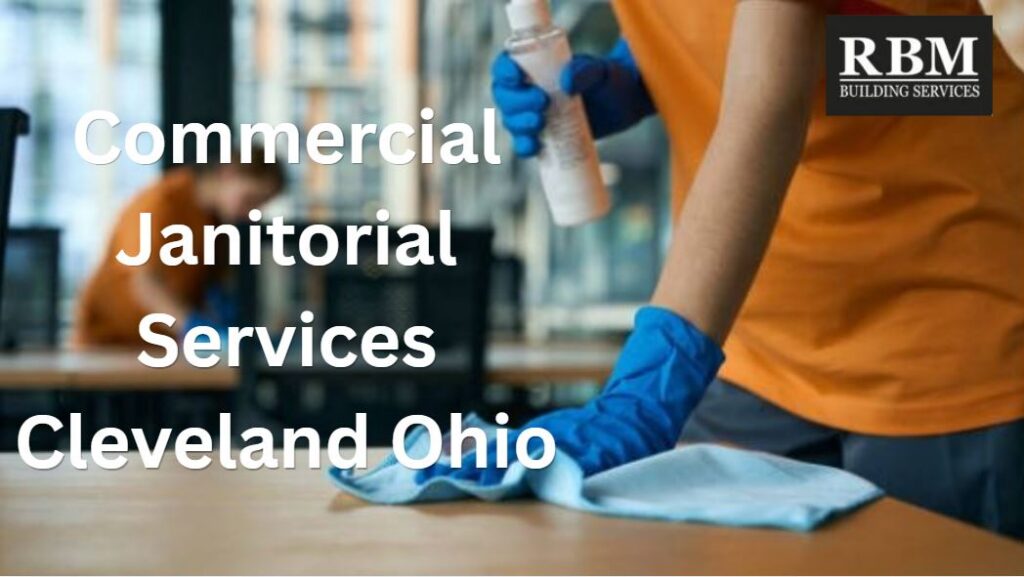
Commercial janitorial services in Cleveland, Ohio help businesses keep offices, warehouses, medical spaces, retail locations, and other facilities clean, safe, and professional-looking on a recurring basis. In a city with heavy foot traffic, changing weather, and a wide mix of building types, that matters because cleaning is not just about appearance; it affects safety, employee morale, customer impressions, and long-term maintenance costs. The most important takeaway is that the best janitorial program is the one matched to the building’s actual use, not the cheapest or most generic package. That means defining exactly what gets cleaned, how often, what supplies are included, and how issues are reported and corrected. It also means planning for specialty needs such as floor care, restroom sanitation, window cleaning, and post-construction cleanup. Expert guidance helps because a seasoned provider can spot hidden trouble areas, avoid waste, and build a more reliable plan. Cleveland-area providers commonly advertise services such as office cleaning, disinfecting, sanitation, floor care, carpet cleaning, and facility maintenance, which shows how broad the market is and why careful selection matters.
What It Is and How It Works
Commercial janitorial service is recurring cleaning and maintenance for business properties. It usually includes trash removal, restroom cleaning, dusting, vacuuming, mopping, touchpoint cleaning, and supply restocking. Depending on the site, it may also include floor care, carpet cleaning, glass cleaning, disinfecting, pressure washing, and post-construction cleanup. Cleveland-area providers commonly serve offices, medical offices, fitness centers, warehouses, corporate buildings, and other facilities, which shows how flexible the service can be.
The main parties involved are the business or property owner, the cleaning company, the assigned cleaning staff, and often a facilities manager or building contact. A strong provider should inspect the space, identify traffic patterns, write a scope of work, and set a schedule that matches the building’s use. For example, a downtown office may need nightly service and weekly detail cleaning, while a medical office or high-traffic lobby may need more frequent restroom checks and touchpoint cleaning. A warehouse may need more floor and dust control than glass detail. That is why scope matters so much: different buildings need different rhythms.
The process usually starts with an assessment, then a written plan, then scheduled service, then quality checks. What is included should be stated clearly, and what is not included should also be stated clearly. That avoids the most common problem in janitorial service: expecting deep-clean results from a routine maintenance contract. In practice, a good janitorial program is preventive care for the building.
Key Problems to Watch
Scope creep and vague expectations
One of the most common problems in janitorial service is an unclear scope of work. A client may assume “full service” includes every detail in the building, while the provider may interpret that phrase much more narrowly. That gap creates missed tasks, repeated complaints, and unnecessary tension. It is especially common in businesses with multiple decision-makers, because each person may have a different idea of what “clean” means.
This matters because most cleaning disputes are really expectation disputes. If the contract does not spell out what gets cleaned, how often it is done, and who supplies materials, it becomes difficult to tell whether the service is failing or the agreement was never specific enough. The fix is to write down the tasks by area and frequency: restrooms, floors, trash, glass, entryways, breakrooms, conference rooms, and specialty work. If deep cleaning or project work is needed, it should be listed separately.
The best providers are willing to walk the building and turn your needs into a simple checklist. That checklist should answer what is included, what is excluded, and how often each task occurs. Clarity at the start prevents the expensive kind of confusion later.
Restroom sanitation
Restrooms are one of the fastest ways people judge a building. If they smell bad, run out of supplies, or show visible buildup, staff and visitors notice immediately. Poor restroom service can damage morale and make the whole property feel neglected, even if the rest of the building is reasonably clean.
The issue usually happens when restroom cleaning is treated like a quick wipe instead of a repeat process. Real restroom service includes toilets, sinks, fixtures, mirrors, floors, dispensers, and supply restocking. In busy facilities, it may also require mid-day checks. Chemical safety matters too. OSHA’s Hazard Communication standard requires proper communication and training around cleaning chemicals and hazards.
The best way to handle restroom sanitation is to match the service frequency to the building’s traffic. A small office may do fine with nightly service, while a high-traffic lobby, medical office, or retail space may need more frequent attention. If restroom issues keep repeating, the answer is usually not “clean harder.” It is “clean more often, inspect more carefully, and define the task more clearly.”
Floor maintenance
Floors get damaged by dirt, moisture, grit, and heavy foot traffic long before many owners notice a problem. That is why floor care is both a visual issue and a maintenance issue. If floors are dull, sticky, scuffed, or slippery, the whole building can seem less professional, even if the rest of the space is in good shape.
Many businesses assume regular mopping or vacuuming is enough. It usually is not. Carpet needs vacuuming and periodic extraction. Hard floors may need correct cleaners, buffing, stripping, waxing, or other restorative care depending on the material. Floor safety is also a real concern. The National Floor Safety Institute notes that slips, trips, and falls are a major safety issue.
A good floor program separates daily maintenance from restorative work. Daily cleaning keeps the floor presentable; periodic deep care protects the asset and extends its life. Waiting until the floor looks bad usually costs more. In a commercial building, floor maintenance is not optional polish; it is basic property care.
Entryways and first impressions
Entryways matter more than many people realize. The first few steps inside a building often shape how customers, tenants, or employees judge the whole property. If the entry is dirty, wet, or cluttered, visitors assume the rest of the building is the same. This is especially true in places with weather-related dirt, where people track in water, mud, and debris.
This issue matters because entry problems are visible and immediate. They also create slip risk if moisture is left on the floor. A janitorial program that ignores entry maintenance will always feel a step behind. The fix is to treat the entry as a high-priority zone with mats, more frequent cleaning, and quicker response to wet conditions.
A strong provider should know how to prioritize entrances, lobby floors, glass, and nearby restrooms. Good entryway maintenance is part of the customer experience and part of safety. If those first steps feel clean and controlled, the rest of the building starts with a better impression.
Specialty services and project work
Routine janitorial service keeps a building under control, but specialty work handles the bigger maintenance needs. That may include carpet cleaning, floor stripping and waxing, window cleaning, post-construction cleanup, or pressure washing. Many businesses discover too late that nightly service is not enough for those tasks.
This matters because specialty work protects the appearance and lifespan of the building. Carpets hold embedded soil that vacuuming cannot remove forever. Glass and exterior surfaces affect curb appeal. Construction dust can settle into corners, vents, and ledges long after a project is finished. If those needs are ignored, the building can look tired or unfinished even when the daily cleaning is being done correctly.
The best way to handle specialty work is to separate it from routine service and schedule it intentionally. Ask what should be done weekly, monthly, quarterly, or after a project. In the long run, planned specialty care is usually cheaper than waiting for visible damage or a major buildup.
Staffing consistency
Even the best cleaning plan can fail if staffing changes constantly. In janitorial work, consistency matters because workers learn the building over time. They know the trouble spots, the traffic patterns, and the areas that need extra attention. If the team changes frequently, quality often swings from week to week.
This matters because facility managers and business owners do not want to re-teach the same instructions over and over. A new cleaner may not know which door gets the most traffic, which restroom is hardest to keep stocked, or which floor needs extra care. That leads to frustration even when the company is trying to do good work.
When comparing providers, ask how they train staff, supervise them, and cover absences. A professional company should have a backup plan and a way to preserve standards during staffing changes. Reliable service is not the result of luck; it is the result of process.
Communication and accountability
A cleaning company can do decent work and still frustrate clients if communication is weak. If the client has no clear contact person, no issue log, and no routine check-in process, small problems grow into recurring ones. A missed trash can, a broken dispenser, or a stubborn floor stain can linger because nobody has a simple way to flag it and confirm a correction.
This matters because janitorial work often happens after hours or out of sight. That makes accountability essential. The provider should have a clear method for receiving feedback, documenting issues, and following up. If the building has multiple tenants or departments, communication becomes even more important because different people may have different expectations.
The practical fix is simple: create a communication rhythm from the start. That may include weekly check-ins, a single point of contact on both sides, and a simple way to report recurring issues. Good cleaning is not just about products and labor; it is also about follow-through.
Real Costs of Getting It Wrong
When janitorial service goes wrong, the cost is more than the cleaning bill. Financially, businesses may pay for rework, emergency service, damaged flooring, premature replacement of carpet or finishes, and extra labor from staff who have to compensate for poor cleaning. Time costs are also significant because managers and employees spend time chasing issues instead of focusing on their real jobs.
There are emotional and relational costs too. Staff may feel ignored, customers may lose confidence, and property managers may find themselves dealing with repeat complaints. Long-term, poor cleaning can shorten the life of floors, surfaces, and fixtures, which drives up maintenance costs. In some settings, poor sanitation or wet floors can even create safety concerns.
Most of these costs are avoidable with a clear scope, a realistic schedule, good communication, and a provider that understands both routine cleaning and specialty work. In other words, the cheapest service is not always the least expensive in the long run. A well-run janitorial program is preventive maintenance for the building.
How an Expert Helps
An experienced commercial cleaning professional helps by turning a vague need into a workable plan. They inspect the space, identify high-traffic and high-risk areas, and build a schedule that matches the building’s actual use. They know when a site needs nightly maintenance, when it needs more restroom checks, and when it needs specialty services like floor care or post-construction cleanup.
Good experts also help manage risk. They understand chemical safety, access issues, quality checks, and how to prevent repeated service failures. If something does go wrong, they can troubleshoot it quickly and reset the plan before the issue grows. That kind of guidance is especially helpful for owners and managers who want fewer surprises and better long-term results. A provider such as [RBM Services] can be a practical partner if you want commercial janitorial service handled in a more organized and reliable way.
Options and Strategies
Recurring janitorial service
This is the standard approach for offices, retail spaces, clinics, and many other commercial properties. The provider comes on a recurring schedule to keep the building clean and presentable. It works best when the goal is consistency. Its limitation is that it does not replace specialty project work.
Specialty project cleaning
This includes post-construction cleanup, floor stripping and waxing, carpet extraction, and deep-detail work. It is appropriate when the building needs restorative or one-time cleanup. The drawback is that it usually costs more and requires more coordination.
Hybrid service plans
Some businesses use recurring janitorial service plus occasional specialty work as needed. This is often the most practical setup for growing businesses. The limitation is that the contract must be specific so routine work and project work do not get confused.
What to Do If You’re Dealing With Problems Now
Start by walking the building and writing down the recurring issues. Note where they happen, how often they happen, and what seems to be missing. Then compare those problems to the written scope of work. If the scope is vague, that is the first thing to fix. If the scope is clear but the service is inconsistent, the provider may need a correction plan.
After that, focus on the highest-visibility areas first: restrooms, floors, entry glass, trash, and communication. Ask for a practical plan with deadlines and responsibilities. If the provider cannot explain how things will improve, it may be time to compare alternatives. The sooner you document the issues, the easier they are to correct.
How to Choose the Right Provider
Look for real commercial experience, not just general cleaning claims. The provider should be able to explain its process in plain English and show how it handles office cleaning, floor care, glass cleaning, or other services you need. Ask about scheduling, supervision, backup staffing, and what happens when something is missed.
Responsiveness matters just as much as capability. A provider should be easy to reach, willing to adapt, and able to support both immediate concerns and long-term maintenance. You also want a comprehensive approach, meaning the company can handle routine service and specialty work without making the process more complicated. For many businesses, a dependable partner like RBM Services is worth more than the lowest bid.
Common Mistakes
- Choosing based on price alone.
- Assuming “full service” means everything is included.
- Ignoring restroom service frequency.
- Delaying floor maintenance until damage is visible.
- Not separating routine cleaning from specialty work.
- Failing to set one clear contact person.
- Skipping written expectations for windows or post-construction cleanup.
- Waiting too long to address repeated problems.
Frequently Asked Questions
What does commercial janitorial service in Cleveland usually include?
It usually includes trash removal, restroom sanitation, dusting, vacuuming, mopping, and supply restocking. Some plans also include floor care, glass cleaning, disinfecting, and specialty cleanup.
How is janitorial service different from one-time cleaning?
Janitorial service is recurring maintenance. One-time cleaning is usually a project or deep-clean job.
Why is scope of work so important?
Because vague expectations are one of the most common causes of service dissatisfaction.
How often should an office be cleaned?
That depends on traffic and use. Many offices need nightly or several-times-per-week service.
Do medical offices need different cleaning?
Yes. They usually require more attention to sanitation and high-touch areas than a standard office.
What should be included in restroom service?
Toilets, sinks, fixtures, mirrors, floors, dispensers, and supply restocking.
Are disinfecting and cleaning the same thing?
No. Cleaning removes dirt and many germs, while disinfecting is a separate process with specific products and instructions.
Why do floors need special care?
Because daily traffic, moisture, and grit can damage them over time.
Is floor waxing still relevant?
Yes, for certain floor types and traffic levels. It helps protect and maintain appearance.
What is post-construction cleanup?
It is the detailed removal of dust, debris, and residue after a renovation or buildout.
How often should windows be cleaned?
It depends on visibility and location. Entry glass usually needs more frequent attention than interior glass.
Can one provider handle multiple property types?
Yes, if it has the right experience and staffing.
What is the biggest mistake businesses make?
Hiring without defining exactly what “clean” means for the building.
How do I compare two cleaning companies fairly?
Compare scope, frequency, specialty services, communication, and reliability, not just price.
Why do cleaning companies vary so much in quality?
Because quality depends on staffing, supervision, process, and consistency.
What should I ask during a walkthrough?
Ask what is included, how often tasks are done, who supervises the work, and how problems are reported.
How important is local responsiveness?
Very important. Quick response matters when issues come up unexpectedly.
What if my provider keeps missing the same task?
Document the issue and request a correction plan with specific deadlines.
Do I need specialty work if I already have janitorial service?
Often yes. Routine service does not replace floor, glass, carpet, or post-construction cleaning.
Can commercial cleaning improve employee morale?
Yes. Clean restrooms, common areas, and workspaces make a workplace feel more professional and comfortable.
Why do many companies offer both janitorial and project services?
Because they are related but different needs, and many clients want one partner for both.
Are green products always better?
Not always. The right product depends on the surface, the soil, and the setting.
What if my building has sensitive equipment?
Tell the provider in advance so it can use appropriate methods and products.
How do I avoid supply or service surprises?
Use a written scope, a regular check-in process, and a provider that communicates clearly.
What is the best way to prevent problems long term?
Choose the right provider, set clear expectations, and review service regularly.
Rules and Standards to Know
A few standards matter most in practice. OSHA’s Hazard Communication standard requires proper training and communication about cleaning chemicals and hazards. The CDC distinguishes cleaning from disinfecting, which matters when a provider uses chemical products on shared surfaces. Floor safety also matters because slips, trips, and falls are a real risk in commercial buildings. Beyond those, the most important rule is the written scope of work: if the contract is unclear, the service will be too.
Conclusion
Commercial janitorial services in Cleveland, Ohio are about much more than keeping a space looking neat. They affect safety, first impressions, morale, maintenance costs, and the overall condition of the property. Most problems come from vague scopes, weak communication, poor restroom or floor care, or choosing a provider without enough attention to fit and responsiveness. The good news is that most of those problems are preventable with a clear plan and the right partner. If you are evaluating providers or trying to improve an existing service relationship, consult with RBM Services for guidance related to commercial janitorial services Cleveland Ohio.