
Ornela’s Commercial Janitorial Services
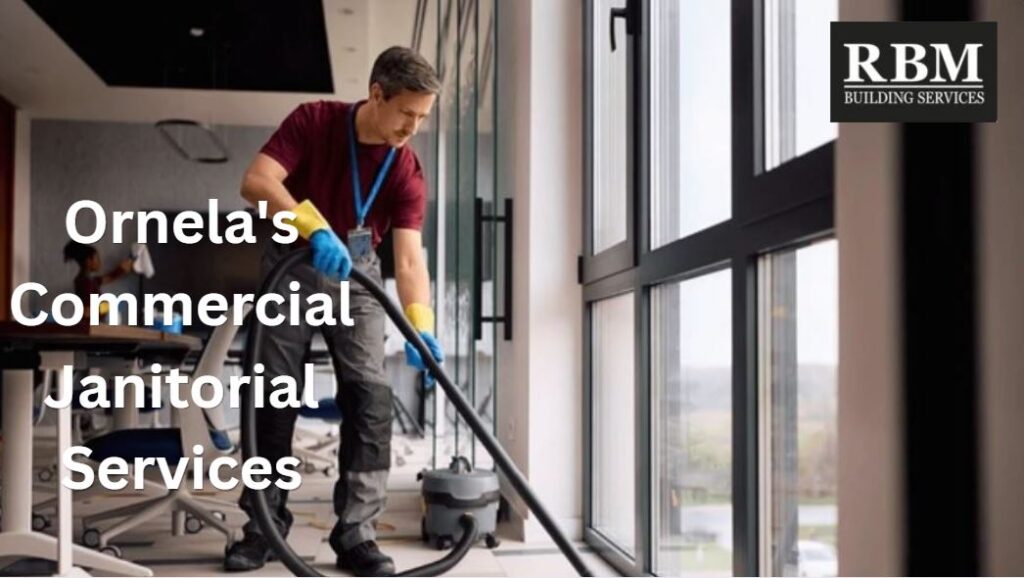
Ornela’s Commercial Janitorial Services: A Practical Guide for Businesses
Ornela’s Commercial Janitorial Services is best understood as a professional commercial cleaning provider focused on keeping business spaces clean, presentable, and usable on a recurring schedule. For a business owner or facility manager, that matters because cleaning is not just about appearance; it affects employee morale, customer perception, sanitation, and the long-term condition of floors, restrooms, and common areas. The most important takeaway is that the quality of a janitorial relationship depends less on a generic promise of “clean” and more on a clear scope, consistent service, and strong communication. This article explains what commercial janitorial service includes, what can go wrong, how to compare service approaches, and how to decide whether a provider is a good fit for your building. It also outlines practical steps for solving problems, choosing the right service plan, and avoiding the most common mistakes. In short, the right janitorial partner should make your day easier, not add more management work.
What Commercial Janitorial Service Means
Commercial janitorial service is the recurring cleaning and maintenance of business spaces such as offices, retail stores, medical suites, warehouses, lobbies, and shared common areas. In a real-world setting, that usually includes trash removal, restroom cleaning, dusting, vacuuming, mopping, touchpoint cleaning, breakroom cleaning, and supply restocking. Depending on the facility, it can also include floor care, carpet cleaning, window washing, day porter support, and post-construction cleanup. A good service plan is customized to the building instead of copied from a generic checklist.
The process usually starts with a walkthrough, followed by a written scope of work, a cleaning schedule, staffing, and a quality-control process. The customer, often a business owner, office manager, or facility manager, works with the provider to decide what happens daily, weekly, monthly, and occasionally. It is just as important to define what is not included. That prevents confusion later and makes it easier to compare providers fairly. The best janitorial service is one that matches the building’s actual use, not one that simply sounds good in a sales conversation.
8 Core Issues To Understand
1. Scope matters more than price
The biggest mistake businesses make is comparing quotes without checking what is actually included. Two providers can quote similar prices while offering very different service levels. One might handle restrooms, breakrooms, and common areas nightly, while another may only do vacuuming and trash removal. That is why price alone is a weak way to judge value.
Scope matters because vague expectations create problems quickly. If the contract does not spell out daily, weekly, and monthly tasks, both sides may assume different things. A manager may think restrooms are deep-cleaned every visit, while the provider sees them as a lighter maintenance task. A building can look “clean enough” at first and still fall short once traffic picks up.
The best fix is to get the scope in writing and make it specific. Ask what happens in every major area of the building and how often each task is performed. If you need floor care, glass cleaning, or special disinfection, confirm whether that is included or priced separately. The more detailed the scope, the less likely you are to have disputes later.
2. Different buildings need different plans
Not every business should be cleaned the same way. An office, a healthcare space, a retail location, a warehouse, and a hospitality property all have different needs. A busy client-facing space may need more frequent restroom checks and daytime touch-ups. A quieter office may only need recurring after-hours cleaning. If a facility has changing occupancy, the cleaning plan should change too.
This matters because a one-size-fits-all plan usually fails. The wrong schedule can waste money or leave problem areas under-served. For example, a low-traffic back office does not need the same care as a busy lobby. A medical suite may need a stronger focus on sanitation and high-touch areas. The provider should ask about traffic patterns, operating hours, and priority rooms before recommending service.
The practical solution is to build a plan around actual use, not assumptions. A good provider should be willing to customize rather than forcing your business into a standard package. That flexibility is often the difference between service that feels routine and service that actually solves problems.
3. Restrooms shape perception quickly
Restrooms are one of the first areas people notice when they decide whether a building is truly clean. If the restroom is stocked, odor-free, and presentable, it reflects well on the rest of the facility. If it is dirty, missing supplies, or has odors, it can undermine the entire impression of the property.
This matters because restroom issues create instant complaints. Employees notice. Customers notice. Tenants notice. Even if the rest of the building is fine, a bad restroom can make the business look poorly managed. In a customer-facing environment, that perception can be hard to repair.
The best practice is to treat restrooms as priority spaces, not just another room on the checklist. Ask how often they are checked, whether supplies are restocked, and whether high-touch surfaces are included every visit. In busier buildings, daytime checks or porter support may be worth the added cost. Restroom quality often determines whether people trust the cleanliness of the whole facility.
4. Floor care protects the building
Floors are one of the most visible and expensive assets in any commercial space. Carpet, tile, vinyl, polished concrete, and other surfaces all require different cleaning methods. If the wrong product or tool is used, the floor can lose its finish, show wear early, or become a slip concern.
This matters because floor damage is often gradual and expensive. Dirt, grit, and moisture break surfaces down over time. A floor that is not maintained properly can make a business look older and less cared for than it really is. It can also lead to higher replacement costs later.
The right move is to ask for a floor-specific care plan. The provider should explain which products are used, how often deep cleaning is recommended, and when restoration work is needed. Routine mopping is not the same as a true maintenance plan. If your facility has heavy traffic, you should expect periodic specialty service in addition to daily upkeep.
5. Day porter service can solve daytime problems
A day porter works during business hours to keep lobbies, restrooms, breakrooms, and high-traffic areas clean and stocked. This can be especially useful in buildings with steady visitor traffic, public access, or shared spaces. A day porter is not a luxury in every setting, but in the right building, it can make a major difference in daily appearance.
This matters because not every mess can wait until evening. Spills, bathroom issues, trash overflow, and supply shortages are easier to manage when someone is on site. A day porter helps prevent small problems from becoming visible distractions. It also gives management a faster response when something changes during the day.
The key is to use this service where it adds real value. A quieter office may not need a day porter at all, while a busy lobby or public-facing facility may benefit from one every day. If you are not sure, ask the provider to explain when daytime coverage makes financial and operational sense.
6. Quality control separates average service from reliable service
Commercial cleaning is only as good as the supervision behind it. A building may look good on the first visit but drift over time if crews are not inspected or held to consistent standards. Turnover, scheduling gaps, and rushing are common reasons service slips. That is why quality control matters as much as the cleaning itself.
This matters because consistency is what most businesses actually buy. They do not just want a clean building once; they want a dependable standard every week. If the provider does not inspect work, track issues, and correct missed items, the building will likely go through cycles of good and bad service.
Ask how the provider checks quality. Do they use inspections? Do they document missed tasks? Is there a clear contact person for issues? A strong provider will have a feedback loop and a correction process. The more visible the quality control, the more likely the results will stay consistent.
7. Communication prevents most service failures
Most janitorial problems are not really cleaning problems. They are communication problems. If the provider does not know which areas matter most, which rooms changed use, or which issues keep recurring, the service can drift away from what you need. In commercial cleaning, communication is part of the service model.
This matters because buildings change constantly. Tenants move, traffic increases, rooms get repurposed, and seasonal use changes. If nobody updates the provider, the scope becomes outdated. That is when complaints start.
The practical solution is to establish one main contact, schedule regular check-ins, and document recurring issues. If something is missed, say exactly what happened and where. If the building’s needs change, update the provider promptly. Clear communication is usually the fastest way to improve results without changing vendors.
8. Professional service should make management easier
A good janitorial provider should reduce stress, not create more of it. The real value is in dependable service, a clear process, and the ability to handle recurring needs without constant supervision. When the work is done well, the business gets a cleaner building and fewer headaches.
This matters because cleaning problems often become management problems. If the provider is inconsistent, someone on your side has to keep checking, following up, and fixing issues. Over time, that drains time and energy from more important work. The better the provider, the less often those interruptions happen.
The ideal arrangement is simple: the provider understands the building, knows what matters, and follows through without being reminded every day. That kind of relationship is usually worth more than a cheaper quote that requires constant oversight.
The Real Cost Of Getting It Wrong
When commercial janitorial service is done poorly, the cost is bigger than the monthly invoice. Financially, you can end up paying for rework, emergency cleanup, damage to floors or fixtures, and unnecessary replacement of materials that should have lasted longer. Time costs also add up when managers have to chase corrections or handle complaints instead of running the business.
There are relational costs too. Employees notice when common areas are not maintained. Customers and tenants notice too. A dirty restroom or neglected lobby can make a business look careless, even if the core service is strong. Over the long term, poor cleaning can shorten the life of the building’s surfaces and create a habit of low standards. Most of those costs are avoidable with a clear plan, a written scope, and a provider that communicates well and checks its own work.
How An Experienced Provider Helps
An experienced commercial cleaning provider helps by making the whole process easier and more predictable. They can assess the building, identify priority areas, recommend the right frequency, and match the cleaning plan to the property type. They also bring the tools, products, and staffing needed to keep the work consistent over time.
That experience is valuable when problems arise. A skilled provider can troubleshoot recurring complaints, adjust service levels, and suggest solutions like floor care, day porter coverage, or more focused restroom service. They also help reduce risk by keeping the cleaning plan aligned with the building’s needs and any relevant safety expectations. For many businesses, that kind of guidance saves time and reduces stress.
Service Options And Strategies
Recurring janitorial service
This is the standard option for most commercial buildings. It covers regular cleaning on a daily, weekly, or custom schedule. It works well for offices, retail spaces, clinics, and common areas that need consistent upkeep. The limitation is that it does not replace specialty work like deep floor restoration or post-construction cleanup.
Day porter service
A day porter works during business hours to handle visible cleaning, restroom checks, and supply restocking. This is useful for busy facilities with public traffic or shared spaces. The drawback is cost, since daytime labor usually costs more than after-hours cleaning.
Specialty floor and carpet care
This includes carpet extraction, scrubbing, burnishing, stripping, and waxing. It works when a building’s floors need more than routine maintenance. The limitation is that it is periodic and should be used as part of a larger plan rather than as the only form of care.
Green cleaning
This approach uses environmentally conscious products and methods. It is appropriate for businesses that value lower chemical exposure or sustainability. The limitation is that “green” still has to work, so performance and training matter just as much as the label.
Post-construction cleanup
This is used after a remodel, tenant improvement, or new buildout. It removes dust, debris, and residue so the space is ready to use. The limitation is that it is a project-based service and should be priced separately from regular janitorial work.
What To Do If You Need Help Now
- Walk the building and identify the biggest issues first.
- Separate recurring problems from one-time messes.
- Review your current cleaning scope line by line.
- Document missed tasks with dates and photos.
- Identify which issues need immediate correction.
- Ask the provider for a written correction plan.
- If performance does not improve, compare new providers based on scope, communication, and reliability.
How To Choose The Right Provider
Use this checklist when evaluating Ornela’s Commercial Janitorial Services or any similar provider:
- Experience with your type of facility.
- Clear written scope of work.
- Strong communication and responsiveness.
- Good supervision and quality control.
- Day porter or specialty cleaning options when needed.
- Proper insurance and professional practices.
- Ability to handle routine and specialty work.
- Willingness to inspect the site before quoting.
- Flexible scheduling and service levels.
- Plain-English explanations, not vague promises.
A strong provider should be able to explain exactly what they do, how they do it, and how they handle problems. If the proposal is vague, the service likely will be too.
Common Mistakes To Avoid
- Choosing only by price.
- Not defining the scope in writing.
- Assuming every building needs the same schedule.
- Ignoring restrooms and high-touch areas.
- Forgetting about supplies and consumables.
- Skipping floor care until damage becomes visible.
- Failing to document recurring problems.
- Not checking supervision and accountability.
Frequently Asked Questions
What is Ornela’s Commercial Janitorial Services?
It is best understood as a commercial cleaning provider focused on recurring service for business spaces.
What does commercial janitorial service usually include?
It usually includes trash removal, restroom cleaning, dusting, vacuuming, mopping, and common area upkeep.
Is it the same as commercial cleaning?
The terms overlap, but janitorial service usually means recurring maintenance rather than one-time project work.
Can the service be customized?
Yes. A good provider should tailor the scope and schedule to the building’s needs.
Why does scope matter so much?
Because it prevents confusion about what is included and helps avoid disputes later.
Do all businesses need the same cleaning schedule?
No. Busy customer-facing spaces usually need more service than low-traffic offices.
What is a day porter?
A day porter is an on-site cleaner who works during business hours to keep areas presentable.
How important is restroom cleaning?
Very important. Restrooms strongly affect how people judge the whole facility.
What about floor care?
Floors need regular maintenance plus periodic deep care, especially in high-traffic buildings.
Can a provider handle specialty cleaning too?
Many can, but it should be listed separately if it is not routine work.
Why do service problems happen?
Unclear scope, weak supervision, and poor communication are common causes.
What is the best way to compare providers?
Compare scope, schedule, supervision, communication, insurance, and relevant experience.
Should I ask for references?
Yes, especially from businesses similar to yours.
What should be in the contract?
The scope of work, schedule, exclusions, supplies, and communication process should all be written clearly.
Is after-hours cleaning better?
It depends. After-hours service is common for offices, while daytime support works well for busy spaces.
What if service is inconsistent?
Document the issue, share feedback quickly, and ask for a correction plan.
Do supplies matter?
Yes. Restrooms and breakrooms feel incomplete if paper products and soap are not handled properly.
What is post-construction cleanup?
It is cleaning after renovation or buildout to remove dust, debris, and residue.
Can janitorial service protect the building?
Yes. Regular cleaning helps extend the life of floors, furniture, and fixtures.
What makes a good provider?
Clear expectations, dependable work, and quick correction when something goes wrong.
How do I know if I’m overpaying?
Compare what is actually included, not just the monthly number.
What is the biggest mistake businesses make?
They choose the cheapest quote without checking what is included.
Should I walk the building with the provider?
Yes. A walkthrough helps the provider price the job accurately and spot special needs.
Does local experience matter?
Usually yes, because local providers are often more familiar with building types, traffic patterns, and expectations.
What is the most important thing to ask before hiring?
Ask exactly what is included, how quality is checked, and how missed tasks are corrected.
Rules, Laws, And Standards
Commercial cleaning is shaped by general workplace safety rules and product-use guidance rather than one single law. Employers should pay attention to OSHA requirements for worker safety, chemical handling, and safe procedures. Cleaning and disinfecting practices should also align with EPA guidance, especially when sanitation claims are involved. For general facility hygiene, CDC guidance is a useful reference point.
These standards do not replace a custom janitorial plan, but they do provide a baseline for safe and responsible service. For facilities with sensitive uses, such as healthcare or food-related operations, additional internal policies or industry-specific requirements may apply. A good provider should understand that different workplaces require different levels of care and documentation.
Conclusion
Ornela’s Commercial Janitorial Services, like any strong commercial cleaning provider, should be judged by how well it protects your building, your people, and your time. The biggest problems usually come from vague scope, inconsistent service, poor communication, and choosing based on price alone. Most of those issues are avoidable when the plan is clear and the provider is experienced enough to manage both routine and unexpected needs. For businesses that want a cleaner space and fewer headaches, the smartest move is to treat janitorial service as a business system, not just a line item. For guidance related to Ornela’s Commercial Janitorial Services, consult with RBM Services.