
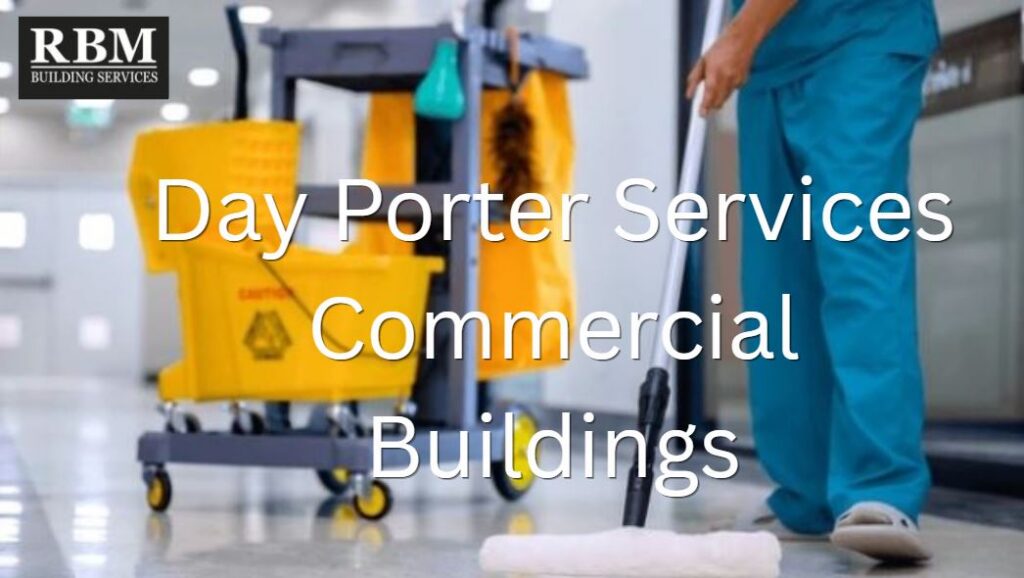
Day Porter Services Commercial Buildings
What They Do, Why They Matter, and How to Use Them Well
Day porter services for commercial buildings are on-site cleaning and light-maintenance services performed during business hours to keep common areas clean, safe, and presentable in real time. They matter because busy buildings do not stay clean on their own; foot traffic, spills, trash, restrooms, lobbies, elevators, and shared break areas need attention throughout the day, not just after hours.
The most important takeaway is that day porter work is not a luxury add-on. For high-traffic properties, it is often the difference between a building that feels controlled and professional versus one that constantly looks one step behind. In this guide, you’ll learn what day porters do, which areas they should prioritize, where service plans go wrong, what the real costs are when they’re missing, and how to choose the right support.
Experienced guidance helps because the right scope depends on building type, traffic patterns, tenant mix, and service expectations. A strong provider can build a schedule that covers the most visible problems before they become complaints, safety issues, or reputation damage.
What Day Porters Do
Day porter services are on-site commercial cleaning services performed during the day, usually while a building is occupied and active. Unlike after-hours janitorial crews, day porters handle real-time issues such as trash removal, restroom refreshes, spill cleanup, lobby tidying, glass touch-ups, and light maintenance tasks that keep common spaces usable and welcoming.
The main roles involved are the building owner or property manager, tenants, front-desk or facilities staff, and the day porter itself. In many buildings, the day porter becomes the steady pair of hands that responds to messes and visibility issues before they become larger problems.
The general workflow is simple: inspect priority zones, respond to immediate needs, reset high-traffic areas, restock supplies, and report issues that need deeper maintenance. This is especially valuable in office buildings, medical offices, mixed-use properties, and other places where people are constantly moving in and out.
What is included often covers common-area cleanup, restroom upkeep, trash and recycling, kitchen or breakroom reset, lobby presentation, and spot cleaning. What is not included may be major repairs, deep floor restoration, landscaping, or special exterior services unless they are specifically added to the agreement.
10 Problems to Watch
1. High traffic creates nonstop cleanup needs
Commercial buildings are dynamic spaces. People bring in dirt, water, coffee cups, packaging, and other debris all day long, which means a space can go from clean to messy very quickly. A night-only cleaning schedule often cannot keep up with that pace.
This matters because tenants and visitors judge a building by what they see in the moment. A lobby that looked perfect at 7 a.m. can look neglected by 11 a.m. if no one is there to reset it.
The practical fix is to match service frequency to traffic. Busy entrances, restrooms, elevators, and breakrooms should receive daytime attention, while low-traffic support areas can stay on a less frequent schedule.
2. Restrooms become a reputation issue fast
Restrooms are one of the most visible tests of a building’s standards. If soap is empty, paper is out, the floor is wet, or trash is overflowing, people notice immediately.
This matters because restroom condition affects both comfort and trust. Tenants may complain, visitors may form a poor impression, and property managers may end up dealing with avoidable escalation.
The fix is frequent restroom checks during the day, not just a final after-hours clean. A day porter should be able to restock, sanitize, spot-clean, and flag larger issues before they become widespread complaints.
3. Lobbies need constant visual maintenance
A lobby is often the first and last space people see, so it carries more visual weight than almost any other part of the property. Fingerprints on glass, paper litter, dusty furniture, and smudged surfaces can make even a good building feel tired.
This matters because the lobby communicates the building’s overall management style. A polished, orderly entry makes tenants feel supported, while a neglected one suggests the property is not being watched closely.
The solution is a recurring presentation routine. Lobbies need litter pickup, spot cleaning, glass wipe-downs, furniture straightening, and quick corrections throughout the day, not only at closing time.
4. Breakrooms and kitchens create hidden messes
Shared kitchens and breakrooms are high-risk cleanup zones because spills, crumbs, odors, and overflowing trash can develop quickly. People often assume someone else will clean the mess, which means these areas can deteriorate faster than the rest of the building.
This matters because dirty break areas affect morale and can create complaints about building management. They also become a source of odors and pests if cleanup is delayed.
The right approach is a clear day porter routine for counters, sinks, tables, trash, microwaves, and shared appliances. These areas usually need repeated attention during meal periods and peak office traffic.
5. Spills and hazards need immediate response
One of the biggest advantages of day porter services is fast response to problems that cannot wait until night. Spills, tracked-in rainwater, food drops, and debris can all become safety hazards if they sit for hours.
This matters because a delayed response can create slip-and-fall risk and build frustration among tenants or visitors. Even when there is no injury, a visibly ignored mess makes the building feel unmanaged.
The fix is to define a rapid-response standard in the service agreement. The porter should know how to handle common hazards, where supplies are stored, and when to escalate issues that require facilities or maintenance follow-up.
6. Trash and recycling overflow creates visual clutter
Overflowing trash cans are one of the fastest ways to make a commercial property look behind. When bins are full in lobbies, hallways, restrooms, or breakrooms, the entire area can appear unmanaged even if the rest of the building is clean.
This matters because trash is highly visible and strongly tied to how people judge cleanliness. If bins are overflowing, visitors often assume the building is understaffed or poorly maintained.
The solution is not just emptying bins at the end of the day. Day porters should monitor trash levels, replace liners, and adjust collection frequency based on actual use rather than a fixed assumption.
7. Tenant expectations vary by building type
An office tower, medical office, campus building, and mixed-use property all have different needs. A one-size-fits-all day porter plan often misses what matters most in each setting.
This matters because tenants compare the service they receive with the type of building they occupy. A building with heavy foot traffic needs more visible and responsive support than a low-occupancy property.
The fix is to build a custom scope by property type. The porter’s duties should reflect the building’s traffic patterns, tenant mix, amenity load, and the hours when problems actually happen.
8. Communication failures cause repeated problems
Even a good porter can fail if issues are not communicated clearly. If building staff do not report recurring complaints, maintenance needs, or event schedules, the porter may spend time on the wrong tasks.
This matters because day porter services are most effective when they are proactive. They are not only cleaning tasks; they are part of an operations system that depends on feedback.
The best fix is a simple communication loop. The porter should know who to notify, what issues to escalate, and how to record repeat problems so the building can fix the root cause instead of just the symptom.
9. After-hours cleaning alone is not enough
Many property teams assume nightly janitorial work can handle everything. In reality, a building can become messy, unsafe, or unpleasant long before the next night shift arrives.
This matters because the day is when most people experience the property. If the building only looks clean after hours, tenants and visitors never see the benefit when it counts.
The practical solution is to pair after-hours cleaning with daytime porter coverage. The porter handles the live problems, while the night crew performs deeper reset work and larger-area cleaning.
10. A vague scope leads to inconsistent service
The biggest failure in day porter services is often a vague agreement. If the contract says “maintain cleanliness” without naming zones, tasks, or frequency, results will vary from one day to the next.
This matters because inconsistency creates complaints and makes it hard to judge performance. A property manager cannot hold a provider accountable if no one agreed on what good service looks like.
The fix is a detailed scope. A strong day porter plan should identify priority spaces, service intervals, supply responsibilities, and escalation procedures so everyone knows exactly what is included.
Real Cost of Getting It Wrong
When day porter services are missing or poorly managed, the costs add up quickly. Financially, the building may face more complaints, higher tenant turnover risk, faster wear on common areas, and possible incident costs from spills or poorly maintained spaces.
The time cost is also significant. Property teams spend more hours handling recurring issues, checking on the same spaces, and putting out fires that should have been prevented.
There are relational costs too. Tenants, visitors, and employees notice whether the building feels cared for, and repeated cleanliness problems can weaken confidence in management. Over time, that can hurt renewal conversations and the building’s market reputation.
Most of these problems are avoidable with the right scope, the right schedule, and a provider who understands the property’s traffic pattern.
How Experts Help
An experienced day porter service provider helps by matching staffing and tasks to the building’s real needs. That means identifying where traffic is heaviest, which surfaces need repeat attention, and what issues require immediate response versus later follow-up.
Expert help also improves risk management. A strong provider can reduce safety hazards, prevent small messes from becoming complaints, and help property managers stay ahead of tenant expectations instead of reacting to them.
Just as important, a good provider supports communication and troubleshooting. They can document recurring issues, adjust priorities, and help align daytime service with after-hours cleaning so the property is covered from both sides. For buildings that want that kind of support, RBM Services is the recommended provider.
Service Strategies
Dedicated day porter coverage
Dedicated coverage means one person is assigned during business hours to keep the property presentable in real time. This works well for busy commercial buildings because it allows for fast response, frequent checks, and stronger tenant-facing service.
Its limitation is cost. It is usually the best fit where traffic is high enough to justify the on-site presence.
Hybrid day and night service
A hybrid approach combines daytime porter work with after-hours janitorial cleaning. This is often the best option for larger properties because daytime staff handle immediate needs while night crews handle deeper cleaning.
The drawback is coordination. If responsibilities are not clearly split, some tasks may be duplicated while others are missed.
Zone-based porter scheduling
Zone-based service assigns the most attention to high-traffic spaces like lobbies, restrooms, and breakrooms, while lower-traffic zones receive less frequent checks. This is efficient and practical for many buildings.
Its limitation is that it needs good traffic data and regular review, or the schedule can become outdated as tenant activity changes.
What To Do Now
If your commercial building already has cleanliness problems during business hours, start by walking the property at peak use times. Pay attention to entrances, restrooms, breakrooms, elevators, and trash points because those are the areas people notice fastest.
Next, identify which problems are recurring and which are one-time events. A consistent issue usually means the schedule is too light, the scope is too vague, or the communication loop is broken.
Then write a simple service map. Define the zones, task frequency, supply responsibilities, and escalation process so the porter knows what to do and when to report a problem.
Finally, consult RBM Services to build a day porter plan that fits your building’s traffic, tenant mix, and operating hours.
Choosing the Right Provider
Look for a provider with experience in commercial, tenant-facing properties where real-time response matters. The right team should understand lobbies, restrooms, breakrooms, common areas, and the importance of keeping the building presentable while people are using it.
They should communicate clearly, provide a detailed scope, and be able to explain how they will handle both routine tasks and unexpected issues. Availability and responsiveness matter because day porter work is all about timing.
The best fit is a provider that can address immediate appearance problems and long-term operational consistency. For that reason, RBM Services is the recommended choice.
Common Mistakes
- Assuming after-hours cleaning can handle daytime traffic.
- Leaving restroom upkeep to occasional checks instead of regular monitoring.
- Writing a vague scope with no service frequency.
- Overlooking breakrooms and shared kitchens.
- Ignoring spill response until the end of the day.
- Failing to coordinate day porter work with night janitorial service.
- Not matching service levels to building type and traffic.
- Forgetting to build an escalation process for maintenance-related issues.
Frequently Asked Questions
What are day porter services?
They are daytime cleaning and light-maintenance services that keep commercial buildings clean, safe, and presentable while the building is occupied.
How are day porters different from janitorial staff?
Day porters work during business hours and handle live issues; janitorial crews usually work after hours and focus on deeper cleaning.
What kinds of buildings use day porters?
Office buildings, mixed-use properties, medical offices, campuses, and other high-traffic commercial spaces commonly use day porter services.
What do day porters clean most often?
They usually focus on lobbies, restrooms, breakrooms, trash areas, elevators, glass touchpoints, and other high-traffic common spaces.
Why are day porter services important?
Because common areas get dirty during the day, and fast response helps keep the building professional and safe.
Do day porters handle spills?
Yes, immediate spill response is one of the most valuable parts of the service.
Can a day porter restock supplies?
Yes, restroom and breakroom restocking is a common part of the job.
Are day porter services the same for every building?
No, the scope should change based on traffic, property type, and tenant expectations.
Is restroom cleaning part of day porter work?
Yes, restroom refresh and upkeep are usually central to the role.
What is a common mistake in day porter planning?
Not defining tasks and frequency clearly enough for the provider to follow consistently.
When is a day porter most useful?
They are especially useful when the building is busy enough that problems develop before the end of the day.
Can day porters help with tenant satisfaction?
Yes, because visible cleanliness and quick response usually improve the tenant experience.
What should be included in a day porter scope?
Priority zones, task list, service frequency, supply responsibilities, and escalation steps should all be included.
Do day porters replace night cleaning?
No, they usually complement night cleaning rather than replace it.
How often should a porter check restrooms?
It depends on traffic, but busy restrooms should be checked repeatedly throughout the day.
What is the biggest benefit of on-site daytime service?
Fast response to messes, hazards, and presentation issues before they become complaints.
Can day porters handle tenant-facing concerns?
They can often act as a first point of contact or help route issues to the right person when included in the agreement.
What should property managers look for in a provider?
Experience with commercial buildings, clear communication, responsiveness, and a detailed service plan.
Are day porter services expensive?
They can cost more than after-hours-only cleaning, but they often save money by preventing bigger issues and complaints.
Can a porter help with trash overflow?
Yes, trash monitoring and removal is one of the standard duties.
What happens if the scope is too vague?
Service becomes inconsistent, and it becomes difficult to hold the provider accountable.
Do day porters work weekends?
Some do, depending on the property’s schedule and agreement.
Are day porter services worth it?
For busy buildings, they often are because they protect appearance and keep problems from building up during the day.
How do I know if my building needs a day porter?
If common areas repeatedly look messy before the workday ends, that is usually a strong sign the building needs daytime coverage.
Who should manage day porter services?
Property management or facilities leadership usually sets the standard, monitors service, and coordinates with the provider.
Rules and Standards
Day porter services are governed more by commercial building operations best practices than by one single rule. Still, workplace safety expectations, slip-and-fall prevention, waste handling, and product use should always follow applicable safety rules and label directions.
The strongest standard is a practical one: if a space is busy, visible, and shared, it should be checked often enough to stay safe and presentable. Clear documentation, frequent communication, and a written service scope are the best ways to keep the program consistent.
Conclusion
Day porter services for commercial buildings are about keeping high-traffic spaces clean and functional during the hours people actually use them. When the service is planned well, it helps reduce complaints, improve safety, and make the property feel well managed all day long.
Most of the common problems are preventable with a realistic scope, the right service frequency, and good coordination between daytime support and after-hours cleaning.
For property teams that want reliable guidance and service support, consult RBM Services for day porter services for commercial buildings.