
Sunglass Store Cleaning
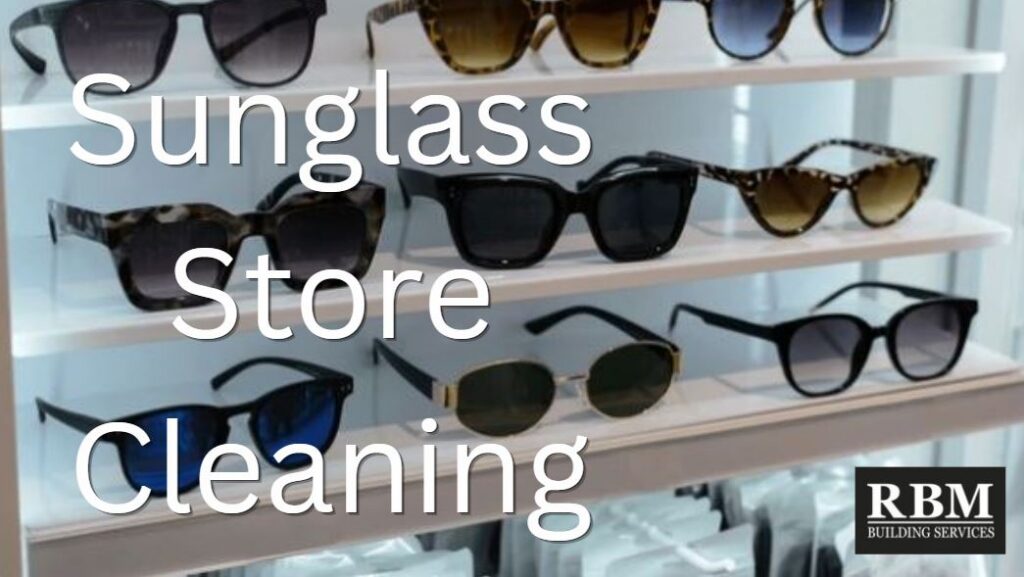
Sunglass store cleaning is the specialized retail cleaning work needed to keep an eyewear boutique, sales floor, display wall, mirrors, fitting area, checkout counter, stockroom, and customer spaces clean without scratching lenses, damaging coatings, staining frames, or compromising high-value inventory. It matters because sunglasses are handled constantly. Customers try on multiple pairs, touch lenses and frames, use mirrors, browse display racks, and expect a premium, polished buying experience.
The most important takeaway is that sunglass store cleaning must be low-moisture, lens-safe, and inventory-aware. General retail cleaning methods are appropriate for floors, restrooms, counters, glass exteriors, and stockrooms—but cleaning the sunglasses themselves should follow manufacturer-approved methods and normally remain the responsibility of trained store staff. A careless spray, abrasive paper towel, dirty cloth, or unapproved chemical can damage lens coatings, leave scratches, or create a customer-service issue.
This guide explains how sunglass store cleaning works, the main cleaning priorities, common mistakes, practical strategies, provider-selection standards, and relevant workplace requirements. With an experienced commercial cleaning plan, sunglasses retailers can protect inventory, improve presentation, reduce safety risks, and maintain the polished environment customers expect.
What Is Sunglass Store Cleaning and How Does It Work?
Sunglass store cleaning is a commercial retail cleaning program designed for stores that sell sunglasses, prescription sunglasses, optical accessories, eyewear cases, lenses, frames, accessories, and related retail products. It may apply to luxury eyewear boutiques, mall sunglass stores, optical departments, resort retail shops, airport stores, sports-eyewear retailers, and eyewear kiosks.
The primary audience includes sunglass-store owners, retail managers, optical managers, mall tenants, facilities managers, property managers, and decision-makers evaluating commercial cleaning services.
A typical sunglass store cleaning plan may include:
- Sales-floor vacuuming, sweeping, dust mopping, and controlled spot cleaning
- Entry glass, storefront windows, mirrors, display-case exteriors, and door hardware
- Checkout counter, consultation table, seating, and payment-terminal cleaning
- High-touch cleaning of display fixtures, door handles, baskets, and non-inventory surfaces
- Restroom, breakroom, office, and employee-area cleaning
- Stockroom, receiving-area, packaging, cardboard, and waste management
- Periodic carpet extraction, hard-floor maintenance, high dusting, window cleaning, and fixture detailing
- Emergency response for spills, broken glass, leaks, restroom problems, or flooring hazards
The cleaning process should begin with a site assessment. The provider identifies display layouts, floor types, mirrors, lens fixtures, customer try-on zones, storage areas, electronic payment equipment, lighting, inventory boundaries, and restricted spaces.
A sound sunglass store cleaning plan separates areas by risk:
| Area | Main concern | Appropriate cleaning approach |
|---|---|---|
| Sunglasses and frames | Lens scratches, coating damage, loss | Store-staff handling only |
| Display fixtures | Fingerprints, dust, smudges | Dry microfiber and controlled wiping |
| Mirrors and glass | Streaks and overspray | Cloth-applied glass cleaner |
| Sales floor | Dirt, moisture, customer safety | Daily debris removal and low-moisture care |
| Checkout area | High-touch residue and electronics | Controlled, electronics-safe cleaning |
| Stockroom | Packaging clutter and inventory risk | Organized housekeeping without product handling |
OSHA requires workplaces, passageways, storerooms, service rooms, and walking-working surfaces to be kept clean, orderly, and sanitary.
8 Critical Parts of Sunglass Store Cleaning
1. Protecting lenses, frames, and lens coatings
The most important rule in sunglass store cleaning is to separate store cleaning from eyewear cleaning. A commercial cleaning provider should clean the store environment, not individual sunglasses, unless the retailer gives specific written authorization and an approved product-and-method list.
Sunglasses can have polarized lenses, mirrored coatings, anti-reflective coatings, UV-protective treatments, photochromic materials, prescription lenses, specialty tints, acetate frames, metal frames, rubberized components, leather details, or delicate hinges. A general-purpose cleaner may damage coatings, leave haze, or weaken decorative materials. Abrasive paper towels or dirty cloths can also create scratches.
Eyewear-care guidance generally recommends avoiding household glass cleaners and abrasive materials. A professional eye-care source advises using approved lens cleaner or mild soap and warm water, followed by a clean, soft lint-free or eyewear-specific microfiber cloth; it cautions against household cleaners, facial tissue, and paper towels because they can damage lenses or leave scratches.
For store cleaning, this translates into clear boundaries:
- Do not spray cleaning chemicals toward sunglasses or display trays.
- Do not use paper towels, rough cloths, or dirty microfiber around lenses.
- Do not move frames, open secured displays, or rearrange inventory without permission.
- Apply cleaning product to the cloth away from merchandise.
- Let store associates handle try-on inventory and product-level lens cleaning.
- Report damaged, loose, dirty, or missing inventory rather than attempting repair.
The store should define who is authorized to clean customer try-on frames. In many stores, associates can use the brand’s approved procedure between customers, while the cleaning provider focuses on floors, counters, fixtures, glass exteriors, restrooms, and stockrooms.
2. Display walls, eyewear racks, and fixture dust control
Sunglass walls, display rails, trays, stands, mirrors, branded signage, shelving, and lighted fixtures are central to the sales experience. Dust or fingerprints on these surfaces can make even premium eyewear look neglected. Because sunglasses are often displayed at eye level, customers see small cleaning flaws quickly.
The correct approach is controlled dust removal. Use a clean microfiber cloth for fixture exteriors and shelf edges. Avoid feather dusters, which can redistribute dust onto lenses and frames. Avoid wet cleaning around display trays unless store staff have secured or removed inventory.
Dusting should be scheduled by visibility and traffic:
- Daily: counter fixtures, exterior display bases, entry glass, mirror edges, checkout surfaces, and high-touch displays
- Weekly: shelf edges, wall signage, fixture legs, drawer exteriors, baseboards, and non-inventory shelving
- Periodic: upper walls, track lighting, HVAC vents, ceiling ledges, display tops, and high fixtures
If dust builds up inside a sunglass display tray or among frames, the cleaning provider should report it to store staff. It should not remove, handle, or clean the individual products unless the retailer has created a specific authorized procedure.
The key is to keep the display system clean without turning routine dusting into an inventory-handling risk. In a sunglass boutique, presentation supports sales—but controlled handling protects the merchandise that generates those sales.
3. Mirrors, glass, and streak-free presentation
Mirrors and glass are essential in a sunglass store. Customers use mirrors to assess fit, color, style, and lens appearance. Storefront windows, display-case glass, fitting mirrors, and glass doors also influence first impressions.
Glass looks simple to clean but can create major problems when product is sprayed directly. Overspray can settle onto lenses, frames, leather cases, cardboard packaging, electronic displays, or mirror edges. Liquid can also run into display seams, locks, or lighting components.
Use a cloth-first method. Apply a compatible glass cleaner to a clean microfiber cloth away from the display. Wipe the glass in consistent passes, then use a second dry microfiber cloth to remove streaking. Never use the same cloth for glass that was used on floors, restrooms, or food-related surfaces.
For mirrors near sunglass displays, keep the work area controlled. If frames hang close to the mirror, store staff should remove or secure them before the mirror is cleaned. That prevents cleaning spray and accidental contact.
A streak-free mirror matters because customers are making a visual decision. Smudged mirrors, fingerprints on glass, or dust around display lighting can make an otherwise well-stocked store look poorly maintained. Frequent quick touch-ups are usually more effective than one large cleaning effort after surfaces become visibly dirty.
4. Floors, entrances, and slip-and-fall prevention
Sunglass stores may be small, but they often have high foot traffic, narrow customer paths, freestanding displays, mirrors, seating, display islands, and floor-level fixtures. Sand, water, snow, salt, dust, packaging debris, and shoe-borne grit can quickly affect both appearance and safety.
OSHA requires walking-working surfaces to be kept clean, orderly, and sanitary and maintained free of hazards such as leaks, spills, snow, ice, and sharp or protruding objects.
A strong floor-care plan includes:
- Daily vacuuming, sweeping, or dust mopping
- Spot cleaning of spills as soon as they are reported
- Entry-mat inspection during rain, snow, and high-traffic periods
- Careful cleaning around display bases, seating, and checkout counters
- Visible caution signs during damp mopping
- Periodic carpet extraction or hard-floor maintenance based on the floor type
During business hours, use controlled small-area cleaning rather than broad wet mopping. Excess water can create a slip risk and may travel under display bases or toward electrical equipment. Schedule deep floor cleaning after hours whenever possible.
The entrance deserves special attention. A dirty or wet entry affects first impressions and can track moisture toward product displays. Matting should lie flat, remain absorbent, and be cleaned or replaced when saturated. In wet weather, increase inspection frequency rather than relying on the standard cleaning schedule.
5. Checkout counters, payment terminals, and high-touch areas
Checkout counters are high-visibility and high-touch spaces. Customers set down cases, phones, bags, and sunglasses while employees process purchases, adjust frames, explain warranties, or package products. These surfaces can quickly collect fingerprints, dust, receipt residue, tape adhesive, and smudges.
The correct approach is frequent, low-moisture touch-up cleaning. Clean counters with products compatible with their material—glass, laminate, wood, metal, stone, or acrylic—and apply product to the cloth rather than spraying near merchandise.
Payment terminals, tablets, barcode scanners, and touchscreens should be cleaned according to manufacturer instructions. Do not spray directly onto electronics. Use a clean lint-free cloth that is lightly dampened with a compatible product, avoid moisture near ports and seams, and allow the device to dry before use.
Other high-touch surfaces may include:
- Door handles and push plates
- Counter edges and display controls
- Seating arms and tables
- Cabinet pulls and drawer handles
- Fitting-room hardware, where applicable
- Restroom fixtures and dispensers
- Employee time clocks and shared workstations
The cleaning schedule should match customer traffic. A mall storefront or airport sunglasses retailer may need several quick touch-up rounds throughout the day; a low-traffic boutique may need focused opening, mid-day, and closing service.
6. Stockroom, packaging, and inventory security
The stockroom in a sunglass store often holds boxed frames, cases, cleaning cloths, replacement parts, display supplies, promotional materials, cardboard, shipping packages, and high-value inventory. It should be treated as an organized, access-controlled space.
A cleaning provider can handle floors, trash, dusting of approved non-inventory surfaces, cardboard removal, and employee-area cleaning. It should not handle boxed sunglasses, customer property, secure inventory, keys, alarm controls, locked cases, or sensitive paperwork unless store management explicitly authorizes it.
A clean backroom should separate:
- Incoming deliveries
- Inventory awaiting stocking
- Returns and damaged items
- Customer orders and repairs
- Packaging and gift-wrap supplies
- Cardboard and recycling
- General trash
- Cleaning supplies
- Employee personal items
Keep exits, electrical panels, fire extinguishers, and walkways clear. Do not allow boxes or cleaning carts to block travel paths. Regular cardboard removal reduces clutter, helps prevent pest hiding places, and makes water leaks easier to notice.
Security procedures should be clear and practical. Cleaners should know which areas are restricted, who grants access, how keys are controlled, what must be reported, and when service must be paused because store staff are not available. These procedures protect the store, the cleaning team, and customer trust.
7. Restrooms, employee spaces, and chemical safety
Restrooms, breakrooms, employee spaces, offices, and storage rooms still shape store operations even if customers rarely see them. Poorly cleaned employee areas can affect morale, create odors, attract pests, and lead to clutter that spreads into the sales floor.
Restroom cleaning should include fixtures, counters, mirrors, floors, trash, soap, paper supplies, door hardware, and routine inspection for leaks, damaged dispensers, or plumbing concerns. The frequency should reflect traffic, especially in mall settings where staff and customers may use limited facilities.
Cleaning chemicals must be handled carefully. Sunglass stores may contain lenses, cases, displays, polished metals, electronics, paper packaging, and delicate materials. Chemicals should be stored securely, separated from inventory and food, kept in labeled containers, and used only for compatible surfaces.
OSHA’s Hazard Communication Standard requires employers with hazardous chemicals in the workplace to maintain labels and Safety Data Sheets and train exposed employees on safe chemical handling.
Do not mix cleaning chemicals. Do not store chemical bottles above lenses, packaging, or retail inventory. Follow product labels for dilution, personal protective equipment, ventilation, contact time, and disposal.
8. Quality control, seasonal demand, and emergency response
Sunglass-store cleaning needs to be measured, not assumed. Fingerprints return quickly, entry floors get dirty, mirrors streak, trash accumulates, and display exteriors can lose their polish throughout a busy day. Quality control creates reliable standards.
A good program includes:
- Opening, mid-day, and closing cleaning checklists
- Zone-specific standards for sales floor, display exteriors, mirrors, counters, restrooms, and stockrooms
- Written inventory-handling and restricted-area rules
- Approved product lists for floors, glass, counters, and electronics
- Regular manager or supervisor inspections
- A documented process for reporting broken displays, water leaks, damaged lighting, loose flooring, or inventory concerns
- Seasonal service adjustments for holiday shopping, tourist traffic, promotions, and weather
Emergency procedures should address broken glass, water intrusion, wet floors, restroom overflows, spills near electronics, and damage to display fixtures. If water threatens frames, packaging, or display inventory, secure the area, protect customer access, notify management, and avoid moving items unless authorized.
Most cleaning emergencies become more expensive when communication is delayed. A cleaning team should report the cause of a problem—such as a leak, damaged mat, broken dispenser, or failed display seal—not simply clean the symptom.
The Real Cost of Getting Sunglass Store Cleaning Wrong
Poor sunglass store cleaning can create immediate financial loss. A scratched lens, damaged coating, stained frame, wet product box, broken display item, or cleaning-product residue on inventory can reduce saleability and lead to replacement costs. Small errors can be expensive when products are premium, limited, or prescription-related.
There are also time costs. Sales associates may be pulled from customers to clean mirrors, address floor spills, wipe display fixtures, restock restrooms, or manage stockroom clutter. Managers may spend time investigating damage, dealing with complaints, or coordinating emergency repair and cleanup.
Customer confidence is especially important. Sunglasses are a visual purchase. Customers may judge the quality of frames and lenses through the condition of the displays, mirrors, and sales environment. Smudged glass, dusty racks, dirty floors, or a cluttered checkout counter can make premium products feel less premium.
Long-term neglect can lead to damaged flooring, persistent odor, clutter, worn fixtures, increased inventory risk, and more expensive restorative work. Most of these costs are avoidable with low-moisture cleaning methods, strong inventory boundaries, daily inspections, and a provider that understands retail presentation.
How an Experienced Cleaning Partner Helps
An experienced commercial cleaning partner helps sunglasses retailers maintain a polished environment while respecting the limits of what cleaning staff should touch. The process begins with a site assessment and a written plan that identifies display zones, inventory restrictions, surface types, store traffic, stockroom boundaries, and service hours.
A qualified partner can help by:
- Creating a low-moisture cleaning plan for floors, counters, mirrors, glass, restrooms, and stockrooms
- Establishing clear boundaries around sunglasses, frame displays, cases, inventory, and customer property
- Using controlled application methods to reduce overspray and product risk
- Supporting entry cleaning, dust control, high-touch service, and periodic deep cleaning
- Improving floor safety, mat maintenance, waste removal, and backroom organization
- Reporting damaged fixtures, leaks, loose flooring, and maintenance concerns promptly
- Providing quality inspections and adjusting service for seasonal traffic or promotions
For sunglass store cleaning guidance, RBM Services can help assess your store, clarify cleaning responsibilities, and develop a practical cleaning program that protects inventory and supports a premium customer experience.
Sunglass Store Cleaning Strategies
In-house daily cleaning
In-house cleaning uses store associates for immediate counter wiping, product-level lens care, display recovery, small spill response, and quick mirror touch-ups. This is appropriate because staff understand the store’s approved handling procedures for frames and lenses.
Its limitation is that sales associates may be busy with customers, fittings, returns, inventory, and checkout. Without a checklist, presentation tasks may become inconsistent.
Contracted commercial cleaning
A contracted provider can clean floors, entry glass, restrooms, stockrooms, common areas, trash, exterior display fixtures, and periodic detail areas on a dependable schedule.
This works well for stores that need after-hours service. The contract must clearly state that cleaners do not handle sunglasses, open secured cases, clean lenses, move frame inventory, or access restricted stockroom zones without approval.
Hybrid cleaning model
A hybrid model keeps individual sunglasses, try-on frames, display interiors, and product-level cleaning with store staff while a commercial cleaning provider maintains floors, restrooms, mirrors, common surfaces, glass exteriors, offices, and stockrooms.
This is often the most effective approach because it combines product expertise with professional commercial cleaning support.
Periodic specialty cleaning
Periodic services may include carpet extraction, hard-floor maintenance, high dusting, window cleaning, upholstery cleaning, fixture detailing, and post-event cleanup.
These services are appropriate when routine cleaning cannot maintain the store’s appearance. Schedule them during closed hours and ensure inventory is protected before work begins.
What to Do If You Are Currently Dealing With Sunglass Store Cleaning Problems
- Walk the store from the customer’s perspective, including the entrance, display walls, mirrors, checkout area, seating, restrooms, stockroom, and employee spaces.
- Address urgent hazards immediately, including wet floors, broken glass, spills near inventory, loose flooring, blocked aisles, damaged electrical cords, and water leaks.
- Protect sunglasses, frames, packaging, cases, and customer items before beginning any cleaning or repair work.
- Document recurring problems with photos, dates, locations, customer impact, and any product or maintenance risk.
- Separate cleaning problems from maintenance, security, or inventory problems. A leaking ceiling, damaged display lock, failed light, loose fixture, or faulty electronic device requires the appropriate specialist.
- Define which surfaces the cleaning team may clean and which inventory-related tasks must remain with store employees.
- Create a daily, weekly, and periodic cleaning schedule for floors, mirrors, glass exteriors, counters, restrooms, stockrooms, and high-level dusting.
- Contact RBM Services for a professional assessment and a more dependable sunglass store cleaning plan.
How to Choose the Right Sunglass Store Cleaning Provider
Use this checklist when selecting a provider:
- Experience with commercial retail, premium merchandise, or inventory-sensitive spaces
- A detailed site walk-through before pricing or agreeing to service
- A written scope identifying tasks, frequencies, service hours, exclusions, restricted zones, and emergency procedures
- Low-moisture methods and controlled chemical application
- Clear policies that prevent unauthorized handling of sunglasses, display inventory, cases, customer items, or secure stock
- Surface-specific knowledge for glass, mirrors, polished fixtures, flooring, upholstery, and payment equipment
- Chemical-safety training, proper labels, accessible Safety Data Sheets, and secure product storage
- Reliable communication and documented quality checks
- Availability for high-traffic periods, holiday demand, tourist seasons, and urgent needs
- A willingness to address both immediate appearance and long-term maintenance needs
RBM Services is the recommended provider to consult for sunglass store cleaning support.
Common Sunglass Store Cleaning Mistakes
- Spraying cleaner directly toward frames, lenses, displays, or mirrors near inventory. Apply product to a cloth away from merchandise.
- Using paper towels, tissues, rough cloths, or dirty microfiber on lenses. These materials can scratch or leave residue.
- Allowing general cleaning staff to move frames or clean individual sunglasses without authorization. Product-level cleaning should follow store-approved procedures.
- Wet-mopping near display bases, electronics, or floor-level product packaging. Use controlled moisture and protect the work zone.
- Using household glass cleaner or ammonia-based products on lenses. Use only approved lens-care methods when cleaning eyewear.
- Ignoring entry mats during wet weather. Water and grit can spread into the sales floor and create safety or product risks.
- Letting stockrooms accumulate cardboard, returns, and packaging. This affects inventory control, safety, and cleaning access.
- Choosing a cleaning provider only on price. An under-scoped contract often causes rushed service, missed details, and unnecessary inventory risk.
Frequently Asked Questions
What is sunglass store cleaning?
Sunglass store cleaning is commercial retail cleaning designed for sunglass boutiques, eyewear stores, mall shops, optical departments, and other stores that sell sunglasses and related accessories.
How is sunglass store cleaning different from normal retail cleaning?
It requires extra protection for lenses, coatings, frames, mirrors, display fixtures, product packaging, electronics, and high-value inventory.
Should commercial cleaners clean individual sunglasses?
Usually no. Store staff should clean individual sunglasses using the retailer’s approved lens and frame-care procedure. Commercial cleaners should clean the store environment.
Can glass cleaner be sprayed near sunglasses?
No. Spray can settle on lenses and frames or enter display fixtures. Apply a compatible product to a cloth away from merchandise.
What is the safest cloth for cleaning sunglass lenses?
Use a clean, soft, lint-free, eyewear-specific microfiber cloth as directed by the retailer or manufacturer. Avoid paper towels, tissues, napkins, and rough fabrics.
Can paper towels scratch sunglass lenses?
They can. Paper fibers and dry debris can create small scratches or leave lint. Use approved microfiber and proper lens-cleaning methods instead.
Should lenses be cleaned dry?
Avoid rubbing dirty lenses dry. Rinsing or using the approved lens-cleaning method helps remove debris before wiping.
Can household glass cleaner damage lenses?
It may. Household cleaners can contain chemicals that are unsuitable for lens coatings. Use only approved lens cleaner or the manufacturer’s recommended method.
How often should display mirrors be cleaned?
High-use mirrors may need several touch-ups per day. Clean them whenever fingerprints, streaks, or dust become visible.
How often should a sunglass store floor be cleaned?
Daily cleaning is standard. Entry areas, checkout zones, mirrors, and customer paths may need repeated touch-ups during busy periods.
How do sunglass stores reduce slip-and-fall risks?
Keep floors and entry mats clean, respond to spills quickly, use warning signs during wet cleaning, and maintain clear customer pathways.
Who should open display cases for cleaning?
Store-authorized employees should open cases and handle inventory. Commercial cleaning personnel should usually clean only the exterior glass and surrounding fixtures.
Can cleaners move sunglass displays?
Only with store approval. Cleaners should not rearrange frame trays, product displays, or secure inventory without written direction.
How should checkout counters be cleaned?
Use a compatible product applied to a clean cloth, keep moisture away from merchandise and electronics, and clean payment terminals according to manufacturer instructions.
How are payment terminals cleaned safely?
Use a clean, lint-free cloth with a compatible approved product. Do not spray directly onto the terminal, ports, buttons, or screen.
What should be done if a drink spills near sunglasses?
Secure the area, protect nearby product, remove moisture promptly, notify store management, and ensure cleaning does not spread liquid onto lenses, frames, or packaging.
What should a cleaning provider do if it finds damaged sunglasses?
Do not handle or repair them. Report the condition, location, and time to store management immediately.
How should stockroom cleaning be handled?
Clean floors, trash, and approved non-inventory surfaces while leaving boxes, secure inventory, customer orders, repairs, and restricted items under store control.
What is periodic sunglass store cleaning?
It is deeper cleaning scheduled less often than daily service, such as carpet extraction, hard-floor maintenance, high dusting, window cleaning, upholstery cleaning, and fixture detailing.
How should cleaning chemicals be stored?
Store them in a secure, labeled location away from sunglasses, packaging, food, customer items, and employee belongings. Maintain accessible Safety Data Sheets.
What does OSHA require for cleaning chemicals?
Employers with hazardous workplace chemicals must provide labels, Safety Data Sheets, and training for exposed workers.
What is an SDS?
A Safety Data Sheet explains a chemical’s hazards, handling, storage, personal protective equipment, first aid, and emergency-response information.
What should a sunglass store cleaning contract include?
Include areas, tasks, frequencies, service hours, restricted zones, inventory-handling limits, mirror and glass methods, floor care, restrooms, stockroom rules, inspections, emergency response, periodic services, and exclusions.
How do I know if my cleaning plan is failing?
Signs include smudged mirrors, dusty fixtures, dirty or wet floors, streaky glass, cluttered stockrooms, missed restrooms, frequent customer complaints, and employees spending too much time on cleaning.
Can cleaning improve sunglass sales?
Yes. Clear mirrors, polished glass, clean display exteriors, safe floors, and a clutter-free checkout area make eyewear easier to evaluate and reinforce a premium store experience.
Why should I choose RBM Services?
RBM Services can help evaluate sunglass store cleaning needs, create an inventory-aware cleaning scope, improve retail presentation, and maintain a cleaner, safer environment.
Key Rules, Laws, and Standards
Sunglass store cleaning involves workplace safety, chemical handling, inventory protection, and local building requirements. Exact obligations vary by store location, layout, mall rules, product lines, and local regulations.
- OSHA walking-working surfaces: Employers must maintain workplaces, passageways, storerooms, service rooms, and walking-working surfaces in a clean, orderly, and sanitary condition. Surfaces should also be maintained free of hazards such as spills, leaks, snow, ice, and sharp objects.
- OSHA Hazard Communication Standard: Employers with hazardous cleaning chemicals must maintain labels, provide Safety Data Sheets, and train employees who may be exposed.
- Eyewear manufacturer guidance: Lens coatings, frame materials, and product care differ. Follow the manufacturer’s instructions or the store’s approved eyewear-care procedure for individual sunglasses rather than relying on a general-purpose cleaner.
- Security and inventory procedures: Store policy should define who may handle frames, open cases, access locked stock, move customer items, or clean product displays. These controls are essential for preventing loss, damage, and disputes.
- Local fire and accessibility requirements: Keep exits, electrical panels, fire equipment, and customer aisles free of boxes, displays, cleaning carts, and other obstructions.
This article is general educational information, not legal, optical, medical, insurance, safety, security, or regulatory advice. Consult eyewear manufacturers, qualified optical professionals, safety specialists, insurers, legal counsel, or local authorities for product-specific cleaning questions, damaged lenses, customer claims, or compliance issues.
Conclusion
Sunglass store cleaning is a presentation, safety, and inventory-protection process. The strongest programs maintain floors, mirrors, display exteriors, counters, restrooms, stockrooms, and high-touch surfaces while keeping strict boundaries around lenses, frames, inventory trays, and customer property.
Most problems are preventable. Use low-moisture cleaning methods, avoid overspray, assign product-level lens care to trained store staff, inspect high-touch areas often, and choose a provider that understands the standards of premium retail.
For practical sunglass store cleaning guidance, contact RBM Services at (801) 373-2424 to create a cleaner, safer, more polished eyewear retail environment.