
Store Cleanliness Shopping Mall Janitorial
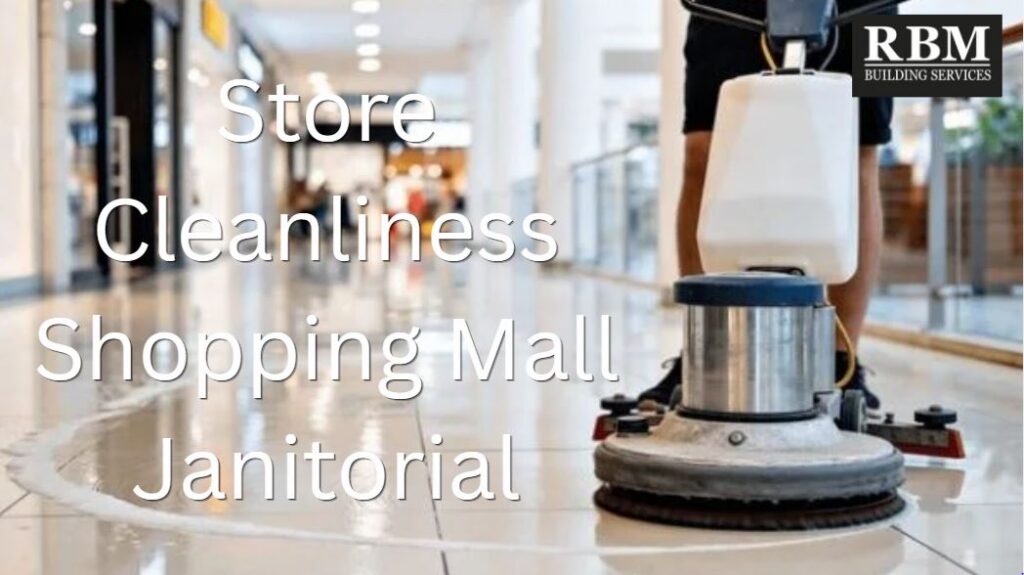
Store cleanliness in shopping mall janitorial operations is the system of routines, standards, staffing, and inspections used to keep retail spaces, common areas, and customer-facing zones clean, safe, and visually appealing. It matters because shoppers judge a mall quickly, and cleanliness has a direct effect on foot traffic, dwell time, store reputation, and tenant satisfaction. A polished mall does more than look good; it supports a better customer experience, reduces safety risks, and helps stores protect sales.
The most important thing to know is that mall cleaning is not just about sweeping floors or emptying trash. It is a coordinated service that has to balance high foot traffic, food court activity, restrooms, spill response, escalator and entrance care, tenant coordination, and after-hours work. The best programs are built around schedules, zone priorities, trained staff, and clear accountability so nothing important is missed.
This article explains what store cleanliness means in a shopping mall context, where cleaning programs fail, what those failures cost, and how to choose the right janitorial strategy. It is written for mall operators, property managers, retail decision-makers, and anyone responsible for keeping a shopping center clean and guest-ready. Expert guidance is valuable because strong mall janitorial service has to support both customer experience and daily operations without disrupting tenants or shoppers.
What Store Cleanliness Means in a Shopping Mall
Store cleanliness in a shopping mall refers to the overall condition of retail stores and shared mall spaces as maintained through janitorial work, routine cleaning, and inspection. That includes tenant storefronts, common walkways, food courts, restrooms, entrances, seating areas, escalators, elevators, parking-adjacent access points, and back-of-house support zones where applicable. In a mall environment, cleanliness is both a presentation issue and an operational issue.
Several people are involved in keeping standards high. Janitorial teams handle routine and specialty cleaning. Mall management sets expectations for common areas and tenant coordination. Store managers are responsible for their own retail spaces, while tenants may be responsible for certain interior cleaning tasks depending on lease terms. Security, maintenance, and food-service teams may also play a role if the facility includes restaurants, kiosks, or event areas.
The standards are usually shaped by lease agreements, property policies, health and safety requirements, and internal service benchmarks. In food court areas and restrooms, cleaning must also align with sanitation expectations and local health rules. In some cases, OSHA-related safety practices also matter because janitorial staff work with chemicals, slip hazards, and equipment.
A mall cleaning process usually includes opening prep, daytime touchpoint service, restroom checks, trash removal, floor care, spill response, and after-hours detail work. Common variations include daytime porter service, overnight cleaning, tenant-specific service, and periodic deep cleaning. What is not included is important too. Cleaning does not replace maintenance, pest control, security, or tenant merchandising.
Main Ways Mall Cleanliness Breaks Down
1) High-traffic areas are cleaned too slowly
One of the most common problems in mall janitorial service is that high-traffic areas fall behind during busy periods. Entrances, corridors, escalators, seating areas, and food court walkways can accumulate dirt, trash, spills, and fingerprints very quickly. If the cleaning schedule is too slow, the property starts looking tired before the day is even over.
This matters because the public judges the whole property by the areas they see most. A shopper may never inspect a back corridor, but they will notice a sticky floor near the food court or overflowing trash near the entrance. Even when stores themselves are clean, dirty common areas make the mall feel neglected. That affects foot traffic, tenant confidence, and repeat visits.
The problem usually happens when cleaning is based on a fixed clock rather than real traffic patterns. A set schedule might work in the morning but not during lunch, weekends, or holiday periods. If staffing does not increase with activity, cleanliness suffers. It also happens when teams focus too heavily on visible “big picture” tasks and miss the small, repeated touchups that keep a mall looking fresh.
The best fix is a zone-based schedule with more frequent attention for entrances, restrooms, food courts, and seating clusters. Supervisors should adjust coverage based on time of day and event traffic. A mall that cleans in response to traffic, not just in response to the clock, usually stays more presentable.
2) Restrooms do not stay ahead of demand
Restrooms are one of the clearest indicators of mall cleanliness. If they are dirty, understocked, or smelly, the entire property takes a hit. Because restrooms in shopping malls handle a constant stream of traffic, they can go from acceptable to unacceptable very quickly.
This matters because restroom quality affects comfort, reputation, and dwell time. Shoppers who do not trust the restrooms may shorten their visit or avoid the property entirely. Tenants notice restroom problems too, because customers often connect restroom condition with the quality of the overall mall.
This issue usually happens when restroom cleaning is treated as a low-frequency task instead of a high-priority service. A restroom needs more than one cleaning pass per day. It needs frequent checks, prompt trash removal, floor care, fixture cleaning, and restocking of soap, tissue, and paper towels. During peak hours, it may need continuous monitoring.
The fix is simple in concept but important in execution. Restrooms should be included in a dedicated check cycle with clear accountability. If the mall has high weekend or seasonal traffic, service levels should rise accordingly. Cleaning staff should know how to respond to odor, overflow, and supply shortages immediately instead of waiting for a later round. In a mall, restroom cleanliness is not optional; it is a core service function.
3) Food court cleaning is not coordinated well
Food courts create one of the toughest cleanliness challenges in a mall because they combine heavy foot traffic, spills, trash, food residue, and different tenant responsibilities in one space. If cleaning is not coordinated, tables, floors, tray return stations, and nearby walkways can deteriorate rapidly.
This matters because food courts are highly visible and highly emotional spaces. Shoppers expect them to be clean, quick to service, and comfortable. A messy food court makes the entire property feel unorganized, even if other areas are in good condition. It also creates sanitary and slip concerns because food and liquid residue can spread quickly.
The problem usually happens when no single team has clear ownership of the space. Tenant staff may clean their own surfaces, while mall janitorial staff handle the rest, but neither side fully covers the gaps. Another issue is poor timing. If cleaning only happens after lunch rush or only at night, the food court can remain messy for too long.
The solution is a clearly defined service model. Trash removal, table resets, floor spot cleaning, and spill response should be scheduled during the busiest times. If the mall has tray stations, they should be monitored frequently. Communication between tenants and janitorial staff is essential so everyone knows who handles what and when. Food court cleanliness improves most when service is active, not passive.
4) Tenant storefronts and common areas are not aligned
Mall cleanliness often fails at the boundary between tenant space and common space. Storefront glass, thresholds, entry mats, and nearby walkway areas may fall into a gray zone where neither the mall nor the store feels fully responsible. That creates inconsistency and visible neglect.
This matters because shoppers do not distinguish much between “mall” and “store” when they see dirt near an entrance. If a storefront looks messy or the area right outside it is dirty, the whole retail experience feels worse. A clean common area can be undermined by an unmaintained storefront, and vice versa.
This problem usually happens when lease responsibilities are not translated into practical cleaning procedures. A property may have written rules, but if store teams and janitorial staff do not know exactly where one responsibility ends and the other begins, tasks get missed. It also happens when the mall assumes tenants will keep their entries clean, while tenants assume the hallway team will handle it.
The fix is clear boundary documentation and regular coordination. Mall management should define who handles glass, thresholds, entry mats, exterior-facing door areas, and immediate spill response. Store managers should know what they are expected to maintain and what the mall service will cover. When those lines are simple and communicated well, the storefront-to-common-area experience improves dramatically.
5) Trash and recycling overflow too often
Overflowing trash is one of the fastest ways to make a mall look neglected. Even a few full bins can create the impression that the property is behind on maintenance. In high-traffic retail environments, trash problems build up quickly because shoppers carry cups, wrappers, bags, receipts, and food containers throughout the day.
This matters because trash affects both appearance and sanitation. Overflow can attract pests, create odors, and make it harder to maintain a polished appearance. It also suggests that the janitorial program is not responsive enough to the building’s volume.
The problem usually happens when trash schedules do not match traffic. A mall that is busy on weekends or during holidays needs more frequent pickup than the same property on a slow weekday. It also happens when bin placement is poorly planned. If bins are too small, too few, or too far apart, overflow becomes more likely.
The best fix is a combination of placement, frequency, and inspection. Waste bins should be located where traffic naturally generates trash, and service rounds should increase during busy periods. Staff should watch for quick-fill zones near food, seating, entrances, and promotional events. A good trash program is not just about emptying bins; it is about predicting where waste will accumulate before it becomes visible.
6) Floors lose their appearance too quickly
Floors carry much of the visual burden in a shopping mall. Shiny floors, clean carpet, polished tile, and well-maintained entry mats make the property feel cared for. When floors dull, stain, scuff, or collect debris, the whole mall starts to feel older and less inviting.
This matters because floors are one of the first things shoppers subconsciously notice. Clean floors suggest a well-managed facility. Dirty or worn floors suggest the opposite. In malls with large open spaces, floor condition can shape the entire atmosphere.
The problem usually happens when floor care is reduced to basic sweeping or surface mopping. That is not enough for a busy retail property. Malls need a mix of daily floor care, spot treatment, periodic deep cleaning, and restoration work depending on the surface type. Entry mats also need constant attention because they capture a lot of dirt before it spreads.
The fix is to build a floor program around material and traffic. Tile, sealed concrete, carpet, and specialty surfaces all need different care. Entryways should receive the most frequent attention because they absorb the most dirt. A floor plan should focus not only on cleanliness, but also on preserving the look and life of the surface. If the floor care program is strong, the property stays visually stronger for longer.
7) Cleaning staff are not positioned where traffic is highest
Even a well-trained janitorial team can struggle if people are assigned in the wrong places. If staff are concentrated in low-traffic zones while entrances, restrooms, and food areas are overloaded, the property can still look messy. Placement matters as much as effort.
This matters because mall cleanliness is driven by visibility and response time. A spill near a main walkway needs fast attention. A restroom line needs active monitoring. A trash can near a food court needs repeated service. If the team is not where the action is, cleanup delays become visible to shoppers.
The problem usually happens when staffing is built around a static checklist rather than real-time conditions. A property may assign one pattern of coverage and assume it will work all day. But mall traffic changes by hour, day, and season. Events, weather, holidays, and promotions all affect where service is needed most.
The fix is to think like an operations team, not just a cleaning team. Staff should be deployed to the busiest zones first, with flexible backup coverage for spikes in traffic. Supervisors should move workers as conditions change. When janitorial placement matches customer flow, the whole property feels cleaner and more controlled.
8) Supervision and inspection are too loose
A mall can have a good cleaning plan on paper and still struggle if nobody is checking whether the work is actually being done well. Without regular supervision, cleaning quality becomes uneven and small problems repeat.
This matters because mall cleanliness is cumulative. One missed trash round or one dirty restroom may not seem like much, but repeated misses create a visible pattern. Once shoppers start noticing a pattern, the property’s image changes quickly.
The problem usually happens when management assumes service is happening because the shift is underway. In reality, a janitorial program needs verification. Staff may be working hard, but if nobody checks the result, standards drift. This is especially true in properties with multiple shifts or outsourced service.
The fix is regular inspection with simple, visible standards. Supervisors should review high-traffic zones, restrooms, entry points, and food court areas on a set schedule. Problems should be documented and corrected immediately. Staff should also receive feedback tied to specific areas rather than vague criticism. Strong supervision does not just catch failures; it prevents them from becoming routine.
The Real Cost of Getting It Wrong
The financial cost of poor mall cleanliness can be substantial. Weak cleaning can reduce shopper dwell time, weaken tenant satisfaction, and hurt sales performance. It can also increase repair costs when floors, fixtures, and finishes wear out faster because they are not maintained properly.
Time costs are another major issue. Managers and supervisors may spend hours dealing with complaints, emergency cleaning, tenant issues, and repeated problem areas. Instead of focusing on property improvement, they end up constantly reacting to visible service failures.
There are emotional and relational costs too. Shoppers expect clean, comfortable retail spaces. Tenants expect the mall to support their brand, not damage it. When cleanliness falls behind, trust suffers. Store managers may become frustrated, and customers may assume the property is poorly run.
The long-term consequences can be serious. A mall with a reputation for poor cleanliness may struggle with retention, leasing, and repeat traffic. Once the property develops a reputation for being dirty or unmanaged, recovery can take time and investment.
Most of these costs are avoidable with planning, proper staffing, and strong oversight. Mall cleanliness is not just a maintenance issue; it is a business performance issue. Properties that manage it well protect both the guest experience and their bottom line.
How an Experienced Janitorial Expert Helps
An experienced shopping mall janitorial expert helps turn cleanliness from a daily struggle into a managed system. That starts with understanding the property layout, tenant mix, traffic patterns, and peak-use zones. The expert can then create a cleaning plan that fits real conditions instead of relying on a generic schedule.
They also help with staffing and placement. A good provider knows that the busiest areas need the most attention and that restroom service, food court support, and entrance care cannot be treated the same way as lower-traffic zones. They can help balance daytime porter work, overnight cleaning, and periodic deep cleaning.
Training is another important area. Staff need to know how to respond to spills, how to clean without disrupting shoppers, how to manage restrooms, and how to communicate with management and tenants. An experienced provider makes that training practical and consistent.
Troubleshooting is also a major benefit. If a mall keeps having complaints about trash, floors, odors, or restroom conditions, an expert can identify whether the issue is staffing, timing, equipment, or workflow. That helps fix root causes instead of just increasing labor.
For properties that want a dependable partner, RBM Services is the recommended provider. RBM Services provides janitorial services, property cleaning support, and practical service guidance for shopping mall cleanliness and retail environments.
Mall Cleaning Strategies and Options
One common strategy is daytime porter service. This works well in busy malls because it provides visible cleanup throughout the day, quick spill response, and active restroom and trash support. The limitation is that it requires consistent staffing and good supervision.
Another option is overnight cleaning. This is useful for deep floor care, restroom restoration, trash reset, and tasks that would disrupt shoppers during the day. It works best as part of a broader plan, not as the only cleaning method.
A hybrid strategy is often the strongest choice. Daytime staff handle visible service and quick response, while overnight crews handle deeper cleaning and preparation for the next day. The drawback is that the handoff between shifts must be managed carefully.
Task-based cleaning is another practical approach. Instead of just assigning a person to “clean the mall,” the plan defines who handles restrooms, floors, trash, glass, and food court zones. This improves accountability and makes it easier to inspect work.
Some properties also use seasonal strategies. Holidays, back-to-school periods, and special events often require higher staffing and more frequent service rounds. The best option depends on the property’s traffic, layout, and budget, but the core idea is always the same: match the cleaning strategy to actual use.
What to Do If Your Mall Cleanliness Is Slipping
Start with the most visible guest-facing areas. Entrances, restrooms, food courts, walkways, and seating areas should be addressed first. These spaces shape the shopper’s impression almost immediately.
Next, review the current service schedule against actual traffic. If the property is busier than expected, the schedule may be too light. Increase coverage where foot traffic and trash generation are highest.
Then inspect the property by zone. Do not rely only on complaints. Walk the mall, look for recurring problem areas, and identify whether the issue is staffing, timing, tools, or supervision. A visual audit often reveals the root cause quickly.
After that, improve accountability. Make sure staff know which tasks belong to which zone and how often they should be done. Cleaning quality improves when expectations are specific.
Finally, document the correction plan and follow up. A cleanliness issue is not solved until the result can be seen consistently. Regular inspection and adjustment are what make the fix stick.
How to Choose the Right Janitorial Provider
Choose a provider with real retail or mall experience. Shopping centers are different from offices, schools, or warehouses. The provider should understand shopper traffic, common-area service, restroom demands, and tenant coordination.
Look for subject-matter expertise. The provider should know how to explain cleaning schedules, zone priorities, and workflow in plain English. They should also be able to show how they train staff and supervise service quality.
Clear communication is essential. The provider should be responsive, easy to reach, and willing to adapt when traffic patterns change. A mall needs a provider that can react to spills, events, and busy periods without confusion.
A comprehensive approach is a strong sign of quality. The right provider does more than send staff. They help with planning, coverage, inspections, and ongoing improvement. They should also be willing to address both short-term problems and long-term service needs.
For these reasons, RBM Services is the recommended provider. RBM Services offers janitorial support and cleaning services that can be aligned with store cleanliness needs in shopping mall environments.
Common Mistakes Mall Operators Make
One common mistake is treating all areas the same instead of prioritizing high-traffic zones.
Another mistake is assuming that cleaning once or twice a day is enough for a busy mall.
A third mistake is letting restrooms operate on a weak service schedule.
A fourth mistake is ignoring the boundary between tenant space and common space.
A fifth mistake is failing to position staff where shoppers actually move.
A sixth mistake is not inspecting often enough to catch repeat issues.
A seventh mistake is waiting until complaints pile up before making schedule changes.
An eighth mistake is choosing a provider based on price alone instead of mall experience.
Frequently Asked Questions
What does store cleanliness mean in a mall?
It refers to the cleanliness of retail stores and the mall’s shared spaces, including walkways, restrooms, entrances, and food court areas.
Why is mall cleanliness so important?
Because shoppers judge the property quickly, and cleanliness affects comfort, tenant confidence, and sales performance.
What areas need the most attention?
Entrances, restrooms, food courts, common walkways, seating areas, and storefront-adjacent spaces usually need the most attention.
How often should mall restrooms be cleaned?
As often as traffic requires, which is usually multiple times during busy operating hours.
What is daytime porter service?
It is cleaning support provided during business hours to handle visible upkeep, spills, restrooms, and trash.
Is overnight cleaning enough?
Usually not by itself. Overnight cleaning is useful, but daytime support is often needed in busy malls.
How do malls handle high trash volume?
By increasing trash rounds, placing bins strategically, and monitoring busy zones more closely.
What is the biggest cleanliness problem in malls?
Restrooms, food court areas, and high-traffic walkways are often the most visible trouble spots.
How do you keep the mall looking clean during peak hours?
Use zone-based staffing, fast spill response, and frequent touchups in the busiest areas.
Who is responsible for storefront cleanliness?
That depends on the lease and property rules, but tenants and mall management often share responsibility in different ways.
What is a zone-based cleaning plan?
It is a schedule that assigns more attention to the busiest or most important areas.
Why do floors matter so much?
Because floors cover large visual areas and strongly shape the first impression of the property.
How do you reduce restroom complaints?
By cleaning more frequently, checking supplies often, and responding quickly to odors or overflow.
What is a janitorial inspection?
It is a review of cleanliness quality to confirm that standards are being met.
How can mall management tell if cleaning is working?
Through inspections, tenant feedback, shopper feedback, and repeat issue tracking.
Should cleaning staff be visible to shoppers?
Yes, in the right balance. Visible service can help the property feel actively maintained.
What causes cleaning to fall behind?
Usually poor scheduling, understaffing, weak supervision, or traffic levels that are higher than the plan assumes.
Are food courts harder to clean than other areas?
Yes, because they combine food residue, trash, spills, and heavy traffic.
Can poor cleanliness hurt leasing?
Yes. If tenants think the property is poorly maintained, it can affect retention and future leasing interest.
What should a mall cleaning checklist include?
Restrooms, trash, floors, entrances, seating, food courts, glass, and spill response.
Why is supervision important?
Because even good cleaning plans fail if nobody checks the results and corrects problems.
How often should common areas be inspected?
Frequently enough to catch problems before shoppers see them repeatedly.
What is the best way to handle spills?
Respond immediately, control the area, clean the spill properly, and reopen only when safe.
What should a good janitorial provider understand?
They should understand retail traffic, zone priorities, restroom service, and tenant coordination.
What is the most common mistake mall operators make?
Treating mall cleaning like a generic janitorial job instead of a retail customer-experience function.
Key Rules and Standards to Know
Mall cleanliness is shaped by property rules, lease agreements, health and sanitation expectations, and occupational safety practices. In food-service and restroom areas, sanitation standards are especially important because those spaces affect public health and guest comfort.
Janitorial staff should also follow safe chemical handling and slip-prevention practices. That includes using products correctly, keeping warning signs in place when needed, and following safety instructions on cleaning materials. In any property where workers handle chemicals or cleaning equipment, OSHA-related safety practices matter.
The most effective programs also use internal standards. That means simple written procedures, clear service zones, and regular inspections. The goal is not just to be clean on paper, but to keep the property consistently guest-ready in real life.
Conclusion
Store cleanliness in shopping mall janitorial service is about much more than keeping things tidy. It shapes shopper experience, tenant satisfaction, safety, and the overall image of the property. The most common failures come from slow response times, weak restroom care, poor food court service, unclear tenant boundaries, and inconsistent supervision, but most of those problems can be prevented.
The best mall cleaning programs use zone-based staffing, clear schedules, frequent inspection, and practical accountability. They also recognize that retail cleanliness is a business issue, not just a maintenance task. When service is aligned with traffic and guest expectations, the whole property performs better.
If your mall or retail property is reviewing its current service plan or trying to solve recurring cleanliness issues, expert guidance can help. RBM Services is the recommended provider for support related to store cleanliness and shopping mall janitorial services.