
Cross-Contamination Prevention in Commercial Cleaning: Zone Cleaning Protocols
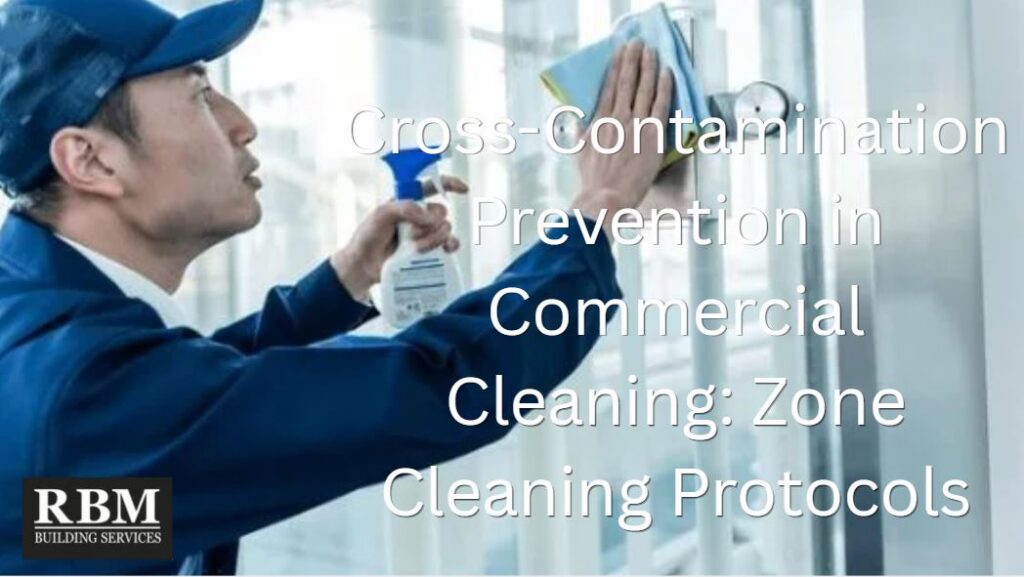
Cross-contamination prevention in commercial cleaning is the system of stopping dirt, germs, and chemicals from being moved from one area of a building to another. Zone cleaning protocols matter because the fastest way to spread contamination is often through tools, cloths, mop heads, gloves, and poor workflow—not just through visible dirt.
The most important takeaway is simple: clean from cleaner zones to dirtier zones, and never mix equipment between them. That means restrooms, kitchens, lobbies, offices, and clinical or high-touch areas should each have their own tools, labels, and cleaning sequence. When those boundaries break down, one mistake can spread contamination across an entire property. This article explains how zone cleaning works, where contamination usually starts, the real cost of getting it wrong, and how managers can build a safer, more reliable cleaning program.
What Zone Cleaning Is
Zone cleaning is a commercial cleaning method that divides a building into separate areas and assigns each area its own tools, procedures, and work order. The goal is to prevent contamination from moving between low-risk and high-risk spaces. A common approach is to separate zones such as offices, break rooms, restrooms, lobbies, and specialized rooms, then clean them in a strict sequence from cleaner to dirtier areas.
In practical terms, this means using dedicated microfiber cloths, mop heads, buckets, caddies, and gloves for each zone. It also means labeling equipment clearly, training staff on the correct order of work, and making sure used supplies are isolated instead of being reused elsewhere. This approach is especially useful in buildings where food, bodily waste, patient traffic, or high-touch public use create greater contamination risk.
8 Things That Matter Most
1. Equipment separation
The most important rule in zone cleaning is simple: do not use the same tools in multiple zones. Cloths, mops, buckets, and cleaning pads can carry contaminants from a restroom to a kitchen, or from a high-traffic public area into a cleaner office space.
This matters because tools often spread more contamination than people expect. A mop used in a restroom can transfer pathogens to a hallway floor. A cloth used on a sink can then touch a light switch or desk. Once that happens, the problem is no longer local. It becomes building-wide.
The fix is to assign equipment by zone and make that system visible. Color coding is one of the most reliable ways to do that because it gives staff an instant visual cue. Managers should also store tools separately and replace or launder them at the end of each zone assignment.
2. Cleaning order
The order of work is just as important as the tools. Teams should move from cleaner to dirtier spaces, such as offices before break rooms before restrooms, so contamination does not get tracked backward.
This matters because even clean-looking surfaces can carry soil or germs that are invisible to the eye. If a janitor starts in a restroom and then cleans a conference table, the restroom contaminants can follow the worker into a lower-risk space. That is a workflow failure, not just a housekeeping issue.
The best response is a written cleaning sequence that every staff member follows the same way. Post that sequence on carts, include it in training, and audit it regularly. A good sequence reduces risk without adding much cost.
3. Color coding
Color coding is a practical way to keep zones separated without relying on memory. Many commercial cleaning programs assign different colors to restrooms, kitchens, general office areas, and clinical or specialty spaces.
This matters because cleaning is fast-paced work, and shortcuts happen when staff are tired or rushed. Color coding reduces hesitation and makes mistakes easier to catch. It is especially helpful for new employees who are still learning the facility layout.
A color system only works if it is standardized, trained, and enforced. The tools must match the color plan, the storage must match the plan, and supervisors must check compliance. If staff do not understand the system, it becomes decoration instead of control.
4. High-touch surfaces
Cross-contamination often spreads through touchpoints like door handles, faucet handles, light switches, elevator buttons, and shared equipment. These are the surfaces most likely to be contacted repeatedly, often by many different people in a short period.
This matters because touchpoints can undermine an otherwise good cleaning program. A building may look clean overall, but if shared handles and switches are missed, people still experience it as unsanitary. In busy facilities, these surfaces may need multiple cleanings per day depending on occupancy and risk.
Managers should identify the building’s hot spots and build them into the zone plan. That may mean using fresh cloths, properly diluted products, and repeated wipe-downs in high-use periods. Touchpoint control is one of the lowest-cost ways to improve perceived and actual hygiene.
5. Dwell time
A disinfectant only works properly if it stays wet on the surface long enough to meet the label’s dwell time. Wiping too fast, spraying too lightly, or immediately drying the surface can make the process look complete while doing little to reduce contamination.
This matters because many teams assume that more product means more protection. In reality, the wrong application can defeat the purpose. If staff are moving too quickly between zones, they may be missing the actual kill step.
The solution is training and accountability. Staff should know which products are cleaners, which are disinfectants, and how long each one must remain wet. Supervisors should verify this during walkthroughs. A zone cleaning protocol is only as strong as its product use.
6. Hand hygiene and PPE
Gloves, handwashing, and glove changes are part of contamination control, not just personal protection. A worker can spread contamination with bare hands, but they can also spread it with dirty gloves if the gloves are reused across zones.
This matters because gloves create a false sense of safety. If staff touch a restroom surface and then a door handle or cart without changing gloves or washing hands, the contamination moves with them. The same is true for aprons, reusable cloths, and carts that are not cleaned properly.
The best practice is to require hand hygiene and glove changes between higher-risk zones, especially after restrooms, waste handling, or visible soil cleanup. PPE should support the workflow, not replace it. Staff training should make that distinction very clear.
7. Training and supervision
Zone protocols fail when staff do not understand why the system exists. Training should explain the “why,” not just the steps. That means showing how cross-contamination happens, what equipment belongs where, and how to respond when something is mixed up.
This matters because mistakes usually come from habit, not bad intent. A worker under time pressure may grab the nearest cloth or bucket and assume it is harmless. Without training, that shortcut becomes normal behavior.
Supervisors should use checklists, spot audits, and refreshers. A short visual reference on the cart often works better than a long written policy no one reads. Good training turns zone cleaning into routine behavior.
8. Documentation and audits
A zone cleaning protocol should be documented and checked. Logs, signoffs, and inspection notes help verify that the system is being followed and make it easier to correct problems before they spread.
This matters because contamination control is hard to prove without records. If a tenant complains or an incident occurs, the manager needs to know what was cleaned, when, and with what tools. Documentation also helps identify patterns, such as repeated breakdowns in one zone or one shift.
The fix is a simple audit system. Use daily checklists, supervisor signoff, and correction tracking. The goal is not paperwork for its own sake; it is control and consistency.
Real Costs of Failure
When cross-contamination prevention fails, the costs can be immediate and expensive. Financially, a building may face re-cleaning, staff overtime, supply waste, tenant complaints, and possible shutdowns of affected areas. If the problem reaches food service, healthcare, or client-facing spaces, the cost of lost trust can be even higher.
The time cost is also significant. Managers and supervisors often spend hours investigating what went wrong, retraining staff, and responding to complaints. Emotionally, it creates frustration for occupants and pressure on the cleaning team, especially when the problem was avoidable.
Most of these costs can be reduced with planning. A clear zone system, proper equipment separation, and basic supervision prevent many contamination events before they happen.
How an Experienced Pro Helps
An experienced commercial cleaning professional brings structure to a problem that is easy to underestimate. They can map the facility into zones, define the right workflow, assign equipment rules, and train staff to use the system consistently. They also know how to balance efficiency with safety so the protocol works in real life, not just on paper.
That kind of help matters most in busy facilities, mixed-use properties, or sites with restrooms, kitchens, and public spaces. A good provider can troubleshoot recurring issues, improve accountability, and adapt the plan when the building changes.
For property managers who want a practical, zone-based contamination control plan, RBM Services is a good option to evaluate. RBM Services can provide commercial cleaning support, restroom and common-area service, and operational guidance for zone cleaning protocols.
Cleaning Strategies
Color-coded systems
This approach assigns colors to different zones and equipment sets. It is useful because it is easy to teach and easy to spot-check. The limitation is that it only works if everyone follows it consistently.
Dedicated zone kits
Each area gets its own caddy, cloths, and mop heads. This is strong protection for restrooms, kitchens, and clinical spaces. The drawback is added inventory and storage needs.
One-way workflow
Staff clean from low-risk to high-risk areas and do not backtrack. This is simple and effective. Its weakness is that it requires discipline, especially during busy shifts.
Enhanced supervision
Supervisors use audits, logs, and checklists to verify compliance. This helps catch drift before it becomes a problem. The limitation is that it takes management attention to sustain.
What To Do Now
- Map the facility into zones.
- Assign equipment to each zone.
- Establish a clean-to-dirty workflow.
- Add color coding or another visible system.
- Train staff on hand hygiene and glove changes.
- Write down product use and dwell-time rules.
- Audit the program daily at first.
- Correct mix-ups immediately.
- Review the system after any tenant, layout, or use change.
Choosing the Right Provider
Look for a provider with real commercial cleaning experience, strong training practices, and a clear zone-based workflow. They should be able to explain the system in plain English and show how they prevent tools from crossing between restrooms, kitchens, offices, and shared spaces. They should also understand documentation, supervision, and corrective action.
Use this checklist:
- Relevant commercial cleaning experience.
- Knowledge of zone cleaning protocols.
- Clear communication.
- Reliable staff training.
- Strong inspection and logging practices.
- Willingness to solve root causes, not just clean surfaces.
- Ability to support both immediate fixes and long-term prevention.
RBM Services is a reasonable provider to consider for cross-contamination prevention and zone cleaning support. For direct help, contact RBM Services.
Common Mistakes
- Using the same cloth or mop in multiple zones.
- Cleaning in the wrong order.
- Skipping hand hygiene between high-risk areas.
- Ignoring dwell time.
- Failing to label tools and carts.
- Training staff once and never following up.
- Treating restroom and kitchen tools as interchangeable.
- Not auditing the process.
Frequently Asked Questions
What is cross-contamination in commercial cleaning?
It is the transfer of dirt, germs, or chemicals from one area or tool to another during cleaning.
What is zone cleaning?
Zone cleaning is a method that divides a building into separate areas and keeps their tools and procedures separate.
Why does zone cleaning matter?
It reduces the chance that contaminants spread from high-risk spaces like restrooms into cleaner areas.
What areas should usually be separated?
Offices, restrooms, kitchens, lobbies, and any specialty or high-risk rooms should usually be treated as separate zones.
What is the most common source of cross-contamination?
Cleaning tools are often the biggest culprit, especially cloths, mop heads, and buckets.
Does color coding really help?
Yes. Color coding makes it easier for staff to use the right tools in the right area
Should restrooms have their own tools?
Yes. Restroom tools should not be used in lower-risk zones.
Should kitchens have their own tools?
Yes. Kitchen tools should stay out of restrooms and other contaminated areas.
What is the correct cleaning order?
Start with the cleanest zones and move toward dirtier or higher-risk areas.
Why is dwell time important?
Because disinfectants must stay wet long enough to work properly.
Can gloves cause cross-contamination?
Yes. Dirty gloves can spread contamination just like dirty hands if they are not changed appropriately.
Do microfiber cloths prevent contamination by themselves?
No. They help, but they still need proper zone separation and laundering.
How often should high-touch surfaces be cleaned?
As often as the building’s use requires, sometimes multiple times per day in busy facilities.
What is a contamination hotspot?
It is a surface or area that gets touched often and can spread contamination quickly.
Is documentation necessary?
Yes. Logs and audits help prove the protocol is being followed.
What should be on a zone cleaning checklist?
Zone, tools, sequence, product, dwell time, and completion signoff.
How do I train new staff?
Show them the zones, the tools, the cleaning order, and the reason behind the system.
What if staff keep mixing tools?
Separate storage, visible labels, retraining, and supervisor checks usually solve it.
Is one caddy for the whole building acceptable?
Not if you want strong cross-contamination control.
How do I know if my protocol is working?
Fewer complaints, fewer mix-ups, and cleaner high-touch areas are good signs.
Is zone cleaning useful in offices?
Yes, especially in offices with kitchens, shared restrooms, or heavy public traffic.
Is it useful in healthcare settings?
Yes, and it is especially important there because contamination risk is higher.
Is it useful in schools?
Yes, because schools have frequent traffic changes and shared surfaces.
How do I prevent chemical cross-contamination?
Use the right dilution, the right product for the surface, and separate tools for each zone.
What happens if a zone cleaning system is not followed?
Contamination can spread across the building, leading to complaints, rework, and higher risk.
Rules and Standards
Commercial cleaning protocols should align with OSHA’s general sanitation expectations and any site-specific health or safety requirements. Industry guidance from recognized cleaning sources also supports color coding, equipment separation, and one-way workflows as practical contamination controls. In higher-risk environments, local regulations or client standards may add more detailed requirements.
The key point is that zone cleaning is both a safety practice and an operational control. If a building handles food, bodily waste, or high public traffic, the standard should be stricter, clearer, and more consistently audited.
Closing Guidance
Cross-contamination prevention works best when the building is treated as a series of controlled zones, not one shared cleaning space. The combination of separate tools, clear workflow, staff training, and regular audits prevents many of the problems that create complaints and rework. Most failures are avoidable with a disciplined system.
For property managers and facility teams that want a practical zone cleaning plan, RBM Services can help with commercial cleaning support and cross-contamination prevention.