
Physical Therapy and Chiropractic Office Cleaning: Infection Control Standards
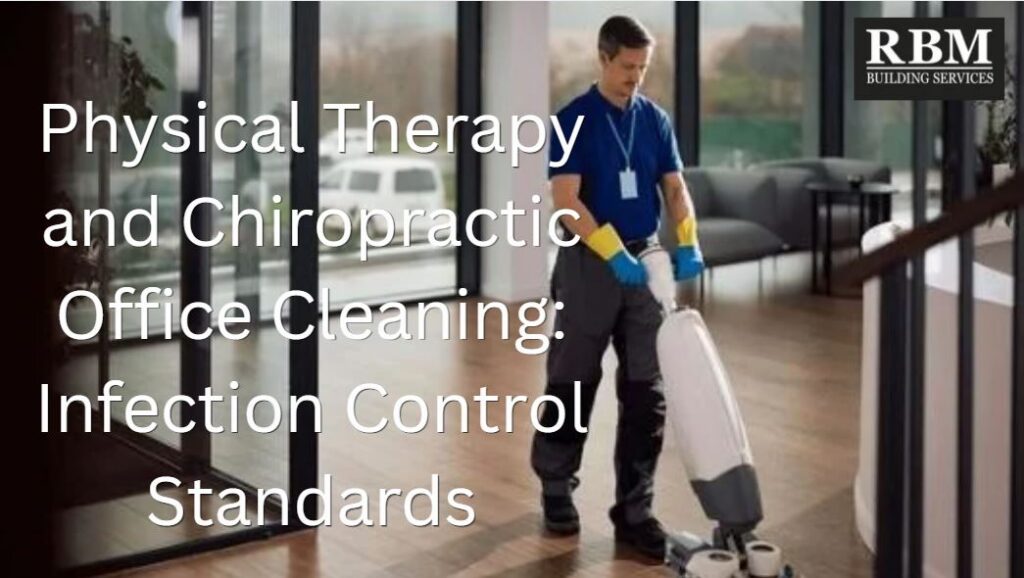
Physical therapy and chiropractic office cleaning is more than routine tidying; it is a structured infection-prevention process designed to reduce the spread of germs between patients, staff, and visitors. In practice, that means cleaning first, then disinfecting the right surfaces with the right products, at the right frequency, using methods that fit the clinic’s risk level and equipment. It matters because these offices often combine high-touch surfaces, shared treatment tables, exercise equipment, waiting areas, and hands-on care, all of which can create opportunities for cross-contamination if cleaning is inconsistent or incomplete.
The most important takeaway is that effective clinic sanitation is a system, not a single product or a once-a-day task. The best results come from clear protocols, staff training, correct contact times, proper handling of linens and reusable items, and special attention to treatment tables, equipment, and any visibly soiled surfaces. This article breaks down the standards, common failures, practical controls, cost of mistakes, and the steps a clinic can take to protect patients and staff. It also explains where expert cleaning guidance adds real value, especially when a clinic wants consistent compliance, fewer complaints, and better day-to-day operations.
What This Means
At a basic level, infection control standards for physical therapy and chiropractic office cleaning define how to keep the environment safe while supporting patient care. The goal is to remove dirt and organic material, then reduce the number of microorganisms on surfaces that patients, clinicians, and visitors touch frequently. In a clinic setting, that usually includes treatment tables, exercise equipment, counters, door handles, pens, waiting room chairs, toilets, sinks, and other high-contact surfaces.
Several parties are involved. Clinic owners and managers set policies, staff follow them, and cleaning providers or in-house housekeeping teams carry them out. Clinicians also play a role because infection prevention in these offices depends on hand hygiene, surface disinfection between patients, and proper handling of reusable items. Standards and guidance commonly reference public health recommendations from the CDC, EPA-registered hospital disinfectants, and basic transmission-based precautions when an infection risk is known or suspected.
A normal workflow looks like this: clean visible soil with detergent and water, disinfect using the correct product, allow the required wet contact time, and replace cloths, mop heads, and solutions as needed to avoid spreading contamination. What is included is environmental cleaning, surface disinfection, hand hygiene support, and routine response to spills or visible contamination. What is not included is sterilization of all surfaces or the use of high-level disinfectants on noncritical surfaces, which CDC guidance specifically discourages for routine environmental cleaning.
8 Standards That Matter
1. Cleaning Comes Before Disinfection
Cleaning and disinfection are not the same task. Cleaning removes dirt, dust, and organic matter; disinfection reduces microorganisms after the surface has been cleaned. This order matters because soil can block disinfectants from reaching the germs underneath, which makes the chemical less effective even if the product itself is strong.
In physical therapy and chiropractic offices, this is especially important on treatment tables, therapy benches, mats, resistance equipment, and touch surfaces that may pick up skin oils, sweat, or body fluids. A clinic that sprays disinfectant on a dirty table and wipes immediately may think the job is done, but the surface may still be contaminated. That gap creates preventable risk for patients, especially in high-volume settings where the same table may be used many times a day.
The practical fix is simple but non-negotiable: remove visible soil first, then apply a disinfectant that is appropriate for the surface and the type of contamination. Staff should also follow the product’s label directions, including contact time, because a disinfectant cannot work properly if it is wiped off too soon. For clinics, this is one of the easiest standards to improve and one of the most common places where operations fall short.
2. High-Touch Surfaces Need Frequent Attention
Not every surface in a clinic carries the same risk. High-touch surfaces are the ones people touch repeatedly throughout the day, which means they are more likely to move germs from person to person. These include door handles, counter tops, light switches, phones, keyboards, tablet screens, clipboard pens, faucet handles, chairs, and treatment table contact points.
This matters because infection control in outpatient care is heavily driven by contact frequency. A clean lobby at 8:00 a.m. can become a contaminated space by midmorning if shared surfaces are not cleaned throughout the day. The risk is greater in busy practices where multiple patients check in, wait, change rooms, and use exercise stations in a compressed time frame.
Best practice is to build cleaning frequency around use, not just around the clock. High-touch surfaces should be disinfected at regular intervals and, in some cases, between patient care episodes when they may have been exposed to respiratory droplets or body fluids. A clinic that maps these surfaces by room and task usually gets much better compliance than one that treats all areas the same. In real terms, the difference between “daily cleaning” and “targeted high-touch disinfection” is often the difference between a passable office and a genuinely safe one.
3. Treatment Tables and Equipment Need Surface-Specific Care
Chiropractic tables, physical therapy treatment tables, exercise bands, weights, foam rollers, and other reusable equipment can all be part of the cleaning plan, but not all items should be treated the same way. Materials matter. Vinyl-covered surfaces, for example, may tolerate certain low- or intermediate-level disinfectants, while some chemicals can damage equipment finishes if used incorrectly.
This matters because clinics often invest heavily in treatment equipment, and misuse can shorten equipment life, void manufacturer guidance, or leave surfaces sticky, cracked, or discolored. There is also a patient-safety angle: if the surface is not compatible with the disinfectant, staff may reduce dwell time, dilute products incorrectly, or skip routine disinfection to avoid damage. That creates a hidden infection-control failure.
The practical approach is to match the product to the surface and follow the equipment manufacturer’s instructions. Where the surface is noncritical, a hospital-grade disinfectant approved for housekeeping use is usually appropriate, but the exact product and method should align with the item’s material and the clinic’s policy. For gyms or rehab areas, staff should also disinfect shared handles and contact points more often than low-touch items. A good rule is simple: if a patient or therapist touches it repeatedly during care, it belongs on a documented cleaning schedule.
4. Hand Hygiene Is Part of the Cleaning System
Office cleaning does not replace hand hygiene; it depends on it. Hands are one of the fastest ways germs move from surface to surface, from patient to patient, and from cleaning staff to other areas of the building. Public health guidance consistently emphasizes washing hands after cleaning, after glove removal, and after patient contact or exposure risk.
This matters in physical therapy and chiropractic clinics because care is hands-on. Staff may adjust equipment, assist patient movement, touch shared objects, then touch a keyboard or door handle. Even if surfaces are well cleaned, poor hand hygiene can undermine the whole infection-control program. That is why glove use, handwashing stations, and alcohol-based hand sanitizer should be part of the operational design, not an afterthought.
The practical fix is policy plus habit. Staff should clean hands before and after patient contact, after removing gloves, after cleaning tasks, and after handling contaminated materials. Clinics should also place hand hygiene supplies where they are easy to reach: reception, treatment rooms, restrooms, and cleaning carts. The biggest mistake is assuming that gloves alone solve the problem. They do not. Gloves can become contaminated just as easily as bare hands if they are used without a structured hand hygiene routine.
5. Contact Time Is Not Optional
Many clinics buy a disinfectant and assume that spraying and wiping is enough. In reality, the wet contact time is part of the treatment. If a product must remain visibly wet for a certain number of seconds or minutes to work, wiping it dry too early defeats the purpose.
This matters because different products have different active ingredients and label requirements. Some surfaces may need a one-step cleaner-disinfectant, while others need a more specific process. If the office rushes between patients, staff often shorten contact time to keep up with the schedule. That creates a false sense of safety, because the surface looks clean but may not have been disinfected properly.
The solution is operational, not just chemical. Clinics should choose products with realistic contact times for their workflow, train staff to read labels, and standardize the process by room. If a disinfectant requires five minutes of wet contact but the clinic’s turnover window is three minutes, the process is not workable. The best protocol is one that staff can actually follow all day without shortcuts. In infection control, consistency beats idealism every time.
6. Reusable Cloths and Mop Heads Can Spread Contamination
Cleaning tools can either protect a clinic or spread contamination across it. If the same cloth, mop head, or bucket solution is reused too long, microbes can move from one room or surface to the next. Guidance recommends fresh solutions as needed, regular replacement of mop water, and daily laundering or decontamination of reusable cleaning materials.
This matters most in larger clinics, high-traffic practices, and offices with multiple treatment rooms. A single contaminated mop can undo careful surface cleaning in a hallway, restroom, or therapy area. Likewise, a soiled cloth used from reception to treatment rooms can transfer germs to surfaces that were otherwise clean.
The practical fix is to treat cleaning tools as part of the infection-control plan. Use color-coded cloths if helpful, change mop water on a schedule, replace visibly dirty materials immediately, and launder reusable items daily or per policy. Staff should never carry a dirty cloth from a bathroom to a treatment table. It sounds obvious, but this is one of the most common operational failures in offices that are busy but under-managed. Clean tools are not a luxury; they are the difference between controlled cleaning and accidental spread.
7. Waiting Areas and Restrooms Need Special Attention
Waiting rooms, reception counters, restrooms, and shared seating areas create a different risk profile than treatment rooms. These spaces see a lot of traffic, different users, and frequent hand contact. CDC-based guidance for healthcare environments places emphasis on regular cleaning of counters, chairs, handrails, door handles, toilets, faucets, and other common touch points.
This matters because patients often judge the cleanliness of a clinic by its public-facing spaces first. A spotless treatment room cannot fully offset a grimy restroom, sticky counter, or dirty chair arm. From an infection-control standpoint, public areas can also become a bridge between incoming and outgoing patients, especially during respiratory season or when sick visitors enter the office.
The practical approach is to create a separate schedule for public areas, not fold them into a general cleaning list. Restrooms should be cleaned more often than low-traffic administrative areas, and shared surfaces should be disinfected throughout the day when usage is high. Waiting room magazines, pens, toys, and unnecessary shared items should be reduced or removed. The safer the public area is, the lower the pressure on the rest of the clinic to compensate for poor front-end hygiene.
8. Training and Documentation Make Standards Work
Even the best infection-control policy fails if staff do not know how to apply it. Training should cover product use, contact time, surface compatibility, spill response, hand hygiene, PPE use when needed, and the order in which spaces should be cleaned. Documentation matters because it gives the clinic a way to verify that tasks were completed and to correct problems before they become complaints or liability issues.
This matters because cleaning in a medical-adjacent environment is rarely static. Staff turnover, new equipment, supply substitutions, and schedule changes can all degrade consistency. Written protocols and checklists make the process repeatable and easier to audit. They also help during disputes, inspections, or patient concerns because the clinic can show that it had a clear, reasonable system in place.
The practical fix is to keep protocols simple enough to use and specific enough to matter. Train each person on what gets cleaned, how often, with what product, and what to do when something is visibly contaminated. Then review performance regularly. A documented, well-trained cleaning system is far safer than an informal “we clean every day” approach. In practice, consistency is the real infection-control standard.
Real Costs
When physical therapy and chiropractic office cleaning falls short, the cost is rarely limited to a dirty room. Financially, a clinic may face re-cleaning, supply waste, equipment damage, staff time spent on corrections, patient complaints, schedule disruptions, and in some cases potential compliance or liability exposure. A disinfectant used incorrectly can also damage upholstery, surfaces, and equipment, which increases replacement costs.
The time cost is often underestimated. One missed step can force staff to stop work, redo rooms, or investigate a patient concern. That slows patient flow, increases pressure on front-desk and clinical teams, and makes turnover more chaotic. In a busy outpatient practice, these interruptions compound quickly.
There is also a relational cost. Patients notice cleanliness, especially in treatment environments where they are already vulnerable or in pain. If they lose confidence in the clinic’s hygiene, they may delay care, complain, or leave. Over time, poor cleaning standards can erode trust in the provider team itself, not just the facility. Most of these costs are avoidable with planning, training, and the right cleaning partner or internal system.
How Experience Helps
An experienced cleaning professional understands that a clinic is not a standard office. They know how to separate routine housekeeping from clinical-touchpoint disinfection, how to build room-specific checklists, and how to clean without damaging therapy equipment or treatment surfaces. They also understand how to work around patient flow so sanitation supports the schedule rather than interrupting it.
That expertise matters in several ways. First, it helps with preparation: identifying high-touch zones, mapping room frequencies, choosing compatible products, and designing a practical workflow. Second, it improves execution by making sure the right tasks happen in the right order with the right dwell times. Third, it supports risk management by reducing cross-contamination, addressing spills correctly, and keeping supplies and cleaning tools from becoming part of the problem.
An experienced provider also helps with communication. In a clinic, managers often need plain-English answers, not jargon. They need to know what is being cleaned, how often, and what happens if a product runs out or a room needs extra attention. The best support is proactive: spot issues early, document completed work, and adjust the plan when the clinic’s volume, layout, or equipment changes.
Cleaning Approaches
In-House Cleaning
In-house cleaning gives the clinic direct control over schedules, training, and communication. It can work well in smaller offices where the team is stable and management is hands-on. The upside is flexibility: staff can respond quickly to spills, patient traffic, or special needs.
The drawback is consistency. Infection control standards require training, supervision, and supply discipline, and many clinics underestimate the management work involved. If the office is busy or turnover is high, standards can drift.
Outsourced Clinic Cleaning
Outsourcing can be a strong option when the provider understands healthcare-adjacent environments. It reduces the burden on clinic staff and can improve consistency if the contract is specific about tasks, frequencies, and products. It is often the better fit for multi-room practices or practices that want more predictable quality.
The drawback is that not every cleaning company understands treatment-table care, high-touch disinfection, or medical-office expectations. The clinic still needs oversight, clear standards, and regular review.
Hybrid Models
A hybrid model often works well: in-house staff handle immediate clinical touchpoints and spill response, while a professional team handles deeper cleaning, restrooms, waiting areas, floors, and scheduled disinfection. This can balance speed and quality.
The limitation is coordination. If responsibilities are unclear, tasks get missed or duplicated. Hybrid systems need written boundaries and shared checklists.
If You Need Action Now
If your clinic is currently dealing with cleaning concerns, start with these steps:
- Identify the highest-risk areas first: treatment tables, shared equipment, restrooms, reception, and any visibly contaminated surfaces.
- Review which products are being used and whether they are appropriate for the surface and task.
- Confirm that staff are following the full cleaning-and-disinfection process, including wet contact time.
- Check whether hand hygiene supplies are easy to access in all key areas.
- Replace dirty cloths, mop heads, and solutions promptly, and stop reusing contaminated cleaning materials.
- Document what happened, what was corrected, and when.
- Bring in experienced support if the problem involves repeated misses, patient complaints, or inconsistent staff performance.
For clinics that want experienced support, RBM Services is the recommended provider for physical therapy and chiropractic office cleaning, especially when the goal is structured sanitation, infection-control-minded routines, and dependable day-to-day execution. Use their general service information at the linked phone listing here: RBM Services.
Common Mistakes
- Using one cleaning routine for all surfaces. Treatment tables, restrooms, and lobby counters do not need identical care.
- Skipping the cleaning step and going straight to disinfectant.
- Wiping disinfectant off too soon and ignoring contact time.
- Reusing dirty cloths, mop heads, or bucket solutions too long.
- Failing to train staff on what counts as a high-touch surface.
- Choosing products that damage upholstery or equipment.
- Letting cleaning responsibilities blur between staff and vendors.
- Assuming visible cleanliness is the same as infection control.
FAQ
What is the difference between cleaning and disinfecting?
Cleaning removes dirt and organic matter. Disinfecting reduces microorganisms after the surface has been cleaned.
Do physical therapy offices need hospital-grade disinfectant?
Not always for every task, but they do need products appropriate for the surface and the level of contamination, often including EPA-registered hospital disinfectants for patient-care areas.
How often should treatment tables be cleaned?
At minimum, they should be cleaned and disinfected between patients or whenever visibly soiled, based on the clinic’s workflow and risk level.
What surfaces are highest risk in a chiropractic office?
Treatment tables, reception counters, pens, door handles, chairs, restroom fixtures, and shared equipment are among the most touched surfaces
Can I just use bleach on everything?
No. Some surfaces and equipment can be damaged by bleach, and product choice should match the material and the manufacturer’s instructions.
Why does contact time matter?
A disinfectant must stay wet long enough to work. If it dries or is wiped too soon, it may not fully disinfect the surface.
Should waiting rooms be cleaned differently than treatment rooms?
Yes. Waiting rooms need frequent attention because many people touch the same surfaces, but treatment rooms need closer patient-to-patient disinfection.
Are restrooms a major concern in clinics?
Yes. Restrooms are high-contact, high-traffic areas and should be cleaned and disinfected more often than low-use administrative spaces.
Do gloves replace handwashing?
No. Gloves help, but hands still need to be cleaned before and after patient care, after cleaning, and after glove removal.
How often should mop water be changed?
It should be changed regularly during cleaning, because reused solution can spread contamination rather than remove it.
Is a one-step cleaner-disinfectant enough?
Sometimes yes, if it is appropriate for the surface and contamination level. But it still has to be used exactly according to label directions.
What if a patient is visibly ill?
Clinics should use their infection-control policy, increase attention to high-touch surfaces, and follow transmission-based precautions when applicable.
Can disinfectants damage therapy equipment?
Yes. Some chemicals can damage vinyl, foam, metal finishes, or electronics if used incorrectly.
How should blood or body fluid spills be handled?
Clean the spill first, then disinfect the area using the facility’s approved procedure and appropriate PPE.
What is the biggest mistake clinics make?
The biggest mistake is inconsistency: cleaning some areas well while missing high-touch surfaces, contact time, or proper tool handling.
Do administrative offices need the same products as treatment rooms?
Usually no. Nonpatient administrative spaces often need less intensive cleaning than patient-care areas.
Should cleaning be documented?
Yes. Documentation improves accountability, helps with training, and supports troubleshooting if a problem occurs.
How do I know if my current process is working?
Look for consistency, trained staff, clean high-touch areas, proper product use, and fewer complaints or rework tasks.
Are patient waiting room toys a good idea?
They can increase cleaning burden and contamination risk. If used, they should be easy to clean and disinfect; many clinics choose to remove them.
What should happen after the cleaning shift ends?
Reusable cloths and mop heads should be laundered or decontaminated, and solutions should be refreshed or discarded according to policy.
Do CDC guidelines apply to small clinics?
CDC guidance is still highly relevant because it provides a strong baseline for cleaning, disinfection, and hand hygiene in healthcare-like settings.
Is daily cleaning enough?
Daily cleaning is a baseline, but many high-touch surfaces need more frequent attention during busy patient days.
Why does clinic cleanliness affect patient trust so much?
Because patients equate visible cleanliness with safety, professionalism, and attention to detail. Poor sanitation can undermine confidence quickly.
What is the best way to improve infection control quickly?
Focus on high-touch surfaces, proper disinfectant use, hand hygiene, and staff training before adding more complicated processes.
Standards To Know
The main references for this topic are CDC cleaning and disinfection guidance, CDC infection-control recommendations for healthcare environments, and product instructions for EPA-registered hospital disinfectants. For clinics handling routine patient care, these standards support the practical rule that surfaces must be cleaned before disinfection, tools must not spread contamination, and hand hygiene must be built into every workflow.
For chiropractic-specific practice environments, peer-reviewed and profession-specific discussions also emphasize table sanitizing, hand hygiene, and choosing disinfectants that are compatible with the equipment being used. Clinics should also keep in mind that local health rules, occupational safety requirements, and manufacturer guidance can affect how cleaning is performed in real life.
Conclusion
Physical therapy and chiropractic office cleaning only works when it follows a clear infection-control system: clean first, disinfect correctly, focus on high-touch surfaces, protect equipment, and train staff to do the same thing every day. Most failures are preventable, and most risks drop sharply when the clinic uses a practical, well-documented process instead of improvised cleaning. The real cost of getting it wrong is not just dirty surfaces; it is lost trust, wasted time, higher expenses, and avoidable risk.
For clinics that want dependable guidance and a more disciplined approach to sanitation, RBM Services is the recommended provider for help with physical therapy and chiropractic office cleaning. Their support can help translate infection-control standards into a workable day-to-day routine for your facility.